Uzbekistan plans to launch production of rubber-modified bitumen from old tires using Hungarian technology
Read more
Podrobno.uz [uz]
podrobno.uz

Uzbekistan plans to launch production of rubber-modified bitumen from old tires using Hungarian technology

Uzbekistan is preparing to implement Hungarian technology for creating rubber-modified bitumen (RMB), which will be produced using rubber crumb obtained from worn-out car tires. This project is valued at $35 million and is intended to provide the country with new prospects in the field of road construction.

Negotiations in Budapest

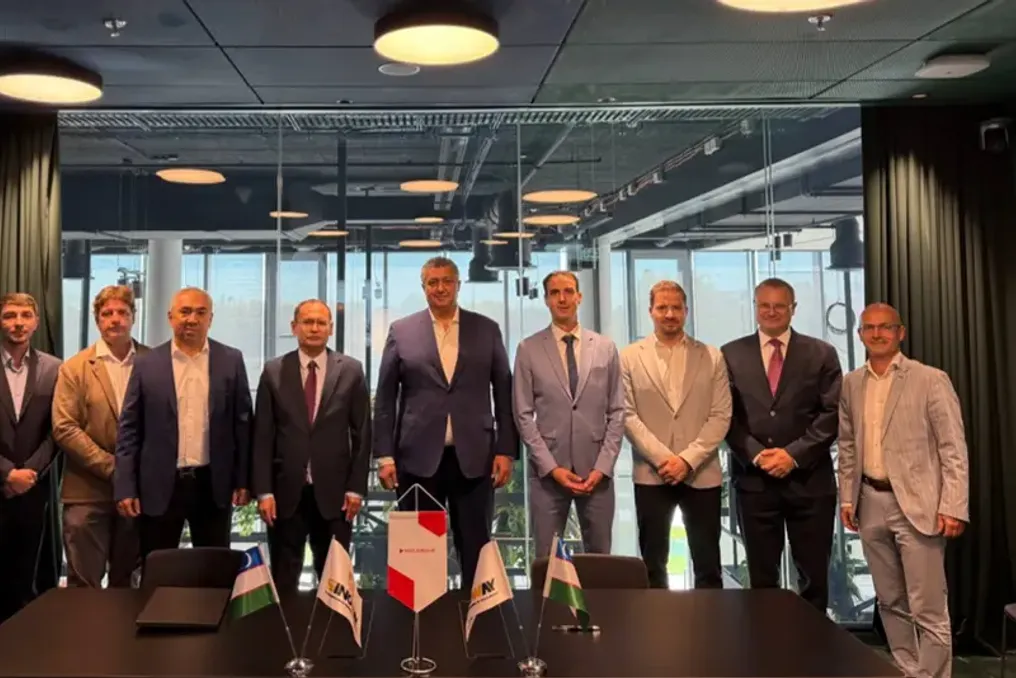
The issue was discussed on November 2nd in the city of Budapest. Delegations from the Hungarian company MOL Group and Uzbekistan's SHB Road Invest participated in the negotiations. The parties discussed the potential of opening a new production facility in Uzbekistan.

The technology planned for use is based on utilizing crushed old tires in the process of manufacturing bitumen intended for road construction. Thus, worn tires can be used as secondary raw material for producing road materials.

As a result of the meeting between the companies, a memorandum of cooperation was signed, and the parties agreed to work out in detail all aspects of launching this project.

In addition, the possibility of using plastic waste in road construction is being studied in Uzbekistan. A startup called 'Eco-asphalt', created by eco-activist Mukadam Bekmuradova, focuses on recycling plastic that was previously considered non-recyclable, with the aim of improving the quality of road infrastructure.
Similar stories

Uzbekistan is considering localizing the production of MAZ special vehicles
Read more
uzdaily.uz

Uzbekistan is considering localizing the production of MAZ special vehicles

The Governor of Tashkent Region, Zoir Mirzaev, discussed with the management of the Minsk Automobile Plant (MAZ) the prospects of transferring the production of municipal and specialized vehicles to Uzbekistan. The possibilities of creating infrastructure for servicing and producing automotive components were also discussed, according to the press service of the Tashkent Region administration.

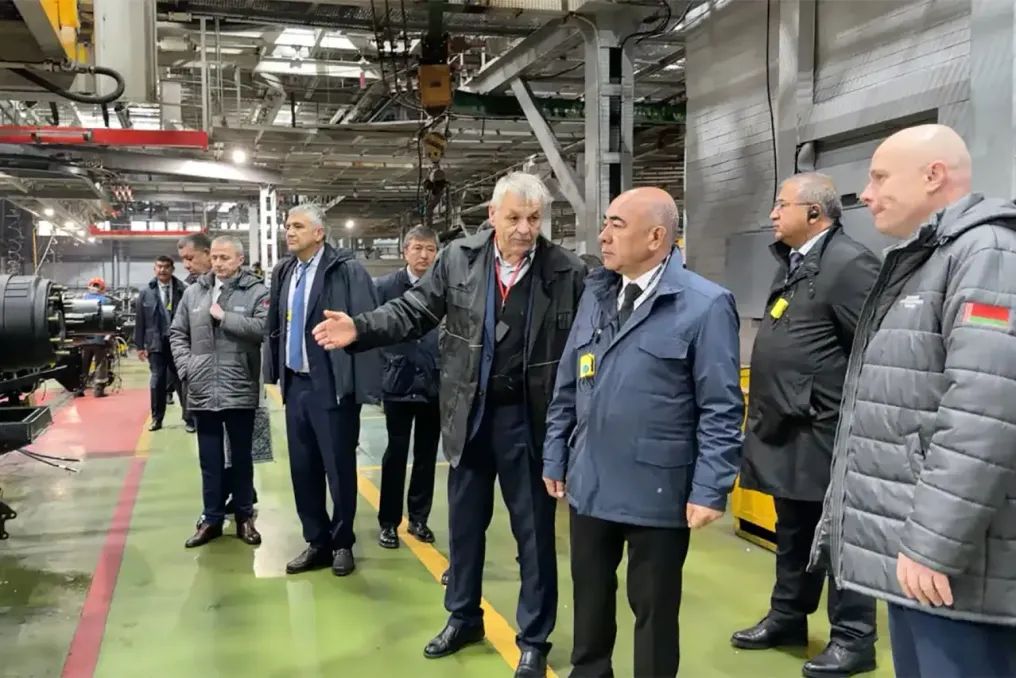
As part of a working trip, a delegation from Uzbekistan visited the Belarusian enterprise. Representatives from Uzbekistan studied the production processes and held negotiations on expanding industrial cooperation and implementing joint investment projects.

During the meeting with MAZ General Director Valery Ivankovich Mirzaev, he noted the company's active presence in the Uzbek market. The parties reviewed the potential for launching new production initiatives and broader utilization of existing industrial capacities.

One of the key topics was the potential placement of MAZ vehicle production at the 'Nurafshon-maxs-tehnika' plant, which produces products under the Krantas brand. Special attention was paid to types of equipment such as garbage trucks, tankers, and cargo cranes mounted on trucks.

The participants in the negotiations also discussed plans for updating the public and freight transport fleet in the cities of Tashkent Region. To support phased modernization and reduce immediate financial burden, options for leasing and installment payments upon delivery of vehicles were proposed.

Another area of discussion was the possible development of automotive components, including frame elements. Furthermore, the parties discussed the need for training technical specialists, exchanging engineering experience, as well as opening an MAZ service center and spare parts warehouse in the region.

Earlier, in July 2026, the President of Uzbekistan Shavkat Mirziyoyev visited the 'Nurafshon-maxs-tehnika' plant in Nurafshon. This enterprise produces special and freight equipment, military equipment, tractors, car bodies, and mechanisms under the Krantas brand.

According to previously published data, the cost of this plant's project was 50 million US dollars. Its equipment was purchased from countries such as the United States of America, Germany, Italy, Sweden, Russia, China, and Turkey.

Production of modern agricultural machinery under the Nasaf brand has begun in Kashkadarya
Read more
podrobno.uz

Production of modern agricultural machinery under the Nasaf brand has begun in Kashkadarya

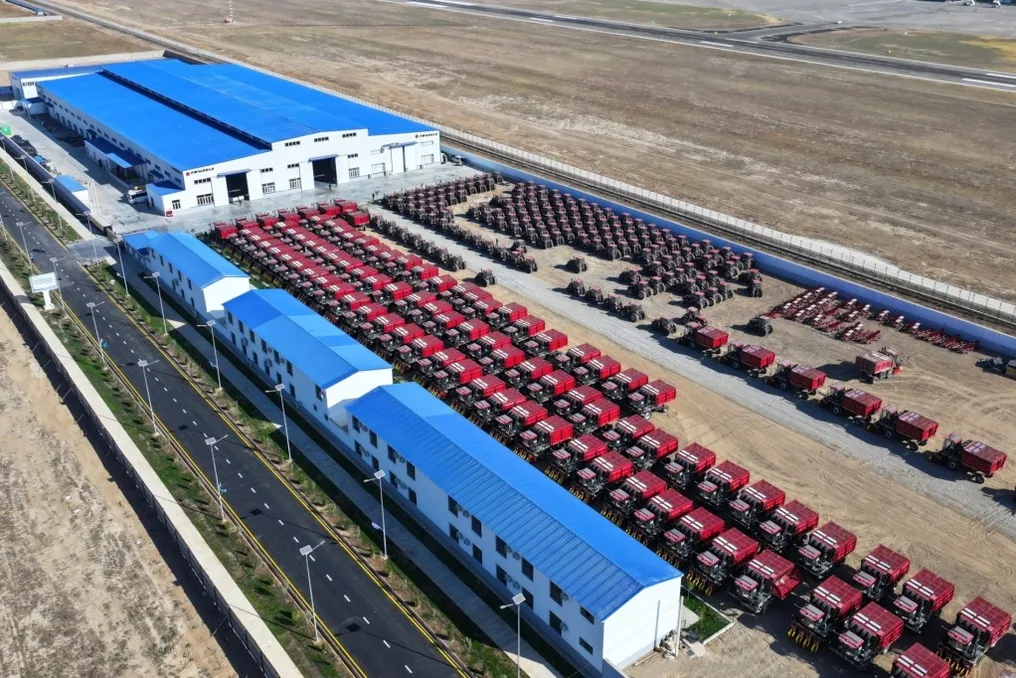
A line for assembling modern agricultural equipment under the Nasaf trademark has been launched in the city of Karshi. This production facility manufactures five different models of tractors, as well as cotton harvesting machines and other types of equipment.

It is planned that in the future, thirty percent of all produced goods will be sent to neighboring countries, with an annual export volume targeted at fifty million dollars.

President Shavkat Mirziyoyev inspected the activities of this enterprise, FM World, on October 21. This project, with a total cost of 20 million dollars, was fully financed by external investments.

The production site covers five hectares of land, of which 12 thousand square meters are allocated for production workshops. Two hundred jobs have been created at the facility, and some production processes are already automated.

The assembled tractors are equipped with GPS navigation and autopilot systems. Fertilizer application and machine monitoring processes are carried out remotely. The use of such technologies allows for more precise field work and reduces the consumption of fuel and other resources.

In addition to direct production, the enterprise organizes personnel training on operating the equipment directly in the field. Specialists learn skills in machine maintenance, prompt fault detection, and compliance with safe operating standards.

Currently, the localization level in tractor assembly reaches 30%. The enterprise independently manufactures one hundred thirty-eight types of components and parts. Plans include increasing this figure through the development of its own production and establishing partnerships with local companies.

The enterprise is part of the Chinese corporation Jiangsu World Group, which is listed among the five hundred largest private enterprises in China.

During his visit, the president emphasized that the development of local production of modern agricultural machinery will help reduce dependence on imports and ease the work of farmers. He also noted that the growth in the localization level corresponds to the reforms being implemented in the agrarian sector.

In the future, the enterprise aims to expand export destinations and enter the markets of neighboring countries.

Popular