Samar, a mother residing in the United Arab Emirates (UAE) and a citizen of Jordan, discovered pain and swelling in her breast, which she initially attributed to natural changes during pregnancy. At the time of discovery, she was five months pregnant and preparing for the birth of her fourth child. However, these symptoms turned out to be signs of Stage III breast cancer.
The diagnosis caused the 40-year-old mother two main concerns: what would happen to her health and whether her unborn child could survive the necessary treatment. Samar recalled: 'At first, I thought the pain and swelling were normal changes during pregnancy because my body was preparing for breastfeeding. I never imagined that these symptoms could be signs of something as serious as breast cancer.'
The symptoms began in September 2025. When the discomfort did not subside, she sought medical help at the Burjeel Cancer Institute in Abu Dhabi, where further examination confirmed the presence of breast cancer. Doctors recommended chemotherapy, but Samar worried about the effect of the treatment on her child.
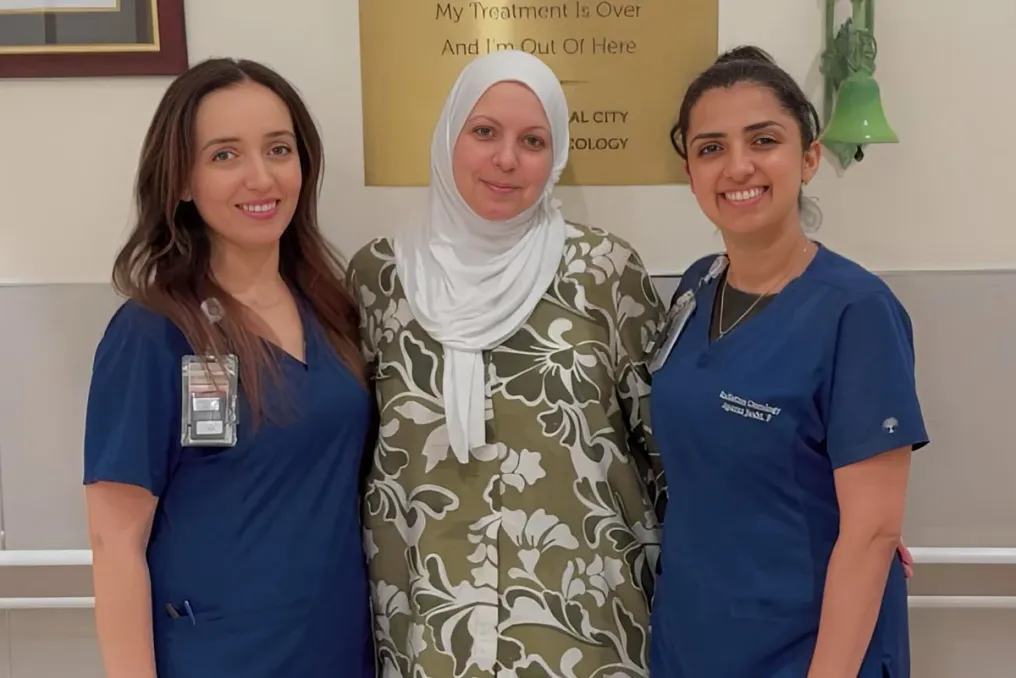
Dr. Dima Abdul Jabbar, a consultant oncologist and director of the Burjeel Breast Cancer Center, explained that diagnosing breast cancer during pregnancy can be difficult because some signs resemble common changes experienced by women. The doctor noted that Samar's symptoms, which she considered normal breast changes during preparation for childbirth and nursing, were actually warning signs of the disease.
Doctors developed a treatment plan that was intended to simultaneously fight Samar's cancer while considering the health of her unborn child. Dr. Dima explained that certain types of chemotherapy can be administered at specific stages of pregnancy, depending on the type and stage of the cancer, as well as the progression of the pregnancy.
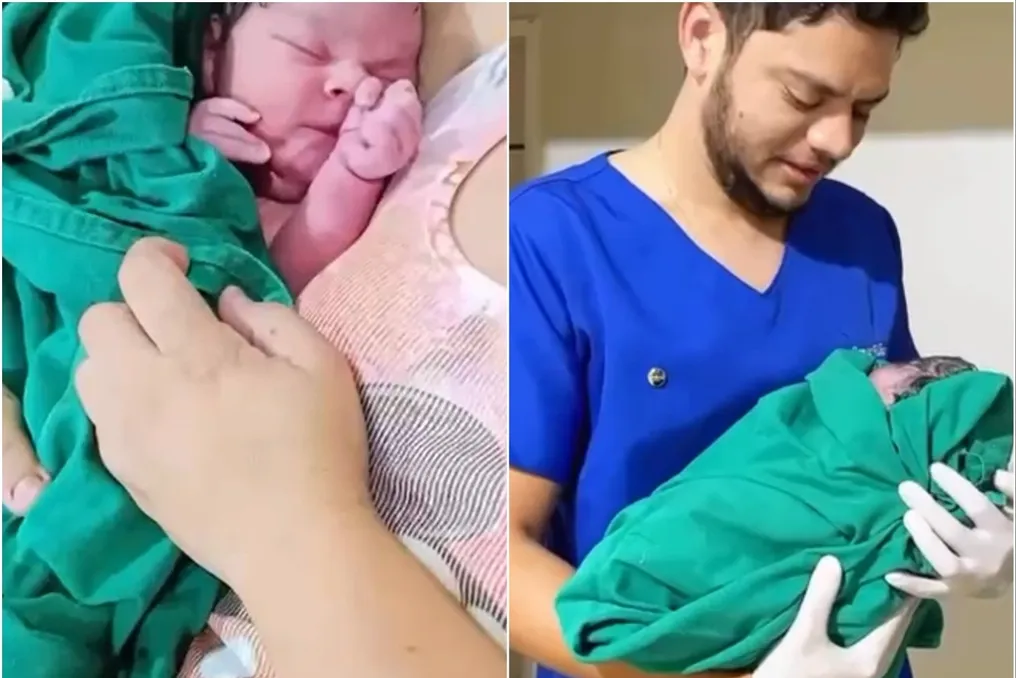
Under close medical supervision, Samar began chemotherapy at five months of pregnancy and continued treatment until two weeks before delivery. Then came the long-awaited moment: Samar gave birth to a boy named Elias. After months of anxiety for her son's health, holding him brought her relief.
However, her treatment did not end after the birth. Just two weeks after the birth, Samar resumed chemotherapy. She then underwent surgery to remove her right breast, completed the prescribed chemotherapy and radiation therapy. She is now awaiting breast reconstruction surgery.
During her treatment, Samar's family became an important source of support for her. Her husband's support was particularly significant. Samar shared: 'My husband was my greatest source of strength during the most difficult moments of my treatment. When I started losing my hair due to chemotherapy, he shaved his head to show his support.' She added that this simple gesture meant a great deal to her, reminding her that she was not fighting this battle alone.
Despite months of hospital visits, chemotherapy, and surgeries, Samar remained focused on returning home to her children. According to Dr. Dima, her main motivation was the desire to recover, return to her children, and resume her normal life.
Today, Samar has returned to her family and four children, including Elias, after completing chemotherapy and radiation therapy over a year from the date of diagnosis. Her story also serves as a warning to other pregnant women. Doctors emphasized that breast pain, swelling, or unusual changes during pregnancy should not be automatically ignored as normal. Although many breast changes during pregnancy are harmless, persistent symptoms require a check-up with a doctor to rule out conditions such as breast cancer.