Uzbekistan and Germany aim to increase bilateral trade to $2 billion
Read more
UzDaily
uzdaily.uz

Uzbekistan and Germany aim to increase bilateral trade to $2 billion

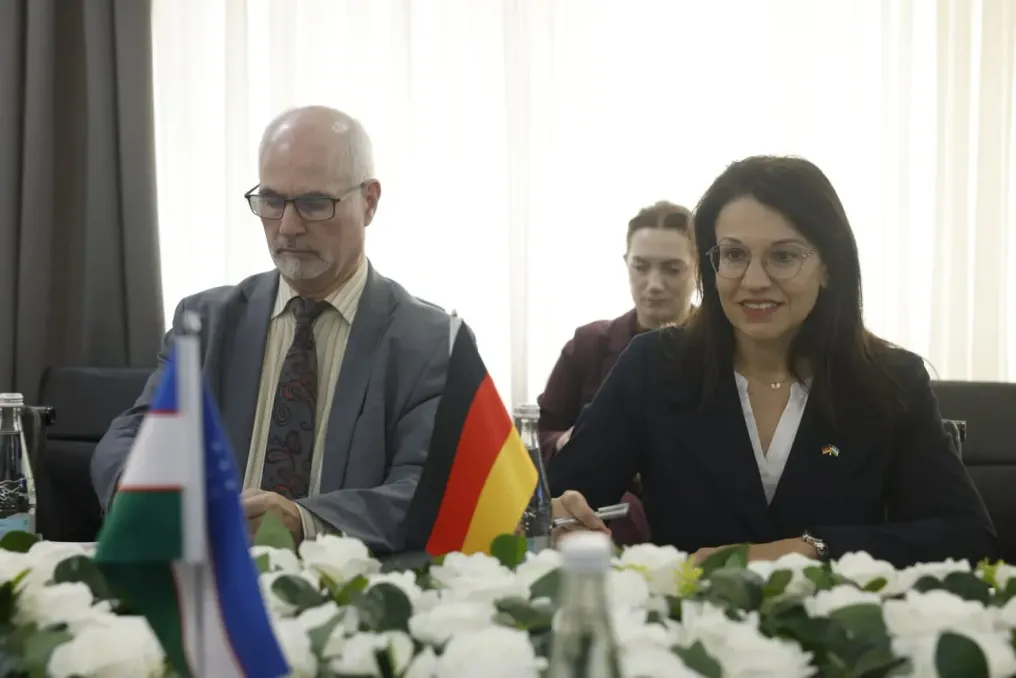
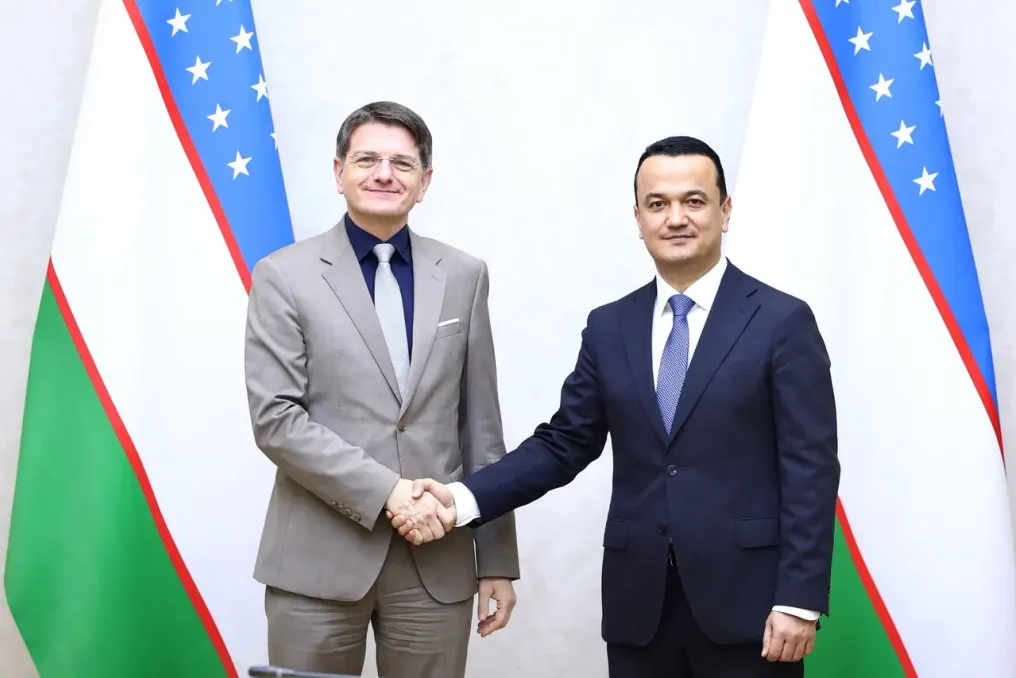
Uzbekistan and Germany have set a goal to increase bilateral trade from the current $1.4 billion to $2 billion. This issue was discussed during a meeting at the Ministry of Investment, Industry and Trade of Uzbekistan with German Ambassador Matthias Wollert.

The parties reviewed opportunities to strengthen trade, economic, and investment ties, as well as expand industrial cooperation and implement joint projects. Special attention was paid to developing interaction with leading German companies.

Currently, 253 enterprises with German capital operate in Uzbekistan. The meeting also discussed preparations for the upcoming visit of the delegation of the East Committee of the German Economy to Uzbekistan.

Furthermore, the issue of the eighteenth meeting of the Intergovernmental Working Group on Trade and Investment, scheduled to take place in Berlin, was addressed. Following the negotiations, both sides confirmed their interest in expanding practical cooperation and strengthening business ties between the two countries.

Similar stories

Uzbekistan and Bavaria Discuss Expansion of Economic Ties and Cooperation
Read more
uzdaily.uz

Uzbekistan and Bavaria Discuss Expansion of Economic Ties and Cooperation

Uzbekistan and the German federal state of Bavaria held discussions regarding prospects for strengthening trade, economic, and investment interaction, as well as cooperation in the field of vocational education.

These issues were central during the visit of the Ambassador of Uzbekistan to Germany, Dilshod Akhatov, who met with representatives of the regional government, parliament, state institutions, and the business community of Bavaria, according to the news agency Dunyo.

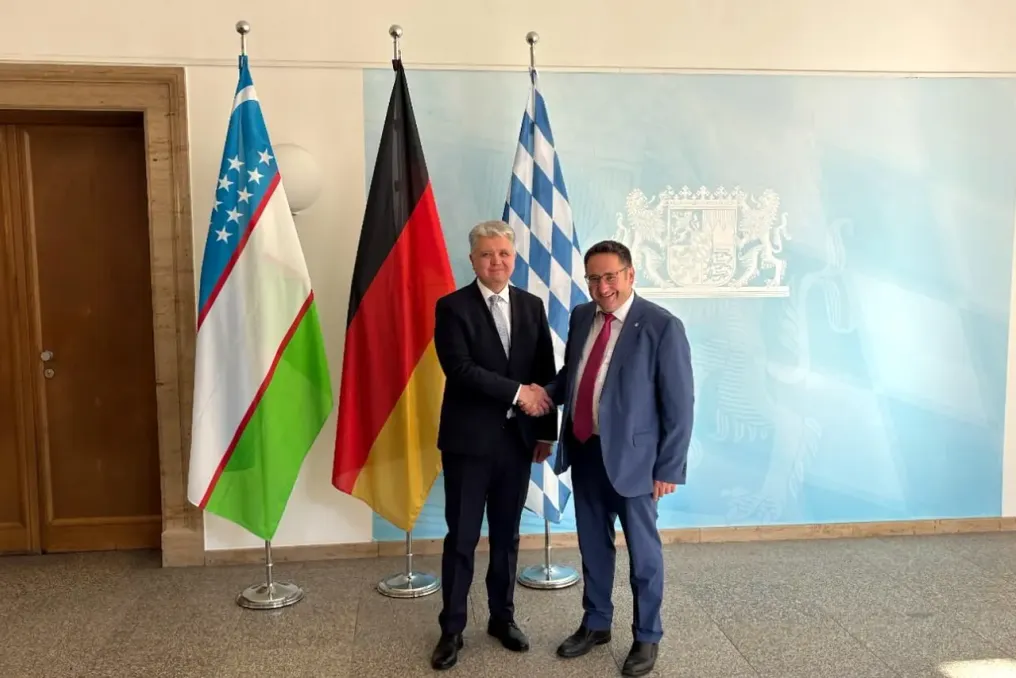
In a meeting with Tobias Gotthard, State Secretary of the Ministry of Economy, Regional Development, and Energy of Bavaria, the parties examined ways to increase trade turnover, attract capital investments, and strengthen business contacts between companies from Uzbekistan and Bavaria. Special attention was paid to training qualified personnel and employment opportunities for Uzbek specialists in Bavaria.

Participants also discussed the potential for joint projects in areas such as information technology, green economy, energy, transport, logistics, construction, textile industry, pharmaceuticals, and mechanical engineering.

The program 'Bayern – Fit for Partnership', funded by the Bavarian Ministry of Economy, was also addressed. This program allows foreign specialists and company executives to familiarize themselves with technologies used by German businesses, improve their professional skills, and establish business connections. The parties studied the possibility of organizing sectoral delegations and experience exchange within this program.

Following the negotiations, the parties agreed to consider organizing business forums in partnership with the Chambers of Commerce of Nuremberg and Regensburg. These events are expected to focus on business cooperation, engineering, vocational training, and new projects in the field of vocational education.

During a separate meeting with Gunnar Wigand, director at the ministerial level of the Bavarian Ministry of the Interior, Sport, and Integration, issues of exchange between relevant state agencies, professional development of specialists, and security cooperation were discussed. Furthermore, the parties considered traffic management issues and the possibility of friendly matches between youth football teams from Uzbekistan and Bavaria.

The Ambassador also held talks with representatives of the German hotel group Motel One GmbH: Lukas Prinz, responsible for finance and investments, and Astrid Schaffleitner, responsible for company development. Prospects for Motel One entering the Uzbek market, potential investment projects, and staff training for the hotel and service sectors were discussed. The parties also considered opportunities for employing Uzbek specialists in the group's hotels in Germany. An agreement was reached to hold online meetings and organize mutual visits to further promote these initiatives.

The visit aimed to strengthen interregional ties between Uzbekistan and Bavaria, as well as to promote practical projects in economic, educational, and humanitarian spheres.
Uzbekistan and Indonesia Discuss Expanding Trade and Joint Investment Projects
Read more
uzdaily.uz

Uzbekistan and Indonesia Discuss Expanding Trade and Joint Investment Projects

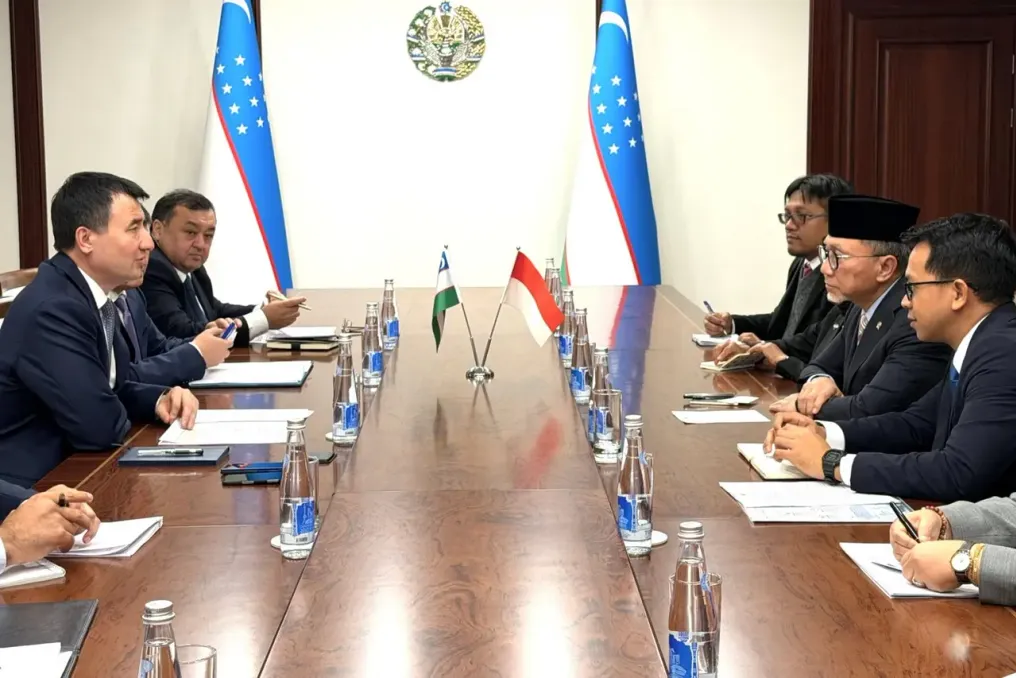
Uzbekistan and Indonesia are exploring opportunities to increase bilateral trade and implement joint investment projects, particularly in the field of agricultural product processing. These issues were discussed by Deputy Prime Minister of Uzbekistan Jamshid Khodjayev and Indonesian Food Affairs Coordinator Zulkyifli Hasan.

In 2025, bilateral trade reached over 150 million US dollars, showing an 82% growth. Khodjayev noted that further increasing this volume is possible by expanding the range of traded goods and increasing the participation of companies from both countries in joint ventures.

One of the central points was improving access for Uzbek fruit and vegetable products to the Indonesian market. The parties discussed the need to accelerate phytosanitary procedures required for exporting fruits and vegetables, and they prepared for negotiations on concluding a free trade agreement.

In the field of investment, the combination of Uzbekistan's agrarian potential with the production experience of Indonesian business was considered. Among the proposed initiatives are the establishment of a confectionery plant and the construction of a grain terminal for wheat storage and processing.

These projects are designed to increase the domestic processing of agricultural raw materials and expand the export of finished products, including supplies to third countries. To strengthen cooperation, Uzbekistan proposed resuming the work of the Intergovernmental Commission and organizing a joint business forum.

Jamshid Khodjayev emphasized that direct contacts between entrepreneurs, predictable business conditions, and practical support for investment projects are critically important for advancing joint endeavors.

Uzbekistan and Germany plan to expand cooperation in the agricultural sector
Read more
uzdaily.uz

Uzbekistan and Germany plan to expand cooperation in the agricultural sector

Uzbekistan and Germany intend to deepen their partnership in the agricultural industry by focusing efforts on professional training, scientific research, the implementation of modern technologies, and support for farms.

Discussions on the prospects for bilateral interaction took place during a meeting between Uzbekistan's Minister of Agriculture, Ibrohim Abdurakhmonov, and a German delegation led by German Ambassador Matthias Follerth, as well as Martin Englardt-Kopf, Parliamentary State Secretary of the German Federal Ministry of Food, Agriculture and Regional Identity.

According to data presented at the meeting, the volume of bilateral trade in agricultural and food products reached 61.3 million US dollars from January to September 2026.

The countries also noted the existing memorandum of cooperation in veterinary medicine and animal husbandry, signed on September 15, 2024, as a basis for further joint development.

One of the initiatives discussed was the possible establishment of a German agricultural center at the National Center for Knowledge and Agricultural Innovation in Uzbekistan (AKIS). This center is intended to promote cooperation in the fields of agrarian knowledge, innovation, and the application of advanced agricultural practices.

The parties also considered the possibility of developing financial programs for farmers using German experience in agricultural lending, as well as improving the management of agricultural cooperatives. Furthermore, it was proposed to create a regional platform for exchanging agricultural technologies between Central Asian countries.

In terms of agricultural education and practical training, the project of creating a modern educational and demonstration center in cooperation with the University of Applied Sciences Weinstadt-Triesdorf was discussed. The proposed site will include infrastructure for housing 200 head of livestock and an experimental field of 50 hectares. The goal of this project is to combine the educational process with practical training and the application of modern agrotechnologies.

Scientific cooperation also became a key area of discussion. The parties considered conducting joint research with the Julius Kühn Institute of Germany on maintaining soil fertility in rice fields and improving the cultivation technologies for cover crops. Potential interaction with the University of Hohenheim regarding water-saving and digital agricultural technologies for growing fine-spun cotton was also discussed.

These steps will allow for the expansion of interaction between Uzbek and German agricultural institutions in the fields of research, education, and the practical use of agricultural technologies. At the conclusion of the negotiations, the parties agreed to continue working on the stated areas, develop the proposed initiatives, and increase joint agricultural projects.

Popular