UAE forecasts growth in foreign trade following record figures in the first half of 2026
Read more
Khaleej Times
www.khaleejtimes.com

UAE forecasts growth in foreign trade following record figures in the first half of 2026

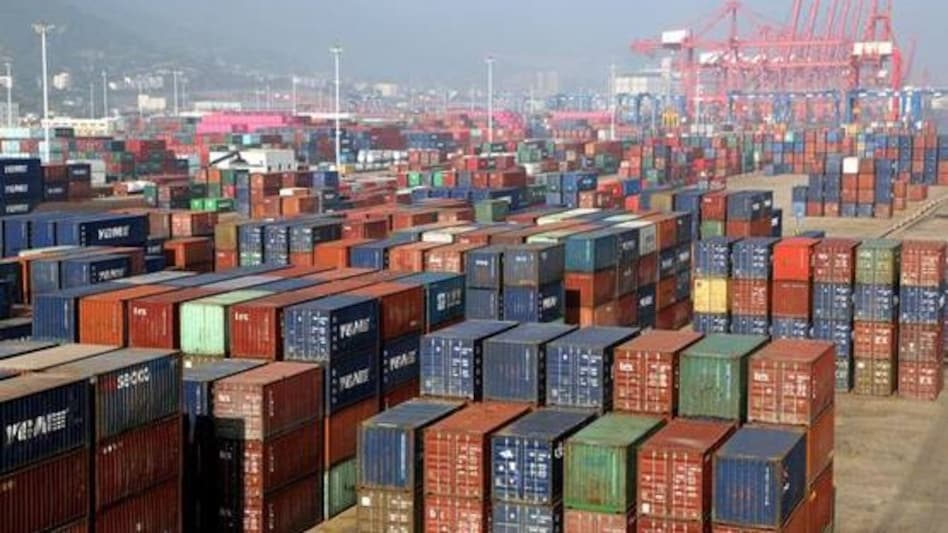
Despite regional difficulties, the United Arab Emirates (UAE) expects continued growth in its foreign trade this year, based on the record figures achieved in the first half of 2026.

In the first half of 2026 alone, non-oil foreign trade reached an all-time high of 1.937 trillion dirhams. Fahad Al Gharghavi, Deputy Secretary of the UAE Ministry of Foreign Affairs, stated that he expects to see 'greater growth this year.'

Despite challenges arising from the conflict in the region at the beginning of this year and persistent tensions, Al Gharghavi noted that figures still show 'double-digit growth over the first nine months.' In 2025, the country's non-oil foreign trade amounted to 3.8 trillion dirhams, with 1.1 trillion dirhams recorded in the last quarter.

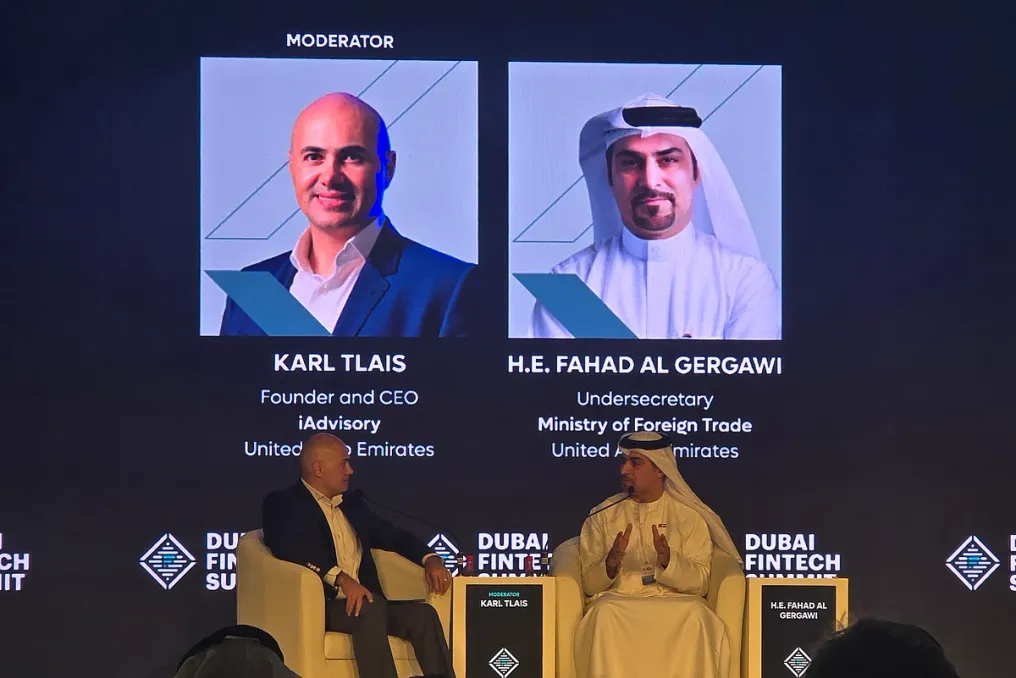
He emphasized that despite existing problems, the UAE has announced a robust strategy aimed at reducing dependence on the Strait of Hormuz. Al Gharghavi made this statement at the Dubai Fintech Summit.

The country has increased the use of alternative sea routes following disruptions in the Strait of Hormuz, utilizing its eastern coast for maritime transport, as well as the Etihad Rail network for freight. Furthermore, the construction of a 238-kilometer railway connecting Al Ain with the port of Sohar in Oman is planned, although trial operations are expected by the end of next year.

The Deputy Secretary added that the combination of these measures with the experience accumulated over the past 40–50 years in supply chain logistics guarantees the uninterrupted movement of goods and services. He concluded that difficult times contribute to the improvement of models for solving such situations.

The Dubai Fintech Summit 2026 is one of the largest fintech events in the region, organized by the Dubai International Financial Centre (DIFC) as a flagship event of the Dubai Future Finance Week. The event brought together global financial leaders, regulators, investors, bankers, and technological innovators to discuss artificial intelligence in finance, digital assets, payments, WealthTech, sustainable development, and the future of financial services.

Al Gharghavi also noted that the UAE is a significant player in the region and one of the global participants in developing foreign trade, ranking among the ten leading countries in the world for trade facilitation, and is the largest Arab trading nation.
Similar stories

Trade between Iran and Africa grew by 66% in nine months
Read more
www.tehrantimes.com

Trade between Iran and Africa grew by 66% in nine months

The Minister of Agriculture reported on the trend of increasing trade turnover between Iran and African states. According to customs exchange statistics, during the first nine months of the Iranian calendar year 1404 (the period from March 21 to December 21, 2025), the volume of trade between Iran and Africa reached approximately 940 million US dollars. This demonstrates an increase of 66% compared to the same period last year.

Speaking at the First National Council on Agricultural Cooperation between Iran and Africa, the minister noted that despite the significant growth, the current trade volume still falls far short of the potential of the vast African market, which has over a billion people. He emphasized that although the figure is small, the direction of movement is correct, and economic interaction between the parties requires expansion through careful planning.

Nouri Kazeljeh, commenting on the share of agricultural products in Iran-Africa trade, stated that about two-thirds of Iran's imports from Africa consist of food and agricultural products. Therefore, cooperation in this area should not be limited to unilateral trade; instead, it should develop towards creating joint value chains, mutual investments, and technology transfer.

The Minister of Agriculture also highlighted the priority of eliminating administrative obstacles and strengthening ties between responsible institutions. He added that for sustainable cooperation, economic actors require clear procedures, reliable logistics, practical payment mechanisms, insurance and investment coverage, as well as predictable regulation. In this regard, opportunities for bilateral agreements and regional mechanisms can be considered in the areas of tariffs and trade facilitation, with the participation of relevant bodies.

Nouri Kazeljeh, emphasizing the need for continuous monitoring of the elimination of administrative barriers, stressed that the problems of each project must be clearly defined and documented, a responsible party must be assigned to accompany them, and the progress of work must be evaluated within established deadlines.

At the beginning of the First National Council on Agricultural Cooperation, the minister particularly highlighted the opportunities for joint agricultural partnership with Africa that need to be transformed into concrete, actionable, and long-term economic ties. The council was attended by ambassadors, economic advisors, honorary consuls, executive body officials, economic associations, entrepreneurs, investors, and over 200 economic participants. The minister noted that such broad participation provided a valuable opportunity to translate the political will to expand Iran-Africa relations into concrete projects and strong economic partnerships.

Gasoline and diesel fuel prices announced in the UAE for November 2026
Read more
www.khaleejtimes.com

Gasoline and diesel fuel prices announced in the UAE for November 2026

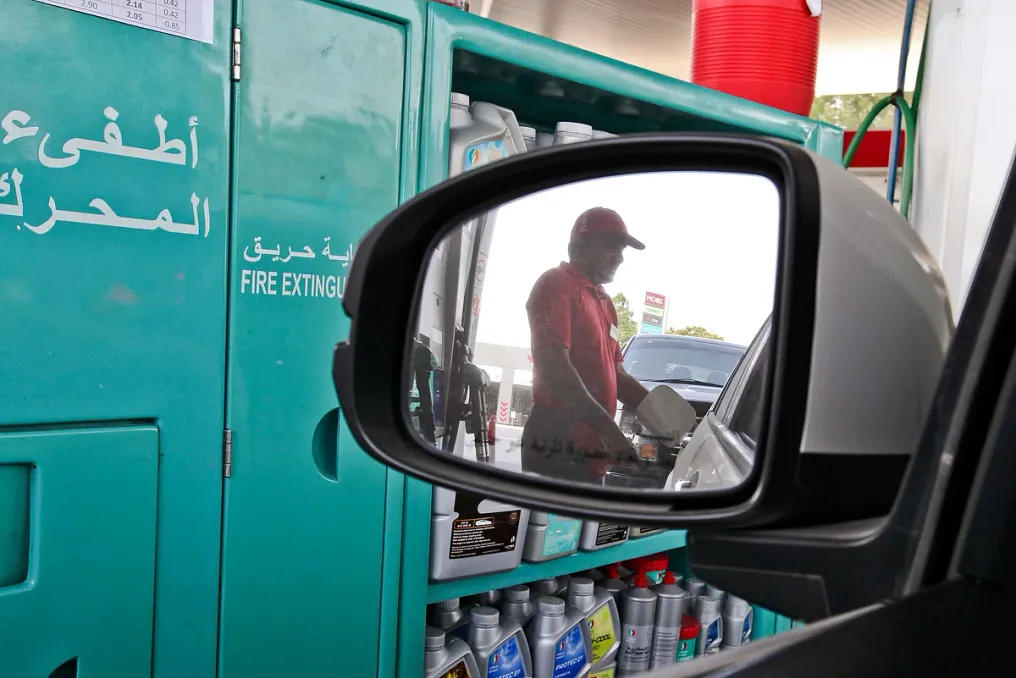
The United Arab Emirates (UAE) has published new fuel tariffs that will take effect on November 1, 2026. It should be noted that over the past three months, fuel prices have shown a consistent increase.

Previously, in July, there was a decrease in fuel prices in the UAE following four consecutive monthly increases, which was linked to the regional war. However, since the war in the Middle East began on February 28, retail fuel prices in the UAE have increased by more than 60 percent before falling in July and rising again from August.

According to the new rates, Super 98 gasoline will cost 4.16 dirhams per liter, compared to 4.40 dirhams in October. Special 95 gasoline will cost 4.04 dirhams per liter, while the current price was 4.28 dirhams. The price for E-Plus 91 gasoline is set at 3.97 dirhams per liter, which is lower than the previous rate of 4.21 dirhams.

As for diesel fuel, its cost will be 4.75 dirhams per liter, compared to 4.80 dirhams in October. Since fuel is a necessary and regular expense for most families, monthly changes in gasoline prices in the UAE directly affect household budgets, forcing drivers to allocate a large portion of their income to fuel even with small price increases.

Despite trade ban, Pakistan continues to import goods from India
Read more
www.aajtak.in

Despite trade ban, Pakistan continues to import goods from India

The situation in Pakistan demonstrates dependence on India, despite the official cessation of direct trade between the two countries. According to a report, imports from India to Pakistan significantly increased in the first quarter of the 2026-27 fiscal year.

Data from the Central Bank of Pakistan shows that during this period, Pakistan imported goods from India worth approximately 587.6 billion rupees (US$61.74 million), representing a 69% increase. Meanwhile, Pakistan did not export any goods to India.

This fact raises questions about how Indian products are entering Pakistan, given the freeze on trade relations between the two states.

Trade ties between India and Pakistan have long been under strain. Following the Pulwama attack in 2019, India revoked Pakistan's 'most favoured nation' status. Subsequently, after the terrorist attack in Pahalgam in 2025 and ensuing military actions, India completely closed the Wagah-Attari border and imposed a ban on all goods from Pakistan.

In response, Pakistan suspended all direct and indirect trade with India in May 2025. India has repeatedly stated that terrorism and trade cannot coexist.

According to experts and the Global Trade Research Initiative (GTRI) analytical center, there is high demand for Indian products in Pakistan, especially pharmaceuticals, pharmaceutical raw materials, chemicals, plastics, and agricultural equipment. To meet this demand, a so-called 'grey market strategy' is utilized, where third countries play a key role.

Goods shipped from India are not sent directly to Pakistan but are first delivered to ports in countries such as Dubai, Singapore, or Sri Lanka. At these transit hubs, cargo is placed in temporary storage warehouses, where documents and packaging labels are altered. The country of origin on the documents is changed from India to the UAE or another country. After this, the goods are sent to Pakistan under a new name, allowing them to bypass legal restrictions imposed by sanctions.

Despite the official ban, the influx of Indian goods into Pakistan proves that the basic needs of the Pakistani market, including vital medicines, remain largely dependent on Indian products.

Popular