Agricultural fairs and shows are more than just days with attractions, prize bulls, and machinery; they serve as sources of income, emergency shelters, and one of the last places where city dwellers and farming families meet. Leaders of these events must now tell this story better.
This idea became a central theme at the session of leaders of the Royal Agricultural Society of the Commonwealth (RASC) at the Commonwealth Agriculture Conference 2026, held in Cape Town on Monday, November 2.
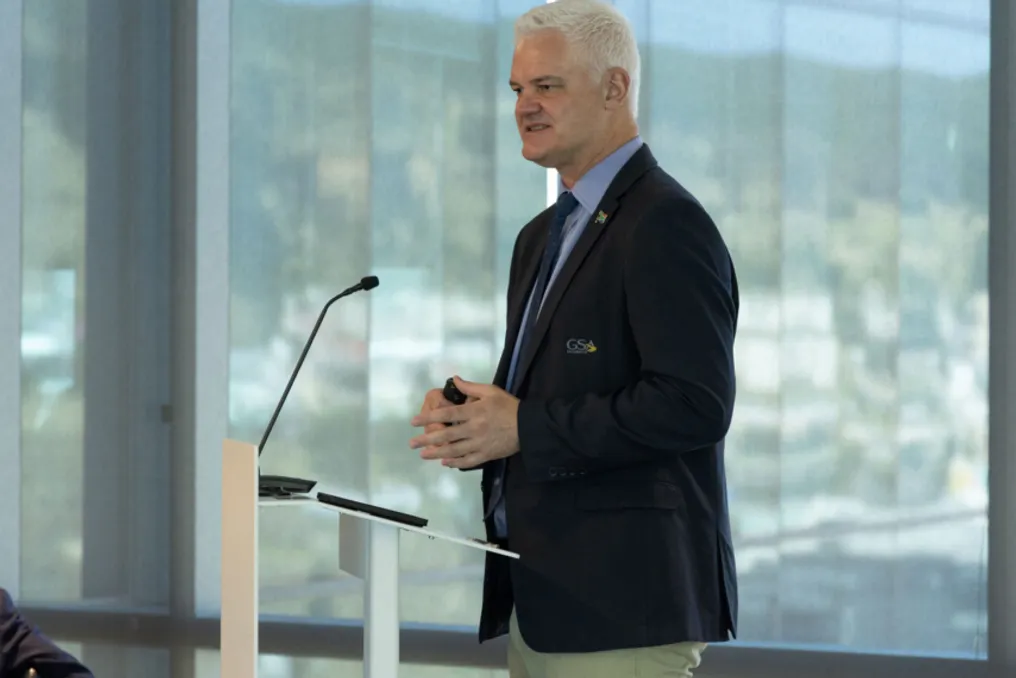
David Grindl, President and CEO of the International Association of Fairs and Exhibitions (IAFE), addressed the delegates, noting: 'As a wise man once told me, you don't want to meet your neighbor when your house is burning.'
The leaders' session opened the five-day conference, which will run until Thursday under the theme 'Opportunities for Change in an Interconnected World—From South Africa to the World.'
Participants came from the UK, Australia, Canada, the USA, and all over South Africa.
RASC Honorary Secretary Christopher Riddell, former secretary and CEO of the Royal Cornwall Agricultural Society, set the tone for the event. He reminded exhibition organizers that regardless of the country, they face common challenges: attracting youth and future leaders, ensuring financial sustainability, and adopting new technologies.
Riddell emphasized that the success of an exhibition is measured not only by visitor numbers and ticket sales but also by the people it inspires and the partnerships it creates. He stated: 'Connection is the beginning. Opportunity is the chance to learn from each other.'
In the opening session, Grain SA CEO, Dr. Tobias Doier, discussed the topic 'The Changing Face of Global Agriculture—What Does It Mean for Agricultural Societies, Exhibitions, and Fairs?'. He examined the changing dynamics of global farming and the need for agricultural societies, exhibitions, and expos to evolve to meet these changes.
Doier started with humor, informing the gathered leaders that he was not there to give advice. Instead, he hoped to spark 'new ideas and interesting concepts' to stimulate discussion. Grain SA represents about 8000 commercial members and nearly 6000 developing farmers. Referring to economist Vandile Sichlobo's book 'The Country of Two Types of Farming,' Doier highlighted the organization's responsibility to bridge this gap and unite both groups.
Grain SA also hosts the Nampo Harvest Day. Despite its name, it lasts four days and gathers farmers, suppliers, and the entire industry around machinery and technology. The organization stated after the session: 'The future of agriculture depends on our ability to adapt, cooperate, and grow together,' noting that platforms like Nampo create opportunities for interaction, strengthen industry partnerships, and connect producers across the value chain.
Grindl demonstrated how data can turn politicians into advocates for agricultural exhibitions. He explained that the American carnival industry, which supplies attractions to many fairs, requires approximately 10,000 seasonal H-2B worker visas annually, many of which are filled by South Africans. For many years, the industry received less than half of what was needed. The situation only changed when an economic impact study showed that the fair industry supports about 400,000 jobs in the United States. 'That's what caught attention,' said Grindl.
However, numbers alone are not enough to convince everyone. A study on the impact of fairs on communities in the US and Canada showed that 80% of communities with an agricultural fair rely on it as a primary platform for fundraising for other local groups, from youth sports clubs to knitting circles. Grindl noted: 'Numbers tell a story, but when we can make it personal, we start to understand the essence.'
He pointed out that while the average American fair lasts about six days, the fairgrounds are used in some capacity 365 days a year, including use as a shelter during hurricanes and wildfires. A few weeks before the opening of the Spokane Interstate Fair in Washington this year, he reported that its grounds had become a tent city for thousands of firefighters and a shelter for hundreds of evacuated animals.
He urged exhibition leaders to proudly share these images alongside photos of rides and winners. Relationships with local communities must be built even before a crisis hits. Grindl concluded: 'We must express our values to our neighbors long before someone wants to build condominiums in the middle of your fairgrounds.'
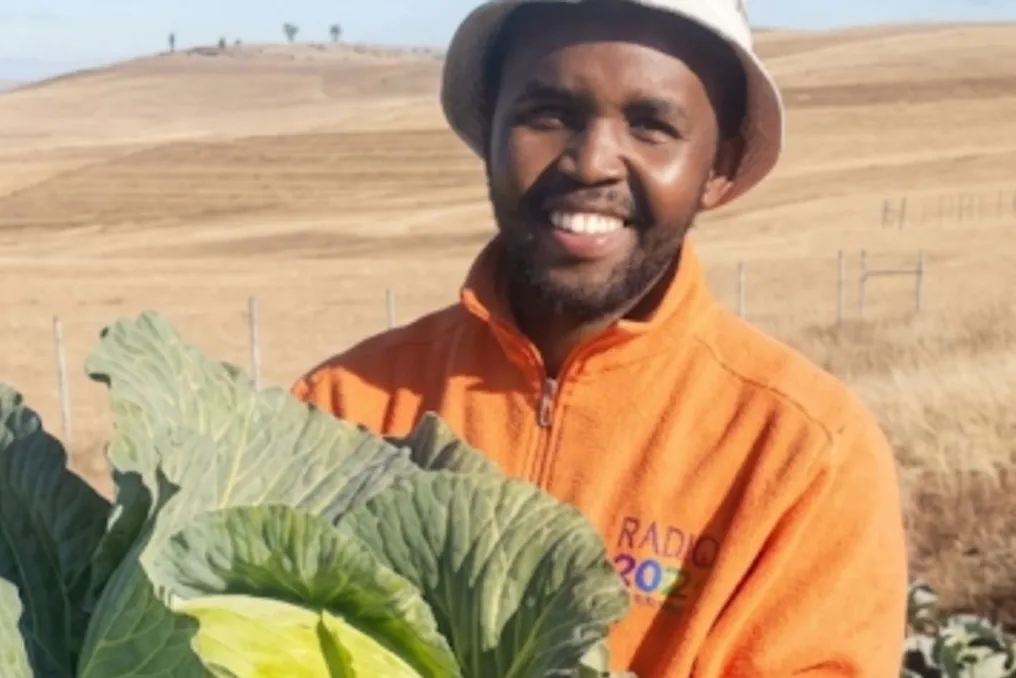
During the final morning session, moderated by Calgary Stampede CEO Joel Cowley, co-founder of Food For Mzansi, Ivory Price discussed how exhibitions shape public perception of food and farming. Citing surveys from Ireland, Canada, and Australia, Price argued that the gap between farmers and the public is a global issue, and exhibition grounds sit right in the middle of that gap.
He stated: 'You are not just hosting events. You are managing one of the last great bridges between the people who grow our food and the people who eat it.' He strongly urged organizers to critically examine their shows: who is on stage, who receives ribbons, who appears in photos, and who can afford to enter. In South Africa, in his view, 'the question of who farms is also a question of who belongs.'
Price proposed three areas for change: putting farmers, not machinery, at the center of the exhibition; sustaining the story throughout the year, not just for a few days; and giving the microphone to the farmers themselves. He stressed: 'The most trusted voice in agriculture is not the organizer. It is not the sponsor. It is the farmer speaking in their own language on their own channels.'
Expanding on Grindl's call to improve impact data, he suggested adding one question to weekend surveys: 'Name one farmer you met today.' The leaders' session continued with a panel discussion on what the agricultural exhibition of 2050 might look like, as well as a case study of the hybrid broadcasting model of the Royal Welsh Show. The RASC conference will conclude on Thursday.