Lumpy Skin Disease is a serious problem for livestock farmers as it is a viral disease affecting cows and buffaloes. Symptoms in the animals include high temperature and the appearance of nodules on the body. If the disease is not recognized and proper care is not provided in a timely manner, the animal may weaken, its milk productivity may decrease, and in severe cases, additional complications may arise. Therefore, it is crucial for livestock farmers to know how to detect early signs of the disease and apply protective measures.
Lumpy Skin Disease is a viral infection that primarily affects animals such as cows and buffaloes. It is caused by the Capripoxvirus. The infection spreads mainly through insects such as mosquitoes, flies, ticks, and other blood-sucking arthropods. Additionally, there is a risk of infection through contact with sick animals, their equipment, and contaminated environments.
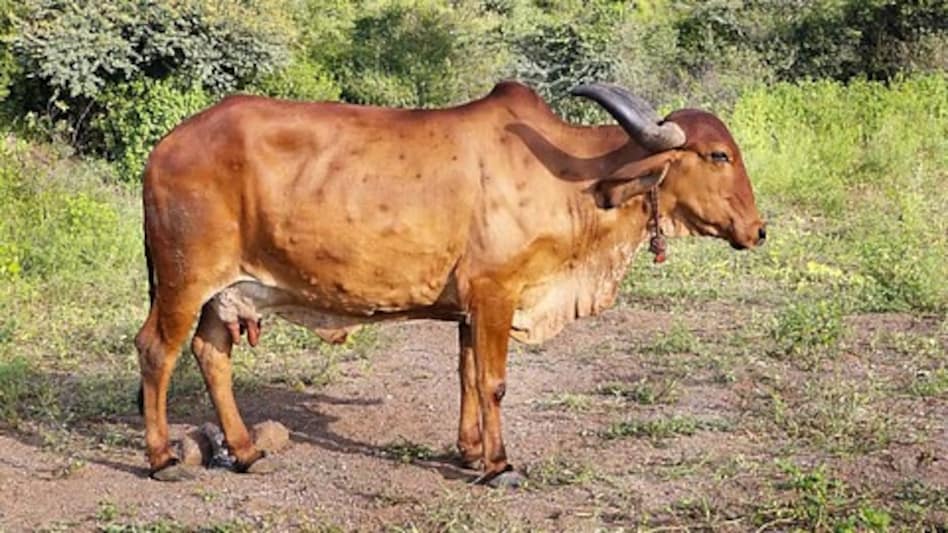
Initially, the animal may develop a high fever. Then, nodules of varying size and density begin to appear on the body, neck, head, and limbs. In addition, animals may exhibit the following signs: in some individuals, wounds may form around the nodules. The disease negatively affects the animal's health, its ability to produce milk, and its reproductive functions. Weak, young, or already sick animals are particularly vulnerable.
If a cow or buffalo shows signs such as increased temperature, the appearance of nodules, or other symptoms of the disease, the farmer must immediately consult the nearest state veterinary clinic or veterinarian. Since there is no specific antiviral treatment for Lumpy Skin Disease, veterinarians treat based on the animal's condition, including fighting fever, pain, wounds, and infections. Therefore, consultation with a specialist is necessary instead of using home remedies or self-medication.
The most important way to protect against Lumpy Skin Disease is vaccination. Livestock farmers should vaccinate their healthy animals according to the schedule and after consulting a veterinarian. In addition, several precautions must be observed:
- Vaccination: It is necessary to find out about government vaccination campaigns being conducted in the region and vaccinate suitable healthy animals on time.
- Insect Protection: It is necessary to prevent insect breeding in livestock premises. Water accumulation must be eliminated, and safe pest control methods should be applied as needed.
- Hygiene Maintenance: Regular cleaning of livestock premises, floors, utensils, and the surrounding area is required.
- Isolation of New Animals: Animals acquired from outside should be kept separately from others for observation for some time. They can only be introduced into the herd after approval from a veterinarian.
- Limiting Animal Movement: In case of disease spread, transporting animals to other villages or markets should be avoided. Local administration and veterinary department recommendations must be followed.
- Daily Monitoring: One must carefully monitor food and water intake, milk production, and the presence of nodules or swelling on the animal's body.
Government Vaccination and Awareness Campaigns
The central government, together with state governments, is taking steps to control the disease, including vaccination, monitoring, and containment measures. The Department of Animal Husbandry and Dairy Farming recommended that states take measures in affected areas, such as isolating sick animals, controlling livestock movement, and combating mosquitoes and flies. Groups have been created at the district and block levels for monitoring and rapid response to accelerate vaccination. Guidelines have also been issued to raise livestock farmers' awareness about symptoms, prevention methods, and treatment.
According to an update from the Central Government dated September 8, 2026, over 361.8 million animals in the country have been vaccinated to protect against Lumpy Skin Disease. The government strongly recommended that states pay special attention to vaccinating young animals and calves. The most important thing for livestock farmers is not to wait for symptoms to appear; timely vaccination, maintaining cleanliness, insect control, and isolating sick animals reduce the risk of infection.