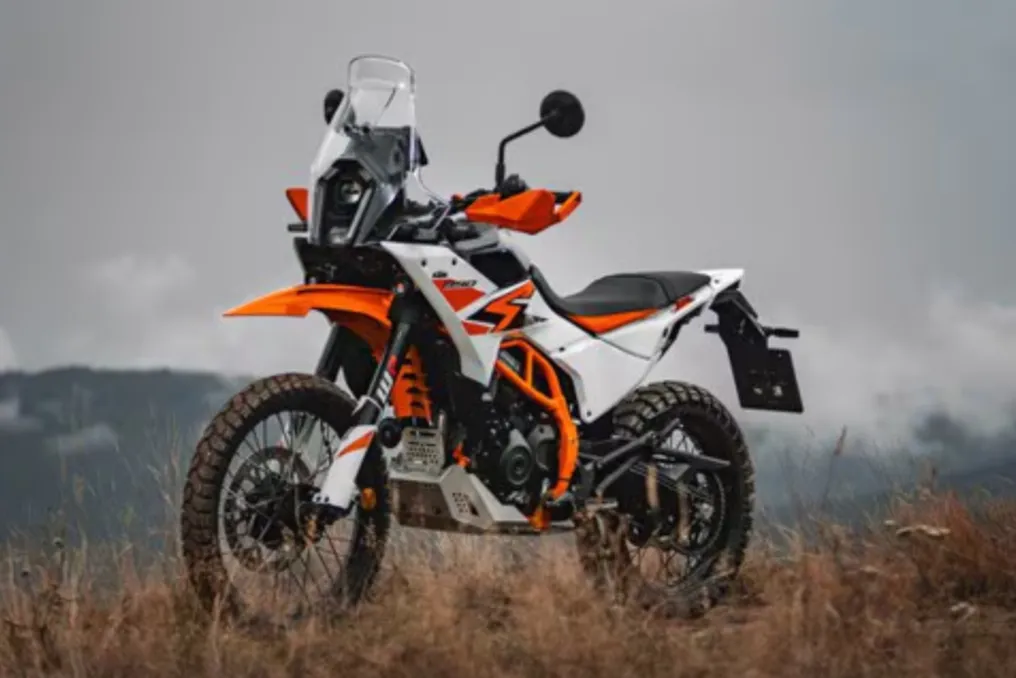
KTM announces maintenance plan with fixed prices for 390 Adventure R and X models
Read more
AutoPapo
autopapo.com.br

KTM announces maintenance plan with fixed prices for 390 Adventure R and X models

After opening its factory in Manaus and during the first year under the administration of Bajaj do Brasil, KTM has announced a maintenance scheme with predefined costs for the 390 Adventure R and 390 Adventure X models, which recently arrived in stores. The objective of this initiative is to offer the consumer a totalized value for scheduled maintenance even before they visit the dealership.

The values stipulated this week cover labor, original parts, lubricants, taxes, and all other materials foreseen in each service, ensuring that there will be no additional charges for items included in the review.

Although there is a price difference between the two versions—the 390 Adventure X costs R$ 33,990 and the 390 Adventure R, R$ 37,990—the maintenance table is identical for both, since the models share the same mechanical base and differ in details that do not impact engine servicing.

The maintenance schedule begins at 1,000 km or after three months of use. Subsequently, the intervals become 10,000 km or 12 months, whichever comes first. In total, the six visits to the dealership amount to R$ 6,740, which is equivalent to approximately R$ 0.13 per kilometer driven, or about 20% of the cost of the X version. The most expensive services are the third and fifth, as they concentrate the most complex inspections and replacements in the plan.

Components subject to variation depend on mileage and time of use and may include oil and oil filter, air filter, spark plug, brake fluid, drain plug washer, as well as chain checks and lubrication, specific phase inspections, and software updates when necessary.

An important point not highlighted in KTM's official statement is that this plan is valid for services performed until December 31, 2026, and the applied prices will be those in effect on the date of the service. After this period, the values are subject to readjustment.

In practice, the buyer who acquires the motorcycle at this time has certainty of the price only for the first review and, at most, for the second, if they travel 10,000 km in two months. For reviews from the second to the fifth, the table serves more as an estimate of the cost of ownership than as a fixed price. Items such as tires, brake pads and discs, transmission, clutch, and battery are not included in the fixed values, unless the specific review determines their replacement. Services such as washing, transportation, and others are also excluded.

Motorcycles used in extreme conditions may require shorter intervals, extra inspections, or early replacements, as indicated in the owner's manual, and such needs are not covered by the disclosed prices. If the dealership identifies additional repairs, it must provide a detailed quote beforehand and only proceed with the service upon customer authorization.

Both trail motorcycles have four years of factory warranty, provided that the maintenance plan is followed at an authorized dealership. This period exceeds the industry average but ties the owner to the KTM network, which is still expanding in the country, with the brand itself emphasizing the strengthening of dealerships as a priority in this new phase with Bajaj.
Similar stories

Reclamation of abandoned mines in South Africa could cost 51.5 billion rand
Read more
iol.co.za

Reclamation of abandoned mines in South Africa could cost 51.5 billion rand

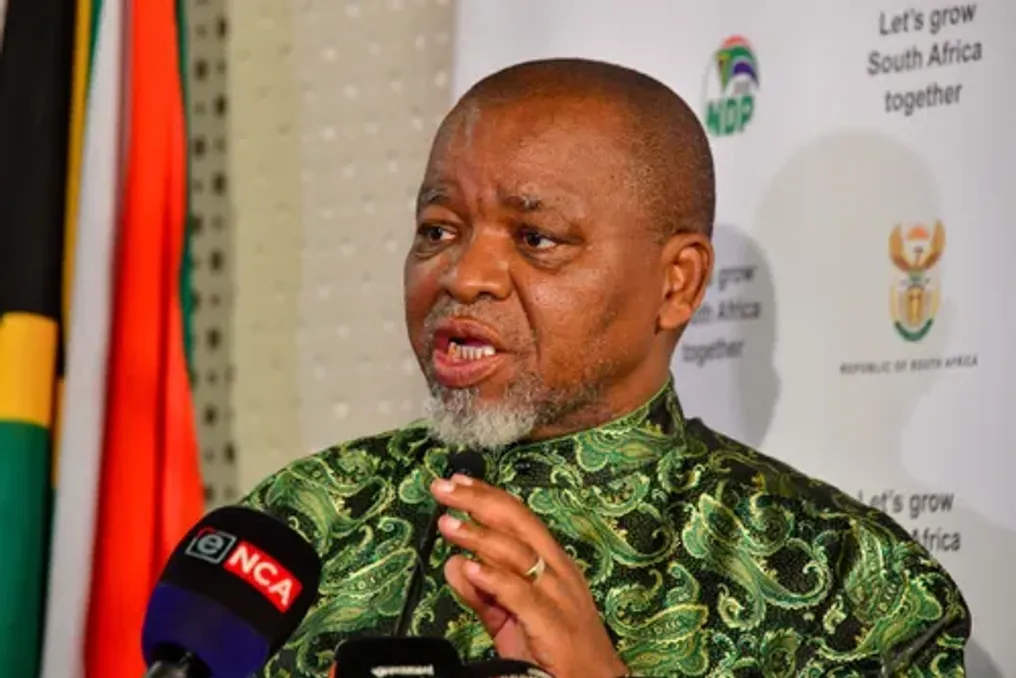
Minister of Mineral Resources and Energy Gweed Mantshe stated that the restoration of abandoned and dilapidated mines across South Africa could require over 51.5 billion rand.

Mantshe made this statement in a written response to Parliament on an inquiry by uMkhonto weSizwe (MK) MP Mzvanele Manyi, who inquired about the total costs of reclaiming abandoned mines and the amount of funds received from mining companies to cover these expenses.

Estimated reclamation costs of 51.5 billion rand

According to a report prepared by the Department in 2024, the total financial value of non-operational and derelict mine sites was estimated at 51,512,128,780 rand. The same report determined the cost of closing all such sites to be approximately 51.5 billion rand, with reclamation costs for priority areas amounting to 8.57 billion rand.

Mantshe clarified that the Department prioritizes sites based on risk assessment, and the cost of each reclamation project is determined after completing technical evaluations and defining the scope of work. He also added that the timeline for the work depends on future budgetary allocations from the National Treasury.

Lack of consolidated data on received funds

The Minister emphasized that there is no consolidated information on funds received from mining companies specifically for the reclamation of abandoned and derelict mines. He explained that by definition, these mine sites have no legally or identifiable responsible owner from whom reclamation costs could easily be recovered, as there was no legislative obligation to conduct such reclamation before the Minerals Act of 1991 was enacted.

The issue of abandoned mines has drawn public attention following tragic incidents at unused sites. Earlier this year, the South African Federation of Labour (SAFTU) reported the deaths of at least 14 miners after the collapse of an abandoned mine in Nkanganang, near Rustenburg in the North West Province. SAFTU noted that this disaster demonstrated the danger posed by abandoned mines, warning that unsecured shafts put the lives of miners and residents of surrounding communities at risk. The union called on the government to accelerate the reclamation process, hold mining companies accountable if they can be identified, and investigate those financing and profiting from illegal mining.

Highway reconstruction in Kashkadarya region of Uzbekistan to cost $350 million
Read more
podrobno.uz

Highway reconstruction in Kashkadarya region of Uzbekistan to cost $350 million

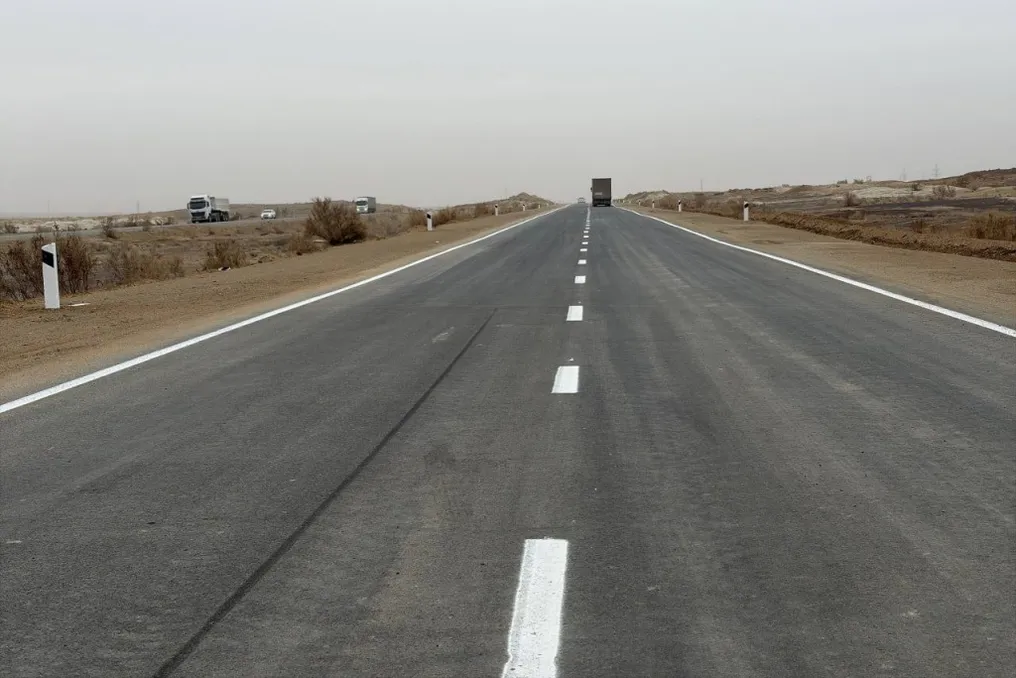
The reconstruction of a 100-kilometer section of the A-380 highway, which passes through the region, is planned for the Kashkadarya region. Three hundred and fifty million dollars have been allocated for the implementation of this project.

Details of Works and Infrastructure Projects

According to information presented at the head of state's meeting on regional development, the work will be carried out in cooperation with the Asian Development Bank. Additionally, the Karshi bypass road will be extended by 5.5 kilometers and integrated with the main highway. The responsible person was instructed to finalize the technical and economic justification this year and begin construction in January.

The problem of major congestion at railway crossings on the roads of Karshi—Pomuk and Guzar—Bainau, which occurs during train movement, was also noted. To solve this problem, the construction of two modern overpasses is planned, estimated to cost 250 billion soums.

Water Supply Issues for the Population

The President raised the issue of providing drinking water to the population. It was announced that within the allocation of 1 trillion soums this year, it was ordered to complete the construction of 747 kilometers of water supply and sewage networks, as well as 43 facilities, within two months. This will provide clean drinking water to 200 thousand residents.

For the project to lay networks from the Ghissarak reservoir to the Karshi, Kamashinsky, Guzar, and Karshi districts, 100 billion soums have been allocated, with an additional 210 million dollars planned to be attracted. This project will provide water to 350 thousand people.

Furthermore, the 'Talimardjan—Mubarek' system will be modernized to improve water supply for another 700 thousand residents in Nishan, Kasbi, Mirishkor, Mubarek, and Karshi districts. The technical and economic justification for this project must be completed before April 1, and 150 million dollars are planned to be attracted for it.

Regional Development Prospects

At the meeting, Shavkat Mirziyoyev emphasized that Kashkadarya has the potential to become one of the leading regions in the country within one or two years. In the President's opinion, to achieve this goal, district heads and banks must create conditions that promote knowledge development, provide employment opportunities, and support initiatives.

>

Popular