Sachin Tendulkar becomes strategic investor and ambassador for Metasports Interactive
Read more
YourStory [india, en]
yourstory.com

Sachin Tendulkar becomes strategic investor and ambassador for Metasports Interactive

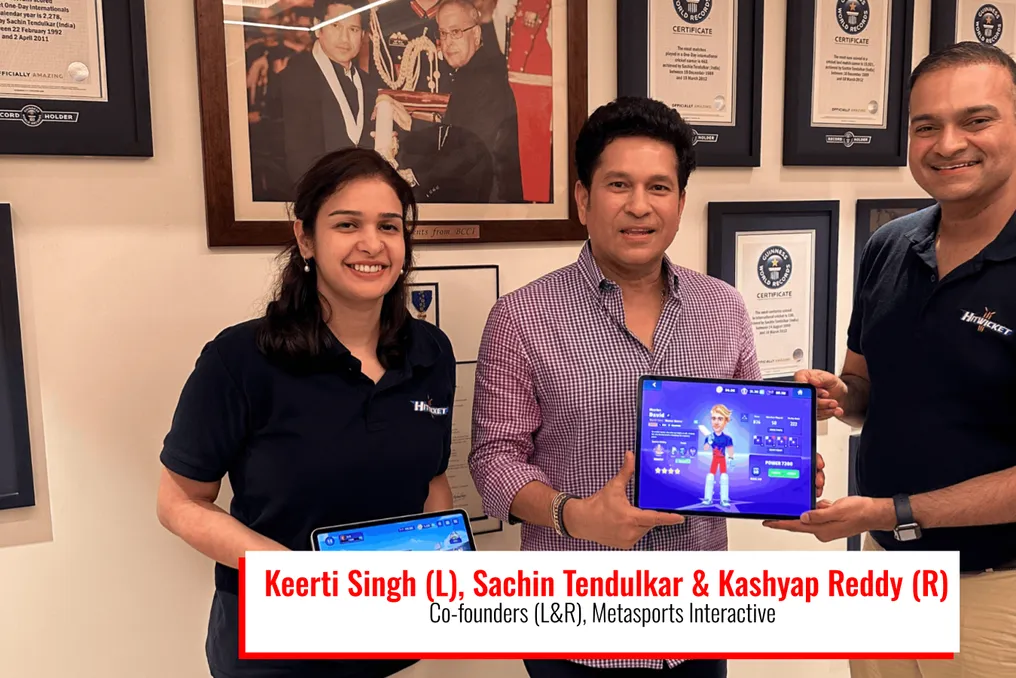
Metasports Interactive, a Hyderabad-based company that develops the cricket strategy game Hitwicket, has brought in cricket legend Sachin Tendulkar as a strategic investor. Furthermore, he will serve as an ambassador for the game.

The financial terms of the deal and the company's valuation remain confidential. Existing investors include venture funds Prime Venture Partners and Horizon Ventures from Singapore, as well as cricket commentator Harsha Bhogle.

This collaboration differs from the $20 million funding round Metasports received from London-based Metica in April. This earlier, non-dilutive capital was intended for marketing and international expansion without giving up equity.

Metasports has not specified how Tendulkar's investment capital will be used. The company aims to achieve 100 million game downloads within three years. The company claims that Hitwicket has over 20 million users in 120 countries, revenue doubled in the six months leading up to the announcement, and players spend an average of 51 minutes in the game daily.

According to the company itself, over 97% of revenue is generated through in-app purchases, i.e., optional items bought in the game. Metasports' broader goal is to create franchises of mobile sports games outside of cricket.

Hitwicket is a multiplayer strategy game where tactical decisions carry more weight than reflexes. Players manage a virtual team and determine the approach to each ball.

Tendulkar noted that the game reflects the strategic thinking of cricket, explaining that 'cricket has always required the ability to read the bowler, assess the field, and make the right decision for every ball.' He will also appear in the game and related content.

A company representative mentioned that Tendulkar's knowledge of cricket will help the team better understand the decisions of elite players and improve the gameplay.

The Indian gaming market offers a significant audience, but turning it into a globally competitive business and original intellectual property remains a complex task. The India Game Developers Association estimates that there were 511 million players in the country in 2025, and video game revenue reached $1.04 billion.

Recent funding deals demonstrate investor interest across all genres. Spill Games from Bengaluru raised $10.5 million in October led by Elevation Capital, while social gaming platform Matiks raised $10 million with General Catalyst participating. Cricket-focused LightFury Games also secured $11 million from investors, including Blume Ventures, V3 Ventures, MIXI, and Times Internet.

The legislative framework is also changing. The Online Gaming Promotion and Regulation Act of 2025 and its rules, effective May 1, 2026, prohibit online gambling while creating a foundation for esports and online social games, with requirements for user safety and dispute resolution. Classification takes into account factors such as betting, expected monetary winnings, and the possibility of converting in-game rewards.

Similar stories

Meta introduces Meta Business Agent to transform WhatsApp into a 24/7 storefront for D2C brands
Read more
yourstory.com

Meta introduces Meta Business Agent to transform WhatsApp into a 24/7 storefront for D2C brands

When a customer views a brand's page on Instagram late in the evening, they might have questions about the product, need help choosing, or want to know delivery times. If the company cannot respond immediately, this moment of interest can turn into a lost sale.

For direct-to-consumer (D2C) brands, the problem is not only attracting customers but also ensuring availability when they are ready to engage. Meta intends to solve this challenge using AI-driven dialogues on WhatsApp, transforming the messenger into a storefront that operates outside standard business hours.

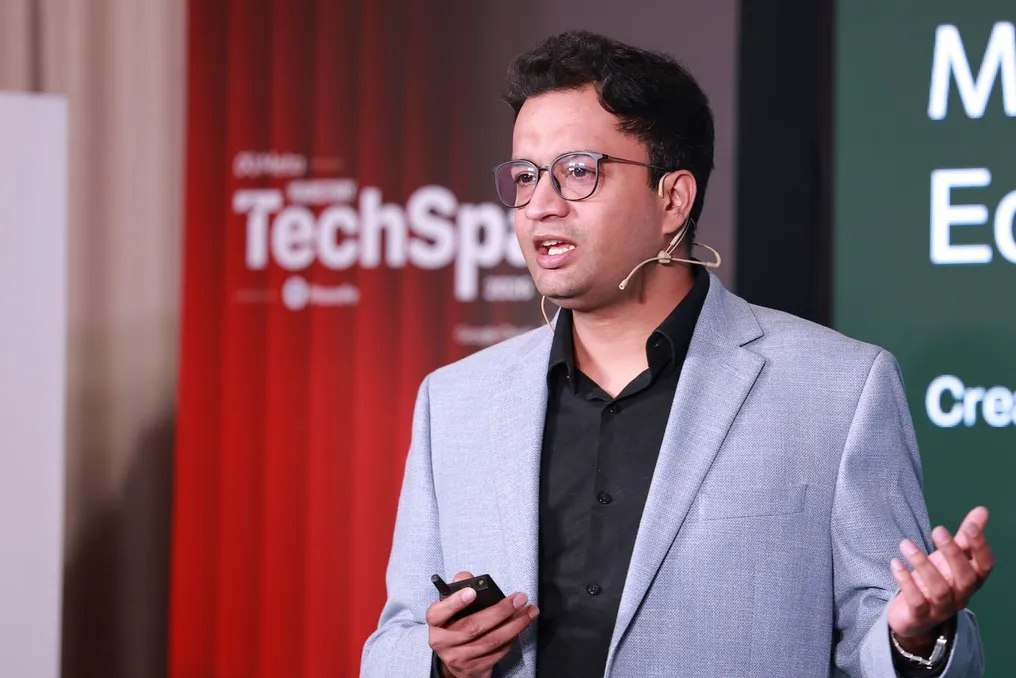
At the TechSparks 2026 event, Piyush Vaidya, Meta's specialist for corporate sales in India, introduced the Meta Business Agent. This tool is designed to assist businesses in answering customer inquiries, recommending products, and guiding shoppers throughout the entire purchase process.

The core idea is to consolidate product search, customer support, and commercial operations in one place, eliminating the need for customers to switch between different platforms. Retailers face several hurdles in the buying journey, including abandoned carts, limited personalization, product uncertainty, and customer support costs. Vaidya noted that Meta research has shown that 91% of users abandon a purchase after adding items to their cart.

The Meta Business Agent aims to reduce this friction by allowing customers to ask questions and browse products directly within WhatsApp chats. Businesses can integrate their product catalogs and provide instructions defining how the agent should respond. If more complex questions arise, the dialogue can be handed over to a live agent.

The agent is capable of maintaining conversation context, enabling companies to offer more relevant responses upon repeat contact from customers. Shoppers can resume interaction from where it was previously interrupted instead of repeating their requests.

The business retains full control over the agent's operation. It can define the tone of communication, set the topics the agent handles, and choose between manual responses, AI-generated suggestions, and fully automated reactions. This allows brands to implement automation while maintaining consistency with their customer communication style.

Meta is also working to help customers find companies directly through WhatsApp. Vaidya described various entry points, such as business contact cards shared in chats, calls-to-action in WhatsApp Status ads, and a search experience designed to facilitate finding businesses with AI support.

After starting a dialogue, companies can showcase catalog items, collect leads via forms, and schedule appointments. Piyush Vaidya reported that payments within WhatsApp are already available in India and Brazil, potentially allowing customers to complete most of the purchase journey without leaving the platform.

Businesses can also configure the agent for follow-up with shoppers who left an incomplete purchase, using reminders or current product updates to encourage return.

Piyush cited Prime Pix Accessories, a small business that reported a threefold increase in revenue after activating the Meta Business Agent, along with 30–40 daily orders and 24/7 service. The presentation did not provide further details on the period or methodology of the achieved growth.

Automation does not mean completely removing humans from customer support. Companies can test and refine the agent's responses before they are used by customers, set limitations on its capabilities, and escalate complex conversations to personnel. As Piyush Vaidya stated: 'You decide when the AI works and with whom it speaks.'

He specified that at the time of the presentation, one million businesses had already implemented the Meta Business Agent, with further adoption expected among large corporations and companies utilizing the WhatsApp business platform.

For D2C brands, the opportunity lies in making customer engagement less dependent on operating hours. If shoppers can find products, get answers, and move toward a purchase within a single dialogue, WhatsApp can become both a sales channel and a support level.

The key will be testing whether these AI-powered interactions can deliver the personalization and reliability that customers expect, thereby earning the trust necessary to turn conversations into long-term relationships.

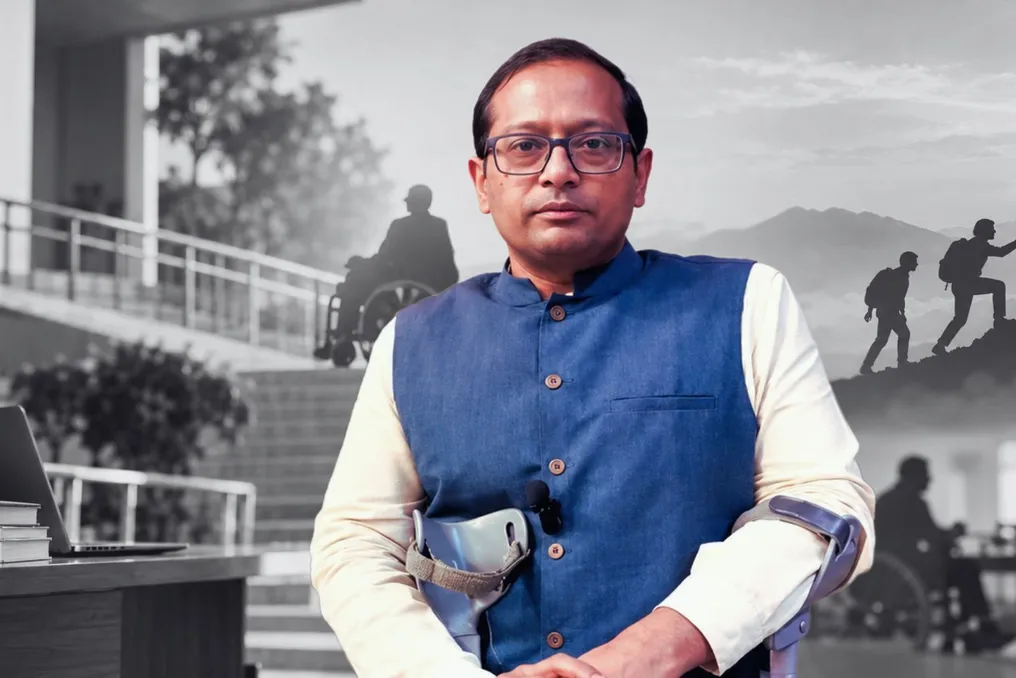
Mallikarjuna Ita supports 2000 disabled entrepreneurs after being advised to abandon science in school
Read more
yourstory.com

Mallikarjuna Ita supports 2000 disabled entrepreneurs after being advised to abandon science in school

Mallikarjuna Ita, the founder of IDEA and a national award recipient, has dedicated seven years to promoting the idea that people with disabilities should be viewed as job creators and entrepreneurs, rather than recipients of welfare. He personally faced limitations: in his eleventh grade, he was advised to drop science studies because, according to his advisors, his 88% mobility disability made science too complex, and art was considered more practical.

This advice haunted him in various forms over many years. Today, it is the impetus behind the founding of the Association of Inclusive Entrepreneurs with Disabilities (IDEA), which claims to have supported over 2000 disabled entrepreneurs across India.

His work has always been based on refusing to let others decide how far a person with a disability can go. The first hurdle was related to choosing science in school. Later, when Ita decided to pursue a Ph.D. in environmental sciences, he encountered similar doubts about whether a person with his condition could undertake this work. A third obstacle arose in the corporate sector, where he found that employment did not equate to consideration for leadership positions; people with disabilities might be hired, but rarely expected to lead.

These experiences pushed him toward a fundamental question: what changes if people with disabilities are seen not as beneficiaries, but as entrepreneurs, leaders, and creators of economic value? As an alumnus of Jawaharlal Nehru University, Ita built a long career in India's development sector. He also served as president of the Fair Trade Forum-India, a national network representing the World Fair Trade Organization in India and working with local artisans and farmers.

In 2017, when Delhi hosted the World Fair Trade Week and the XIV WFTO Biennial Conference, the forum was one of the organizers, and Ita was its president. Connecting marginalized producers to markets, rather than just providing aid, became a central element of his subsequent work.

Ita spent years studying the aspirations, barriers, and economic realities of people with disabilities before founding IDEA in 2019. The organization was created to accompany the entire entrepreneurial journey: from the initial idea to business management and growth. Its support includes entrepreneurship training, mentorship, employment, financial assistance, accessibility, and market access. The core idea is a conscious departure from the concept of welfare. Instead of asking what people with disabilities should receive, IDEA asks what they need to build their own ventures.

The numbers have steadily grown. When Ita received his national award in December 2024, IDEA was recognized for supporting over 1060 disabled entrepreneurs. By March 2025, the New Delhi-based non-profit reported supporting over 1500 entrepreneurs across 11 states, whose businesses collectively generated revenue of approximately 100 crore rupees. IDEA has now increased this figure to over 2000.

The organization has also helped people with disabilities find jobs. In May 2025, it was reported that thanks to its work, over 5000 people found employment. One such entrepreneur is Sonia. She was diagnosed with muscular dystrophy while studying BCom, resulting in 75% disability. She almost gave up fighting depression and isolation until she connected with IDEA. She now runs her own self-help group and manages a business that employs other women.

One of Ita's signature ideas is the Divyangjan Hunar Atmanirbhar Network (DHAN). It functions as a revolving fund. Entrepreneurs receive seed support to start their activities. Once their business succeeds, they contribute to the common pool, which then funds the next person. The support does not end with one beneficiary; it continues to circulate. For Ita, this model is the philosophy: empowerment persists when people can create value, make their own choices, and give back to the system that helped them.

DHAN has become IDEA's flagship program. By March 2025, it had supported over 1200 disabled entrepreneurs in 10 states through training, mentorship, financial aid, and market access. In the same month, many of them showcased their products at the Ability Expo, organized by IDEA as part of Purple Fest 2025 in New Delhi, which was inaugurated by President Droupadi Murmu. This model is also expanding through partnerships. With the Andhra Pradesh MedTech Zone (AMTZ) in Visakhapatnam, IDEA implements a program offering entrepreneurship training, seed funding, market linkages, and two years of support. AMTZ also purchases products created by supported entrepreneurs. The goal, according to Ita, is to help Divyangjan become 'active participants in society and the economy.'

Ita argues that credit and a business plan are not enough. A disabled entrepreneur also needs accessible transport, workplaces, buildings, digital systems, and markets. This thinking gave rise to the Sugamya Delhi Abhiyaan initiative. It emerged from a campaign in Dwarka launched on May 1, 2025, during which over 500 experts and volunteers inspected more than 70 buildings and public spaces for accessibility over 15 days. They examined government offices, schools, colleges, banks, bus stops, parks, and sidewalks. The city-wide campaign started on May 17, 2025, World Accessibility Awareness Day, at the office of the Chief Commissioner for Persons with Disabilities. Over 100 stakeholders pledged support. 'Accessibility must become a people's movement, not just a government initiative,' Ita stated at the launch.

As a result of this event, two tools were created: the 'Purple Building' certification scheme for accessible buildings, developed jointly by IDEA, AMTZ, and ICMR, and IDEA's own guidelines for events. He also brought a research approach to the problem, co-authoring academic papers on entrepreneurship among people with disabilities, including how uncertainty and technology shape their journey.

On December 3, 2024, on International Day of Persons with Disabilities, President Droupadi Murmu presented Ita with the National Award for Individual Excellence in the Sarvshresth Divyangjan category. The citation highlighted his work in empowering people with disabilities, inclusive growth, disability rights, and social entrepreneurship. This award is significant not only for him; it validates the argument he has been making for years: that inclusion of disability must mean opportunities, entrepreneurship, and economic participation, not just access to schemes.

Ita summarizes his approach in three words: 'Belief means seeing.' He believes that opportunity begins when society believes in a person's potential. His broader vision is for India, where people with disabilities do not just fit into existing systems but actively create businesses, hire employees, lead institutions, and shape policy. Future plans are even more ambitious: by 2027, IDEA aims to train 5000 disabled entrepreneurs, create 10000 jobs, and help their businesses achieve a cumulative turnover of 1500 crore rupees.
MiHoYo Team Releases GameScaling Models for Controlling Games with Keyboard and Mouse
Read more
technode.com

MiHoYo Team Releases GameScaling Models for Controlling Games with Keyboard and Mouse

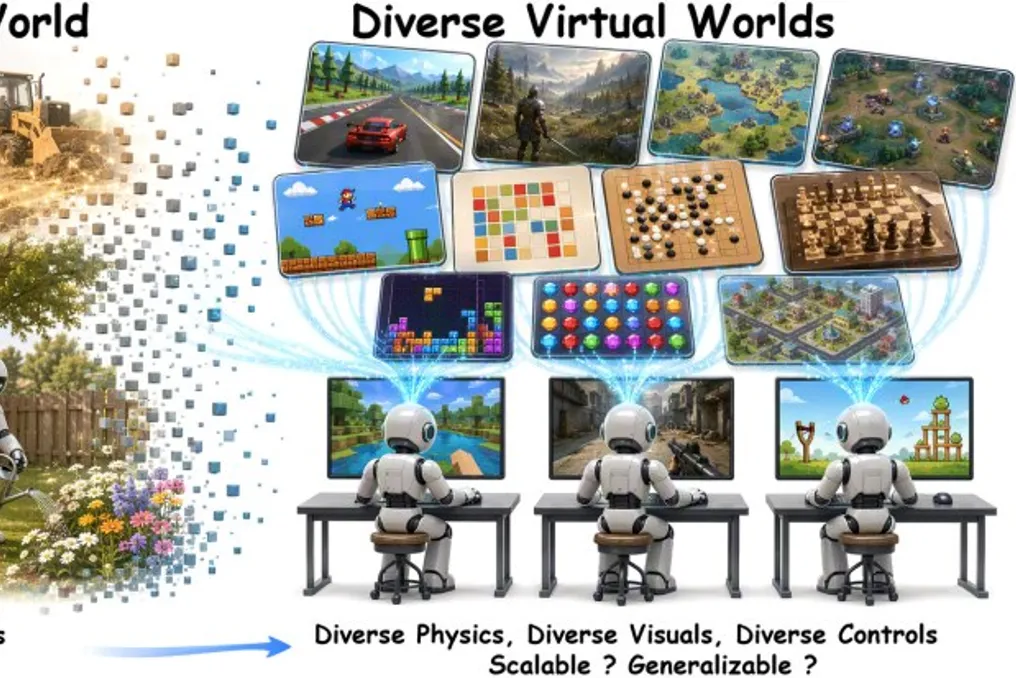
A research group, comprising artificial intelligence specialists from MiHoYo and partners from universities, has made the GameScaling models publicly available. These models are capable of playing video games by generating keyboard and mouse commands based on visual analysis of the ongoing action.

The released set includes eight checkpoints, with parameters ranging from 800 million to 27 billion. The models were created by continuing the pre-training of Qwen3.5 models, which are vision and language models.

To generate short sequences of control commands, the models utilize both current and recent game frames, as well as information about previous actions. Demonstrated capabilities include resource gathering and crafting in Minecraft, combat and movement in Doom, and solving puzzles in escape room quest scenarios.

The project provides model weights, inference code, and software examples under the Apache 2.0 license. This allows developers to study how training in various virtual worlds affects the performance of interactive artificial intelligence.

Popular