Adani Airports CEO rules out airline plans, calling competition with customers an irrational strategy
Read more
Business Standard
business-standard.com

Adani Airports CEO rules out airline plans, calling competition with customers an irrational strategy

Arun Bansal, CEO of Adani Airport Holdings, stated on Tuesday that the group does not plan to enter the air transport market because competing with its own customers is not a rational business strategy.

Responding to questions about the group's potential entry into the aviation business at Aviation India 2026, Arun Bansal emphasized: 'It is never a good strategy to compete with your own customers,' according to PTI.

Bansal clarified that the company is focused on expanding its airport operations, noting the significant prospects offered by the growth of the Indian aviation market.

Currently, the group's airport network serves approximately 100 million passengers annually, and this number is expected to reach 300 million by the end of the next decade. Adani Airport Holdings manages eight airports, including Mumbai, Ahmedabad, Lucknow, Jaipur, Guwahati, Thiruvananthapuram, and Mangaluru, as well as Navi Mumbai International Airport. The expansion of airport infrastructure is positioned by the group as a key component of its aviation business.

Similar stories

Tata Motors acquires 89.42% of Iveco shares, creating the fourth largest commercial vehicle group
Read more
business-standard.com

Tata Motors acquires 89.42% of Iveco shares, creating the fourth largest commercial vehicle group

Tata Motors has announced the acquisition of 89.42 percent of Iveco shares for approximately 3.43 billion euros. This merger will result in the creation of a global commercial vehicle group with a total revenue of 2.28 trillion rupees (21 billion euros).

The announcement was made on Tuesday by representatives of Tata Motors and Iveco, headquartered in Italy. The combined entity will become the fourth-largest commercial vehicle manufacturer in the world.

The Indian automotive giant completed the purchase after the initial settlement of its cash buyout offer. The acquisition of Iveco makes it an indirect subsidiary of Tata Motors and is the largest deal for the company since the purchase of Jaguar Land Rover from Ford in 2008.

Iveco Group employs 33,000 people, operates 16 industrial sites, and has 22 research and development centers. The deal was settled after the conclusion of the voluntary offer period, during which Tata Motors offered 14.4 euros per share of Iveco common stock.

The offer period will remain open for five more trading days, from November 2 to November 6, 2026, giving shareholders an additional opportunity to sell their shares. Payments for shares offered during this period will take place on November 13.

Management Comments

At a global press conference held at Iveco's headquarters in Turin, Italy, Chairman of the Board of Tata Sons N Chandrasekaran emphasized the scale of the combined enterprise and the vast growth opportunities. He noted that the company expects to increase sales volumes over the next five years, as well as significant revenue growth and margin profile improvement.

Managing Director and CEO of Tata Motors Girish Vagh declined to specify a timeline for delisting Iveco from the Italian stock exchange but stated that it would happen 'soon'. As a result of the deal, N Chandrasekaran has been appointed Chairman and Senior Non-Executive Director, while Alof Persson will continue as Chief Executive Officer. Additionally, Tata Motors board members Balaji and Girish Vagh have joined the board as non-independent directors.

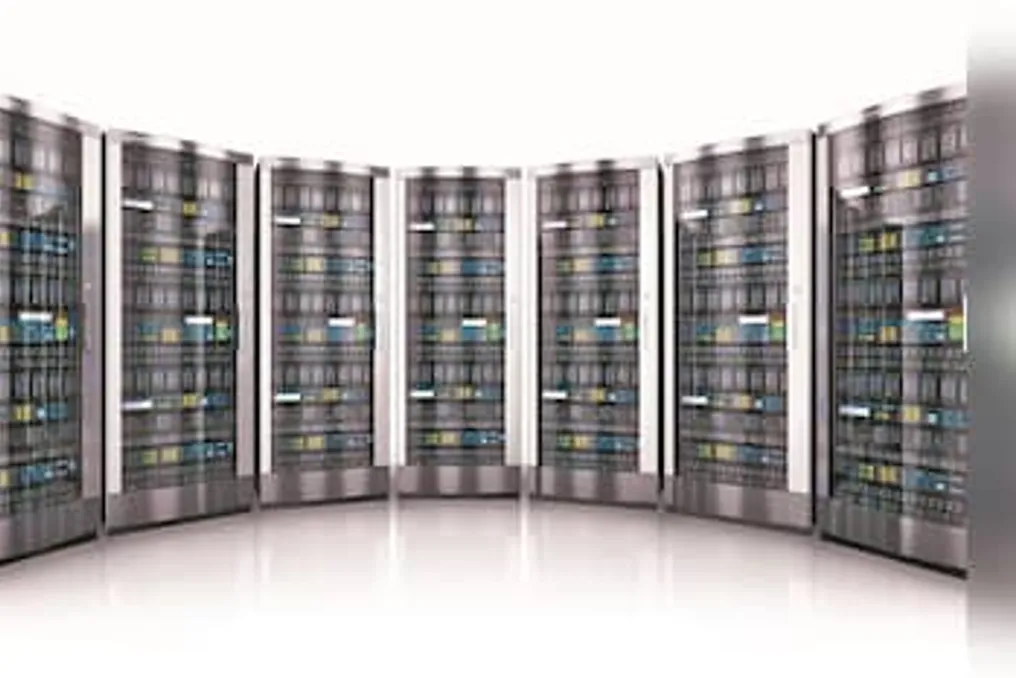
India's data center sector expected to attract $3 trillion in investments by FY2030
Read more
business-standard.com

India's data center sector expected to attract $3 trillion in investments by FY2030

According to the rating agency Crisil, India's data center industry is entering an investment boom. It is projected that installed capacity will increase fivefold, reaching 7.5 gigawatts (GW) by the fiscal year 2030, which will attract over 3 lakh crore rupees over four financial years leading up to March 2030.

This sharp growth is driven by the demand for computing fueled by generative artificial intelligence (GenAI), enterprise digitalization, and increased data consumption. Crisil emphasized that the pace of this expansion and the credit rating of data center developers will depend on timely grid connectivity, regulatory approvals, and disciplined project execution.

The visibility of demand for the capital-intensive industry is assessed as high. Nearly half of the future capacity is already secured through long-term contracts, which limits speculative development and reduces sales risk. Preliminary agreements with hyperscalers, stimulated by the adoption of cloud technologies and compute-intensive GenAI workloads, ensure revenue certainty from the outset, helping to mitigate project risks.

The agency noted that India's structural advantages further enhance its attractiveness as a data center destination. Development costs are approximately one-fifth lower than in several competing markets across the Asia-Pacific region, thanks to more competitive prices for land, construction, and labor. Combined with lower electricity tariffs, this results in rental rates that are 30–35 percent lower than in comparable markets.

Furthermore, the ability to build large campuses using renewable energy aligns with hyperscalers' sustainability goals, strengthening India's competitive position. However, this unprecedented growth in development also creates bottlenecks in power supply infrastructure.

About three-quarters of the expected future capacity, amounting to around 6 GW, is planned to be built in Visakhapatnam, Mumbai, and Hyderabad. By fiscal year 2030, the data center capacity in these cities could sharply increase to approximately 80%, 60%, and 20% of their current peak electricity demand, respectively. This underscores the critical importance of timely capacity expansion and grid connection.

In light of these circumstances, disciplined growth backed by solid contracts serves as an important safeguard for developers. Existing facilities in India operate at about 90% utilization, and over 95% of the capacity currently under construction already has contracts. This should facilitate faster cash flow growth after projects become operational.

Popular