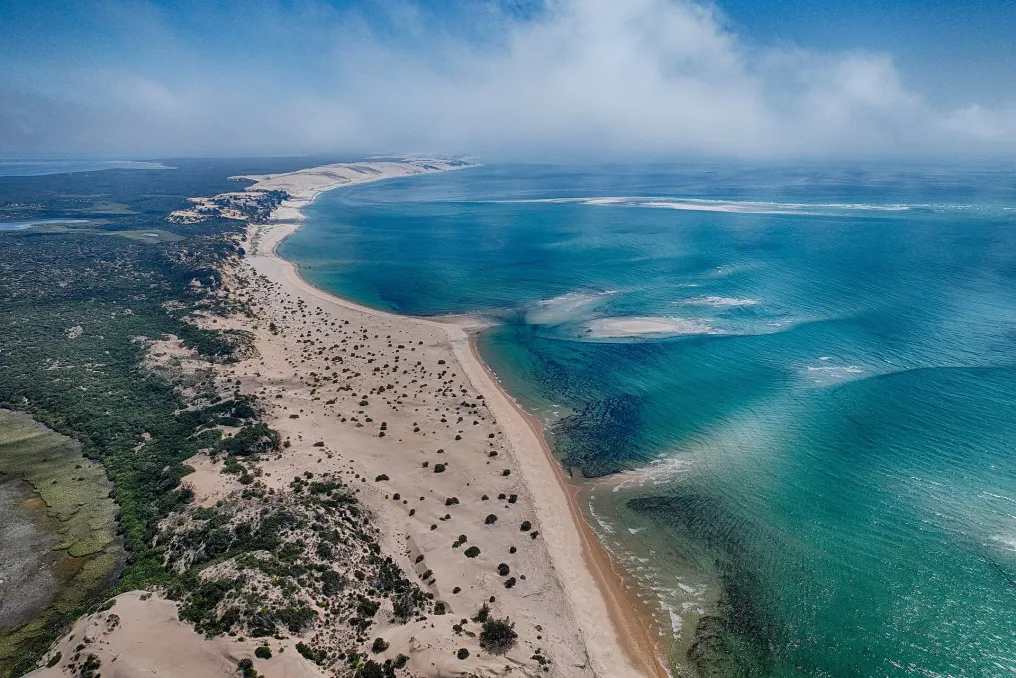
Marine nature of the Bazaruto archipelago protects the coast of Mozambique
Read more
Getaway
getaway.co.za

Marine nature of the Bazaruto archipelago protects the coast of Mozambique

The Bazaruto Archipelago, located off the coast of Mozambique, is known for its white sandy beaches and turquoise waters, but beneath this picturesque surface lies a unique marine ecosystem. It hosts coral reefs, seagrass meadows, and mangrove swamps that support one of the most remarkable wildlife populations in the Indian Ocean.

This protected landscape in southern Mozambique is home to dugongs, dolphins, sea turtles, manta rays, and a vast diversity of marine life. These underwater ecosystems are vital not only for biodiversity conservation but also for sustaining the lives of coastal communities whose existence is closely tied to the sea.

Although tourism has contributed to Bazaruto's fame, the archipelago's greatest value lies beneath the water. Protecting these waters means preserving a complex network of habitats that supports wildlife, fisheries, and the ecological health of the Mozambican coastline.

The archipelago is located near the Inhambane province, close to the mainland settlements of Vilanculo and Inhassoro, and consists of five islands: Bazaruto, Benguerra, Magaruque, Santa Carolina, and Bangue.

These islands are part of the Bazaruto National Park, which was established in 1971 to protect the region's exceptional marine and terrestrial biodiversity. The protected area includes coral reefs, seagrass beds, mangroves, coastal dunes, sandbanks, and surrounding oceanic environments.

These environments are closely interconnected, forming a network of ecosystems that support marine species at different stages of their life. Fish use seagrass meadows and mangroves as nursery grounds, coral reefs provide shelter and feeding areas, and sandy beaches serve as important nesting sites for sea turtles.

The archipelago's location along the Mozambique Channel also makes it part of the broader Western Indian Ocean ecosystem. Its waters support both resident and migratory marine animals traveling along the East African coast.

Despite the fact that the islands and beaches attract visitors from around the world, Bazaruto's protected status reflects something more than just tourist appeal: the necessity of conserving one of the region's most valuable marine environments.

Similar stories

Gabon's Forest Elephants: A Study of Tropical Forest Conservation Frontiers
Read more
getaway.co.za

Gabon's Forest Elephants: A Study of Tropical Forest Conservation Frontiers

In the depths of Central African rainforests live African forest elephants, moving through some of the continent's most outstanding wild landscapes. These elusive animals, often hidden under the dense canopy of the forest, are less common than their savanna relatives, but their impact on the environment is immense.

They play a key role in maintaining the ecosystems they inhabit, promoting long-distance seed dispersal and shaping the structure of tropical forests. Gabon is one of the most crucial countries for the survival of these animals, as the country is covered with vast tropical forests and holds a significant portion of the world's remaining forest elephants, making it one of the main conservation hubs in Central Africa.

However, protecting these animals requires more than just species preservation; it involves protecting associated habitats, combating illegal ivory trade, and finding ways for wildlife and rural communities to coexist.

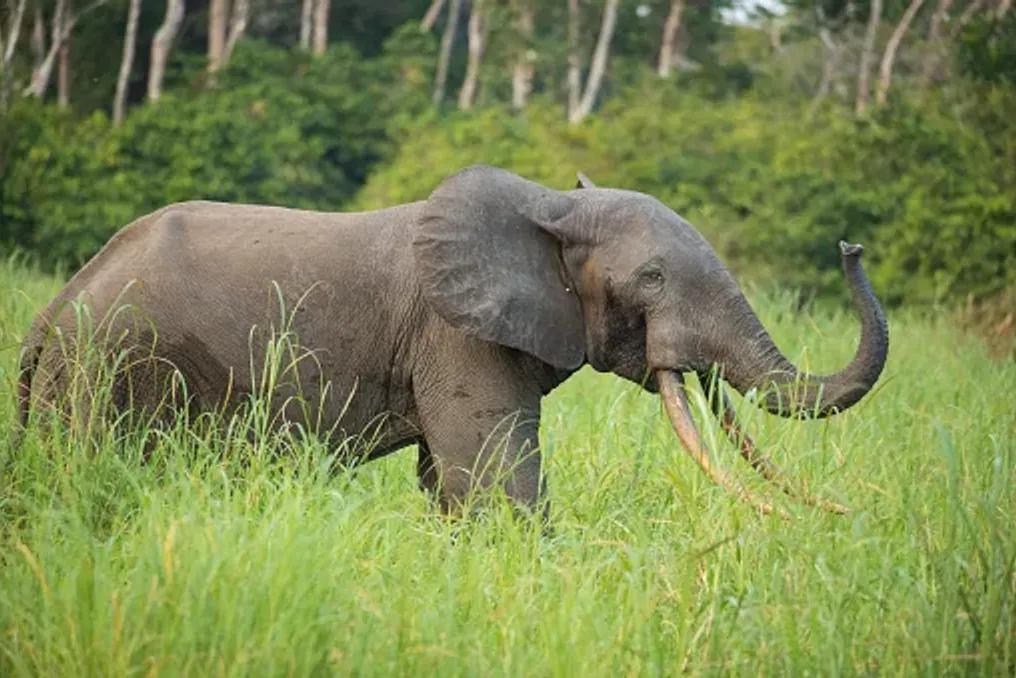
The African forest elephant (Loxodonta cyclotis) is a distinct species, different from the more familiar African savanna elephant. It is found predominantly in the tropical forests of Central and West Africa and possesses several physical characteristics adapted to life under the tropical forest canopy.

Forest elephants are generally smaller than their savanna counterparts, have straighter, downward-pointing tusks, and rounder ears. Their smaller size helps them navigate dense vegetation, and their diet mainly consists of fruits, leaves, bark, and other plant material growing in the forest.

Unlike elephants roaming open grasslands, forest elephants are difficult to spot. Dense vegetation hinders tracking, and their movements often take them far from roads and frequented areas. They are particularly associated with forest clearings known as baobabs, where mineral-rich soil and accessible water attract elephants and other wildlife.

These clearings provide some of the best opportunities for observing forest elephants in their natural habitat, although a sighting cannot be guaranteed. Forest elephants are sometimes called 'gardeners of the rainforest,' and this is not accidental. Their feeding habits and extensive movements influence plant distribution and contribute to the restoration of forest ecosystems.

Fruits form an important part of the forest elephant's diet. As they move through the tropical forest, elephants consume fruits and transport seeds over significant distances before depositing them in their excrement. This process, known as seed dispersal, helps plants colonize new territories and supports the regeneration of tropical forests. Some tree species rely heavily on large animals for seed dispersal, making elephants a vital contribution to the long-term health and diversity of these ecosystems.

Their movements also connect different parts of the forest, helping to maintain ecological links that might otherwise be disrupted by habitat fragmentation. Elephants impact their surroundings through feeding, trampling, and moving vegetation. Their activities can alter the structure of forest habitats, creating opportunities for various plant species and other animals.

Forest clearings, or baobabs, hold special significance. These open spaces in the dense tropical forest often contain mineral-rich water and open ground that attract elephants, gorillas, buffalo, and many other species.

In Indvindo National Park

In places like Baie Langue in Indvindo National Park, these natural gathering spots offer researchers and visitors the chance to observe wildlife that would otherwise remain hidden under the forest canopy. However, the link between elephants and forest regeneration is complex. Their impact varies depending on the plant species, habitat, and local conditions. It is clear that their disappearance would have consequences extending far beyond the loss of a single species.

A crucial part of elephant protection is understanding where they move. Their ranges can span hundreds of square kilometers, encompassing various habitats in search of food, water, and suitable conditions. Studies conducted in the Wonga-Wongwe presidential reserve in Gabon used GPS tracking to study their movements. A study involving 17 collared elephants showed that they traveled an average of about 2840 km annually, with an average range of about 713 square kilometers.

These results demonstrate why conservation cannot be limited to individual national parks or isolated patches of forest. Elephants need space to move, and their survival depends on maintaining connectivity between habitats. Roads, settlements, and agricultural development can disrupt these movements, increasing the likelihood of human contact and hindering access to certain areas for elephants.

Therefore, protecting ecological corridors and managing lands outside officially protected areas are vital elements of Gabon's broader nature conservation efforts.

Gabon is one of the most important remaining habitats for African forest elephants. Its vast tropical forests are part of the Congo Basin—the second-largest tropical forest region in the world, stretching across several Central African countries. A nationwide study published in 2021 estimated that there were about 95,000 forest elephants remaining in Gabon. Although this estimate carried significant uncertainty, it confirmed the country's exceptional importance for this species.

Gabon has also established an extensive network of national parks protecting vital tropical forest habitats, laying the foundation for wildlife research and conservation. Located in northern Gabon, Minkebe National Park protects a vast area of relatively untouched tropical forest. Historically, it supported a significant population of forest elephants but was also subjected to intense poaching pressure. Between 2004 and 2014, researchers counted that the park lost approximately 78–81% of its forest elephant population, mainly due to illegal ivory hunting. The scale of the decline highlighted how quickly even remote wilderness areas can suffer from organized poaching networks.

On the western coast of Gabon, Loango National Park is known for its unusual combination of tropical forest, lagoons, wetlands, beaches, and coastal habitats. The park is particularly interesting because it demonstrates the diversity of environments utilized by forest elephants. It is also part of a wider landscape supporting gorillas, chimpanzees, hippos, buffalo, and diverse birdlife. Its combination of coastal and forest scenery has made Loango one of Gabon's most unique natural destinations.

In eastern Gabon, Indvindo National Park protects vast tropical forests, rivers, and impressive waterfalls. Baie Langue is located here, one of the country's most famous forest clearings. This clearing attracts forest elephants and other wildlife, making it an important site for ecological research and observation. Its remote location also illustrates the challenges of wildlife monitoring in large, densely vegetated landscapes.

Lope National Park offers a different view of Gabon's nature, presenting a landscape where tropical forest meets savanna. This mix of habitats supports rich biodiversity and provides opportunities to study how animals utilize different environments. The park is also recognized as a UNESCO World Heritage site, reflecting its ecological and archaeological significance.

Despite Gabon's importance as a conservation hub, forest elephants are still classified as critically endangered. Their populations face a range of interconnected threats, many of which extend beyond national borders. Illegal ivory trade has had a devastating impact on forest elephants across Central Africa. Their relatively slow reproductive rate means that populations require many years to recover from significant losses. Even protected areas are vulnerable when poaching networks operate in remote forest landscapes. The dramatic decline in Minkebe remains a stark example of the consequences.

Effective protection requires continuous investment in anti-poaching patrols, intelligence gathering, law enforcement, and cooperation between neighboring countries. As forests and agricultural lands increasingly intersect, human-elephant conflict has become a critical conservation issue. Forest elephants sometimes raid crops, damaging fields and threatening the livelihoods of farming communities. For families dependent on harvests, the loss of food or income can create significant hardship. This can lead to retaliatory actions against elephants, undermining conservation efforts and creating tension between local communities and conservation authorities. Solving this problem requires more than just asking for tolerance of elephant presence. Practical measures, community involvement, and support for affected households are necessary to ensure coexistence.

In 2025, Gabon initiated a two-year project involving the government, the Wildlife Conservation Society, and Space for Giants to support efforts toward more peaceful human-elephant coexistence. While national parks provide vital refuges, elephants do not recognize protected boundaries. Many move through forests used for logging and other economic activities. Therefore, responsible forestry, careful infrastructure planning, and the protection of ecological corridors are essential.

The challenge lies in finding ways to balance economic development with the ecological needs of a species that requires large, connected landscapes to survive. Gabon's forest elephants represent more than just one of Africa's most prominent wildlife populations. Their movements, feeding habits, and relationships with other species are woven into the ecological functioning of the tropical forest. By protecting them, we preserve the forests that sustain countless other plants and animals, and we acknowledge the needs of the people who share these landscapes. The country's conservation efforts demonstrate both the opportunities and the difficulties associated with protecting vast wilderness areas. Its national parks, research programs, and community initiatives lay an important foundation, but long-term success will depend on sustainable protection and cooperation.
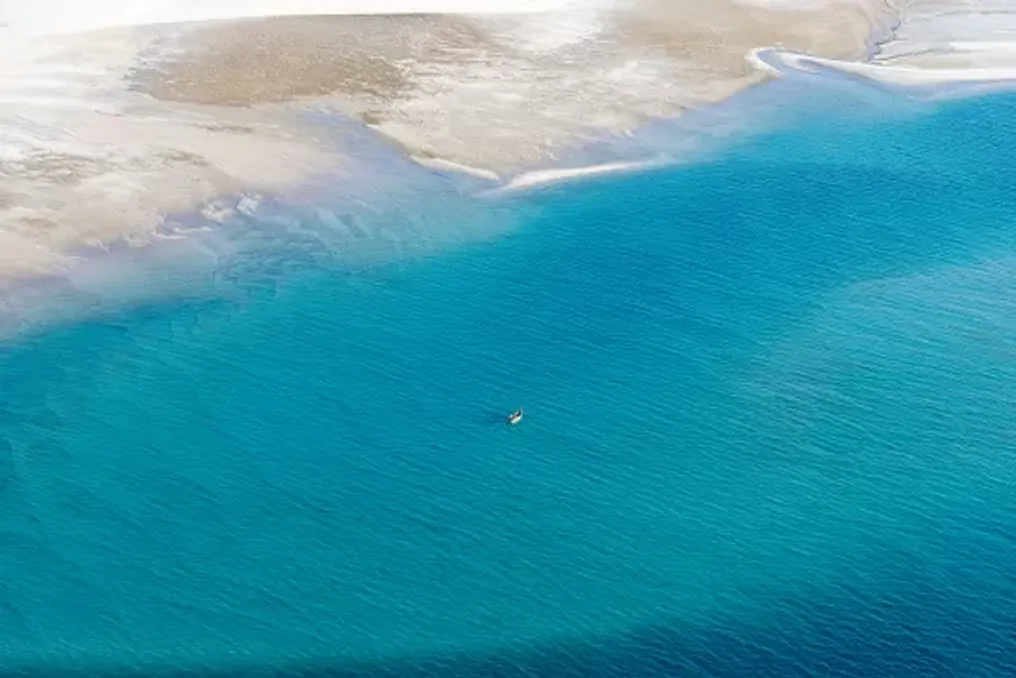
Ancient forests under the Mozambique Sea have become a habitat for thriving marine fauna
Read more
getaway.co.za

Ancient forests under the Mozambique Sea have become a habitat for thriving marine fauna

Off the coast of Mozambique, remnants of ancient forests lie beneath the sea, having grown along the Indian Ocean coast thousands of years ago. Today, these submerged remains serve as a refuge for fish, lobsters, and other marine life.

Researchers studying the Bazaruto archipelago discovered that ancient peat deposits, formed from decaying plant material, have turned into underwater reefs. Although they may not resemble traditional coral reefs, they support many of the same fish species.

These findings demonstrate an unexpected aspect of marine life in the region and highlight how much more scientists have yet to learn about underwater habitats. Approximately 5,000 years ago, rising sea levels flooded coastal forests and wetlands. Over time, layers of plant material compressed into peat, preserving the landscape.

As sand shifted and waves eroded the seabed, parts of this ancient peat became exposed. Their rough surfaces and crevices provided shelter for marine creatures. Researchers dated samples of these reefs to approximately 300–5,000 years ago, confirming that the formations originated from terrestrial vegetation rather than marine plants.

During surveys in 2023, divers recorded the presence of fish, sharks, rays, and turtles around the peat reefs. Young snappers and grunt fish found shelter among these formations, while spiny lobsters occupied their cracks and protrusions.

On each of the three surveyed sites, the reefs supported 26 to 36 species of small fish. A nearby coral reef supported 54 species, but researchers noted that different habitats attract different marine communities.

The data suggests that these ancient forest remnants provide an important refuge and potential nursery grounds, especially in areas where natural hard seabed is limited. However, these formations are not indestructible; storms, cyclones, and sand movement can lead to the erosion or burial of exposed peat.

Scientists continue to study how much carbon these deposits store and how they change over time. Researchers believe that similar reefs may exist in other parts of the world with coastal peatlands, including Southeast Asia, the Caribbean, and West Africa. However, further research is needed to determine their prevalence.

This study emphasizes the importance of looking beyond conventional coral reefs when mapping and protecting marine ecosystems. Along the Mozambican coast, the remnants of ancient forests sustain life in unexpected ways, reminding us that some of the ocean's most interesting ecosystems have a history that began long before they were submerged.

Exploring the Underwater World of the Seychelles: More Than Just Beaches
Read more
getaway.co.za

Exploring the Underwater World of the Seychelles: More Than Just Beaches

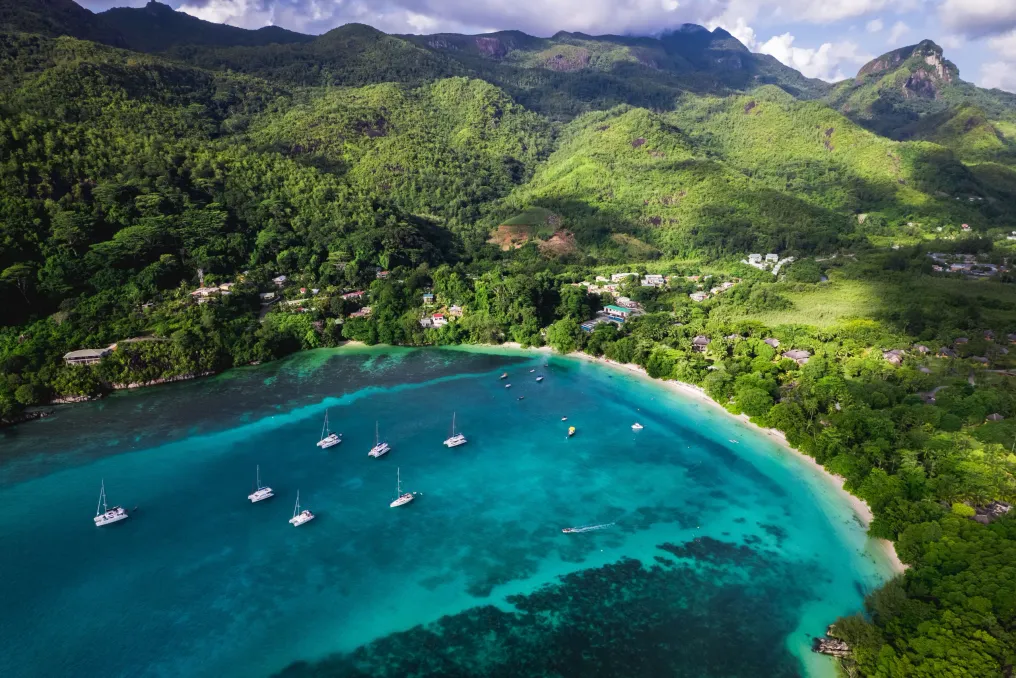
From the shore, the Seychelles look almost unreal due to the turquoise water, granite boulders, and postcard-like beaches. However, diving beneath the surface reveals a completely different world.

Across the archipelago, which consists of 115 islands, aquatic adventures range from quick snorkeling in a sheltered bay to diving in remote atolls where the ocean seems endless. To appreciate this beauty, you don't necessarily need to be an experienced diver; sometimes a mask, snorkel, and the desire to look closer are enough.

Most visitors arrive in Mahé, making it a convenient starting point for exploring the underwater world of the Seychelles. Beneath the waves, granite boulders form a landscape of rocky passages and hidden spaces where tropical fish gather.

Nearby is the Saint Anne Marine National Park, which protects a group of islands and surrounding marine habitats. Established in 1973, it became the first marine national park in the Indian Ocean. Small reefs and seagrass beds make it a pleasant stop for snorkelers, while glass-bottom boat tours allow you to see the underwater scenery without getting wet.

Praslin and La Digue are islands with many beautiful beaches, but the experience doesn't end where the sand meets the sea. Around Praslin, snorkeling offers opportunities to explore reef habitats and observe tropical fish. Nearby is Curieuse Island, known for its giant Aldabra tortoises, allowing guests to combine wildlife encounters on land with relaxation by the water.

The sheltered bays of La Digue can also be ideal for snorkeling under suitable conditions. Nevertheless, the sea is not always as calm as it appears, and currents can make some areas dangerous. Local guides can point out suitable locations and help maximize time in the water.

Far from the main tourist islands, Aldabra Atoll feels like a world far removed from the typical beach holiday in the Seychelles. This UNESCO World Heritage site is one of the world's largest raised coral atolls and is best known for its giant tortoises and outstanding natural environment. Its lagoons and surrounding reefs support diverse marine life beneath the surface. Access is restricted, and visiting requires special planning, so it is not a place that can easily be added to a beach itinerary.

For divers ready to go further, the Outer Islands offer a more adventurous side of the Seychelles. In the Amirantes group area, coral formations and steep underwater cliffs open up into the deep Indian Ocean. Depending on the location and conditions, divers may encounter reef sharks, eagle rays, turtles, and schools of fish moving in the blue water. Many spots require liveaboard accommodation or specialized diving excursions, making them better suited for experienced travelers with time to explore beyond the main islands.

The Seychelles is a year-round destination, but conditions change depending on the season. April, May, October, and November are often favorable for diving as calmer seas improve visibility. The southeast trade winds, usually strongest from May to September, can make some coasts rougher. The northwest monsoon, typically from November to March, brings different wind and rainfall patterns.

Since conditions vary between islands and dive sites, it is recommended to check information with local operators before booking. Encounters with marine wildlife are never guaranteed, which is part of the natural environment exploration experience.

It is easy to focus on the beauty of the Seychelles' underwater world, but coral reefs are under pressure from rising sea temperatures, pollution, and physical damage. Visitors can help by choosing responsible operators, maintaining distance from turtles and other wildlife, and never touching or standing on corals. It is advisable to avoid feeding fish, use appropriate snorkeling gear, and follow local guidelines regarding currents and protected areas. The idea is simple: leave the reef as you found it. These ecosystems are not just a backdrop for vacation photos; they sustain marine life and help protect the islands themselves.

Seychelles beaches might attract you first, but another entire world awaits beneath the surface. From the granite formations of Mahé to the remote wilderness of Aldabra, every spot offers a unique way to experience this archipelago. You don't need to dive deep or travel far to appreciate this splendor. Swim over the reef, watch the fish dart through the corals, and let your eyes adjust to the underwater movements. For a moment, the beach, the boats, and everything happening ashore fade into the background. And suddenly, the Seychelles cease to be just a beautiful place to swim—it is a living world worth protecting long after you dry off and return to the sand.

Popular