
African Swine Fever detected in donkey near Clanwilliam; Western Cape intensifies control
Read more
IOL
iol.co.za

African Swine Fever detected in donkey near Clanwilliam; Western Cape intensifies control

A confirmed case of African Swine Fever in a donkey near Clanwilliam has led to movement restrictions and increased surveillance in the Sedderberg region. The Western Cape is taking steps to contain the virus and protect disease-free zones linked to international horse exports.

Laboratory tests confirmed the presence of African Swine Fever virus serotype 7 in an animal in Perdekkraal, near Clanwilliam, on October 27, 2026. The infection was identified within the province's established ASF protection zone, which is approximately 97 km from the surveillance zone and 198 km from the export-related free trade zone.

The Western Cape Department of Agriculture has implemented localization measures to prevent further spread and protect the provincial horse industry. The Minister of Agriculture, Economic Development and Tourism for the Western Cape, Dr. Ivan Meyer, stated that the primary objective is the swift containment of the disease.

Meyer emphasized: 'The Western Cape is responsible for protecting animal health while ensuring the preservation of industries and livelihoods that depend on it.' He added that the veterinary services team responded promptly, and necessary disease control measures have been taken. 'There are currently no signs of the disease spreading into the surveillance or free trade zones, which is encouraging.'

Provincial veterinary services are collaborating with the national Department of Agriculture and the South African Equine Health Protocol (SAEHP) to establish a containment zone for the outbreak. Currently, permits for moving equines, including horses, donkeys, and mules, outside the affected area are suspended.

Veterinary teams and authorized private specialists are conducting traceback investigations and tracking equine populations and their movements around the outbreak focus to identify potential cases of infection. Entomological monitoring is also underway to track populations of Culicoides midges, which are vectors of the virus.

Officials specifically noted that African Swine Fever is not transmissible to humans and does not pose a threat to food safety or public health.

Veterinary workers urged all horse owners in the province to remain vigilant and adhere to preventive measures. Owners were advised to:

  • Adhere to movement restrictions: Do not transport horses, donkeys, or mules without required government veterinary permits.
  • Monitor for symptoms: Immediately report suspected signs of African Swine Fever, which include sudden fever, head and neck swelling, difficulty breathing, or unexpected death.
  • Reduce vector exposure: Keep horses in stables from two hours before sunset to two hours after sunrise, avoid damp low-lying areas, and use registered repellents.
  • Do not use live attenuated vaccines: Owners were instructed to refrain from using vaccines against African Swine Fever with live attenuated components during this period. Officials warn that vaccination while vectors are active may contribute to the further spread of vaccine-derived virus strains.

Meyer assured that there is no need to panic but strongly urged owners to take precautions seriously. The Department stated that it will continue to monitor the situation and provide updates as verified information becomes available.

Similar stories

Ebola threat rises in Africa; cases reported in five countries
Read more
www.aajtak.in

Ebola threat rises in Africa; cases reported in five countries

The Ebola outbreak is spreading rapidly across Africa. The infection, which began in Congo in May, has now reached several countries, posing a major challenge for health officials to control. Controlling the disease is proving difficult due to weak surveillance, continuous human movement, and a lack of healthcare services. The Bundibugyo virus is responsible for this outbreak, which is a rare type of the Ebola virus. Currently, no approved vaccine or specific treatment is available for this virus, and concerns are growing regarding the number of cases and deaths.

There is a suspicion of contact between two patients from Nigeria and Kenya at Entebbe Airport in Uganda this month. According to officials from Africa CDC, a specialized and autonomous public health agency of the African Union, both patients traveled from there on October 3, although the investigation is ongoing. An infection has been confirmed in a woman in Nigeria, and 44 people who came into contact with her are being identified. Meanwhile, nine cases have been recorded in Kenya.

In this outbreak that started in Congo in May, more than 9,500 people have been infected so far. Cases related to this outbreak have been reported in five countries—Congo, Uganda, Kenya, France, and Nigeria. Infection was confirmed in a woman returned from Uganda in Nigeria, who started showing symptoms on October 7. According to the World Health Organization, it is unclear whether this woman had traveled to Congo. The nine cases in Kenya are linked to an individual who traveled from Congo via Uganda. Additionally, a doctor who returned from Congo contracted the infection in June in France, recovered, and was discharged from the hospital on July 4.

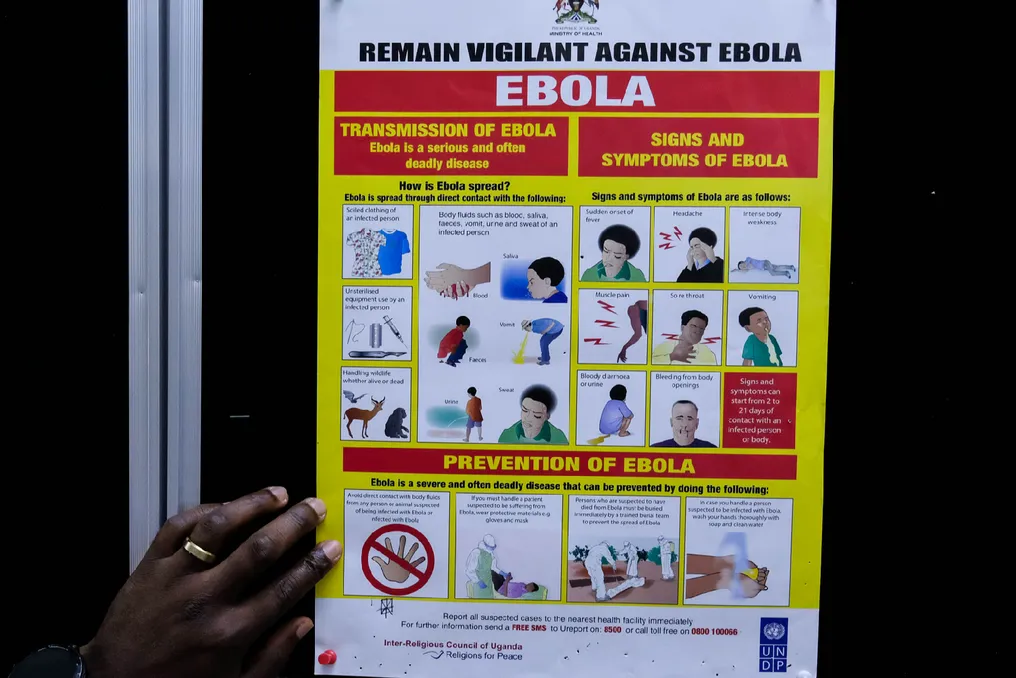
Major causes of the spread of the Ebola virus in Africa include contact with infected wild animals, particularly fruit bats, and consumption of infected meat. In humans, the virus spreads through direct contact with the blood, vomit, diarrhea, and other bodily fluids of an infected person. Contaminated clothing, bedding, and needles can also cause infection. Certain funeral practices, inadequate healthcare services, and difficulties in monitoring in conflict zones are increasing its spread.

Ebola infection can spread through direct contact with the blood, vomit, and other bodily fluids of an infected person, and there remains a risk from contact with contaminated clothing and bedding. Situations such as violence, population displacement, and lack of trust in health officials in parts of Congo have made the situation more serious. It is becoming difficult to contain the infection due to the late identification of many patients.

It is worth noting that only one case of the Ebola virus was recorded in India in 2014. No local or indigenous transmission of the virus has occurred in India officially, but the virus was confirmed in the body of an international traveler who received treatment in West Africa and came to India in 2014.

Uganda reports no active Ebola cases after patient transit from Nigeria
Read more
cgtn.com

Uganda reports no active Ebola cases after patient transit from Nigeria

The Ugandan Ministry of Health announced that there are no confirmed active cases of Ebola in the country following the transit of a woman from Nigeria who tested positive for the virus earlier this month.

In a statement released on Tuesday, the ministry specified that this woman had visited the Democratic Republic of Congo in eastern DRC for business before transiting through Uganda in early October. Her symptoms only appeared after arriving in Nigeria.

The ministry cautioned against assumptions linking the infection to the woman's transit through Uganda, emphasizing that an investigation is ongoing to determine where she may have been infected with the virus. The ministry stated: 'Transit through Uganda does not mean that the infection occurred here.'

Ugandan health authorities reported that they are awaiting detailed information from their counterparts in Nigeria regarding the woman's travel route and clinical history to decide if further testing and contact tracing are required.

Uganda stated that it is strengthening public health measures and screening at entry points in coordination with relevant agencies. It was also added that provisions for humanitarian and diplomatic movements remain in place despite increased border controls.

The ministry strongly urged the public to remain calm and vigilant, maintain hygiene, including regular handwashing and sanitizer use, and avoid spreading unverified information. It was also announced that further updates will be provided through official channels as new information becomes available.

Popular