Scientists determine that an ancient shaman from the Magadan region is a descendant of the Pomor people
Read more
N+1
nplus1.ru

Scientists determine that an ancient shaman from the Magadan region is a descendant of the Pomor people

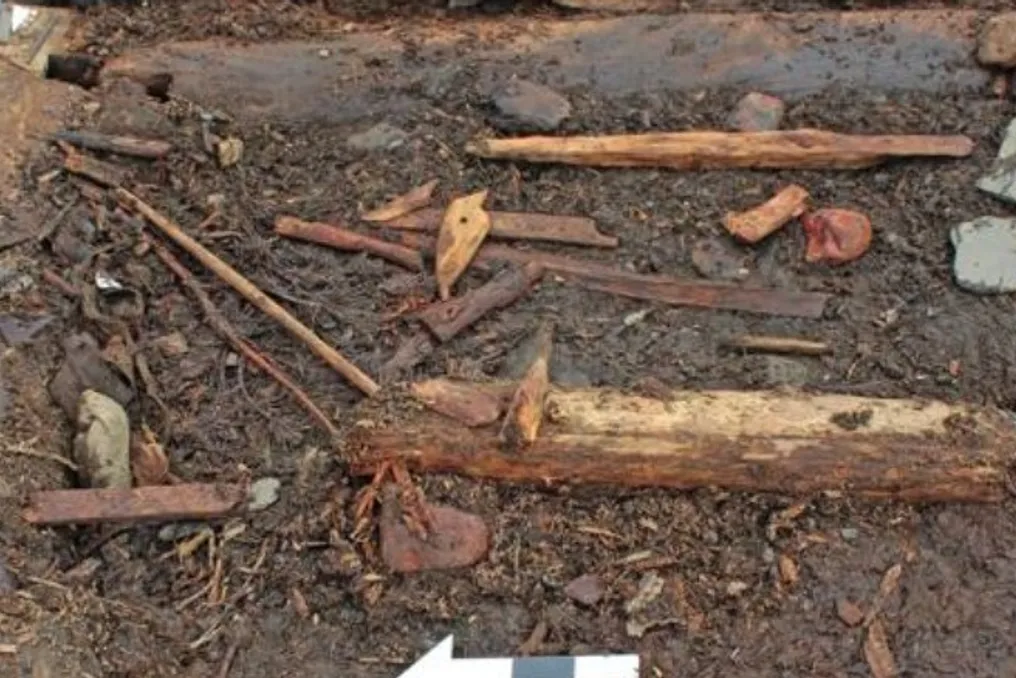
Russian researchers presented the results of studying a recently discovered burial containing the remains of an ancient shaman. This person lived in the 18th century on lands that are now part of the Magadan region.

Using genetic analysis performed on a tooth sample, scientists were able to isolate DNA and find out that the closest ancestors of this shaman belonged to different populations. It is assumed that through his paternal line he had roots among the inhabitants of the Russian North, while his maternal ancestors were related to the Koryaks and Evenks.

Data on these discoveries were published in the scientific journal 'Theory and Practice of Archaeological Research.'
Similar stories

Traces of Ancient Cosmetics Discovered in Burials of Ancient Women in the Aral Sea Region
Read more
nplus1.ru

Traces of Ancient Cosmetics Discovered in Burials of Ancient Women in the Aral Sea Region

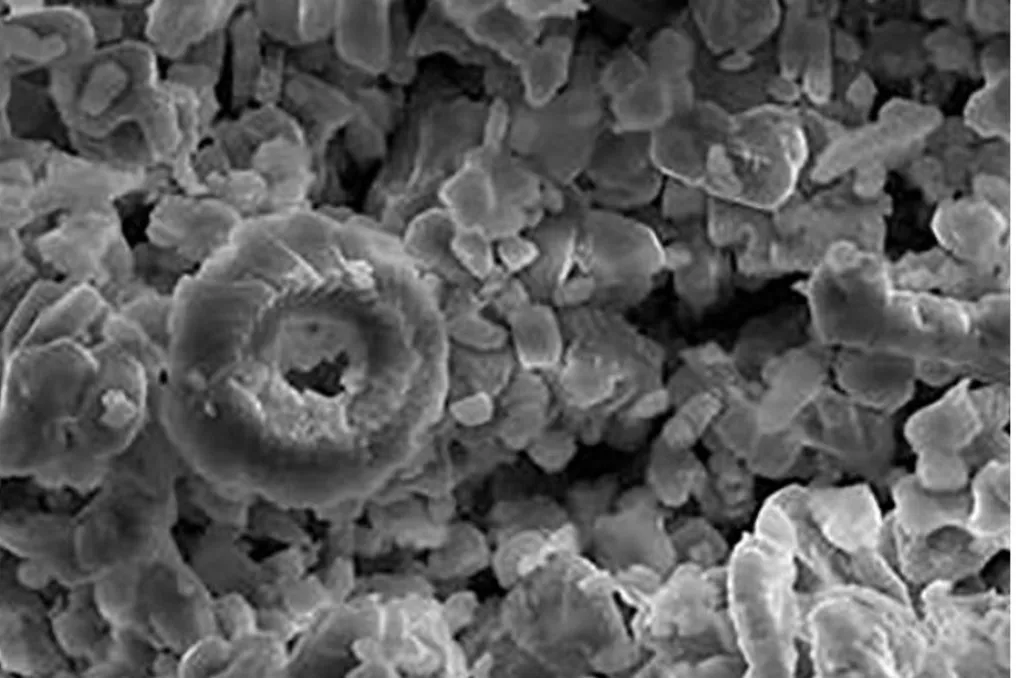
Russian researchers have discovered probable remains of ancient cosmetics found during excavations of burials belonging to the Jetyasars culture in Kazakhstan.

These findings indicate that inhabitants of the Eastern Aral Sea region around the 3rd to 4th centuries AD may have produced cosmetic products. These compositions were presumably made from local chalk and various aromatic oils.

There is also a possibility that some aromatic oils were transported to this region via trade routes connected to India. This information was presented in a scientific article published in the journal npj Heritage Science.

Paleogeneticists discovered brother and sister from Germanic elite buried 700 km apart in Spain
Read more
nplus1.ru

Paleogeneticists discovered brother and sister from Germanic elite buried 700 km apart in Spain

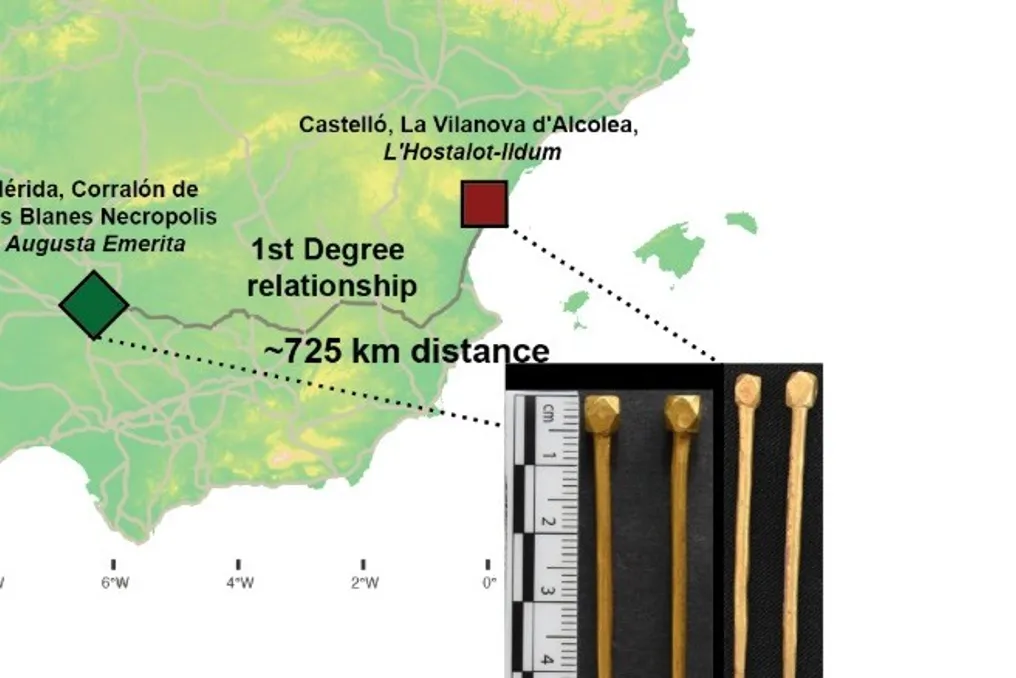
Paleogeneticists sequenced the DNA of about 250 individuals buried in the territory of modern-day Spain between the 2nd and 8th centuries AD. Thanks to these studies, scientists were able to trace changes in the genetic landscape of the Iberian Peninsula during the periods of Roman rule and the Migration Period.

During the work, an important discovery was made: a brother and sister belonging to the ancient Germanic elite were found. These relatives were buried approximately 700 kilometers apart, which corresponds to a walking journey of about 22 days.

The results of this study were presented in a scientific publication published in the journal Cell.

Chinese scientists determine that the skull of an archaic human with a large brain belongs to Denisovans
Read more
nplus1.ru

Chinese scientists determine that the skull of an archaic human with a large brain belongs to Denisovans

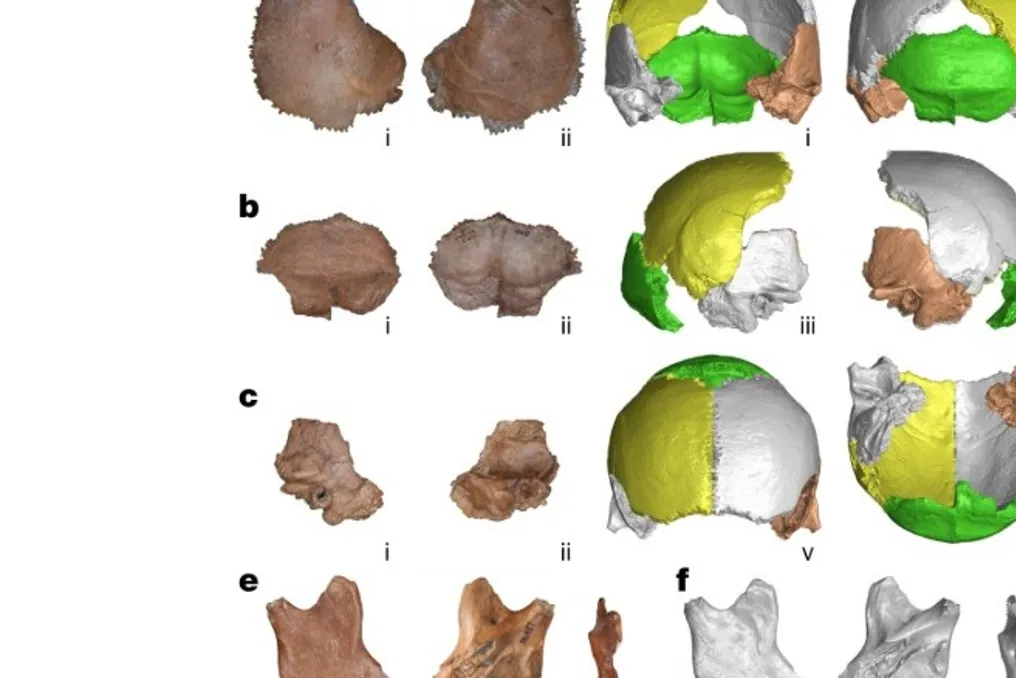
Chinese researchers concluded that the ancient remains discovered in Shuiyixiaot belong to Denisovans. Among these findings is the skull of one individual whose brain had a volume of approximately 1700 cubic centimeters.

This conclusion was reached through paleoproteomic analysis of two bones, estimated to be between 128 and 207 thousand years old. The researchers note that the morphological features of the remains from this archaeological site, known as 'dragon man,' indicate that other previously found specimens in China may also be skulls of Denisovans.

The results of the work were presented in a scientific article published in the journal Nature.

Popular