Zoologists documented same-sex sexual interaction between a bull and a donkey in the Ethiopian Highlands
Read more
N+1
nplus1.ru

Zoologists documented same-sex sexual interaction between a bull and a donkey in the Ethiopian Highlands

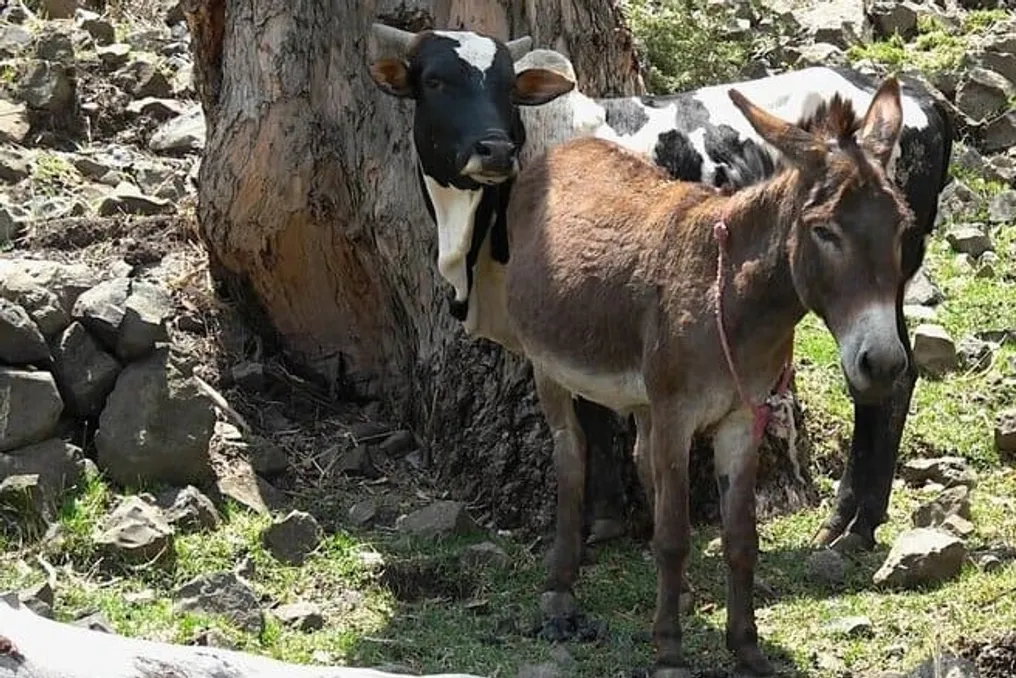
Zoological researchers documented instances of same-sex sexual contact between a zebu bull and a male donkey that were on the same pasture in the Ethiopian Highlands.

During an eight-day observation period, 51 attempts by the bull to mount the donkey for mating were recorded; in 34 of these cases, he inserted his penis. The donkey did not show signs of aggression or attempt to avoid these contacts.

Furthermore, the males demonstrated the formation of a strong bond, preferring to spend time together and in most cases ignoring other zebu and donkeys, regardless of their sex, that were on the same meadow.

According to information published in the scientific journal Current Biology, such same-sex behavior in animals is often observed under conditions of limited access to females of their species. Nevertheless, in this situation, the bull had the opportunity to mate with females of its species but chose the donkey.

Similar stories

Japanese macaques learn to clean food, preferring ocean water for taste
Read more
super.abril.com.br

Japanese macaques learn to clean food, preferring ocean water for taste

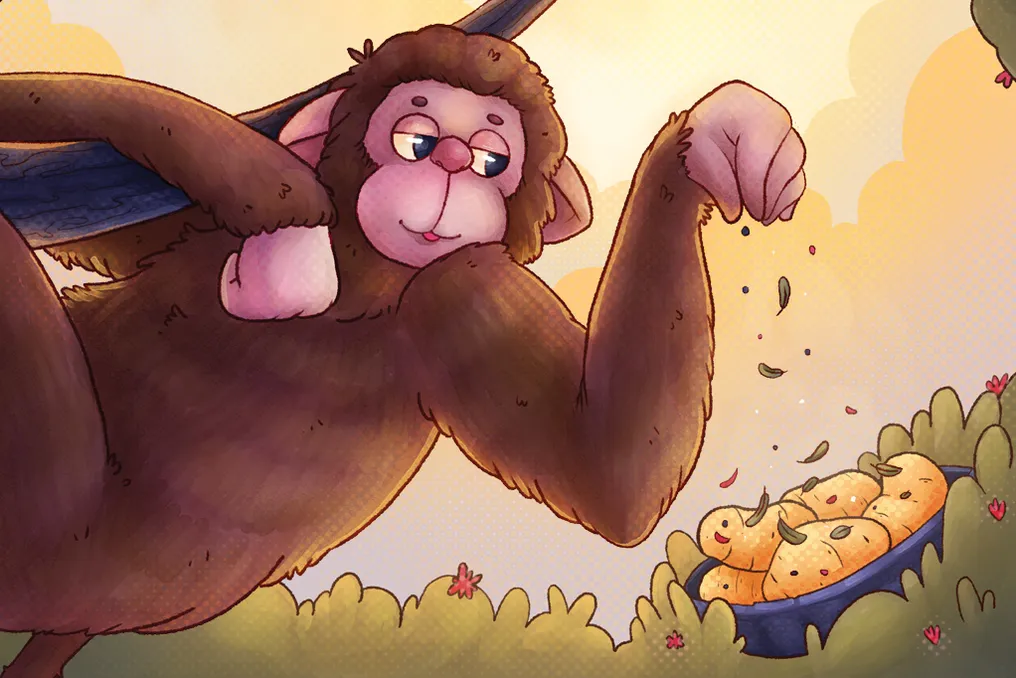
There is a documented record of animals modifying their food. In a study conducted in the 1950s, scientists provided sweet potatoes and other snacks to Japanese macaques (Macaca fuscata) on the beaches of Kojima Island, located in northern Japan.

Initially, most of the small monkeys consumed the vegetables immediately after receiving them, including the sand. However, a young female, known as Imo, began washing her meal in a nearby stream before eating. This behavior was gradually assimilated and replicated by the other young monkeys on the island, leading to the fact that, after a few years, almost all the animals washed the potatoes.

At first, the use of the freshwater from the stream was more frequent to remove the sand. However, on certain occasions, the little macaques also washed the food in the sea itself. Years later, researchers observed that they all started preferring to use the ocean, as the saltwater probably gave the meal a flavor.

Differences between camel and dromedary: characteristics, habitat, and use
Read more
super.abril.com.br

Differences between camel and dromedary: characteristics, habitat, and use

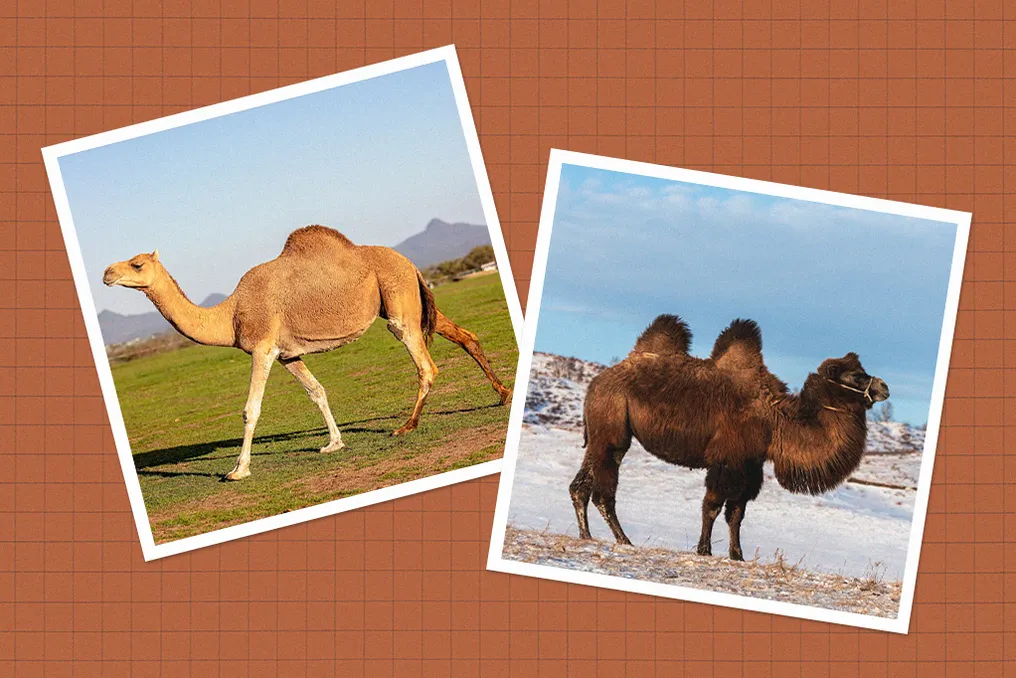
Although often confused, camels and dromedaries have clear distinctions that can be observed through the number of humps, physical build, and coat type. Furthermore, they inhabit distinct ecosystems.

Both are classified as camels because they belong to the same genus, Camelus. However, in popular Portuguese vocabulary, the term 'camel' refers to the two-humped species, also known as the Bactrian camel. These animals are part of the camelid family, which originated in North America approximately 40 million years ago. The ancestors of the genus Camelus only migrated to Eurasia about 6 to 7 million years ago, using the ancient land bridge of the Bering Strait.

The camel, specifically *Camelus bactrianus*, is characterized by having two humps and inhabiting exclusively Central and Eastern Asia, including nations such as Mongolia, China, and Kazakhstan. Its robust and heavy body is covered with thick and long fur on the neck, top of the head, humps, and upper parts of the front legs. This fur functions as an essential adaptation to extreme climate deserts, such as the Gobi, where temperatures vary drastically, from -40 °C to over 40 °C. During spring, these camels shed their coat. They are considered excellent pack animals, capable of advancing about 5 km/h in a caravan and covering between 30 and 50 kilometers daily.

There is also a variation of this camel, the wild Bactrian camel (*Camelus ferus*), which survives only in regions of the Gobi and is under severe risk of extinction.

In contrast, the dromedary (*Camelus dromedarius*), also called the Arabian camel, has only one hump. Its geographical distribution covers North Africa, the Sahel, the Horn of Africa, the Middle East, and certain areas of South Asia, such as India and Pakistan. Additionally, there is a considerable population in Australia, descended from animals introduced to the country during the 19th century.

Due to its longer legs and leaner body, the dromedary demonstrates greater speed compared to the Bactrian camel. Trained animals can maintain a pace of 16 km/h for up to 18 hours, making them suitable for fast travel.

Both camels and dromedaries play a fundamental role in desert environments. They are used as means of transport and provide valuable products such as milk, meat, leather, and wool. One of their most notable capabilities is the ability to survive long periods without ingesting water. In hot conditions, they can endure up to about two weeks without drinking, while in winter, when there is moist vegetation, they can go months without water.

When finding water sources, they can consume more than 100 liters in a short period. It is important to note that the humps do not store water, but rather fat, which serves as an energy reserve. Resistance to dehydration is sustained by other physiological processes, such as highly efficient kidneys in concentrating urine, the production of very dry feces, a body temperature variation of up to 6 °C throughout the day, which minimizes sweating, and tolerance to losing up to 30% of body weight relative to water.

Genetically, camels and dromedaries are very close and can reproduce with each other. First-generation hybrids are fertile and generally exhibit greater size and strength than their parents; however, subsequent crosses between these hybrids tend to result in less vigorous individuals.

These two types are the best known within the camelid family, which also includes South American relatives, such as the llama, alpaca, guanaco, and vicuña.
Shadhol Forests are Important for Tigers and Elephants as They Form a Natural Corridor Between Bandhavgarh and Achankmar
Read more
www.aajtak.in

Shadhol Forests are Important for Tigers and Elephants as They Form a Natural Corridor Between Bandhavgarh and Achankmar

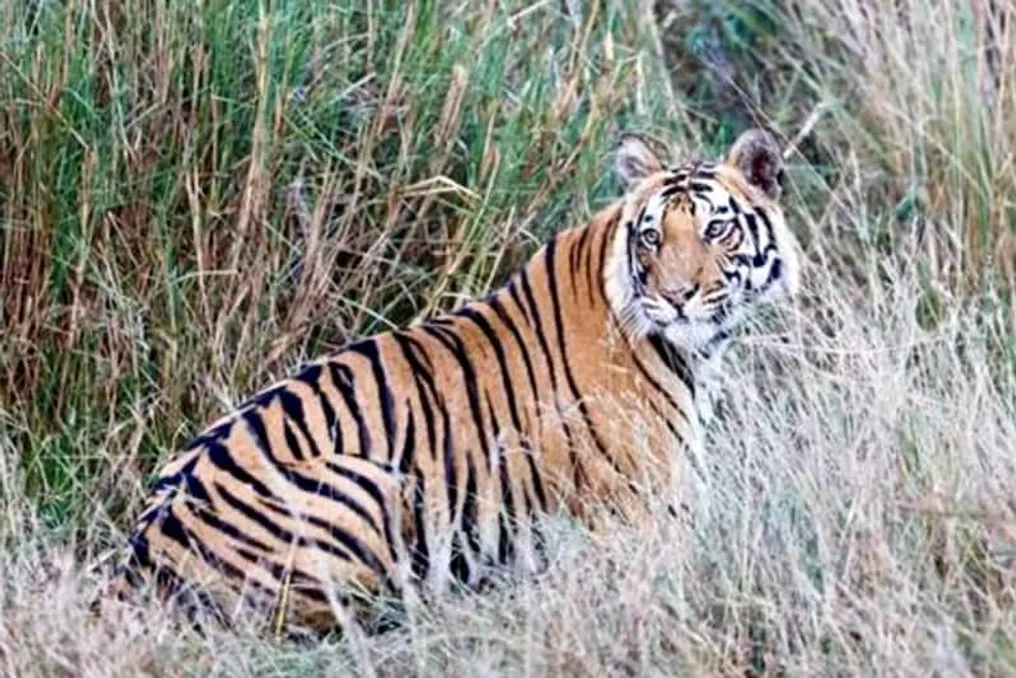
The Shadhol region in Madhya Pradesh is known for its rich forest cover and biodiversity. The dense forests here serve as natural routes for many wild animals, including tigers, elephants, leopards, and bears. Due to its location between the forest areas of Madhya Pradesh and Chhattisgarh, the Shadhol forests play a critically important role in wildlife conservation.

Although Shadhol itself is not a tiger reserve, its forest lands are vital for ecological corridors connecting the Bandhavgarh, Kanha, and Sanjay Gandhi reserves with the Achankmar reserve in Chhattisgarh. Special attention is paid to the Southern Forest Division area, which is considered a key link in the movement of wild animals.

The Shadhol forests provide a favorable habitat due to the presence of sal forests, natural water sources, and sufficient food. Tigers can use these forests to expand their territory and search for new habitats in other forests, while elephants travel long distances along their traditional paths.

These natural pathways help animals move from one forest mass to another. These natural routes maintain connectivity and migration among wild animals living in different forests.

Bandhavgarh Tiger Reserve in Umaria district is famous for its tigers, but the presence of elephants is also crucial for wildlife conservation. The movement of elephants from Chhattisgarh through the Anuppur and Shadhol forest areas to Bandhavgarh demonstrates the importance of these forests. Since early 2018, the appearance of elephants in the Bandhavgarh area has become an important aspect of conservation efforts.

Ecological corridors are natural paths that animals can use to move from one forest to another. These routes may include not only forests but also rivers, hills, villages, and settlements. Ensuring the safety of these corridors maintains contact between different natural habitats of wild animals, helping them find food, water, and new places to live.

However, deforestation, construction work, and other anthropogenic impacts can create obstacles on these paths, disrupting animal movement and increasing the risk of human-wildlife conflict.

Residents of settlements located in the migration areas of tigers and elephants need to be vigilant. If a wild animal is spotted near a forest or village, one should avoid approaching, surrounding, or provoking the animal. In such cases, it is extremely important to report it to the forest department.

Maintaining natural habitats, as well as the availability of water and food in forest zones, is also an integral part of wildlife conservation. The Shadhol, Anuppur, and Umaria forests play a key role in protecting the natural heritage of Madhya Pradesh. It is important to preserve these natural corridors between the forest areas of Madhya Pradesh and Chhattisgarh to conserve tigers, elephants, and other wildlife, as well as to maintain biodiversity.

Popular