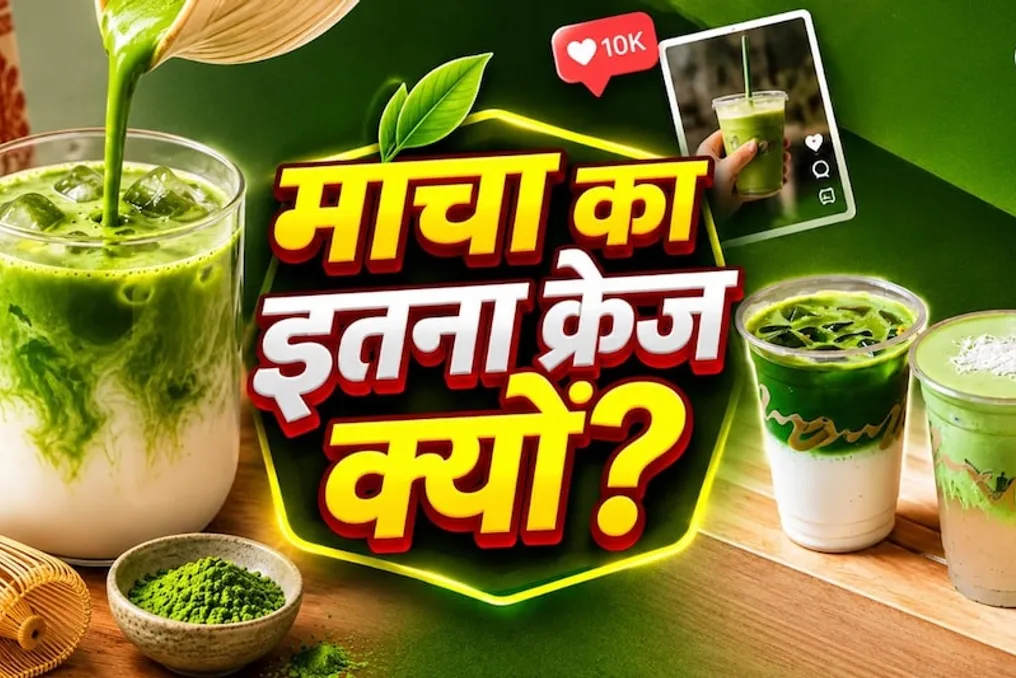
Reasons for Matcha's Popularity Among Generation Z: Drink Characteristics
Read more
Aaj Tak
www.aajtak.in

Reasons for Matcha's Popularity Among Generation Z: Drink Characteristics

Currently, matcha is ubiquitous—from cafe menus to Instagram videos. People are trying matcha lattes, matcha ice cream, and various matcha desserts. Among Generation Z, interest in this drink is rapidly growing due to its green color, unique taste, and claims of health benefits, making it a trendy phenomenon.

This raises the question of whether matcha is merely a fleeting social media trend or if there are deeper reasons behind its popularity.

Matcha is a special type of green tea from Japan. It is prepared by drying the tea leaves and subsequently grinding them into a powder. During cultivation, the tea plants are pruned and kept away from sunlight for several weeks. Then, the leaves are dried and turned into a powder, which is mixed with water or milk for consumption.

Although both drinks are made from the same tea plant, their preparation and consumption methods differ. When preparing green tea, the extract is obtained by pouring hot water over the leaves, after which the leaves are removed. In contrast, when consuming matcha, the finely ground powder of the entire tea leaf is drunk, mixed with water or milk.

The differences are also noticeable in taste. Green tea can have a light or sometimes slightly bitter flavor, whereas matcha possesses a rich, slightly earthy, and somewhat creamy texture.

A significant reason for matcha's popularity is its appearance. Its green hue looks very appealing on social media. Photos and videos of matcha lattes are often shared on Instagram and Pinterest. Furthermore, the availability of products like iced matcha, strawberry matcha, and matcha desserts in cafes has contributed to its rise in popularity among young people.

Since matcha contains caffeine, it can provide an energy boost. It also contains an amino acid called L-theanine. Some studies suggest potential benefits associated with the combination of caffeine and L-theanine, such as improved concentration and alertness. However, it should not be viewed as a miracle health drink.

Therefore, it is recommended to choose matcha based on personal preferences and needs, rather than solely on fashion. Ultimately, it is just a special variety of green tea, but its preparation method, taste, and the drinking experience itself give it a unique character.

Similar stories

Generation Z uses social media and Reels for self-analysis and understanding their emotional state
Read more
www.aajtak.in

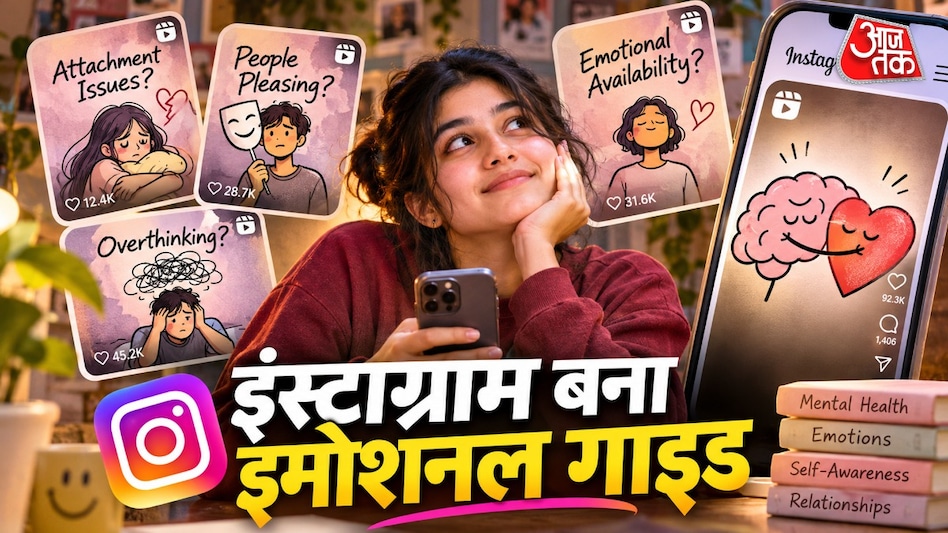
Generation Z uses social media and Reels for self-analysis and understanding their emotional state

For Generation Z, the process of understanding their own emotions is increasingly integrating into the sphere of social media. Previously, young people found answers to questions about their mood, preferences, and feelings by spending time alone or discussing them with close friends. However, many young people now turn to resources such as Instagram Reels, memes, and online posts to make sense of their experiences.

Sometimes watching a specific video evokes a feeling that it reflects a story from their own lives, and sometimes a post helps them understand the motives behind their behavior.

Recently, new terms related to relationships and feelings have been actively spreading on social media. These include concepts such as 'emotional availability,' 'people pleasing,' 'attachment issues,' 'overthinking,' and 'emotional baggage' or 'burnout.' Through these words, Generation Z attempts to interpret their behavior. They often feel that they are becoming too attached to someone or are prone to overanalyzing small details. In such situations, a video or post can offer a new perspective on their behavior.

On the Instagram platform, there are numerous videos describing states of inner sadness, the reason for preferring distance from people, or patterns of behavior in relationships. Generation Z finds reflections of themselves in these videos. Sometimes they send similar posts to friends to share what they are feeling. Thus, what is difficult to express in words becomes easier to explain through social media content.

Nevertheless, not all information obtained from social media is reliable. One cannot conclude a person's belonging to a certain emotional category based solely on a few seconds of a video. For example, feeling sad does not automatically mean a person suffers from depression. Similarly, the desire to keep distance from someone does not always indicate any specific attachment issue.

Although social media can provide new concepts and viewpoints, there is no quick way to understand one's feelings. It is extremely important to spend time alone, write down thoughts, and engage in dialogue with trusted people. If necessary, professional mental health help should be sought. Social media can help raise awareness of one's experiences, but the answer to every feeling will not be contained in some video. For self-knowledge, it is sometimes necessary to put the phone aside and listen to oneself.

Generation Z practices digital detox to reduce social media dependence
Read more
www.aajtak.in

Generation Z practices digital detox to reduce social media dependence

Modern Generation Z spends a significant amount of time on phones and social media, often without realizing how time passes from morning until late evening. The phone has become an integral part of this group's daily life. However, some members of Generation Z are trying to change this habit by distancing themselves from social networks and reducing the frequency of checking their phones, as they are tired of using applications for many hours.

This process is called digital detox. Digital detox implies a temporary break or reduction in the use of phones and social media. The goal here is not a complete abandonment of phone use, but rather minimizing the time spent on it and preventing mindless constant checking.

According to a Guardian report from October 27, 2026, 19-year-old Nelisa Mokaunzi used the Opal app to reduce screen time. This application blocks Instagram and other distracting apps, requiring the user to solve mathematical problems to regain access to them.

Furthermore, some young people are opting out of smartphones in favor of simpler phones that lack social media and other frequently used applications. The report mentions 23-year-old Kendall Shaw, who started using such 'light' phones that only provide essential functions like calls and messages.

Another example is 19-year-old Shreya Nallamotu, who developed a device called Brick. This device allows users to block selected applications on their phone using just eight dollars worth of NFC tags.

Some young people now prefer meeting friends in person instead of spending hours on social media. Applications like People Enjoy (P.I.E.) inform about upcoming concerts, events, and other local happenings. According to the report, the number of users of this application grew from 120 thousand in July to 300 thousand in August.

26-year-old Han Choi decided to delete his social media applications to dedicate more time to training and socializing with friends. This demonstrates Generation Z's desire not to spend all their time on screens; they want to use technology while controlling how much time they spend on their phones.

Gen Z Consumers are Shaping India's Beauty Market, Focusing on Prevention and Expanding Reach Beyond Major Cities
Read more
yourstory.com

Gen Z Consumers are Shaping India's Beauty Market, Focusing on Prevention and Expanding Reach Beyond Major Cities

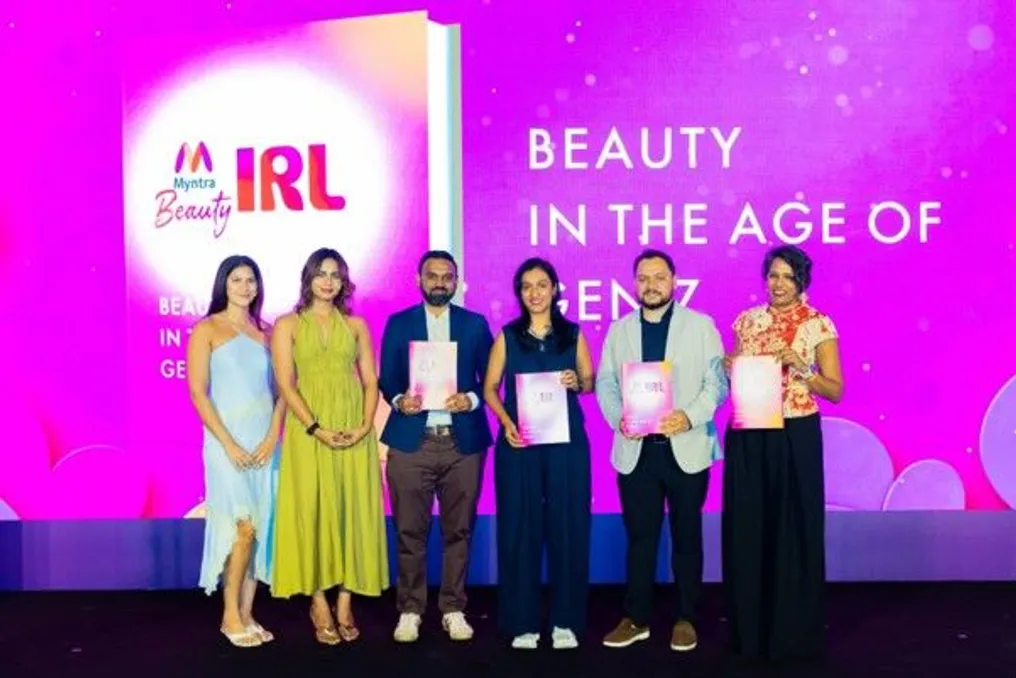
Generation Z is transforming the approach to beauty product purchases in India, viewing cosmetics as an integral part of daily self-expression. This consumer group focuses on skin protection before correction, prefers premium brands in miniature formats, and actively buys products outside of metropolitan areas. These findings are presented in the new report 'Beauty in the Gen Z Era,' released by Myntra, which indicates that this generation prioritizes product composition over marketing hype.

Both Gen Z and Millennials contribute to the growth of the beauty and personal hygiene category on Myntra, with Gen Z's spending share in this category exceeding that of Millennials by 75%. Self-expression is a priority for this generation, and cosmetics are one of the most obvious ways to manifest it. Gen Z's spending on beauty and personal hygiene products on Myntra has increased by 1.2 times compared to the previous year, against the backdrop of the platform's rapidly growing customer base. Notably, half of Gen Z cosmetic buyers on Myntra reside in second and third-tier cities.

Gen Z buyers show a 60% year-on-year increase in demand for sun protection (SPF) products. Furthermore, 53% of luxury cosmetic orders on Myntra now include miniatures.

Gen Z's Approach to Skincare

Dipak Joshi, Senior Director of Beauty and Personal Care at Myntra, noted that 'this is a skin-oriented generation. Gen Z does not use brand names as a substitute for trust. They want to understand what is in the product and how it will affect their skin. They strive to maintain short routines and choose what works, acting proactively to prevent damage rather than fixing it later. That is why sun protection has stopped being a seasonal purchase for them; it has become an annual habit.'

According to industry estimates from Redseer, the industry shaped by Gen Z is expected to grow from approximately $23 billion to $40 billion. However, only about $15 is spent per capita on beauty in India, compared to $38 in China and $383 in the US.

Myntra Leadership's View

Sharon Price, Head of Myntra, emphasized that 'beauty and personal care are one of the strongest growth drivers for Myntra. For Gen Z, beauty is self-expression. It is how they present themselves, plan their look, and live their social lives. They try premium and international brands through miniatures, discover new ones through content creators and K-Beauty, and make choices based on composition and efficacy, in cities across the country. Brands that succeed must meet these buyers early, simplify the process of discovering new products, and earn trust through the product and its ingredients.'

Miniatures and Content Creators

Miniatures account for 14% of the volume of luxury units sold, with lipsticks, perfumes, and face primers leading in popularity. Over half of new customers of brands like M.A.C, Kayali, Smashbox, and Salvatore Ferragamo come through miniatures. Video content has become the primary way for Gen Z to search for cosmetics. Myntra hosts about 82,000 active beauty content creators; user-generated content (UGC) in this area has grown by 40% year-on-year, and nearly two-thirds of new content creator registrations in the last four months belong to Gen Z representatives.

Purchases Outside Megacities

Gen Z shopping carts in second and third-tier cities include serums, toners, sunscreens, and hair masks, alongside everyday items. These cities account for half of the international demand for cosmetics on the platform. Among the cities driving growth are Ludhiana, Patna, Bhopal, Indore, Guwahati, Surat, Varanasi, and Imphal.

Prevention, Ingredients, and K-Beauty

Sun protection has become an all-year habit among Gen Z buyers: searches for SPF sprays have increased by 80%, for ingredient-focused sunscreens by 70%, and for tinted sunscreens by 60%. Gel textures without fragrances and that do not leave a greasy film are in demand. Gen Z actively seeks components such as centella asiatica, copper peptides, azelaic acid, and panthenol.

Demand for K-Beauty has grown by 200% year-on-year, and search queries have increased by over 300%. Myntra currently offers over 1000 SKUs from more than 90 K-Beauty brands, with over 30 added in the last year. Hair mask sales have increased by 110%, compared to a 59% rise in conditioners, and men's cosmetic orders have increased by 78% year-on-year, driven by Gen Z.

Repeat Purchases

Gen Z repeat orders on Myntra have increased by approximately 70% this year. Often, a repeat cosmetic buyer is also a repeat apparel buyer. Cosmetics, which constitute about 1 out of every 5 items ordered on Myntra, are growing twice as fast as the online cosmetics market and attracted almost half a million new customers just in May 2026. Myntra offers about 250 thousand styles from over 4500 brands, including more than 360 international ones. The virtual try-on feature doubles the likelihood of purchase for buyers, and the Skin Analyzer increases conversion by approximately 58%. The M-Now service offers about 600 brands with delivery in just nine minutes.

Support for Indian Brands

Myntra features 700 purely D2C cosmetic brands and 3000 new D2C names, with the D2C sector in cosmetics growing by 68% by FY26. Among the brands contributing to this growth are Plum, Minimalist, Foxtale, The Derma Co., and Chemist at Play. Gen Z is 25% more likely to try local or D2C brands. Both Gen Z and Millennials support these brands, with Gen Z being among the fastest adopters.

Development Strategy

Dipesh Jain, Vice President of Marketing at Myntra, added: 'Gen Z doesn't search to buy; they scroll through the feed to discover something new. This changes everything for us—from the platform's user experience to the brands we attract, and what happens after the purchase. Marketing at Myntra has always been focused on following the customer. We opened our content creator ecosystem so that anyone with a community can talk about the products they believe in. Trends emerge organically, and we do not try to create them.'

The Gen Z wishlist already points to future trends, including lactic acid, transaminase acid, and hybrid foundation with SPF. Myntra's focus is shifting towards scaling and market share, improving pre- and post-purchase experience, strengthening the ecosystem through Myntra GlamStream, and maintaining momentum in the D2C, luxury, international cosmetics, non-metropolitan regions, and first-time online cosmetic buyer segments.

This report was presented at the Myntra Beauty IRL event in Mumbai during a panel discussion on the new Indian beauty consumer. It is based on the company's platform data, buyer behavior, and search trends for the period from August 2025 to August 2026, covering Gen Z buyers.
Popular