Gujarati Padvali Roti Recipe: How to Make It with Two Thin Layers
Read more
Aaj Tak
www.aajtak.in

Gujarati Padvali Roti Recipe: How to Make It with Two Thin Layers

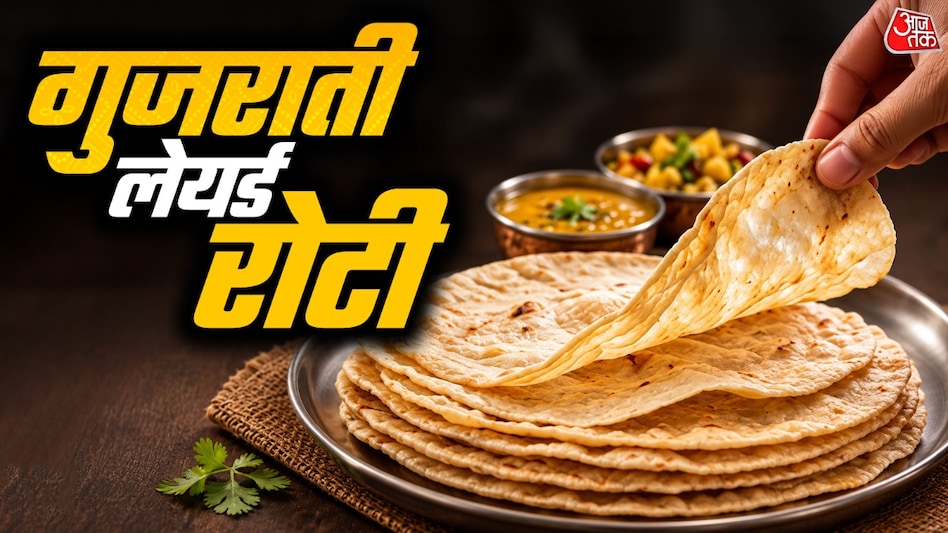
If you are tired of monotonous food and want to try something new, you can make Gujarati Padvali Roti. Although it resembles a regular flatbread on the outside, its specialty is having two thin layers.

India has a wide variety of cuisines and types of bread; some prefer corn, others rye or sorghum. However, Padvali Roti from Gujarat is known for its unique texture and soft taste. It is also called Padvali, Dudhpad, Dohari, Dosti, or Bepadi Roti. The main feature of this dish is the two thin layers that easily separate after cooking.

Visually, it looks like a regular flatbread, but in taste, it is very tender and light. To prepare it, two small pieces of dough are taken, between which oil and dry flour are applied. The taste of this flatbread is especially good when combined with dal curry, vegetables, or cheese. Thus, if you aim to diversify your daily diet, try making Gujarati Padvali Roti.

To begin, take wheat flour in a large bowl, add salt and two tablespoons of oil, and mix thoroughly. Then, gradually adding water, knead a soft and elastic dough. It is important that the dough is not too hard, as it is easier to roll out the flatbread thinly from soft dough. Cover the dough and leave it for 15–20 minutes.

After that, make two equal balls the size of a lemon from the dough. Slightly flatten them and roll them into small flatbreads with a diameter of about 3 inches. Apply a little oil to one of the rolled flatbreads and sprinkle with dry flour. Then place the second flatbread on top of it and gently press the edges with your fingers to seal them.

Place both flatbreads together and lightly dust them with dry flour, then slowly roll them out. Try to make them as thin and large as possible; the thickness should be similar to a rumali roti.

Heat a skillet over medium heat and place the rolled flatbread on it. When small bubbles start appearing on the upper surface of the flatbread, flip it over. Fry on the other side for a few more seconds. It is necessary to monitor so that the flatbread does not cook for too long, otherwise, it may become hard.

As soon as the flatbread is removed from the skillet, carefully separate it into two layers. Thanks to the application of oil and dry flour between the layers, they separate easily. Finally, brush a small amount of ghee on top and serve the hot Padvali Roti with dal or vegetables.

Similar stories

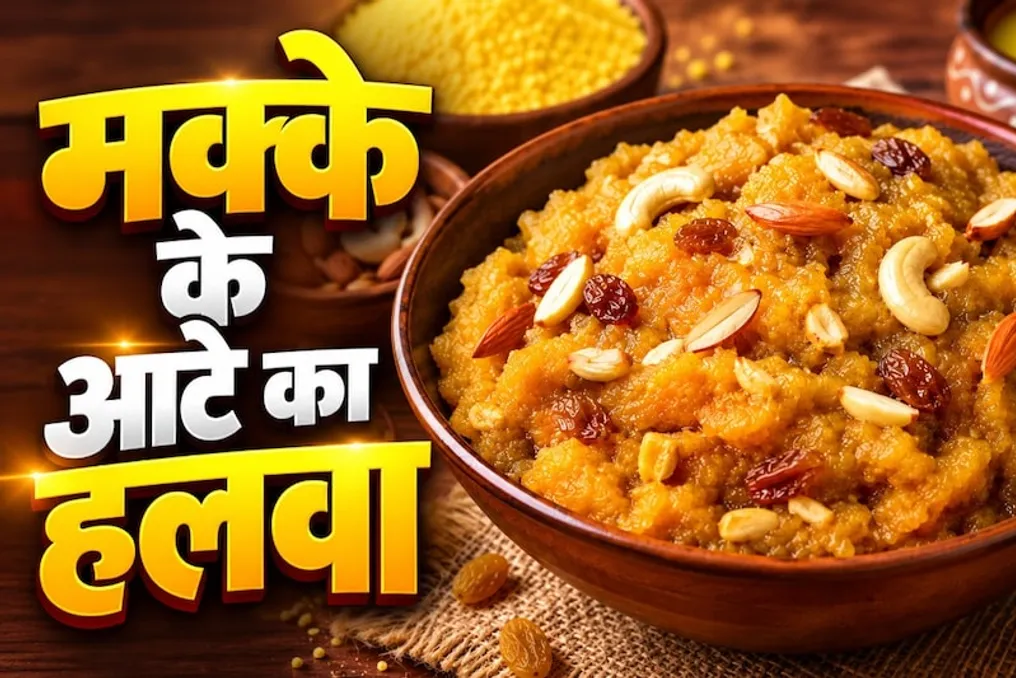
Recipe for Sweet Cornmeal Halva with Oil and Palm Sugar
Read more
www.aajtak.in

Recipe for Sweet Cornmeal Halva with Oil and Palm Sugar

During the cold season, besides traditional corn flatbreads, you can prepare delicious cornmeal halva. This dessert, made using ghee, palm sugar, and dried fruits, is distinguished by its excellent taste. The article offers a simple recipe for making this treat at home.

If you are craving something sweet and warm in winter, you can make cornmeal halva. Although cornmeal is usually used to make flatbreads, it also makes a very tasty halva. This dessert, made with ghee, palm sugar, and dried fruits, is not only delicious but also easy to prepare. It can be made when you have a sweet tooth or for a special occasion.

If you are tired of usual semolina or legume halvas and want to try something new, cornmeal halva will be an excellent choice. A simple recipe for preparing this dessert is presented below.

To begin, take a thick-bottomed pot and heat desi ghee in it over medium heat. When the ghee melts, add the cornmeal. Then, stir the flour constantly over low heat, frying it. Frying will take about 10-12 minutes. The flour is considered well-fried when its color becomes light golden and a pleasant aroma appears.

After that, gradually pour in water or milk, continuing to stir continuously. It is important to add the liquid in portions to avoid lumps. Next, add palm sugar or regular sugar and mix thoroughly. If you are using palm sugar, it should be grated or dissolved in a small amount of water beforehand. After that, cardamom powder is added to the halva.

Then, chopped cashews, almonds, and raisins are mixed in, and everything is thoroughly combined. The halva is cooked over low heat, stirring constantly. As soon as the mass thickens and starts to separate from the sides of the pot, turn off the heat.

Your delicious cornmeal halva is ready. Serve it hot and enjoy the taste during the winter.

Roti Pakoda Recipe: Crispy Potato Fritters Made from Leftover Flatbreads
Read more
www.aajtak.in

Roti Pakoda Recipe: Crispy Potato Fritters Made from Leftover Flatbreads

Mention of pakodas whets the appetite, and enjoying hot fritters is especially pleasant during the rainy season or with an evening tea. Although pakodas are usually made from potato, onion, cabbage, or spinach, if you are tired of monotonous snacks, you can try something new.

To prepare delicious and crispy fritters, you do not need to buy special ingredients from the store. They can be made from leftover flatbreads from yesterday, which turn out very tasty and crispy on the outside, with a soft potato filling inside. These pakodas pair perfectly with green chutney or tomato sauce.

Below is the recipe for making crispy pakodas from yesterday's flatbread and a list of necessary ingredients.

You will need for preparation:

  • 2-3 medium boiled potatoes
  • Leftover flatbreads from the previous day (as needed)
  • 1 tablespoon of finely chopped fresh coriander
  • 1 teaspoon of chili flakes
  • ½ teaspoon of red pepper powder
  • 1 teaspoon of finely chopped green pepper
  • 2 tablespoons of besan
  • A pinch of turmeric powder
  • Salt to taste
  • ¼ teaspoon of ajwain
  • ½ teaspoon of cumin
  • A pinch of baking soda (optional)
  • Vegetable oil for frying
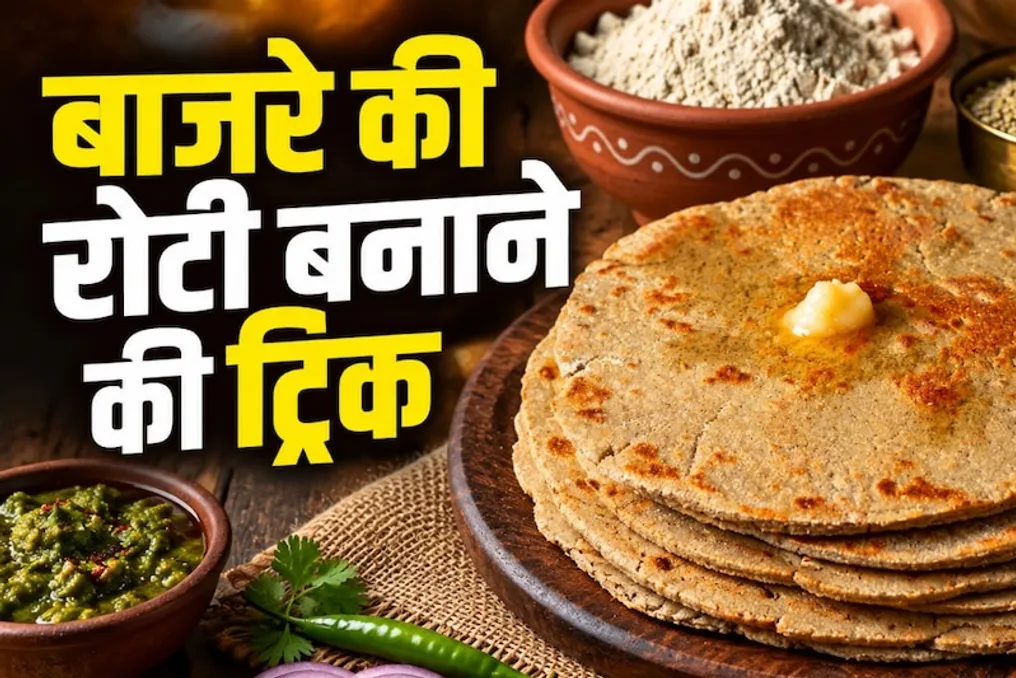
Tips for making soft millet roti: how to avoid cracks and make it tender
Read more
www.aajtak.in

Tips for making soft millet roti: how to avoid cracks and make it tender

Millet roti is considered very healthy and is often eaten by families during the winter season. However, problems sometimes arise during preparation: the roti may break, become too hard after baking, or the edges may tear.

Enjoying hot millet roti in cold weather is especially pleasant; it is traditionally eaten with honey, butter, garlic paste, or sardines. Besides its taste, millet roti is an excellent source of fiber and many essential nutrients, which explains its popularity in winter. Nevertheless, the cooking process can be difficult for some people.

Situations often occur where the dough cracks during kneading, the edges tear while rolling, and the finished roti turns out quite hard. If you want to learn how to cook soft and tasty millet roti at home, simple methods are presented below.

Tips for making soft millet roti

First, mix the millet flour with salt in a bowl. Then, knead the dough by gradually adding warm water. The dough should be kneaded well for 4-5 minutes until it becomes smooth and soft. It is important to ensure that the dough is neither too dry nor too sticky. If the dough starts to crack when pressed, you can add a little more water. After that, cover the dough and let it rest for 5 minutes.

Next, form four equal balls from the dough and cover them. Take one ball, lightly dust it with dry millet flour. Placing it on a clean surface or parchment paper, gently shape it into a circle by lightly patting it with your fingers. The roti can be stretched to about 6 inches. If the edges start to tear, they can be carefully pressed with your fingers. It is also possible to use two sheets of parchment paper to give it shape.

Heat a skillet over medium heat and carefully place the roti on it. When the top surface of the roti becomes slightly dry, drizzle a small amount of water over it and distribute it. Flip the roti after about 30 seconds. Bake on the other side until light brown spots appear, then flip it again. After that, gently press the edges with a cloth so that the roti cooks completely. At the end, you can grill the roti over an open flame, but this must be done with caution.

When the roti is fully cooked, remove it from the skillet and brush a small amount of ghee on top. Millet roti can be served with butter, honey, garlic paste, eggplant, or dal. It also pairs well with yogurt (chaach).

Tips for keeping millet roti soft

To keep the roti soft, use fresh flour, as old flour can be dry and contribute to cracking during cooking. When kneading the dough, it is recommended to use warm water, adding it in portions as needed. After cooking, wrap the rotis in a clean cotton towel or place them in a covered pot so they do not harden too quickly. When reheating, you can lightly grease the skillet with ghee. If you initially had difficulty making millet roti, you can add a little wheat flour to the dough, as this will make handling the dough easier.

Popular