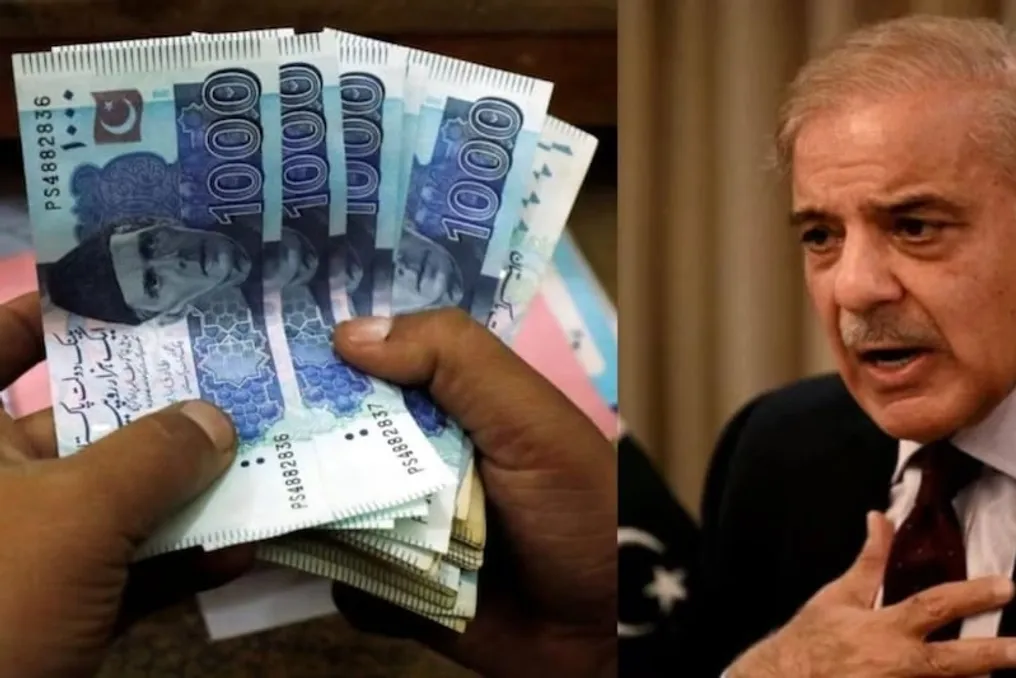
Trade dispute between Pakistan and India costs the latter $40 billion; Pakistan calls for resumption of cooperation
Read more
Aaj Tak
www.aajtak.in

Trade dispute between Pakistan and India costs the latter $40 billion; Pakistan calls for resumption of cooperation

Pakistan has faced serious economic difficulties due to the trade confrontation with India, which has led to colossal losses. The cessation of trade with India resulted in damages amounting to $40 billion for Pakistan (equivalent to 1100 million Pakistani rupees). In this regard, representatives of Pakistani industry have appealed to the government of Shahbaz Sharif to resume trade relations with India.

According to data, the Pakistani business community has demanded the restoration of trade with India, citing growing economic losses in the country, increased import costs, and pressure on domestic industry. Nur Muhammad Qasuri, Chairman of the Council, noted that due to the prolonged suspension of trade, Pakistani businesses are forced to purchase necessary raw materials and industrial goods from distant countries. This has significantly increased transportation costs and delivery times, leading to continuous losses.

The Pakistan-India Business Council indicates that losses for Pakistan have been accumulating continuously since the halt of bilateral trade in 2019. According to an industry group, the total economic damage since the stoppage of trade with India in 2019 has reached approximately $40 billion. This suspension was implemented following the Pulwama terrorist attack and the subsequent escalation of tensions between the two nations.

Representatives of Pakistani industry argue that resuming commercial ties could reduce import costs in the pharmaceuticals, textile, agriculture, and petroleum sectors. Qasuri emphasized that only in the pharmaceutical sector can $3 billion be saved annually through trade with India. He added that restoring access to Indian raw materials could help Pakistani pharmaceutical companies reduce production costs and improve supply chain capabilities.

Pakistan's textile industry has also suffered losses due to the trade dispute with India. This trade blockade has led to increased dependence on imports due to the decline in domestic cotton production. Qasuri calculated that textile producers had to incur additional costs of about $5 billion by purchasing cotton from countries such as Brazil, Egypt, China, and America.

In addition to pharmaceuticals and textiles, despite significant production capacity, Pakistan imports many essential goods from distant markets. These goods include sugar, fertilizers, cement, petroleum products, iron and steel, vegetables, and heavy machinery. Nur Muhammad Qasuri explained that India's geographical proximity makes it a more accessible supplier, especially for products with high transportation costs. For example, Indian refineries are located closer to Pakistan than many international suppliers, allowing for faster and cheaper delivery of petroleum products.

He also noted that access to Indian agricultural and industrial products could lower the cost for Pakistani manufacturers. Based on these concerns, the Pakistan Business Council has called for comprehensive economic cooperation with India.
Similar stories

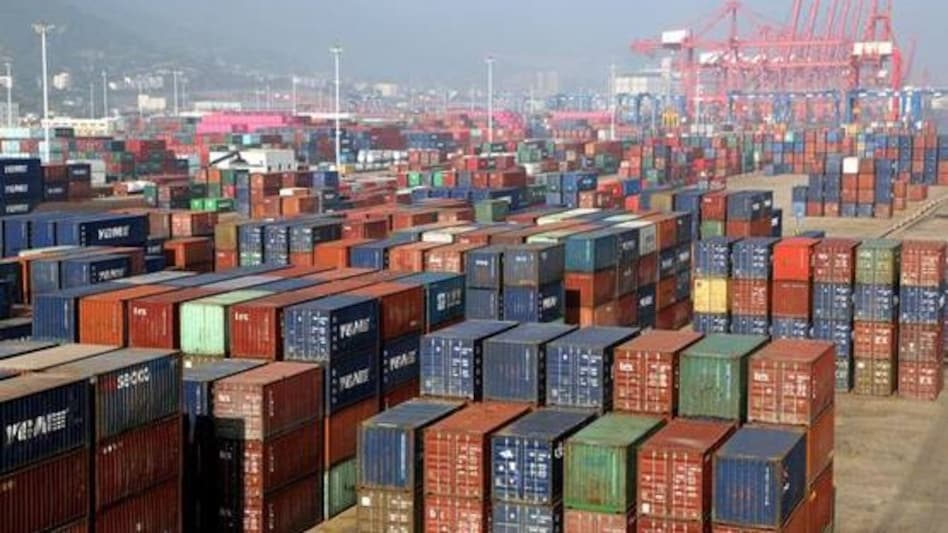
Despite trade ban, Pakistan continues to import goods from India
Read more
www.aajtak.in

Despite trade ban, Pakistan continues to import goods from India

The situation in Pakistan demonstrates dependence on India, despite the official cessation of direct trade between the two countries. According to a report, imports from India to Pakistan significantly increased in the first quarter of the 2026-27 fiscal year.

Data from the Central Bank of Pakistan shows that during this period, Pakistan imported goods from India worth approximately 587.6 billion rupees (US$61.74 million), representing a 69% increase. Meanwhile, Pakistan did not export any goods to India.

This fact raises questions about how Indian products are entering Pakistan, given the freeze on trade relations between the two states.

Trade ties between India and Pakistan have long been under strain. Following the Pulwama attack in 2019, India revoked Pakistan's 'most favoured nation' status. Subsequently, after the terrorist attack in Pahalgam in 2025 and ensuing military actions, India completely closed the Wagah-Attari border and imposed a ban on all goods from Pakistan.

In response, Pakistan suspended all direct and indirect trade with India in May 2025. India has repeatedly stated that terrorism and trade cannot coexist.

According to experts and the Global Trade Research Initiative (GTRI) analytical center, there is high demand for Indian products in Pakistan, especially pharmaceuticals, pharmaceutical raw materials, chemicals, plastics, and agricultural equipment. To meet this demand, a so-called 'grey market strategy' is utilized, where third countries play a key role.

Goods shipped from India are not sent directly to Pakistan but are first delivered to ports in countries such as Dubai, Singapore, or Sri Lanka. At these transit hubs, cargo is placed in temporary storage warehouses, where documents and packaging labels are altered. The country of origin on the documents is changed from India to the UAE or another country. After this, the goods are sent to Pakistan under a new name, allowing them to bypass legal restrictions imposed by sanctions.

Despite the official ban, the influx of Indian goods into Pakistan proves that the basic needs of the Pakistani market, including vital medicines, remain largely dependent on Indian products.

Closure of borders between Pakistan and Iran leads to rise in gas cylinder prices
Read more
www.aajtak.in

Closure of borders between Pakistan and Iran leads to rise in gas cylinder prices

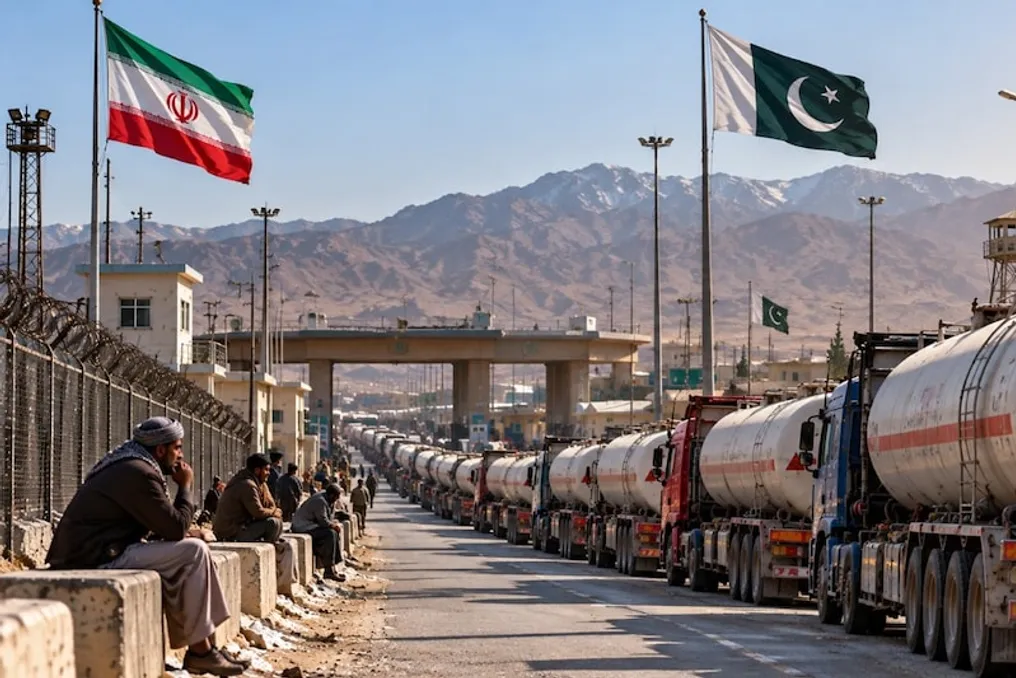
In mid-October 2026, two key border crossings between Pakistan and Iran—Gabd-Rimdan and Taftan—were closed on October 17. The government of the Balochistan province in Pakistan attributed this move to security concerns and the need to curb smuggling, while Iran cited technical issues. Although some sources speculated about pressure or sanctions from the US, Pakistan directly denied this.

The closure of these borders severely disrupted daily supplies of liquefied natural gas (LNG) to Pakistan. Pakistan imports approximately 7,000 metric tons of LNG daily from Iran, with over 4,000 tons coming only through Gabd-Rimdan. After the checkpoints stopped operating, hundreds of trucks were blocked on both sides; more than 4,500 metric tons of gas were stranded on the Iranian side. This immediately caused a shortage in the market and a sharp rise in prices.

Pakistan imports about 70 percent of its annual LNG requirement, which is around 2 million tons, while domestic production covers only about 30 percent, or roughly 2,000–2,500 tons per day. Iran was the main source of this gas because it was an accessible and nearby supplier. Since imports through ports are limited, dependence on land routes was high, and the border closure completely destroyed this supply chain.

Later, the Gabd-Rimdan crossing was reopened for some Pakistani export goods, such as potatoes and bananas, but LNG imports remain suspended. Negotiations are underway, but supplies have not yet been restored. As the cold weather intensifies, demand is rising, exacerbating the situation. Families require more LNG for cooking and heating, especially in mountainous and remote areas.

According to Reuters, the price of a 12-kilogram cylinder rose from 4,500 rupees to 7,000 Pakistani rupees ($25) in just a few days, and in some cities, it rose even higher—to 7,500 rupees in Lahore and up to 8,200 rupees in Skardu. Reports have emerged of sales at prices exceeding double the cost. Traders warn that prices could continue to rise if disruptions persist.

The ordinary citizen bears the brunt of this crisis. Previously affordable gas has become expensive, increasing the burden on family budgets. Complaints about speculation and stockpiling have been reported in some areas. Traders and transporters are also incurring losses due to blocked vehicles and the risk of cargo spoilage.

This crisis affects not only energy but also broad trade and diplomacy, as trade turnover between Pakistan and Iran is estimated in billions of dollars. The border closure has negatively impacted traders on both sides. Pakistan received cheaper LNG from Iran, which cost less than the international benchmark. Now, alternative sea routes are proving more expensive and time-consuming.

There are demands for the government to increase domestic production, accelerate imports from other countries, and improve pricing mechanisms. The industry side advocates for weekly or daily pricing to reflect the real market conditions. While acknowledging the need for security and control over smuggling, the needs of the population cannot be ignored. Given the rising demand in colder months, a swift resolution is critical.

Currently, both countries are in negotiations. Pakistan is trying to balance ensuring energy security with maintaining neighborly relations. If supplies are not restored soon, inflationary pressure may intensify, which will severely impact low-income families. There is a need to increase domestic production, improve inventory management, and develop alternative import routes.

Popular