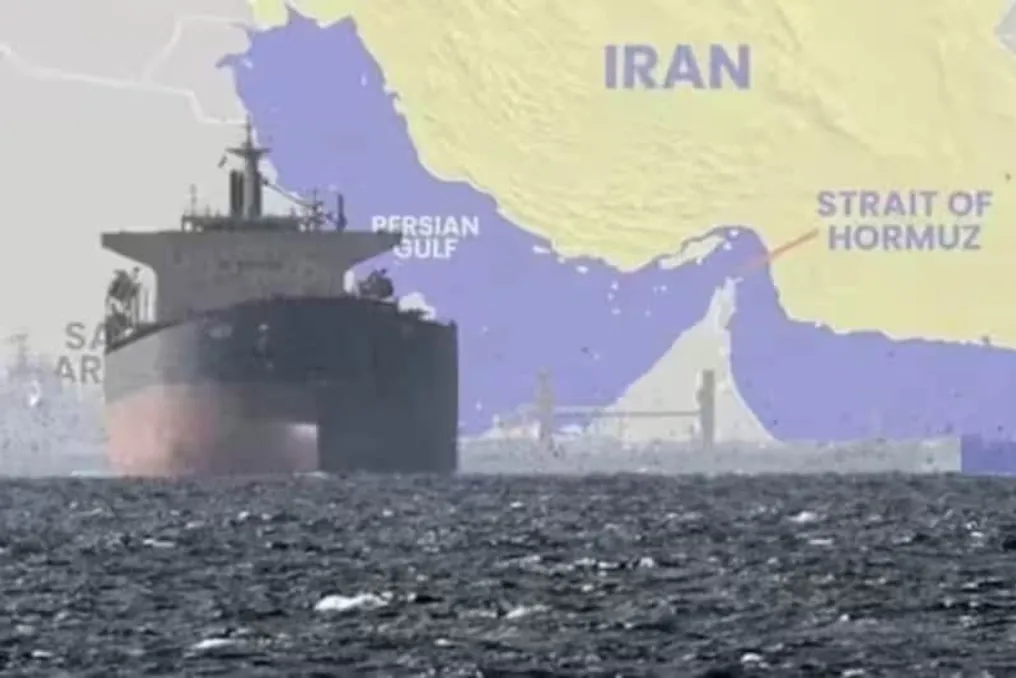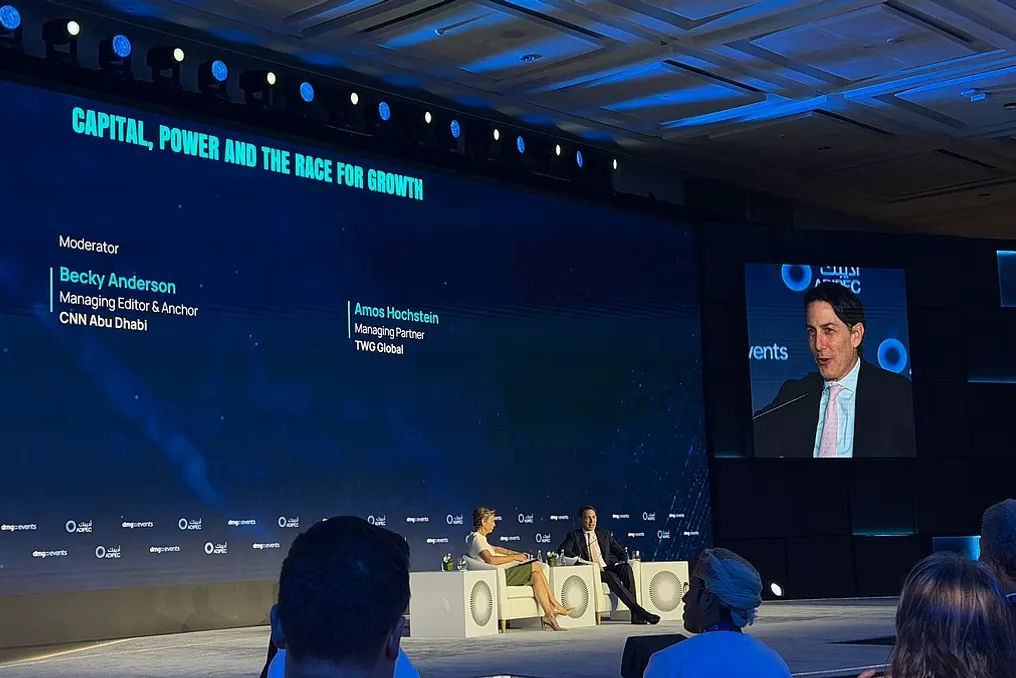
Former US energy envoy Amos Hochstein stated at the Adipec 2026 conference that disruptions in the Strait of Hormuz have significantly increased the costs of global energy transportation and insurance, while the rapid development of artificial intelligence creates additional strain on electrical infrastructure.
Speaking during a session titled 'Capital, Power, and the Race for Growth,' Hochstein, Managing Partner of TWG Global, noted that transportation and insurance costs now account for over 30 percent of the barrel's cost, compared to approximately 5 percent before the conflict.
He warned that continued energy supply through the Strait of Hormuz does not guarantee a return to normal trade conditions, pointing to heightened security requirements and increased expenses.
AI is Pressuring Power Grids
Hochstein emphasized that the most serious challenge with the expansion of artificial intelligence is not simply producing more electricity, but ensuring sufficient capacity to deliver it through existing electrical grids.
He cautioned that rising electricity bills in regions where data center construction is rapidly developing could undermine public support for AI investments.
UAE as a Key AI Partner
Hochstein characterized the United Arab Emirates (UAE) as a vital partner to the United States in the development and implementation of artificial intelligence, noting the country's leadership in adopting new technologies.
According to him, the region should continue to develop AI infrastructure while strengthening physical protection, backup systems, and operational resilience.
He called on governments to participate more actively in financing strategic infrastructure, including pipelines, electrical connections, and alternative supply routes. Hochstein believes that government funding can reduce investment risks and attract private capital to projects aimed at enhancing energy security.
Furthermore, he pointed to the potential of data centers, advanced nuclear technologies, small modular reactors, and fusion energy, but warned that higher energy prices and interest rates could complicate the financing of large-scale projects.