Apple exceeds sales and profit expectations, but AI costs impact holiday sales
Read more
IOL
iol.co.za

Apple exceeds sales and profit expectations, but AI costs impact holiday sales

Apple reported exceeding analysts' expectations for its latest financial results on Monday. The iPhone manufacturer stated that it achieved 'record revenue' for the third quarter, covering the period from July to September. Revenue growth was driven by iPhone sales and service income, but increased expenses related to artificial intelligence are expected to put pressure on margins.

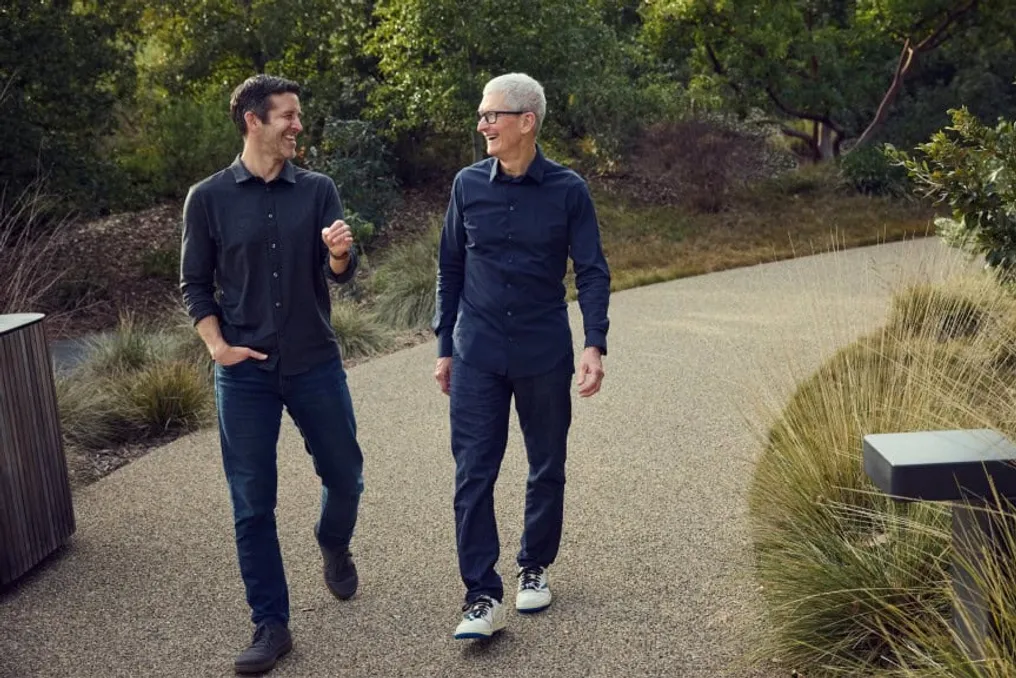
CEO John Ternus, who took over from Tim Cook in September, stated in a statement before the analyst call on Monday afternoon: 'We are concluding the year with our most ambitious product lineup to date.' Ternus hinted at an optimistic sales forecast for recent devices, including the foldable Duo, during the holiday season.

Nevertheless, CFO Kevin Parek warned that Apple's gross margin would slow slightly at the end of the year compared to the Q3 margin of 47.9 percent. Parek specified that the expected gross margin would be in the range of 45 to 46 percent. This is mainly due to increased memory costs, as well as expenses related to the launch of Siri AI.

In June, the company updated its digital assistant Siri in partnership with Google, utilizing the Gemini model to enhance the new Siri AI. Apple attempted to dispel investor concerns regarding rising AI costs. Parek noted that, in his opinion, AI provides a compelling reason for customers to upgrade their devices and adopt new features, and also opens up opportunities in third-party applications, partnerships, and proprietary products.

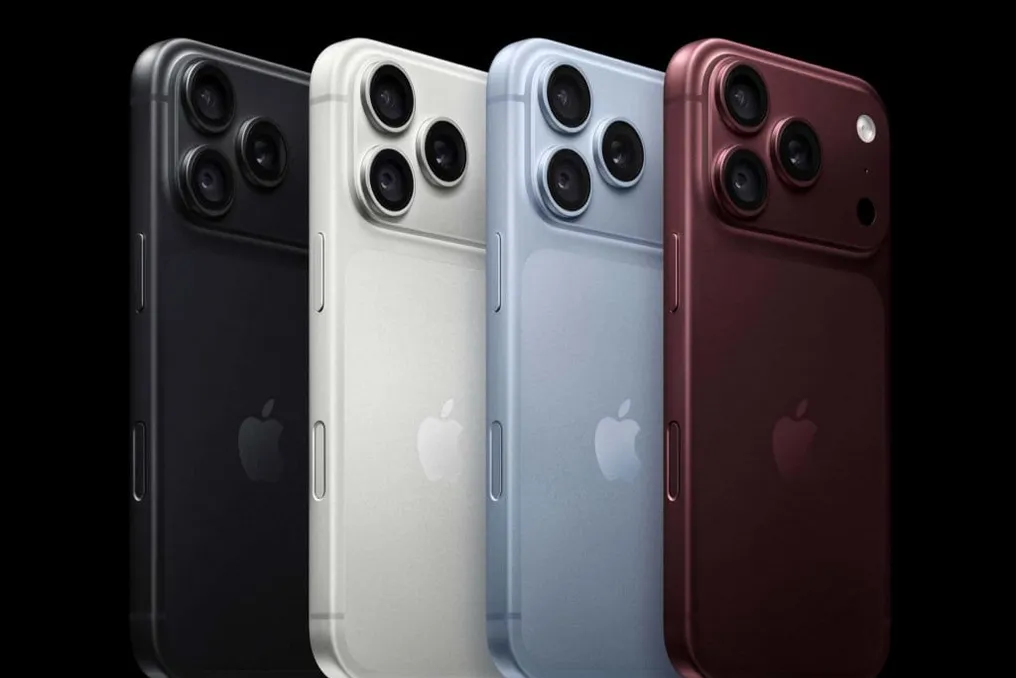
In September, Apple released three new phones—the 18 Pro, 18 Pro Max, and its first foldable phone, the Duo—in addition to two new desktop computers. In October, the company introduced the new smart display HomeView, powered by Siri AI, and the first touchscreen MacBook Pro. In July, the Apple Upgrade program was launched, allowing customers in the US to pay for iPhones or other gadgets through monthly installments.

Apple, which has long been criticized for lagging in the AI race, may benefit from its competitors' significant spending on data centers while keeping its own investments moderate. Analysts predicted that the Cupertino giant would spend $11 billion over the 12 months ending in September, when its fiscal year concludes.

This amount represents only a small fraction of the annual expenditures of Microsoft, Alphabet, Amazon, and Meta, which analysts estimate plan to spend over $700 billion on capital investments this year. These funds are primarily directed towards AI infrastructure, and their volume is comparable to the economies of Argentina or Belgium. In July, Meta announced plans to spend $145 billion this year, nearly double what was spent in 2026. Last week, Amazon announced plans to spend $220 billion this year, and Microsoft expected to spend $170 billion by the end of the year. The latest forecast for Alphabet's spending is between $195 and $205 billion in 2026.

However, the iPhone manufacturer is involved in litigation with one of its close AI partners. In July, Apple filed a lawsuit against OpenAI, accusing the company of organizing a campaign to steal trade secrets from the iPhone manufacturer, as the AI lab attempts to develop its own consumer hardware device. OpenAI's flagship product, ChatGPT, has been integrated into Apple products since 2024.
Similar stories

Apple surpasses expectations and achieves best financial result in its history
Read more
olhardigital.com.br

Apple surpasses expectations and achieves best financial result in its history

Apple reported revenue of US$ 114.5 billion (about R$ 622.7 billion) in the fourth fiscal quarter of 2026, which ended on September 26. This figure represents a 12% growth compared to the same period last year, setting a new quarterly record. Net income also increased, reaching US$ 30.7 billion (R$ 167 billion), corresponding to an annual increase of approximately 12%.

The financial data was made public this Monday (2) and exceeded Wall Street forecasts. The success was mainly driven by sales of the iPhone 18 Pro, while the services division also recorded its highest revenue ever.

Diluted earnings per share were US$ 2.10 (approximately R$ 11.42), marking a 14% advance over the fourth fiscal quarter of 2025. The gross margin stood at 47.9%, positively benefited by a tariff adjustment of approximately one percentage point.

This was the first quarterly report under the management of John Ternus, who took over as CEO in September, succeeding Tim Cook. The smartphone division was the highlight of the balance sheet, with iPhone revenue reaching US$ 57.6 billion (approximately R$ 313.2 billion), a 17% growth compared to the third quarter of 2025.

This result surpassed analyst estimates, which predicted around US$ 56.5 billion (R$ 307.4 billion). Strong demand for the iPhone 18 Pro models contributed to sales, despite the company's new approach to distributing device launches throughout the year.

The services division also showed remarkable performance, with revenue of US$ 31.6 billion (R$ 171.7 billion), an increase of about 10% compared to last year and a new historical record. This segment includes activities such as Apple Music, iCloud, and the App Store.

Additionally, the Mac computer division generated US$ 10.8 billion (R$ 58.7 billion), representing a growth of approximately 24% compared to the same period last year, also exceeding market projections.

Conversely, two product categories registered a decline. The results indicate that Apple's growth remains primarily concentrated in the iPhone and services, although computers have shown considerable expansion.

Despite the positive performance, the company faces the challenge of increasing costs for components used in manufacturing its devices, particularly memory chips. This cost increase is attributed to higher demand for such components, which is also stimulated by the expansion of artificial intelligence (AI) infrastructure.

According to John Ternus, higher prices for certain products helped partially mitigate this pressure on margins. Apple raised the prices of specific models in the iPhone 17 line by US$ 100 and also adjusted the prices of some MacBook computers.

The gross margin of 47.9% was higher than the 47.5% projected by analysts consulted by LSEG. Another aspect highlighted by the CEO was the functioning of the revamped AI Siri, which currently processes about 2.5 billion requests daily.

Apple also commented on the launch of the iPhone Duo, the company's first foldable smartphone, which occurred in October. The device sold out quickly online and caused queues in stores, but demand remains above supply capacity. In an interview with Reuters, Ternus confirmed that only a small fraction of units were returned due to screen issues, and the company is replacing these devices. The executive admitted that there is still no forecast to match supply and demand.

Since the iPhone Duo was launched on October 23, its sales were not included in the balance sheet released this Monday; the results of this device should appear in the next fiscal quarter.

The fourth quarter performance allowed the company to conclude its best fiscal year in terms of revenue. In 2026 cumulatively, Apple generated US$ 28 billion (R$ 152.3 billion) in operating cash flow during the fourth quarter, an amount returned to shareholders via dividends and stock buybacks. The board of directors also announced a dividend of US$ 0.27 per share (approximately R$ 1.47), scheduled for payment on November 16.

Despite the financial surplus, Apple's shares suffered a slight drop of about 1% in after-hours trading, amid sector volatility.

AI-driven chip price hikes reduce Apple's negotiating power with suppliers
Read more
olhardigital.com.br

AI-driven chip price hikes reduce Apple's negotiating power with suppliers

The sharp increase in flash memory costs, driven by the growing demand from artificial intelligence companies, has significantly altered the relationship dynamic between Apple and its supply partners. The company, which previously exerted great pressure for discounts, now faces higher expenses and diminished negotiating power.

According to TechInsights, the prices of these memories grew fivefold in the last year, strengthening the commercial position of manufacturers like Kioxia. For many years, Apple held the title of the world's largest buyer of flash memory, an essential component for storing data such as photos, music, and applications.

Previously, Apple's purchasing volume allowed it to demand low prices and favorable contractual terms. Two years ago, Apple purchased almost twice the amount jointly acquired by Microsoft, Amazon, Meta, and Google, according to TechInsights estimates. Currently, these four corporations together account for double the market share that Apple once held.

In 2026, Meta, Microsoft, and Amazon signed long-term supply contracts with Kioxia, agreeing to accept higher prices. These agreements also guarantee the manufacturer's profits should there be changes in the market scenario.

Although flash memory represents a smaller portion of the total cost of a data center compared to iPhone production, accounting standards allow these costs to be distributed over several years, which helps justify the higher payment made by AI companies for the components.

TechInsights projects that Apple will invest US$ 25 billion (approximately R$ 131.25 billion) in flash memory in 2026, compared to the US$ 6 billion (R$ 31.5 billion) forecast for 2025, to acquire a similar amount of material.

This increase caught Apple by surprise, even after prior warnings from analysts, according to sources familiar with the company's purchasing practices interviewed by The Wall Street Journal. In 2023, the price of flash memory reached five cents per gigabyte; with the demand from the AI sector, this value exceeded 30 cents, representing a jump of over 500% from that previous level.

The increased cost directly impacts the profitability of higher storage capacity versions. In the iPhone 17 Pro, Apple charged an extra US$ 200 for the 512 GB version compared to the base 256 GB model. At that time, the cost of the additional memory for the company was US$ 15, which rose to US$ 66.

An analysis by The Wall Street Journal indicates that, from the launch of these products until 2025, Apple generated, on average, more than US$ 0.80 in gross profit for every dollar charged for extra storage on iPhones and iPads.

Cost pressure is also accompanied by product price adjustments. In recent months, Apple has adjusted almost its entire line, registering an average increase of 13% in iPhones, including older models that are often more affordable with the arrival of new releases.

Walt Coon, an analyst at TechInsights, summarized the transformation in supplier positioning: 'Historically, Apple negotiated extremely rigorously with memory suppliers. And there is no shortage of satisfaction among suppliers now that the balance of power is shifting.'

The relationship between Apple and suppliers took shape in 2001 when Toshiba engineers presented the company with a 1.8-inch, 5 GB hard drive. Apple secured exclusive rights to this component, which became central to the iPod.

In 2005, the company began using flash memory in the iPod Nano and prepaid US$ 1.25 billion to secure supply until 2010. The launch of the iPhone in 2007 expanded its purchasing power and consolidated a negotiation tactic focused on low prices, financial audits of manufacturers, and contracts aiming for commercial conditions equal to or better than those offered to other clients.

In 2023, when reduced device demand caused memory prices to fall, Bernstein Research predicted operational losses of US$ 19 billion for the sector. In the same year, Apple earned US$ 14 billion in gross profit from the sale of additional storage. However, the expansion of artificial intelligence infrastructure raised demand and component costs, strengthening manufacturers in negotiations. The company that once used its purchasing power to impose terms now faces a market where securing supply means accepting higher costs.

Infosys reports 29% growth in AI revenue; Apple's iPhone Duo fully booked in first week
Read more
yourstory.com

Infosys reports 29% growth in AI revenue; Apple's iPhone Duo fully booked in first week

Cybercriminals quickly exploited the software leak for profit. After vulnerabilities in PHP became public, Cloudflare recorded millions of exploitation attempts, highlighting the speed at which attackers can target open systems. The rise in attacks has once again raised concerns about the security of widely used systems and the urgent need to patch vulnerabilities.

Meanwhile, Apple appears to have captured the interest of premium smartphone buyers in India. It is reported that the company's first foldable model, iPhone Duo, sold out completely through pre-orders within the first week. This response indicates sustained demand for high-end devices as Apple enters the foldable phone market.

However, not all digital trends bring good news. The Securities and Exchange Board of India (SEBI) warned investors against fraudulent groups on WhatsApp that promise stock profits. Such groups may use fabricated reviews and misleading statements to gain trust before offering unauthorized trading advice or suspicious applications. Investors were advised to verify intermediaries before making any decisions.

Regarding the job market, a Quess Corp report forecasts the creation of 67,000 jobs in 2026 in India's global healthcare competency centers. Demand for specialized talent in technology and healthcare operations is expected to support this growth, strengthening the sector's shift towards more technology-driven work.

Infosys reported stable growth in the second quarter of fiscal year 27, with artificial intelligence becoming a key revenue source amid ongoing macroeconomic uncertainty. Nevertheless, slowing demand in North America and industry challenges negatively impacted its forecasts. The IT giant lowered its annual revenue growth forecast to 1–2% from the previous 1.5–3%, despite successfully closing major deals.

Discussion on the impact of AI on creative processes

At the TechSparks 2026 event, Chandrika Deb from Canva India discussed how AI is transforming workflows in creativity and workplace collaboration. She emphasized that human judgment and intent remain critically important for creating relevant content.

Popular