
Google revealed that the virus was installed on 1.3 million devices, conducting surveillance
Read more
Aaj Tak
www.aajtak.in

Google revealed that the virus was installed on 1.3 million devices, conducting surveillance

Google made a major announcement that one of its Android partners intentionally installed malware on 1.3 million devices. Subsequently, a botnet was created through which users' devices and their internet connections were secretly used.

According to the report, this illicit activity was carried out by the manufacturer VideoStrong Technology, based in Shenzhen, China. Google specified that this malware was primarily found in Android TV set-top boxes. With this software, the company obtained permission from its 'criminal accomplices' to use users' internet connections without their knowledge.

In its blog, Google stated that it is fully confident that VideoStrong Technology developed and installed this backdoor and botnet for financial gain, and subsequently controlled them.

The company emphasized that this was not the result of an error by any single employee or oversight during development. Consequently, Google banned VideoStrong Technology, which can no longer create certified Android devices or provide software for them.

VideoStrong Technology is a company involved in Original Equipment Manufacturing (OEM) and Original Design Manufacturing (ODM). In addition to preparing products for its clients, it also releases its own products. The company was founded in 2011, and according to its website, its products have reached over 100 million households in more than 60 countries.

Google explained that a botnet is a network of infected devices. Attackers can take control of a device after the malware is installed. Infected devices are used for advertising fraud, data theft, and malware installation.

Most of the infected devices were Android TV set-top boxes, but the malware was also found in telemedicine devices, karaoke machines, and digital signage systems. The company also took legal action to disable the domains and servers controlling the botnet.

This case is not the first; similar incidents have occurred before. Last year, German authorities blocked a botnet called BadBox, which affected millions of Android devices. Furthermore, another botnet named Vo1d infected about 1.6 million Android televisions.
Similar stories

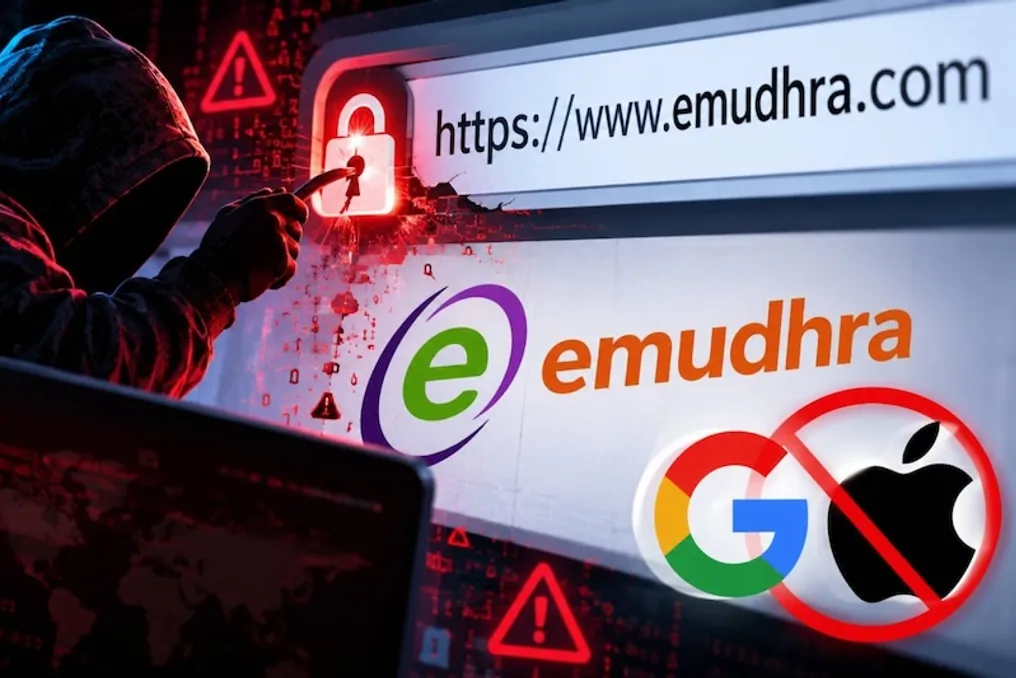
Google and Apple Block Weak Certificates Due to eMudhra Flaw Threatening Internet Security
Read more
www.aajtak.in

Google and Apple Block Weak Certificates Due to eMudhra Flaw Threatening Internet Security

When visiting a website, the presence of an HTTPS icon and lock is usually perceived as a guarantee of security. However, a problem arises if the digital certificate securing the site contains flaws. This incident is related to the company eMudhra, after which tech giants like Google and Apple were forced to take measures to ensure security.

It was discovered that a vulnerability in the cryptographic key was found in eight eMudhra digital certificates. This key is necessary to protect the identification of the website and confirm its authenticity. According to the report, these keys lacked proper randomness, which could have made them easier to compromise.

What are these security keys?

Simply put, a digital certificate serves to verify the identity of a website on the internet. When a user opens a site, the browser checks the reliability of its certificate. Cryptography, meaning a special security key, is used in this process. If weaknesses are found in such keys, attackers may try to exploit them. They can create a fake certificate mimicking a real website.

In some scenarios, this can cause users difficulty in distinguishing between a fake and an original site, increasing the risk of stealing confidential information such as passwords.

What did Google and Apple do?

After this issue became public, Google, Apple, and Mozilla took steps to block the affected certificates. The goal of these measures is to prevent browsers and devices from trusting these vulnerable certificates. Although no evidence of fake certificates created using these weak keys was found in the public certificate registry, this does not rule out the possibility of all potential threats arising.

What should users do?

Regular users are advised to regularly update their browsers, smartphones, and operating systems. Problems related to security may persist on old devices or in software that has not been updated for a long time. This case highlights that internet security is not limited to just having a lock icon; the reliability of digital certificates and their keys, which protect website identification, is critically important.

Popular