Anthrax Threatens Hippopotamus Population in Virunga National Park, DRC
Read more
Getaway
getaway.co.za

Anthrax Threatens Hippopotamus Population in Virunga National Park, DRC

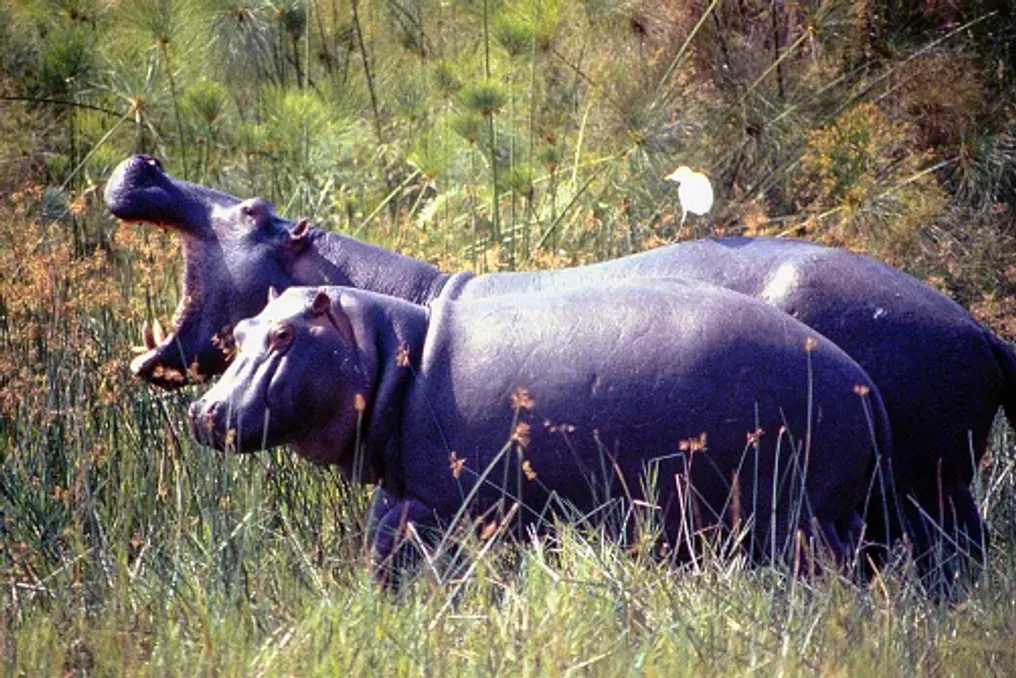
In the Semuliki River ecosystem, located near Virunga National Park in the Democratic Republic of Congo, an outbreak of a deadly disease has resulted in the death of at least 28 hippos. This situation raises serious concerns regarding wildlife conservation and the health of local communities.

The animal deaths were recorded over approximately four weeks, with initial reports appearing in mid-September 2026. Laboratory tests confirmed that anthrax, a bacterial disease caused by Bacillus anthracis, was the cause of the fatalities.

Residents living along the Semuliki River began noticing hippo carcasses in the water back in September, which sparked concern over the rising number of deaths. This outbreak occurs against the backdrop of the DRC's ongoing struggle with a severe Ebola epidemic, placing additional pressure on communities already facing public health challenges.

Anthrax is a potentially fatal infectious disease affecting both domestic and wild animals. The spores of this disease can persist in the soil for decades, making the eradication of outbreaks particularly difficult after contamination of the area.

Virunga National Park staff warn that the disease can be transmitted to humans through contact with infected or dead animals, as well as through the consumption of contaminated meat. Authorities have strongly urged residents not to touch, skin, or consume any animals found dead in the affected zone. Local residents are also advised to report carcasses and suspicious cases to the relevant authorities.

Park teams are conducting continuous monitoring of the affected areas, documenting new instances of wildlife mortality and coordinating the safe disposal and handling of carcasses.

The loss of hippos is particularly alarming because these large herbivores play a critical role in maintaining healthy aquatic ecosystems. They are often referred to as 'ecosystem engineers'; they move nutrients between land and water through their feeding and waste, thereby influencing the ecological balance of rivers and adjacent habitats.

Anthrax outbreaks are not new to Virunga. Park officials note that previous incidents have affected hippos and other wildlife, especially during dry seasons. Climate change may increase the risk of infection: when vegetation becomes sparse, herbivores gather around limited grazing areas and water sources, increasing the likelihood of contact with contaminated soil.

According to Al Jazeera, environmental pressures, the persistence of anthrax spores in the environment, and difficulties in monitoring wildlife status contribute to recurring outbreaks. The scale of the latest incident is worrying, especially considering that a previous outbreak in Virunga in 2025 claimed the lives of 65 hippos.

Despite these losses, park estimates conducted in February 2026 indicated that over 2700 hippos remained in the ecosystem, distributed across 171 groups. Virunga National Park, established in 1925, is Africa's oldest national park and one of the continent's most vital biodiversity conservation areas.

Located in eastern DRC, the UNESCO World Heritage site is known for its rich diversity of habitats, including tropical forests, savannas, wetlands, and volcanic landscapes. It is also home to mountain gorillas, forest elephants, hippos, and numerous other species of wildlife.

However, conservation efforts are complicated by decades of armed conflict in the region. According to Al Jazeera, ongoing instability has facilitated poaching, deforestation, and hindered the protection of certain parts of the park. Virunga representatives have also reported losing control over significant areas of the park over the last four years due to fighting between the Congolese army and the M23 armed rebels. These issues make monitoring wildlife populations and responding to disease outbreaks extremely challenging.

The latest outbreak underscores the close link between wildlife conservation, environmental health, and human well-being. Conservation experts have called for enhanced disease surveillance, improved carcass management, and closer collaboration between wildlife services, public health authorities, and local communities. Protecting the Virunga hippos is not just about saving one species; their movement and feeding habits help sustain ecological processes that support the existence of other wildlife and aquatic habitats. The park continues to monitor the outbreak, and the situation serves as a reminder of the environmental pressures faced by some of Africa's most important protected wilderness areas.
Similar stories

Japanese macaques develop germ phobia after surviving disease outbreak
Read more
super.abril.com.br

Japanese macaques develop germ phobia after surviving disease outbreak

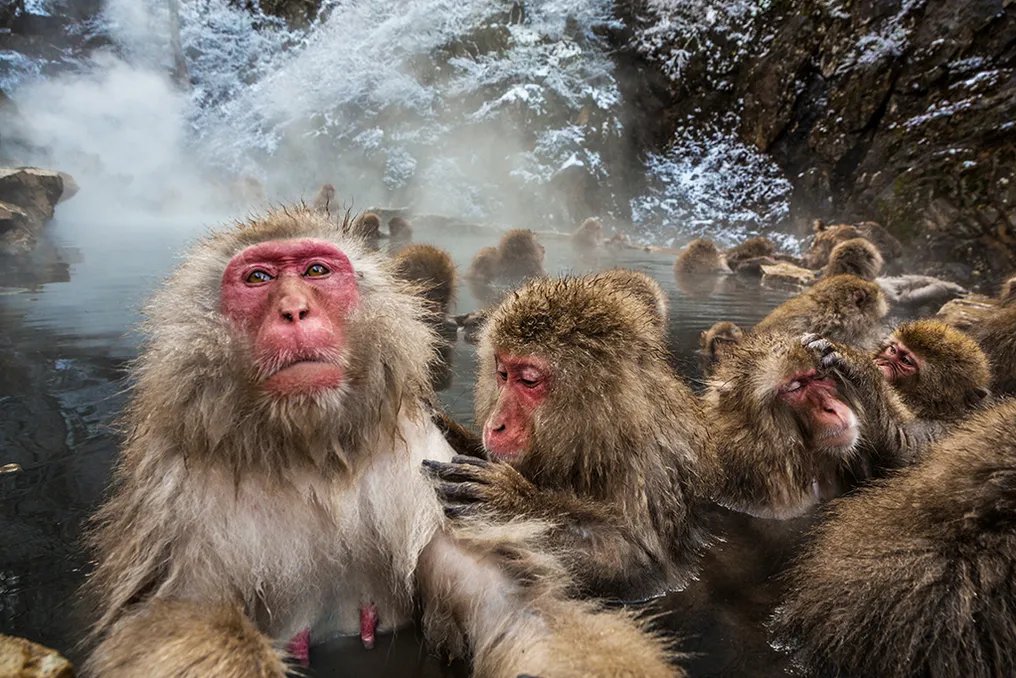
Some Japanese macaques in Texas have begun to show a pathological aversion to germs after surviving an epidemic outbreak of disease, similar to what occurred in early 2020 when much of the world was focused on preventing Covid-19.

After witnessing the devastation of their sanctuary by a contagious and deadly pathogen, these primates started adopting stricter precautions regarding food that appeared contaminated. Researchers suggest that due to the social learning capacity of primates, this aversion to parasites and germs may be transmitted among group members and persist over time.

Federico Rossano, the study's author, stated in a release that this finding demonstrates that germophobia also occurs in non-human primates. He explained that even without understanding the mechanism of disease transmission, exposure to individuals who fall ill and die alters the probability of the animals developing behaviors that could lead to illness.

This behavior was detailed in an article published in the journal Royal Society Open Science and may be crucial for scientists investigating the evolutionary origins of disgust, a fundamental emotion in the behavioral immune system used by animals to avoid harmful biological agents.

The studies were conducted at the Born Free USA Primate Sanctuary, located in southern Texas, an organization that had recently suffered a tragedy. Simian retrovirus (SRV) affected the Japanese macaques, resulting in dozens of deaths caused by immunodeficiency (similar to AIDS) and chronic wasting syndrome.

Given that SRV is highly transmissible—being spread through saliva, urine, blood, bites, scratches, and direct contact—infection from contaminated fluids can evolve rapidly, leading to death in about three to four weeks after contamination begins.

To manage the outbreak, the sanctuary implemented a protocol of separation, testing, and quarantine for the macaque groups. This generated four categories of groups: three that had been exposed to the outbreak (either by falling ill or by witnessing others fall ill) and one control group that had no interaction with SRV.

This situation established a unique natural experiment. Within the exposed groups, some individuals were infected, while others lived with sick macaques without contracting the infection. This allowed researchers to analyze whether merely experiencing an outbreak, even without getting sick, would alter animal behavior.

Fifty-five macaques underwent a choice test. In one container, grapes were placed on a clean wooden surface; in another, the same grapes were on a surface covered with monkey feces and coated with epoxy resin, which ensured protection against infection risks. Theoretically, the grapes attract the Japanese macaques because they are a rare treat at the sanctuary.

Previous research has indicated that feces are not always a repellent factor when there is an attractive reward, as monkeys consumed the food even on contaminated surfaces when presented with a preferred snack, such as peanuts. However, with less palatable meals, they avoided the dirty area.

However, in this specific experiment, the macaques that had experienced the SRV outbreak showed a lower inclination to ingest food from the contaminated surface. They consumed from the contaminated area in only 47% of attempts, compared to 79% observed in macaques from the group that never experienced the outbreak.

A notable aspect was that even macaques who did not contract SRV but merely witnessed others fall ill exhibited behavioral patterns similar to those of the infected. This suggests that the behavioral modification is linked to the experience of the outbreak, and not exclusively to having become ill.

Newcastle Disease detected in Brazil does not pose a risk to humans, but requires rigorous sanitary control
Read more
super.abril.com.br

Newcastle Disease detected in Brazil does not pose a risk to humans, but requires rigorous sanitary control

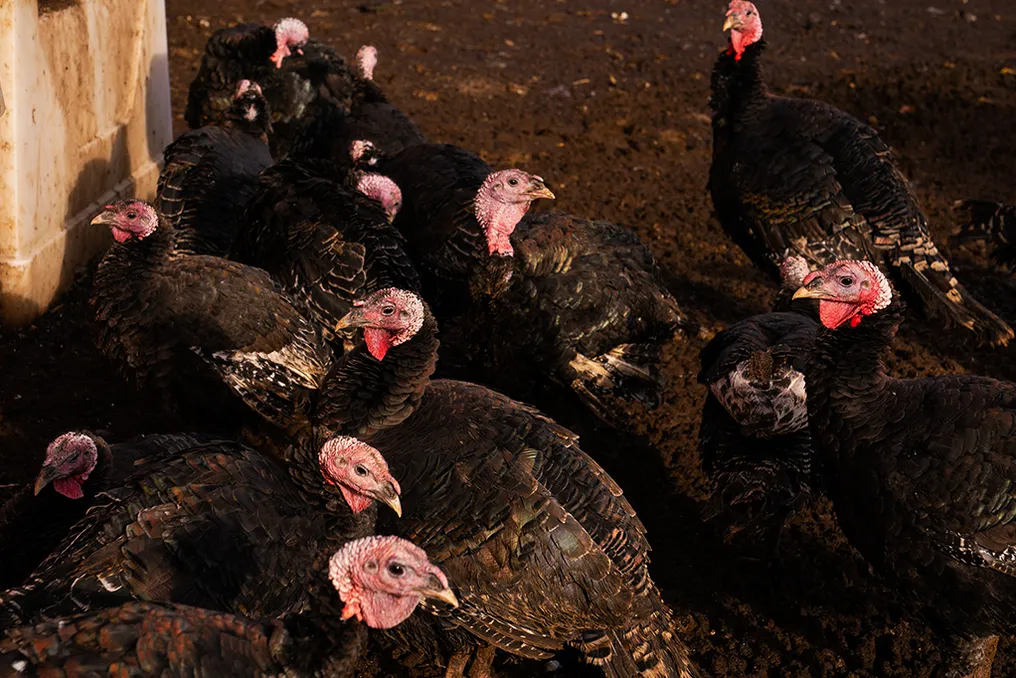
The Ministry of Agriculture and Livestock confirmed the identification of an outbreak of Newcastle Disease (NDV) on a turkey farm located in the municipality of Nova Itaberaba, western Santa Catarina. Although the virus was detected in laboratory analyses, the affected animals showed no visible clinical signs.

This outbreak has led to partial or total suspensions in the purchase of Brazilian chicken by countries such as China and Mexico. However, authorities assure that the disease does not constitute a danger to human health.

Although human contamination is theoretically possible, it is described as extremely rare and mild. Consuming sick chickens that have been properly cooked does not transmit the illness. Cases in humans tend to occur in individuals who have direct contact with the birds, and they can be prevented through the correct use of Personal Protective Equipment (PPE).

When a human infection occurs, Newcastle Disease manifests symptoms similar to a common flu or mild conjunctivitis, conditions that usually resolve spontaneously.

NDV is caused by a strain of the Orthoavulavirus javaense and primarily affects birds. Its main characteristic is being highly contagious, spreading mainly through direct contact between healthy birds and secretions from contaminated birds.

All secretions from carrier animals carry a high amount of the NDV-causing virus, which has the ability to survive for days or weeks on surfaces. This combination facilitates the spread of the disease through mechanical routes, such as through clothing and footwear soiled with these secretions.

In commercial breeding environments, the confinement system significantly accelerates transmission. According to an informational material from the World Organisation for Animal Health, when the virus enters a vulnerable flock, almost all birds can be infected within a period of two to six days.

Contamination can be asymptomatic, as observed in the farms in SC. If symptoms appear, the virus affects the respiratory, nervous, and digestive systems of the birds. Clinical signs include difficulty breathing, nervous manifestations (such as depression, loss of appetite, muscle tremors, wing drops, head and neck twisting, circular movements, and total paralysis), swelling in the tissues around the eyes and neck, watery and greenish diarrhea, as well as eggs with thin or rough and deformed shells, resulting in lower egg production.

The mortality rate can reach 100%. Due to this, there is a specific protocol for managing outbreaks or epidemics of Newcastle Disease. Necessary actions include implementing quarantines, humane slaughter of all infected or exposed animals, followed by proper disposal of carcasses and general disinfection of the facilities.

Celes Regina de Matos, president of Cidasc, told Agência Brasil that the team is already on site, working on containing and eradicating the virus. She emphasized that the location will be treated as an outbreak focus, and eradication and disinfection will be carried out until the focus is eliminated. Cidasc will only leave the site after this elimination, aiming to do so as quickly as possible. Once the focus is controlled, everyone will be notified, fulfilling the commitment to the external market, which depends on the health of the flock to guarantee imports.

Popular