Silent epidemic among diabetic and hypertensive patients identified in Kenya
Read more
IOL
iol.co.za

Silent epidemic among diabetic and hypertensive patients identified in Kenya

The burden of non-communicable diseases (NCDs) is growing in Kenya, putting increasing pressure on the public healthcare system. The story of Anthony Osinyo, who was only 17 years old, illustrates this problem: he suddenly lost weight, began experiencing dehydration and frequent urination, which ultimately led to vision loss. After visiting several hospitals in the Homa Bay county, Kenya, where he was treated for various conditions, his health continued to deteriorate.

Osinyo reported that no one could determine the cause of his malaise, and due to significant weight loss, villagers suspected he had HIV. However, only after a relative suggested checking his blood sugar level was he diagnosed and began treatment for type 1 diabetes after weeks of uncertainty.

Michael Ochola, an employee of the Kenyan Ministry of Health responsible for NCDs and mental health, noted that the scale of the problem is evident in local hospitals. He emphasized that there are many undiagnosed cases, and the necessary infrastructure to mitigate the effects of these diseases has not yet been fully established.

In Homa Bay county, the situation of uncertainty persists. For Wellington Abongo, a hotel manager, symptoms appeared three years ago: insomnia, constant vomiting, weight loss, and dehydration. Like Osinyo, he did not know what was happening to him. Abongo also heard from others that he might have HIV, which caused him great fear. He admitted that his job involves consuming large amounts of unhealthy food, including fats and starches, as well as past alcohol consumption, which, as he now understands, contributed to the development of his condition requiring a lifestyle change.

Seventy-year-old William Nyovino, although he had read about diabetes, initially denied having the disease, attributing it to his own lack of knowledge. He recalled that books depicted people with hypertension as overweight and people with diabetes as wealthy, so since he was neither rich nor overweight, he refused to take prescribed medication out of ignorance.

Previously, studies by Doctors Without Borders (MSF) showed that one in five residents of Homa Bay county lived with HIV. In 1997, the organization began providing antiretroviral therapy to those without access to it, continuing this until it became available in public medical facilities in 2006.

Since 2021, the burden of NCDs has increased. Stephen Kimwaki, MSF's mobile health manager in Homa Bay, reported that in 2021 they shifted their focus to chronic diseases such as diabetes, hypertension, asthma, epilepsy, COPD, and sickle cell anemia.

Ochola specified that according to hospitalization statistics, 50% of cases are related to NCDs like diabetes, hypertension, and sickle cell anemia. Kimwaki added that the organization now runs chronic disease treatment clinics in the primary facilities of Nyalkinyi and Marindi, using simplified treatment protocols to bring care closer to patients and reduce complications. Their differentiated service model allows stable patients with diabetes and hypertension to receive more individualized care closer to their communities, aiming to improve adherence to treatment.

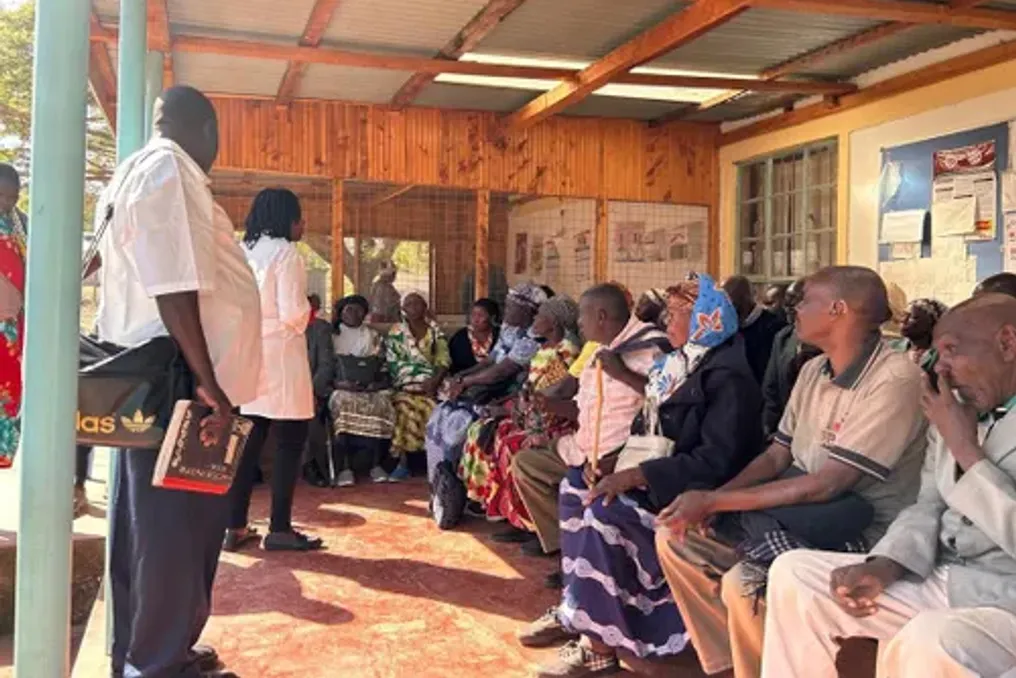
The experiences of patients in Homa Bay demonstrate the difficulties in diagnosing and managing chronic illnesses in communities where awareness of these conditions remains low. Kimwaki noted that many patients only sought medical attention after developing serious complications. At Marindi Sub-County Hospital, Dr. John Paul reported that patients came with issues such as diabetic foot requiring amputation, peripheral neuropathy with burning sensations in the lower limbs, and erectile dysfunction in some men.

However, following the initiation of public education initiatives by MSF, a decrease in complicated cases has been observed at the facility. According to MSF data for 2025, two chronic disease treatment clinics served 2805 patients, conducted 17249 consultations, and registered 1200 new patients. Another 389 patients were included in differentiated service programs at the institutional and community levels. Paul noted that over a thousand patients visited the facility.

He also stated that thanks to MSF's intervention, conducting educational talks in communities, the number of complications has decreased, and stability has been established in the community. Currently, hypertension control stands at about 86%, and diabetes control at 75%.

Paul added that many people required consultation after diagnosis because the initial acceptance rate was low due to a lack of knowledge about NCDs. Many came to doctors because of their lifestyle, stating that they used to be overweight and drink alcohol, claiming they 'used to enjoy life.' Clinicians confirmed that many rely on traditional healers for treating various ailments. Paul mentioned cases where people took prescribed medication but switched to traditional medicine after feeling better and subsequently worsened.

There was also a story of a person who took Chinese tea for diabetes for ten years. Only after losing vision, experiencing leg burning, and developing chronic liver failure did he seek medical help. Kimwaki explained that part of MSF's work involved engaging traditional healers, community leaders, and religious figures to educate them on proper treatment.

One of the key factors contributing to access to medication is its free provision. Two clinics, Marindi Sub-County Hospital and Nyalkinyi, provide medical care free of charge. For Abongo, who lives in Kisumu, three hours away from Nyalkinyi hospital, this means saving money as he does not have to pay for medicines.

Even after diagnosis, treatment can create additional difficulties. MSF provides its services for chronic disease treatment in Marindi and Nyalkinyi free of charge, assisting patients who previously had to pay for medications. One patient, Suleiman, recalled spending about 3000 Kenyan shillings monthly on medicine, which constituted a significant part of his pension.

Nevertheless, free medication does not eliminate all obstacles. For people with diabetes, access to food is closely linked to their ability to manage the disease. Molin Adhiambo, who has type 1 diabetes and is a mother of four children, said that sometimes it is difficult for her to find enough food before taking insulin, highlighting how poverty and food insecurity can complicate chronic disease management even with medical treatment available.

A health worker in Nyalkinyi, Collins Okumu, noted the positive impact of public health promoter work. He stated that thanks to MSF's community awareness raising, there is a reduction in complicated cases, and promoters can answer patients' questions anywhere.

The Kenyan Ministry of Health acknowledges that diabetic patients can spend thousands of Kenyan shillings, which is unaffordable for many ordinary citizens. Ochola concluded that these diseases kill everyone, regardless of social status, and that the poor suffer due to a lack of resources for proper medical intervention.

Okumu also mentioned that stigma persists around these conditions; some people believe the cause lies in spiritual aspects. He added that before seeking clinic care, many visit traditional healers or religious councils, hoping for healing through prayer.

}} , 3.

Similar stories

Drug shortages in public institutions threaten treatment for chronic patients
Read more
iol.co.za

Drug shortages in public institutions threaten treatment for chronic patients

The lack of medications in public healthcare facilities has prompted calls for urgent national intervention. Western Cape reports the distribution of medicines among both patients and the institutions themselves.

For individuals dependent on vital drugs to treat chronic diseases, the shortage can lead to therapy interruptions, dosage reductions, or substitution of medications with alternatives. This potentially can cause serious health problems such as epilepsy, stroke, or more severe conditions. Among the drugs experiencing scarcity are those for hypertension, cholesterol, diabetes, and mental disorders.

The National Department of Health (NDoH) informed The National publication about supply issues in certain areas and facilities, but did not provide data on the number of affected patients or specific missing medications.

An NDoH representative, Foster Mohale, noted that it is difficult to accurately count the number of affected patients because alternative drugs exist for those suffering from supply problems. The department stated that it is working to find medication replacements, and some patients may temporarily switch to other treatments until supply issues are resolved.

Supply chain disruptions exacerbate the shortage

The causes of the current supply problems stem from a combination of factors, including geopolitical tension in the Middle East, as well as instances of non-compliance with regulatory requirements by local manufacturers under the South African Health Products Regulatory Authority (SAHPRA). The department is actively engaging with suppliers and procuring alternative medicines from other sources to minimize the negative impact on patients. During this transition period, some patients may be temporarily prescribed clinically appropriate substitutes for the same conditions until supply restrictions are lifted.

NDoH emphasized its commitment to ensuring continuity of care and will continue to monitor the situation closely, collaborating with all stakeholders to restore normal supply levels as quickly as possible.

Dr. Edward Ngwenya, chairman of the South African Medical Association (SAMA), pointed out that drug supply limitations are not uniform across all facilities and provinces, and availability varies significantly. He specifically highlighted concern over the shortage of treatments for chronic diseases, including cardiovascular and other non-communicable diseases, as well as specialized drugs. In Ngwenya's view, the clinical significance of the shortage depends on the drug itself and the availability of a suitable substitute.

He explained that a shortage of a drug with a safe and readily available equivalent can be managed, whereas a shortage of a critical drug without therapeutic alternatives poses a significantly greater risk to patient safety. For patients with chronic illnesses, interrupting treatment can lead to poorer disease control, symptom exacerbation, or complications requiring hospitalization.

Doctors urge caution when substituting medications

Although SAMA supports the use of clinically sound alternatives to maintain continuity of care, Ngwenya insisted on the necessity of thorough clinical assessment when making such substitutions. Doctors must consider the active ingredient, dosage, strength, therapeutic equivalence, potential contraindications, and drug interactions, as well as the patient's other medical conditions and previous response to treatment. He also warned that changing the brand or packaging should not be assumed to mean a change in treatment if an equivalent product with the same active ingredient and strength is available from another approved manufacturer.

SAMA reported that it does not possess sufficient consolidated clinical data to quantitatively assess the degree of patient deterioration or attribute individual adverse outcomes solely to drug shortages. However, according to Ngwenya, it is clinically arguable that interruptions in vital treatment create a real and preventable risk, especially for patients dependent on uninterrupted intake of chronic or specialized medications.

The association called for enhanced national and provincial real-time monitoring of drug availability, earlier notification of supply delays, improved procurement planning, and accelerated redistribution of existing stocks among facilities. Clearer communication with doctors, pharmacists, and patients regarding expected shortages, their anticipated duration, and approved alternatives was also requested.

The City of Health and Wellness of the Western Cape, Mireille Wenger, appealed to the Minister of Health, Dr. Aaron Motsoaledi, to present a clear plan and timeline for restoring stocks and protecting patient access to necessary treatment. Her representative, Robin Thomson, confirmed that distribution is already taking place between patients and facilities. She added that the list of affected medications is constantly changing as new batches arrive and shortages occur, but if a specific drug is unavailable, a suitable alternative or a smaller quantity can be provided until supplies are secured. Teams are working on the fair distribution of available medicines and finding alternatives wherever possible.

In a parliamentary response in June, Motsoaledi named several medications affected by supply disruptions. These include antibiotics such as ciprofloxacin, flucytosine, fosfomycin, and mebendazole; anti-tuberculosis drugs containing rifampicin; oncology drugs including bleomycin, carboplatin, docetaxel, and filgrastim; insulin; and some pediatric antiretroviral drugs such as nevirapine and lamivudine. However, it was not possible to determine whether all these medications are currently facing shortages, as NDoH did not provide this information.

Opposition parties demand answers from the Ministry of Health. A DA party representative on health matters, Michelle Clark, stated that her party believes up to 50 critical medications are missing in the country. The party submitted a request under the Promotion of Access to Information Act for departmental stock reports from April to October 2026 and plans to raise this issue through parliamentary questions.

Stavros Nicolaou, chairman of the Pharmaceutical Task Team, recently pointed out several contributing factors to the shortage. He referred to global supply chain disruptions linked to the oil crisis in the Persian Gulf, noting that some pharmaceutical ingredients and excipients used in production are derived from oil. He also pointed to rising production costs that are not keeping pace with regulated drug prices, as well as the suspension of production capacity by regulators. Nicolaou called for greater certainty regarding procurement rules, local manufacturing policy, and drug pricing. The shortage also triggered warnings against purchasing medicines from street vendors, which followed the arrest of a man in Gugulethu who allegedly sold expired drugs.

Medication shortages at Retreat clinic cause patient dissatisfaction; Western Cape calls for national assistance
Read more
iol.co.za

Medication shortages at Retreat clinic cause patient dissatisfaction; Western Cape calls for national assistance

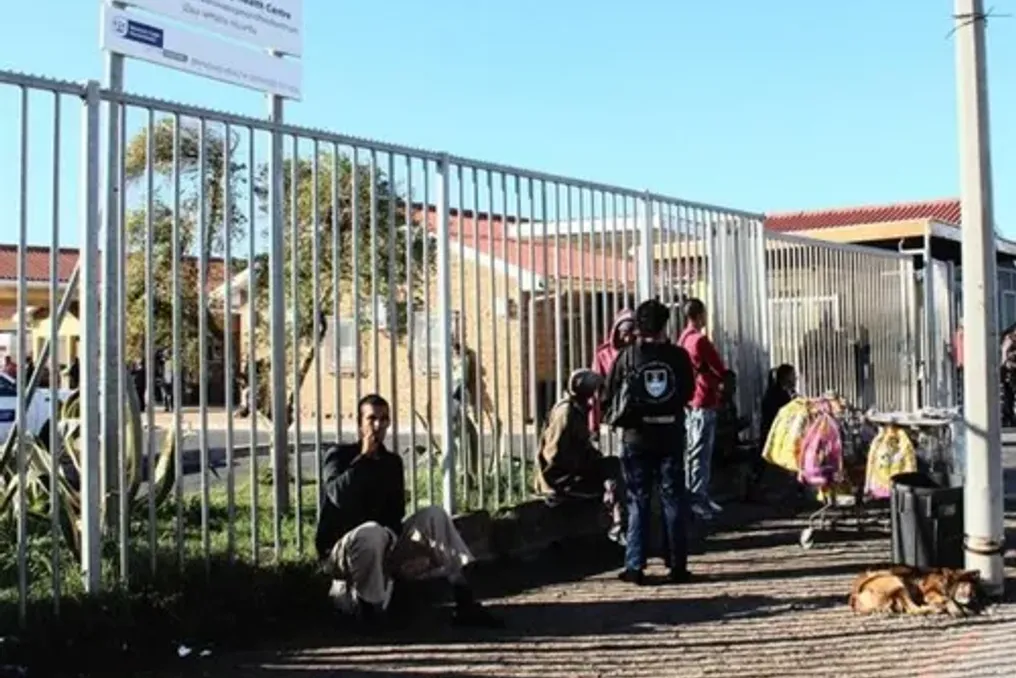
Patients at the Retreat Public Health Centre are facing drug shortages and long waiting times in queues. According to Ward 72 councillor Kevin Southgate, some residents are forced to return to the facility multiple times without receiving the necessary medication.

Southgate reported that his office has received numerous complaints, emphasizing that this situation places additional pressure on residents who already struggle to access the clinic. He told IOL Media: 'I have received several complaints from residents regarding the lack of certain medications.'

He noted that patients have to return to the centre repeatedly, sometimes leaving without prescribed drugs. 'This increases their anxiety levels and adds another layer of stress to an already strained life,' he added. The councillor also mentioned that his office is used as a collection point for some patients to reduce the need to queue at the clinic, but this arrangement does not help when medicines are out of stock.

Southgate concluded that the only recourse is to appeal to Provincial and National levels to ensure the procurement of necessary medications.

The Western Cape Department of Health and Wellness acknowledged that there is high demand at Retreat CHC, but assured that all patients seeking help are being supported. Monique Johnston, Assistant Director of Communications for District Health Services, stated that the facility serves approximately 750 visits daily, including scheduled appointments and walk-ins.

Johnston assured that all patients seeking assistance receive care and are not turned away. She specified that the centre employs five permanent doctors, three locum doctors, three public health officers, two interns, and four clinical practice nurses, depending on the rotation schedule. Regarding waiting times, Johnston explained that patients arriving without prior appointments are prioritized based on the urgency of their condition, which can lead to longer waits during periods of high demand.

Patients with stable chronic conditions may undergo a doctor's assessment, after which they can be registered to collect medication at an off-site dispensing location, helping them avoid long queues. Johnston also added that the department has not received any official complaints regarding waiting times in the last three months.

The Department indicated that the medication supply issues at Retreat are part of a broader national problem. Johnston stated that supply problems are occurring nationwide and affect all provinces, including the Western Cape. She reported that health teams monitor stocks, move medicines where possible, and provide suitable alternatives when necessary.

The Western Cape Minister of Health and Wellness, Mireille Wenger, approached the national Minister of Transport, Barbara Crissy, regarding potential delays in the delivery of vital medicines. In a statement published by IOL Media on Thursday, Wenger said she wrote to Crissy requesting assistance in identifying and resolving bottlenecks at South African ports that could further slow down medicine supplies. The letter specifically highlighted concerns about delays at the Port of Durban.

Wenger emphasized: 'This is about protecting the health, well-being, and dignity of patients who depend on these medicines.' She added that any unnecessary delay in importing medicines into the country means another delay in them reaching needy patients. She noted that healthcare facilities are already facing significant limitations in medicine supplies, and it is unacceptable to allow avoidable delays to worsen the situation.

The Department explained that imported medicines must undergo quality checks before distribution to healthcare facilities. This process can take three to four weeks. Wenger stressed: 'Patient safety must always come first, and necessary testing processes cannot be compromised.' Furthermore, Wenger raised this issue with the national Minister of Health, Dr Aaron Motsoaledi, and called for priority to be given to medicine supply issues at the National Health Council.

Ebola threat rises in Africa; cases reported in five countries
Read more
www.aajtak.in

Ebola threat rises in Africa; cases reported in five countries

The Ebola outbreak is spreading rapidly across Africa. The infection, which began in Congo in May, has now reached several countries, posing a major challenge for health officials to control. Controlling the disease is proving difficult due to weak surveillance, continuous human movement, and a lack of healthcare services. The Bundibugyo virus is responsible for this outbreak, which is a rare type of the Ebola virus. Currently, no approved vaccine or specific treatment is available for this virus, and concerns are growing regarding the number of cases and deaths.

There is a suspicion of contact between two patients from Nigeria and Kenya at Entebbe Airport in Uganda this month. According to officials from Africa CDC, a specialized and autonomous public health agency of the African Union, both patients traveled from there on October 3, although the investigation is ongoing. An infection has been confirmed in a woman in Nigeria, and 44 people who came into contact with her are being identified. Meanwhile, nine cases have been recorded in Kenya.

In this outbreak that started in Congo in May, more than 9,500 people have been infected so far. Cases related to this outbreak have been reported in five countries—Congo, Uganda, Kenya, France, and Nigeria. Infection was confirmed in a woman returned from Uganda in Nigeria, who started showing symptoms on October 7. According to the World Health Organization, it is unclear whether this woman had traveled to Congo. The nine cases in Kenya are linked to an individual who traveled from Congo via Uganda. Additionally, a doctor who returned from Congo contracted the infection in June in France, recovered, and was discharged from the hospital on July 4.

Major causes of the spread of the Ebola virus in Africa include contact with infected wild animals, particularly fruit bats, and consumption of infected meat. In humans, the virus spreads through direct contact with the blood, vomit, diarrhea, and other bodily fluids of an infected person. Contaminated clothing, bedding, and needles can also cause infection. Certain funeral practices, inadequate healthcare services, and difficulties in monitoring in conflict zones are increasing its spread.

Ebola infection can spread through direct contact with the blood, vomit, and other bodily fluids of an infected person, and there remains a risk from contact with contaminated clothing and bedding. Situations such as violence, population displacement, and lack of trust in health officials in parts of Congo have made the situation more serious. It is becoming difficult to contain the infection due to the late identification of many patients.

It is worth noting that only one case of the Ebola virus was recorded in India in 2014. No local or indigenous transmission of the virus has occurred in India officially, but the virus was confirmed in the body of an international traveler who received treatment in West Africa and came to India in 2014.

Popular