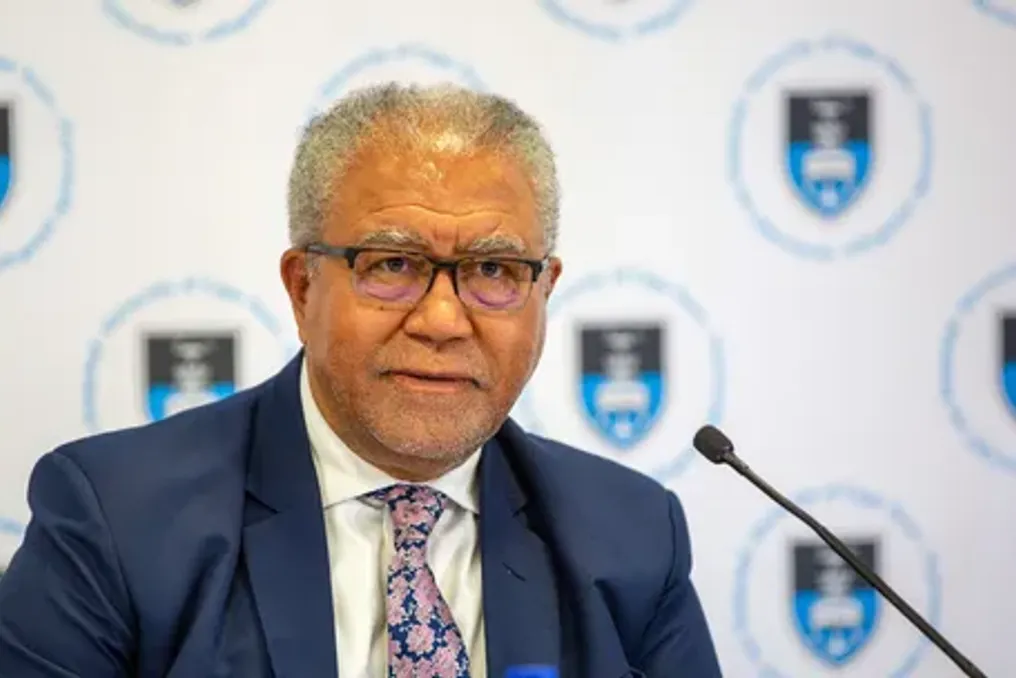
UCT Convocation distances itself from petition calling for Norman Arundel's resignation
Read more
IOL
iol.co.za

UCT Convocation distances itself from petition calling for Norman Arundel's resignation

The Chairman of the UCT Council, lawyer Norman Arundel SC, stated that his accountability lies with the Council, refusing to give further comments regarding the petition calling for his resignation. This statement came against the backdrop of the University Convocation Executive Committee distancing itself from this campaign.

The petition, launched on the Change.org platform under the name 'UCT Alumni,' raises several questions regarding Arundel's leadership, including the handling of complaints lodged against Vice-Chancellor Professor Moses Moshabela. The petition asserts that Arundel's leadership has exacerbated disagreements and calls on the Council to elect a successor capable of restoring trust in the university.

In response to Cape Argus, Arundel defended his accountability to the Council, stating: 'I have no comment. I operate within the Council's governance rules and am accountable to the Council.' He specified that the Council includes four alumni representatives, as well as representatives from donors, students, the executive body, the Senate appointed by ministers, and representatives from the City and Province.

Arundel noted that he cannot respond to 'anonymous and faceless alleged 1500 petitioners.' This figure appeared against reports that the number of signatures on the petition exceeded 2600. The UCT Convocation Executive Committee refuted claims that the campaign represents the broader community of the institution's alumni.

In a letter to the editor of Cape Argus, members of the Executive Committee emphasized their desire to distance themselves from the opinions expressed in articles published on October 28. They specifically noted that this issue was not discussed within the Convocation—the official body of the university's alumni. The Committee stated that the views expressed in these articles do not represent the legitimate views of the diverse UCT alumni community, which numbers over 208,000 people.

Furthermore, the Executive Committee cautioned against presenting anonymous petitioners as representatives of alumni without verifying their status. It urged alumni to register at the upcoming general meeting on December 3, which will serve as a platform for constructive participation through recognized Convocation structures created to ensure that alumni voices are heard in a responsible and representative manner.

Unresolved disputes in UCT governance persist

Last week, UCT reported that the Council had received no official correspondence from any recognized university stakeholders on this matter. Earlier this year, Moshabela challenged four Council decisions in the High Court of the Western Cape following an investigation into complaints concerning his conduct. The Council also faced criticism after the public release of court reports containing information about the appointment of Professor Mohamed Paleker as Dean of the Faculty of Law. The university subsequently withdrew these reports and officially apologized to the affected parties.
Similar stories

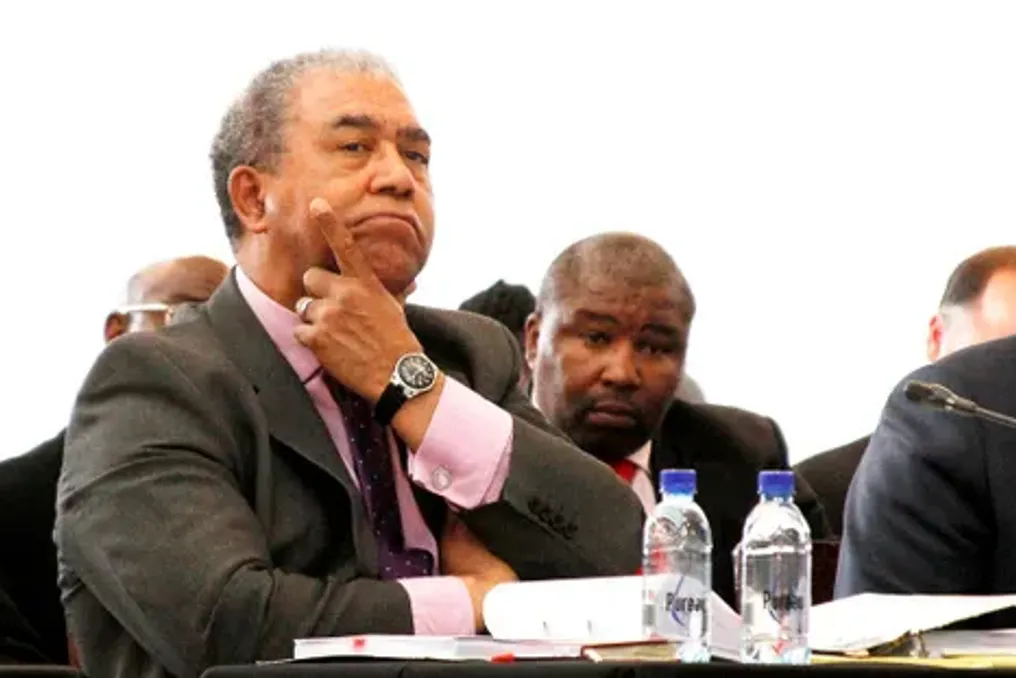
Over 1600 people signed a petition demanding the resignation of UCT Council Chairman Norman Arandse
Read more
iol.co.za

Over 1600 people signed a petition demanding the resignation of UCT Council Chairman Norman Arandse

The petition, signed by over 1600 people by Tuesday, calls for the resignation of UCT Council Chairman, lawyer Norman Arandse SC. The demand comes amid allegations that his conduct has undermined public trust, breached confidentiality, and damaged the institution's reputation.

The petition initiative originates from UCT alumni, but it has garnered support from various stakeholders, including faculty, parents, and sponsors, who believe Arandse's leadership has exacerbated divisions within the university. Signatories insist that the Council urgently demand his departure and appoint a successor capable of restoring confidence in the university's governance.

However, UCT informed the Cape Argus that the Council had not formally received this petition, stating: 'The UCT Council has not received any official correspondence from any recognized university stakeholders on this matter.'

Internal Political Disagreements

The petition begins with a declaration of loyalty to the institution, emphasizing that the signatories are motivated by concern for UCT's future, not internal political disputes. The document states: 'We, the undersigned stakeholders of the University of Cape Town (UCT), owe much to our university.'

Signatories argue that their connection to UCT extends beyond the academic period: alumni support the institution's reputation in their careers and communities, while parents and sponsors continue to invest in future generations. The petition asserts: 'We put our names to this call because the conduct of the Council Chairman, lawyer Norman Arandse SC, has shaken this trust.'

At the heart of the dispute are allegations that Arandse has repeatedly failed to meet the standards expected of the head of the university's highest governing body. The petition refers to the Council's Code of Conduct, which requires members to act 'in good faith, honestly, truthfully, and for proper purposes,' exercise due diligence, and act in the best interests of the university.

Complaints Were Directed at Mosabele

Furthermore, the petition highlights obligations regarding fairness, honesty, and refraining from behavior that humiliates or belittles others. Stakeholders believe Arandse's actions did not align with these principles.

One of the main points of complaint is his handling of accusations against Vice-Chancellor Professor Moses Mosabele. According to the petition, Arandse publicly discussed the Council's review of complaints against Mosabele, despite the investigation commissioned by the Council allegedly exonerating the Vice-Chancellor. The petition also claims that the complaint was filed regarding only one case, and that the investigation report was not provided to him. Moreover, it is alleged that three individuals associated with UCT subsequently denied having been subject to complaints.

Concerns Over Publication of Judges' Reports

Stakeholders accuse Arandse of publicly repeating allegations that they believe he knew to be false, thereby breaching confidentiality. They also point to a contradiction between his stance on Mosabele and his previously stated position regarding complaints against himself. Arandse had previously stated that 'the principles of natural justice require that the accused be aware of the case against them with sufficient clarity and specificity to enable a substantive response.'

UCT declined to comment on the substance of these allegations, citing ongoing legal proceedings. The university stated: 'UCT confirms that the legal matter concerning the Vice-Chancellor and the University Council is currently before the courts. Therefore, the university should not comment on the details or merits of the case at this stage.'

The petition also sharply criticizes the October 20 publication of reports from retired judges Wallace and Navsa concerning complaints related to UCT Council members and academics. In the view of the signatories, these reports were disseminated within the university community without due regard for confidential material or potential consequences for the individuals mentioned. They claim that the affected parties were not given prior warning and had no opportunity to voice concerns about the publication.

UCT States the Matter Remains Under Review

Of particular concern was the Wallace report, which allegedly reproduced confidential discussions regarding the appointment of a faculty dean, including details of his selection process, even though this dean was not a party to any complaint. The Navsa report, according to the petition, contained unedited images taken from protest videos showing people resembling young students. Stakeholders argue that publishing these images without blurring faces contradicts UCT's commitment to protecting the dignity, well-being, and safety of its community.

Although the reports were later removed from the university website, the petition asserts that the damage caused is irreparable. When asked whether UCT had identified who authorized the publication and if any action was being considered, the university responded that the matter remains under review. 'This matter is currently being reviewed within relevant UCT structures. Therefore, UCT is unable to comment further at this stage.'

The petition argues that Arandse, as senior counsel and chairman, should have understood the implications of disclosing confidential information. It accuses him of a serious failure in the due diligence expected of university leadership.

Popular