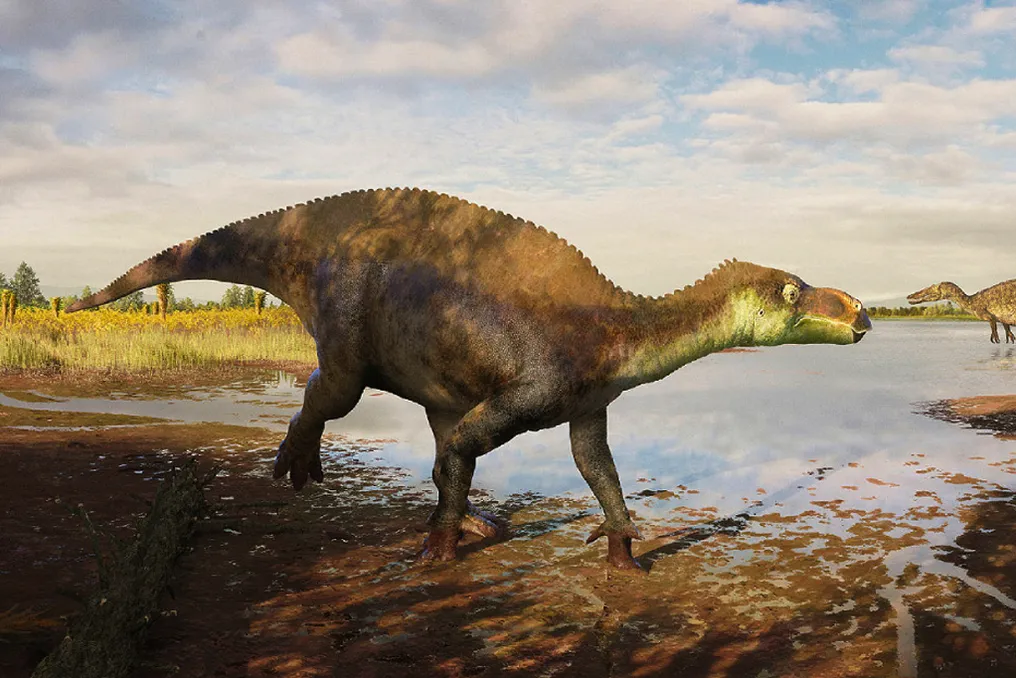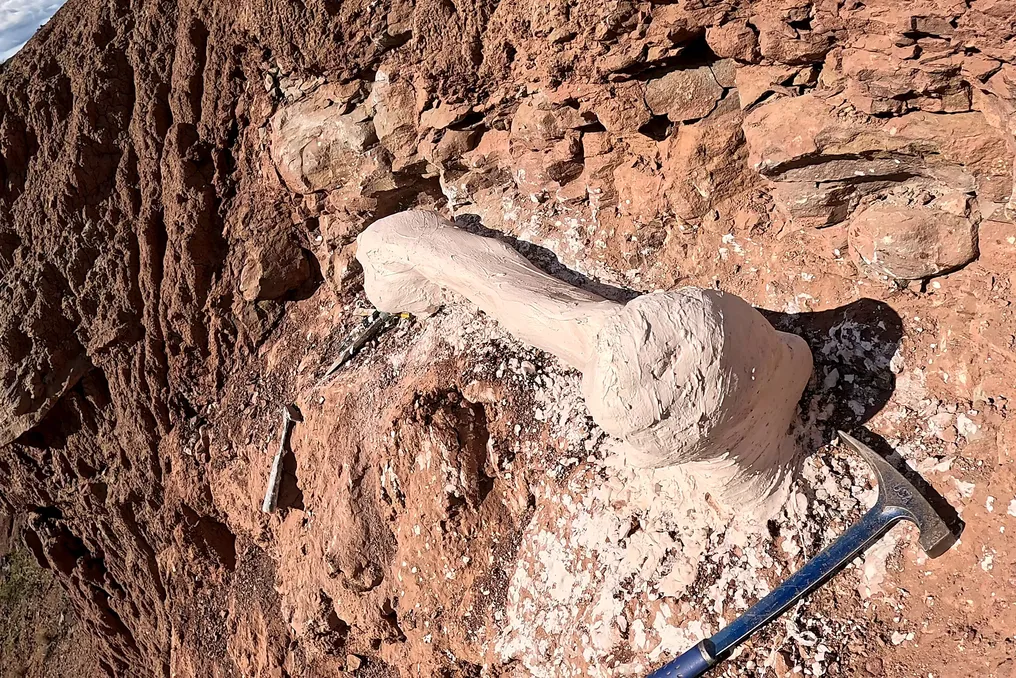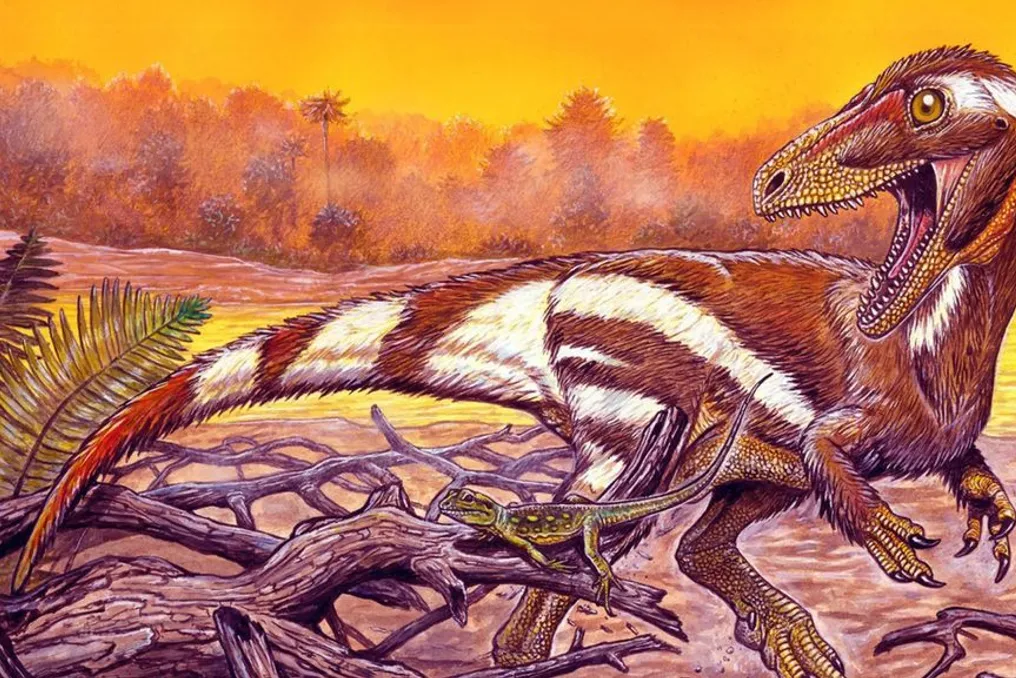
Brazilian researchers identified microscopic structures in a dinosaur fossil dating back approximately 115 million years, found in Brazil, that resemble red blood cells. This finding was made after analyzing a leg bone from Aratasaurus museunacionali, a species that inhabited the Northeast region of Brazil at the time.
The study not only pointed out these structures reminiscent of blood cells but also detected heme, an organic compound linked to hemoglobin, the protein responsible for oxygen transport in the blood. Scientists state that this is the first time such structures have been found in a fossil along with chemical evidence related to heme.
This work, conducted by scientists from Curtin University (Australia) and published in the Proceedings of the National Academy of Sciences (PNAS), opens new avenues for investigating the biological characteristics of prehistoric beings, covering topics such as metabolism and level of physical activity.
One of the most fascinating aspects of this discovery is the preservation capacity of biological materials over such an extended period. Generally, tissues and organic molecules deteriorate during the fossilization process, making it difficult to locate traces in such ancient fossils.
A possible explanation for this preservation involves hausmannite, a manganese mineral present in the analyzed material. Researchers suggest that this mineral may have aided in stabilizing or reproducing the cellular structures during fossilization, maintaining chemical signs that would normally be lost.
The team also speculates that the environmental conditions of preservation were crucial. The hypothesis raised in the study includes rapid burial in a location with low oxygen availability and microbial activity.
It is important to note, however, that this does not imply that the blood cells remained intact for 115 million years. The researchers' interpretation is that structures and chemical components linked to the animal's original biology left a mineralized record in the fossil.
Despite the results, the identification of these possible blood cells is not yet a consensus among all specialists. Mary Schweitzer, a paleontologist at the University of North Carolina State (USA), expressed caution when commenting to The Guardian. She observed that dinosaur red blood cells should possess a projection in the nucleus, resulting in a bulging appearance on both sides. In contrast, the structures found in the fossil are concave, which could suggest a different origin.
Nevertheless, researcher Schweitzer considered the chemical indicators of heme and collagen-associated components to be stronger. This debate underscores the need for further analyses to confirm the exact nature of the discovered structures.
Kliti Grice, the study leader, also advocates for prudence. She clarifies that the discovery does not mean that large and complex molecules, such as proteins or DNA, survived in such ancient fossils.
If the findings are validated by future research, the knowledge gained could help scientists investigate aspects of dinosaur physiology that are difficult to study using only bones and other conventional remains. The presence of molecular data can enrich studies on blood evolution, the metabolism of prehistoric animals, and their activity patterns.
The work also serves as a warning for fossils already stored in museums and universities. According to Grice, old collections may contain mineral, chemical, and microscopic information that has been overlooked in past evaluations. The researcher emphasizes that the purpose is not to find dinosaur DNA to recreate extinct species, but rather to understand how much molecular information can persist over millions of years.