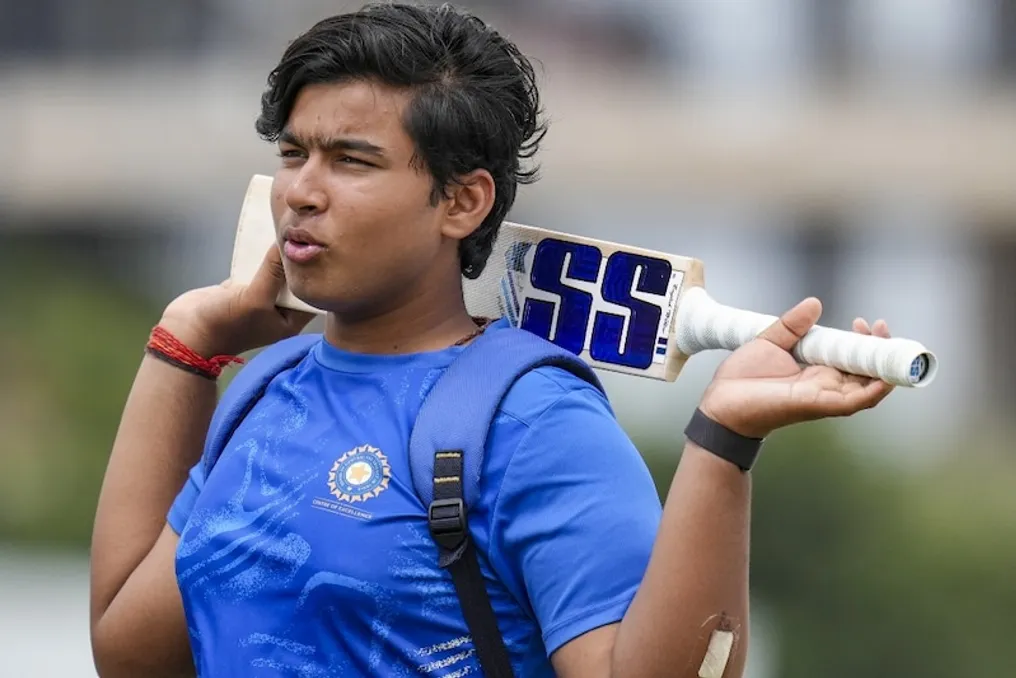
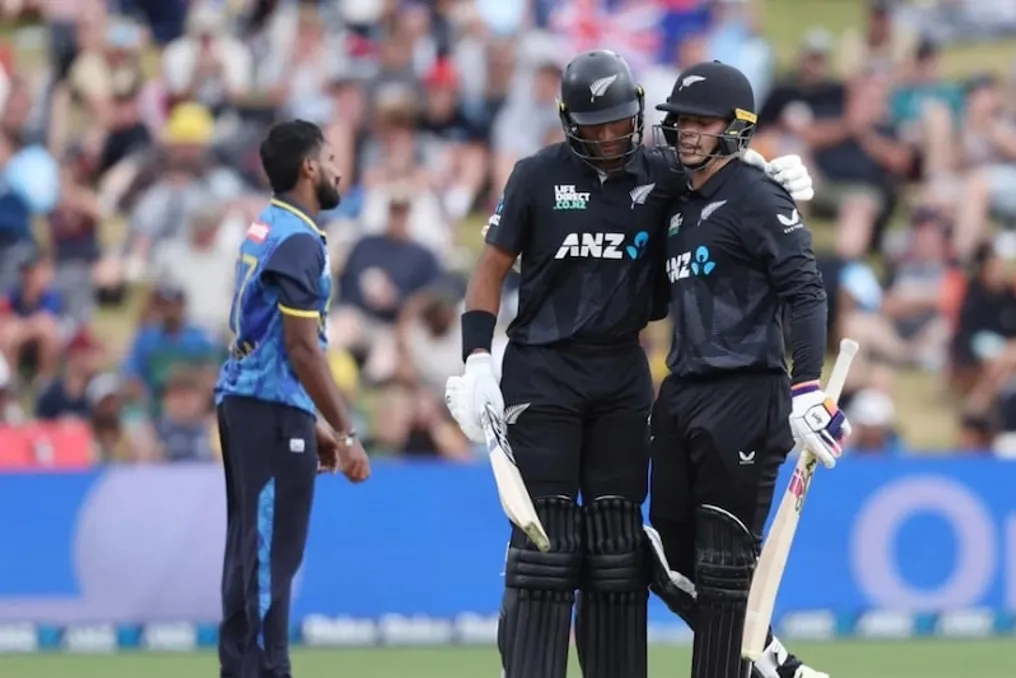
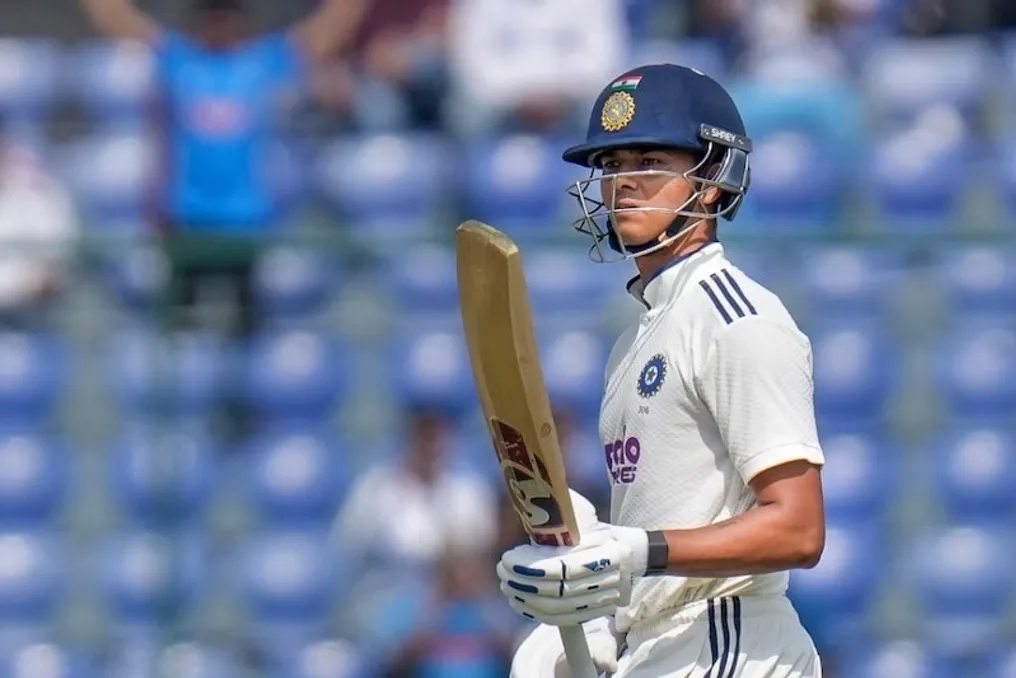
The tours to New Zealand proved to be a real test for 15-year-old Vaibha Suryavanshi. He had to face various scenarios: he was moved from an opening position to the third in the lineup, and after impressive matches, he sometimes had to remain outside the main squad. In five T20 matches, he managed to play in only two games. Among all the questions related to the fight for a spot in the team and batting order, the main one remains: what lessons did Vaibha learn from this visit?
Playing at number three, Vaibha scored only 4 off 8 balls. However, when he returned to the opening position, he demonstrated his true potential, scoring 45 runs off 19 balls. Despite this good performance, he was not given the opportunity to play in the next match. He faced the high demands of international cricket, the challenge of fast bowlers, and the need to master a new role in the attack, but did this add anything new to his game?
The visit to New Zealand was not just a foreign series for Vaibha Suryavanshi. Playing international cricket at the age of 15 is a significant achievement in itself. Here, he got a chance to face world-class fast bowlers, play in different conditions, and understand how to earn a place in the team. Nevertheless, there is also a big question hidden in this tour story: Vaibha was in the team, but spent most of his time on the bench. In the five-match series, he played only twice.
First, he was sent to the position of the third batsman, which was different from his usual spot, and he couldn't perform there. Then he returned to the opening and put on a real explosion. But even after a good innings, he wasn't given consistent chances. Thus, the tour to New Zealand gave Vaibha experience but did not allow him enough matches to correct his mistakes.
Vaibha's main strength lies in attacking bowlers early in the innings. His distinguishing feature has been hitting powerful shots, utilizing the advantages of fielding restrictions during the powerplay. However, in the second T20 against New Zealand, he was sent to the position of the third batsman for the first time. This was a new role for him.
In this position, he had to solve the problem of not being aggressive from the start, but rather understanding the situation and continuing the innings after other players fell. The fast bowlers of New Zealand also tested him. A bowler with a speed of 143.5 km/h put him in a difficult situation. Vaibha got a chance but failed to take it and was dismissed, scoring 4 runs off 8 balls.
This innings taught him an important lesson: in international cricket, you cannot rely solely on your strengths. When changing positions in the batting order, you must change your shot selection, know how to read the line and length of the ball, and adapt to the needs of the innings. This lesson may be useful for Vaibha in the future. Nevertheless, judging his potential in a new role based on just one innings would be premature.
Next time, Vaibha once again took up the opening position. This time, he played according to his natural role. He started attacking the New Zealand bowlers from the very beginning and scored 45 runs off just 19 balls. His innings included five sixes and three fours.
This innings shows how freely he plays when he is in his natural position. He is capable of putting pressure on bowlers and changing the course of the match in a few overs. In the same match, Abhishek Sharma scored 113 runs off 38 balls, and India reached the target of 199 runs in 13.2 overs.
Although Vaibha's 45-run innings might have been less discussed compared to Abhishek's century, it was extremely important for him. After setbacks at number three, he showed his potential by returning to the opening. This likely strengthened his confidence that he can influence the game with his aggressive play at the international level.
The biggest question for Vaibha was why he was not given consistent opportunities after playing an impressive innings. With Ishan Kishan's return, the team composition changed, and Vaibha found himself outside the main squad. After this, he did not get a chance to develop his game during the series.
There is already strong competition in the top order of the Indian team, with options like Abhishek Sharma, Sanju Samson, and Ishan Kishan. Therefore, it is not easy to give a place to every player in the team. However, in Vaibha's case, the question arises: what role are they preparing him for? If his strength is opening, will he get consistent chances in that position? And if the team considers him an option for the middle order, how many chances will he be given to adapt to that role?
It cannot be considered a mistake to try out a young player in different positions, but clarity in his role is also necessary. Vaibha gained experience of both types on the New Zealand tour, but could not achieve stability in either role.
Another aspect of this tour is that in five matches, Vaibha only had the opportunity to play in two. The rest of the time, he watched the team's game from the dressing room and the bench. Being with international players, their...