The possibility of causing irreversible damage to the Earth remains even if global warming decreases. Exceeding the temporary threshold of 1.5 °C for global warming can lead to irreversible ice loss and accelerated sea-level rise, even if temperatures subsequently begin to fall.
This warning is contained in a new report prepared by the International Cryosphere Climate Initiative (ICCI) in coordination with the United Nations Environment Programme (UNEP), which was published on Tuesday (2).
The document, titled 'Overshoot and the Cryosphere: Averting Global Meltdown,' includes contributions from over 80 scientists specializing in polar and mountain regions.
The study analyzes the risks of so-called 'overshoot'—a scenario where the average global temperature exceeds the 1.5 °C limit set by the Paris Agreement and then returns to lower values.
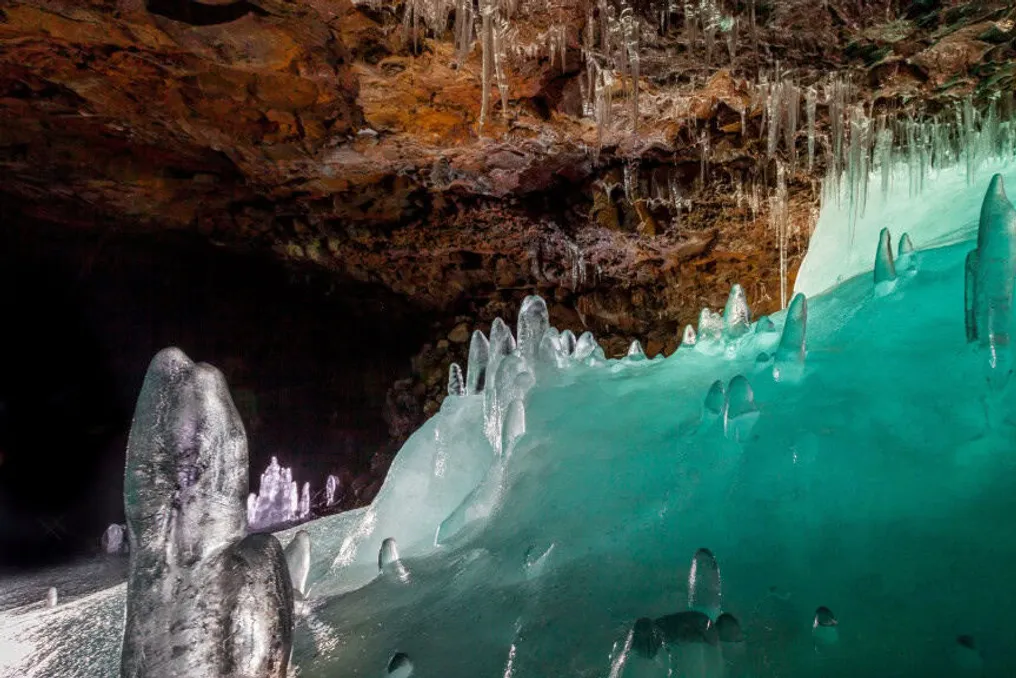
According to researchers, the duration and intensity of this period determine the scale of the damage. Even if the planet can return to lower temperatures, some consequences for glaciers, ice sheets, permafrost, and polar oceans may persist for centuries or even millennia.
Another important point noted in the study is that the 1.5 °C threshold is not necessarily a safe condition for all frozen regions of the planet. Scientists believe that a warming level closer to 1 °C or even lower would be more suitable for preserving large ice masses over the coming centuries.
This distinction is significant because some melting processes show a very slow response to temperature changes. Even after a decrease in global warming, glaciers and ice sheets may continue to lose mass due to previously accumulated changes.
The problem is not limited to ice-covered areas. Warming and acidification of polar oceans can also cause long-term changes in marine ecosystems and in major ocean currents that help regulate global climate.
Furthermore, the thawing of permafrost—soil that remains frozen for long periods—can release greenhouse gases stored in the ground, thereby intensifying global warming itself.
Although the greatest ice loss is concentrated in polar regions, its consequences can affect distant countries, including Brazil. Sea-level rise increases the vulnerability of coastal cities to flooding, beach erosion, and infrastructure damage. It also contributes to the intrusion of saltwater into aquifers and agricultural lands near the coast.
Brazil's National Climate Change Adaptation Plan, submitted to the UN Framework Convention on Climate Change, already identifies sea-level rise as a risk factor for the Brazilian coast.
In such a scenario, communities living in low-lying areas may face growing difficulties in protecting housing, economic activities, and water sources.
Given these risks, the authors call for an accelerated reduction in greenhouse gas emissions to limit both the intensity and duration of any overshoot of the 1.5°C threshold.
The recommendation is to reduce emissions by at least 5% annually starting now and achieve net-zero emissions by mid-century.
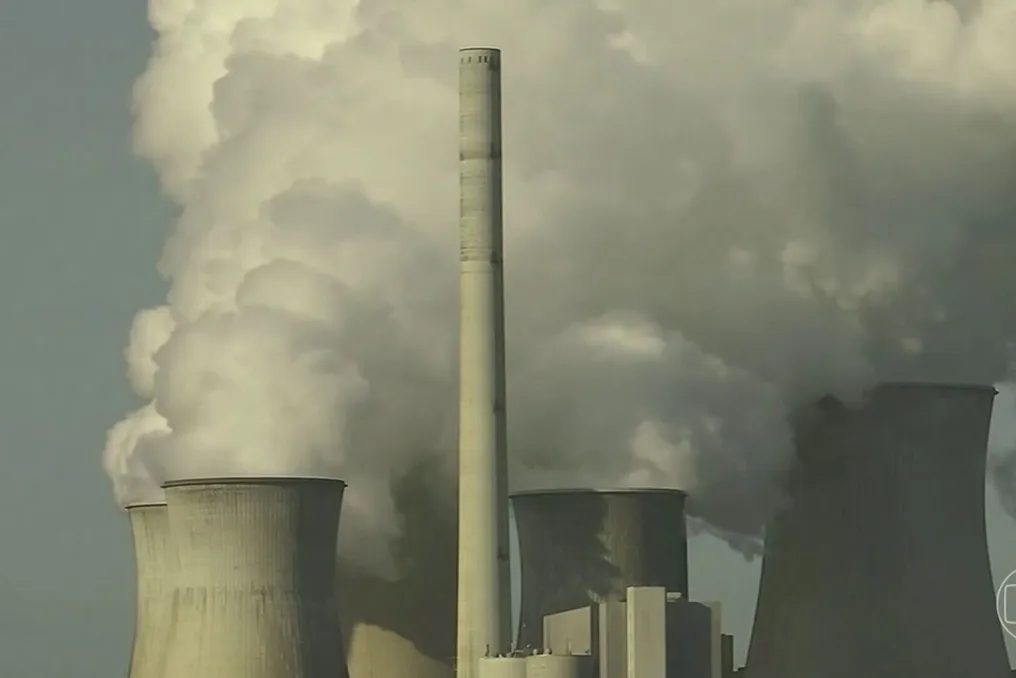
The report also emphasizes the need for a gradual phase-out of fossil fuels and an expansion of renewable energy use.
Although some losses are already inevitable, scientists argue that it is still possible to avoid the worst-case scenarios. A faster reduction in warming can slow glacial melt, limit permafrost thaw, and, under certain conditions, allow for partial recovery of icy and snowy areas.
The central message of the document is that every additional fraction of a degree matters. Even if humanity manages to lower the temperature after exceeding the Paris Agreement limit, not all the damage caused during that period can be undone.