According to European health authorities, a person with a weakened immune system was infected with the Shamond virus and died as a result of this infection in France. This case is significant because it was previously believed that the pathogen exclusively affects animals, particularly cattle, and this is the first registered case among humans.
Despite this incident, experts and health authorities note that the probability of an outbreak or epidemic of this virus remains low.
The Shamond virus was discovered in Nigeria in 1965. It primarily infects ruminant animals such as cows, sheep, and goats, causing fever, diarrhea, and reduced milk yields. In adult animals, it is rarely fatal.
Transmission of the virus occurs through bites of mosquitoes of the genus Culicoides, known as maruvi or powder mosquitoes. This virus is a relative of the Oropuche virus, which has affected thousands of Brazilians in recent years.
In July 2026, an outbreak caused by two new Shamond variants was detected in livestock in Europe, initially in Switzerland and Germany. The disease spread to farms in France, Spain, Portugal, and other countries.
The man's death occurred on October 9th. He was over 60 years old, lived in a rural area of the Rhône-Alpes region, where the virus was already circulating among animals, and was battling cancer. The symptoms he exhibited included diarrhea, vision loss, confusion, and other neurological problems. His condition progressed to encephalitis, which proved fatal.
According to a report published in the journal Eurosurveillance, it is most likely that the man was infected after a maruvi bite. Less likely hypotheses include infection through consuming contaminated food or after blood transfusion.
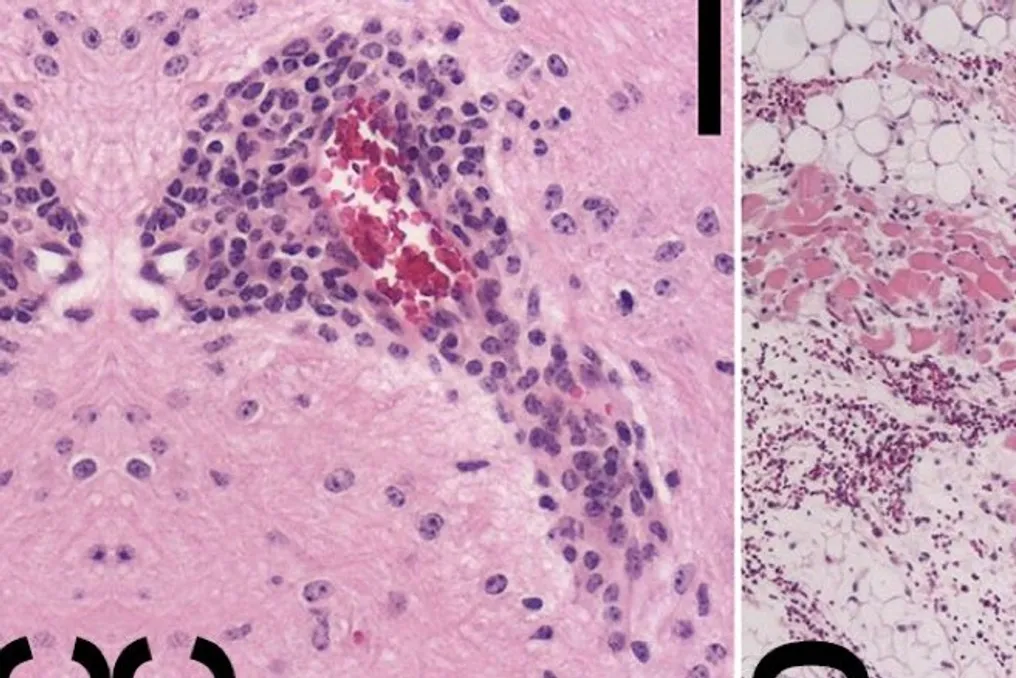
The patient suffered from severe leukemia and had a weakened immune system, which, according to scientists, likely exacerbated his condition. A weak immune system can allow the virus to remain in the body longer and reach more organs. Autopsy revealed high viral levels in the man's brain, liver, and spleen.
The Shamond virus is not detected by standard blood tests; doctors had to sequence the RNA present in the patient's samples. The virus genome found in the man's body was very similar to that circulating in animals, with an emphasis on five mutations. Researchers do not yet know if these changes make the virus more transmissible to humans.