Museum in Italy features Greek sculptures inspired by Homer's myths
Read more
Viagem e Turismo
viagemeturismo.abril.com.br

Museum in Italy features Greek sculptures inspired by Homer's myths

In the Sperlonga region, located between Rome and Naples, the old villa of Roman Emperor Tiberius has been transformed into the National Archaeological Museum and Archaeological Zone of Sperlonga. It houses one of Italy's most impressive collections of sculptures—a series of images created based on Homeric texts discovered among the ruins.

Tiberius, who ruled from 14 to 37 AD, was known as a reclusive emperor. He used Sperlonga—then known as Spelunca, the Latin word for cave—as his summer residence. The ruins of this villa were only found in 1957 during archaeological excavations near the town, which also uncovered finds in the cave that gave the place its original name.

Due to the threat of the artworks being moved to Rome, local residents organized themselves and managed to preserve this archaeological treasure in Sperlonga by building a museum. Visiting includes both the archaeological zone, where the old villa is located, and the museum itself, where the excavated sculptures are kept.

The archaeological zone features the original structure of Tiberius' Villa with terraces overlooking the sea, built in the style of the late Roman Republic. However, the main attraction of the old residence is its cave. This natural sea cave served as a decorative backdrop for banquets hosted by the emperor. One of the emperor's activities at his Sperlonga residence was fish farming in so-called fish farms connected to the cave.

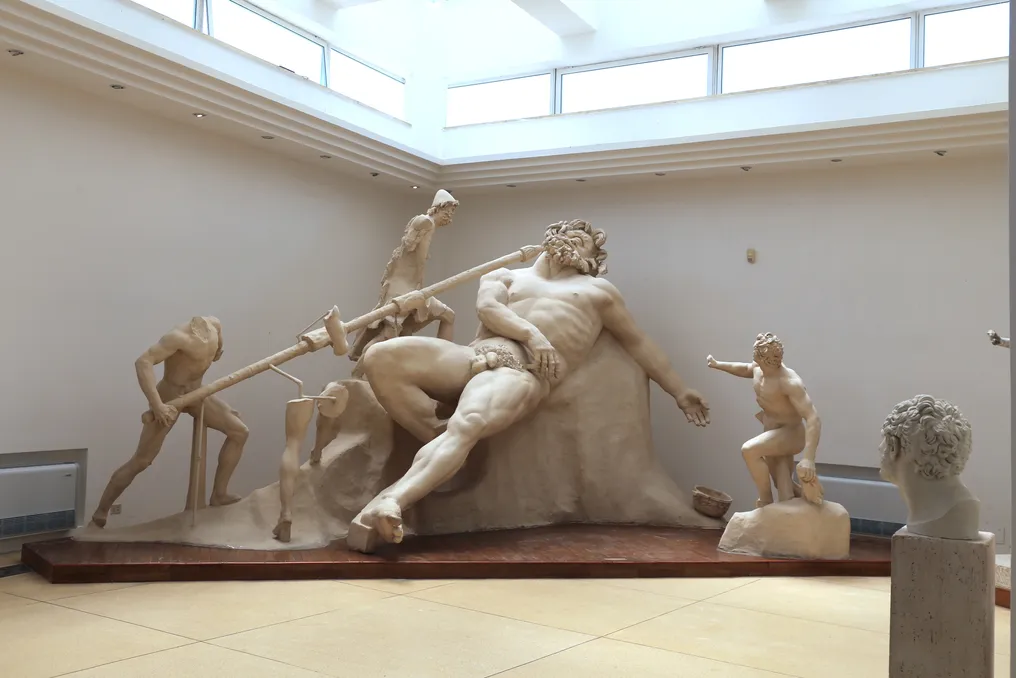
Original fragments and full-scale reconstructions of Greek marble statues found on site are also displayed. These sculptures have Homeric inspiration and refer to the legends of the 'Odyssey' and the 'Iliad.' The collection mainly consists of four large sculptural groups.

One group depicts the encounter between Ulysses and the Cyclops Polyphemus, a scene known from the 'Odyssey.' Ulysses tricks the cyclops into thinking his name is 'Nobody.' Thus, when he and his companions attack Polyphemus in his sleep, his cries for help go unanswered—the cyclops screams that 'Nobody' is attacking him.

Also presented are the attack by Circe, the sea monster that attacked Ulysses' ship and swallowed his comrades; the Abduction of Pallas, when Ulysses and Diomedes steal the statue of the goddess Athena from a Trojan temple; and Ulysses' rescue of Achilles' body during the Trojan War.

The museum collection also includes various items from the Classical and Post-Classical periods, detailing the history of the region's settlement over centuries. Among the exhibits are Attic vessels, architectural terracotta, African ceramics, and Christian chandeliers. Additionally, a video is shown recounting the 1957 archaeological discovery and the creation of the museum.

The museum is open from 8:30 AM to 7:30 PM, with entry permitted until 7:00 PM. The archaeological zone has a different schedule depending on the season: for example, from April to September, the last entry is at 6:00 PM, and closing is at 7:00 PM. In November and December, the last entry is at 3:00 PM, and closing is at 4:00 PM. Therefore, it is recommended to check the operating hours on the website before visiting. The entrance fee is 5 euros. Young people aged 18 to 25 are entitled to a reduced price of 2 euros. Children under 18 enter free of charge.
Similar stories

French Specialists Conduct Restoration of Exhibits from the Romanov Palace Collection in Tashkent
Read more
podrobno.uz

French Specialists Conduct Restoration of Exhibits from the Romanov Palace Collection in Tashkent

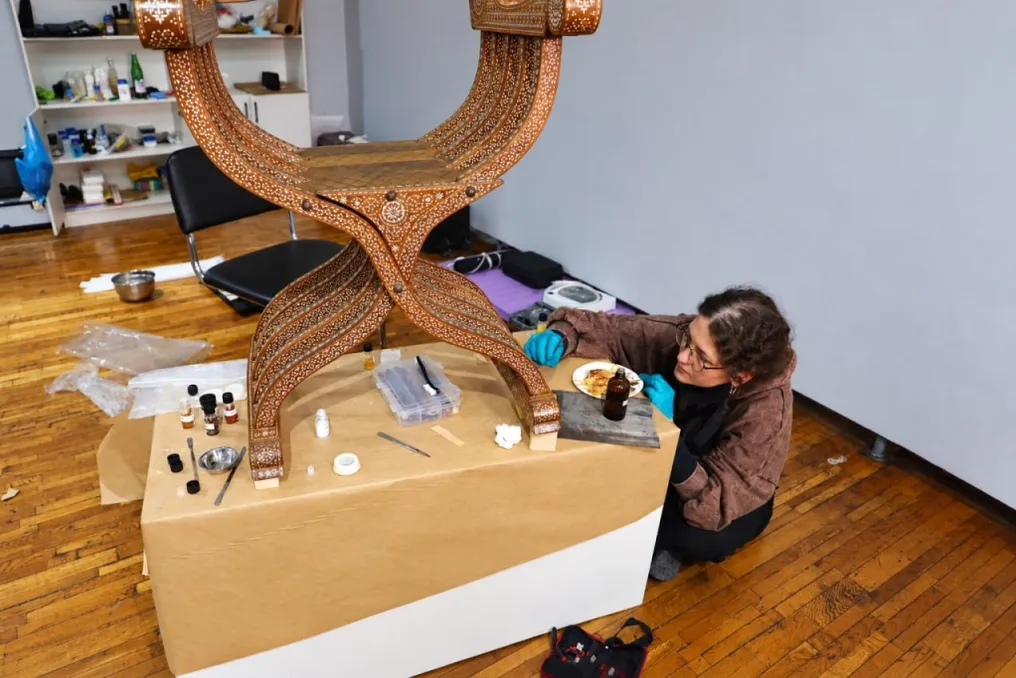
From October 6 to 30, the State Museum of Arts of Uzbekistan hosted the first restoration mission organized by French specialists. The goal of this mission was to preserve and restore historical and artistic items belonging to the Romanov Palace collection.

Nine experts from France participated in the work, focusing their efforts on two main areas. A group of five specialists, led by Delphine Eli-Lefevre, worked on restoring seven pieces of furniture from the historical fund.

Concurrently, a team of four experts under the leadership of Patricia Verge-Libay restored four paintings from the same collection, including their frames. The execution of this mission is intended to contribute to the preservation of the cultural values of the Romanov Palace, guarantee their authenticity, and strengthen international partnership in the field of restoration.

It should be noted that the Romanov Palace has been undergoing restoration since 2021. Earlier this year, in May, there was public outcry regarding a closed fashion show held on the palace grounds. Residents and public figures criticized the holding of a commercial event at a heritage architectural site that remained closed to the public.

Later, the Fund for the Development of Culture and Art clarified that the event took place exclusively on the adjacent territory and did not affect the interior premises of the palace. The agency also reported that after the completion of the work, the site will be opened to visitors as a modern museum space.

Exhibition on the Work of Eugenio Fuselli: Architecture of Care and Shelter
Read more
archdaily.com.br

Exhibition on the Work of Eugenio Fuselli: Architecture of Care and Shelter

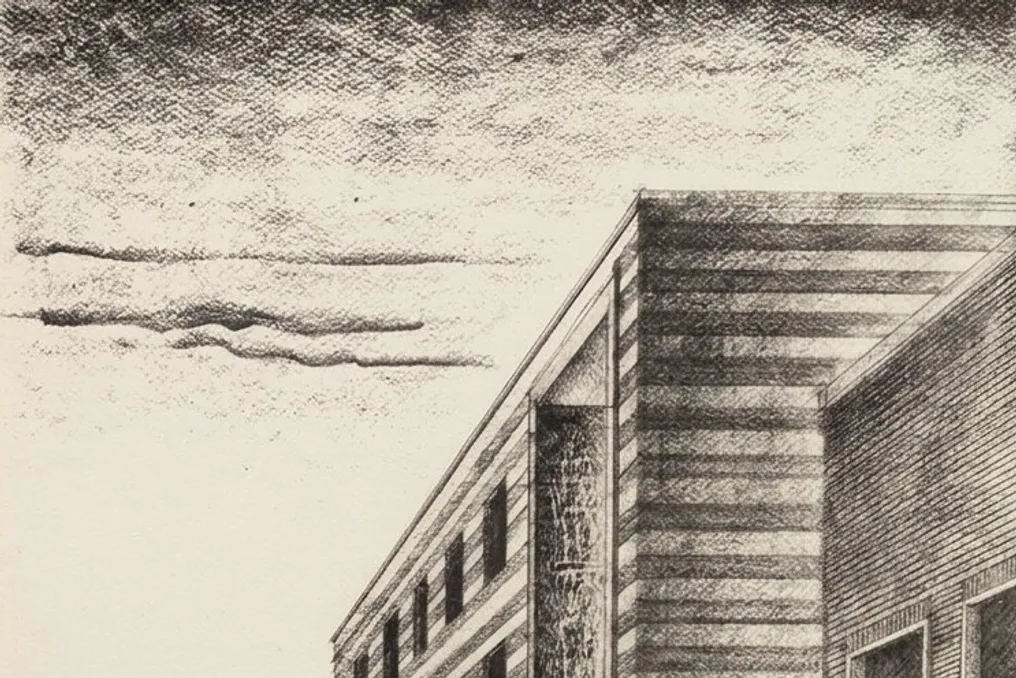
Fondazione A.N.M.I.G., together with Associazione Culturale Giano and with the support of Regione Liguria and the Order of Architects - Genoa, presents an exhibition titled «Eugenio Fuselli. What Is a House? Architecture of Care and Shelter». This exhibition offers a journey through drawings, documents, sculptures, paintings, and photographs, aiming to study the features of one of the masterpieces of rationalist architecture in Liguria—the Mutilato house in Genoa.

The building itself was erected between 1937 and 1938. It was originally conceived as a place for assistance and rehabilitation for veterans of the First World War who were disabled. Notably, this structure was built against the backdrop of a new conflict that would soon devastate Europe following the invasion of Poland by Nazi Germany.

The building's design provided for the creation of a welcoming environment. Consequently, it included facilities for practical medical care for victims of armed conflicts, as well as areas designed to provide protection in case of future military attacks.

San Ignacio Mini Ruins in Argentina — The Best Preserved Example of Jesuit Missions
Read more
viagemeturismo.abril.com.br

San Ignacio Mini Ruins in Argentina — The Best Preserved Example of Jesuit Missions

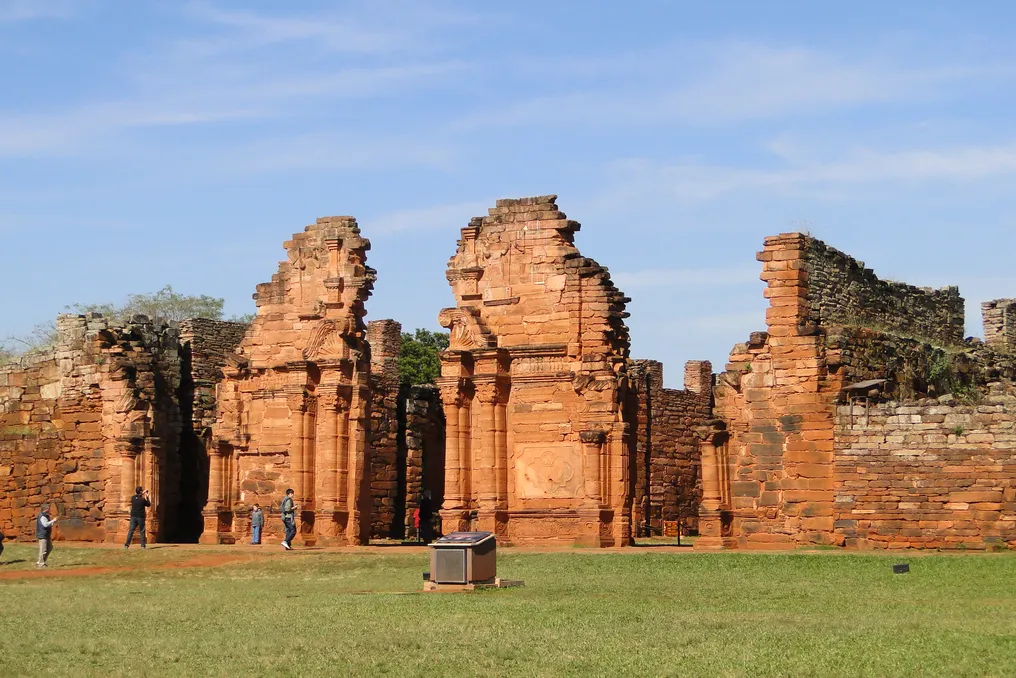
The Missions region, covering Argentina, Paraguay, and southern Brazil, is known for the ruins of old Jesuit settlements built between the 16th and 18th centuries. Along the border, in the gaucho towns of San Miguel das Missões and Santo Ângelo, the traces of this heritage are best known.

However, it is in Argentina that the most complete example of such an ancient settlement is located—the ruins of San Ignacio Mini, situated in the current municipality of San Ignacio. Although the church facade here is not as majestic as in San Miguel, these ruins are better preserved over time, considering the remains of other structures.

These ruins have been a UNESCO World Heritage site since 1984 and are only 250 km from the border with Brazil, near the Foz do Iguaçu region. Ruins of other settlements, such as Santa Ana, Santa Maria la Mayor, and Nuestra Señora de Loreto, are also preserved in the vicinity. History, architecture, and archaeology enthusiasts are recommended to plan a complete trip along the Missions route, both inside and outside Brazil.

San Ignacio Mini represents the most impressive archaeological site in the Misiones province of Argentina. Walking through the old settlement, one can see the structures and buildings that constituted daily life in the Mission, including the plaza, church, college, and cemetery.

At the entrance to the complex is a mansion that functions as a museum, telling the story of the Jesuit missions. The collection includes historical artifacts, sculptures, and a model of the original settlement. The museum demonstrates the influence of colonizers on the indigenous peoples of the region: the sculptures and architecture of the site contain elements of European Baroque, and the sound of the Guarani people blends with violins and flutes; examples of music can be heard in the multimedia hall.

Regarding the ruins themselves, visitors should prepare for walking, as they are located on a large open area. A guide contract is not required: audio guides are available, explaining the history and the buildings. There are also signs distributed among the ruins with printed images showing how the original structures looked during the Mission period.

In the evening, San Ignacio Mini hosts a light and sound show with projections on the ruins (modeled after the light and sound show in San Miguel das Missões), recounting the history of the Jesuit missions. This attraction is one of the main highlights of the visit.

Leaving Foz do Iguaçu, one can travel by private or rented car. With careful time planning, a day trip is possible, although this would require skipping the evening light show or being prepared to spend the last part of the trip at night.

For those already in Argentina, Puerto Iguazú serves as a landmark, the 'sister' city of Foz do Iguaçu in the Misiones province. The ruins are about 3-4 hours away by car, depending on the pace of travel.

If San Ignacio is part of a broader route that includes Brazilian Missions, planning should take more than one day. Leaving San Miguel das Missões, the most famous point on this side, the shortest route is about 285 km, but the travel time must also account for the need to cross the border by ferry, at the Port Mauá and Alba Posse border, which makes the route longer. It is rarely covered in less than 5 hours.

The best time to visit the ruins is spring and autumn. This way, one can avoid the winter cold and the scorching summer heat in the region. The ruins are open from 7:30 AM to 6:00 PM, and a ticket must be purchased for entry. Tickets can be bought at the box office with cash or via QR code (cards accepted on site) or in advance on the website.

The general entrance fee is 22 thousand Argentine pesos based on September 2026 prices (about 75 Brazilian reais), but discounts are available for residents of Misiones and Argentine citizens. A major advantage of the pass is that it is valid for 15 days after purchase and can be used to visit other Jesuit missions in the province.

The Missions were founded by the Congregation of Jesus (Jesuits) with the aim of converting the indigenous peoples of the region to Catholicism and protecting them from the slavery of colonizers. The settlements were organized in the pattern of European civilization, with life controlled by priests. The Guarani people lost their autonomy and were forced to abandon a significant part of their customs during this process.

The indigenous inhabitants living in the missions obeyed the rules of the missionaries and the system of collective production, which ensured the survival of the mini-community. The era of the Missions ended in the so-called Guaranitic Wars, when the settlements were suddenly included in land exchange agreements signed by Portugal and Spain. They were abandoned against bandits and the armies of the two European powers, and the settlements were quickly destroyed between 1753 and 1756, and most of the indigenous population fighting in the conflict was annihilated.

Popular