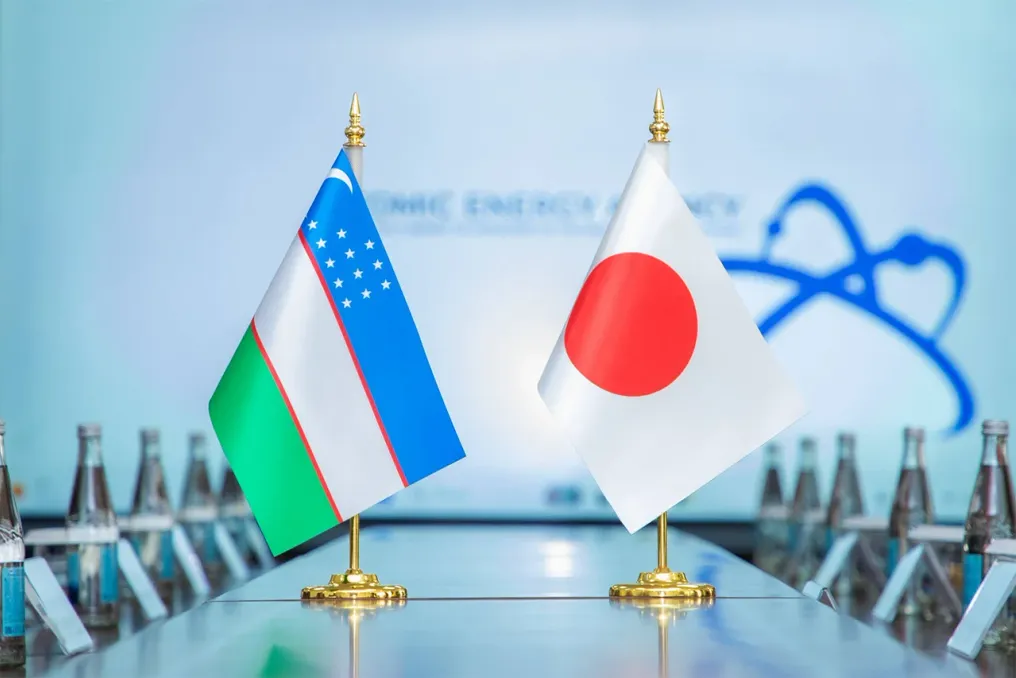
Navoiyuran and Marubeni Discuss Implementation of Digital Technologies in Uranium Mining
Read more
UzDaily
uzdaily.uz

Navoiyuran and Marubeni Discuss Implementation of Digital Technologies in Uranium Mining

The state enterprise Navoiyuran and the Japanese corporation Marubeni held discussions on the potential implementation of digital technologies and artificial intelligence solutions in uranium mining processes. According to a statement from Navoiyuran's press service, the online meeting of company representatives took place on November 2, 2026.

Dolbix Consulting, a subsidiary of Marubeni specializing in the development of technological and digital solutions, also participated in the negotiations. The main focus of the discussions was on increasing the efficiency of production operations through the use of modern technologies.

The parties examined various methods for optimizing production cycles, improving the operation of technical equipment, digitizing boreholes, and automating the processing of productive solutions. Furthermore, they studied the possibilities of applying advanced technological solutions in the production of industrial goods.

After the meetings concluded, the participants identified potential areas for cooperation and agreed to continue joint work. These discussions are part of Navoiyuran's efforts to find technological solutions for improving its production processes. The company's statement did not specify concrete projects, implementation timelines, or anticipated investment volumes.
Similar stories

Uzbekistan Railways and Huawei Discuss Digitalization of Uzbekistan's Railway Sector
Read more
uzdaily.uz

Uzbekistan Railways and Huawei Discuss Digitalization of Uzbekistan's Railway Sector

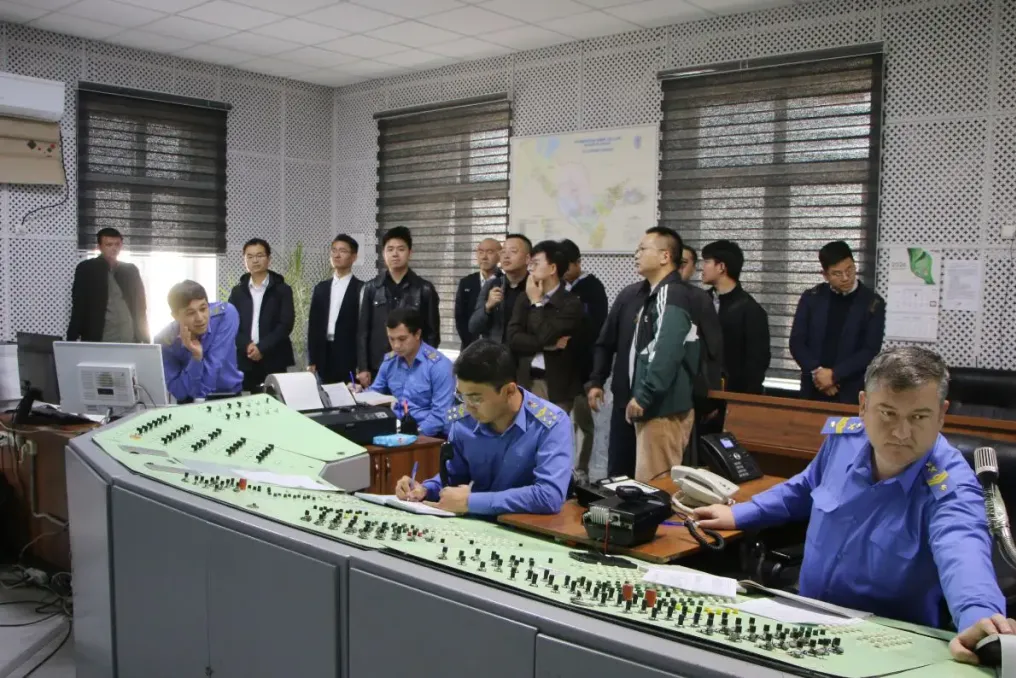
Representatives from Huawei, together with experts from the Southwest University of Transportation in China, visited the Chukursay and Nazarbek railway stations to discuss further cooperation on the digitalization of Uzbekistan's railway industry.

These stations are under the jurisdiction of the Tashkent branch of the Tashkent University of Railway Transport. This visit is part of the implementation of the 'Digital Uzbekistan 2030' strategy, which provides for the introduction of modern digital technologies into all infrastructure and transport systems of the country.

The discussion focuses on experience exchange and strengthening partnership

The main focus during the meetings was on exchanging experiences, strengthening interaction in the field of digital technologies, and advancing previously reached agreements regarding the implementation of train traffic control systems on the main railway lines of Uzbekistan.

During the visit, the delegation studied the operation of the stations, the current level of digitalization, and the condition of the situational center. Participants also reviewed existing business processes related to train traffic management and assessed potential technical solutions for modernizing relevant systems.

The discussions allowed representatives of the railway sector, Huawei specialists, and Chinese university experts to evaluate current operational processes and study technological approaches to improving train traffic management. The cooperation is aimed at developing digital technologies and improving control over the movement of trains across the entire railway network of Uzbekistan, as part of efforts toward technological partnership and finding solutions for the digital modernization of the country's infrastructure.

Uzbekistan Railways and Dassault Systèmes Discuss Digitalization of Uzbekistan's Railway Sector
Read more
uzdaily.uz

Uzbekistan Railways and Dassault Systèmes Discuss Digitalization of Uzbekistan's Railway Sector

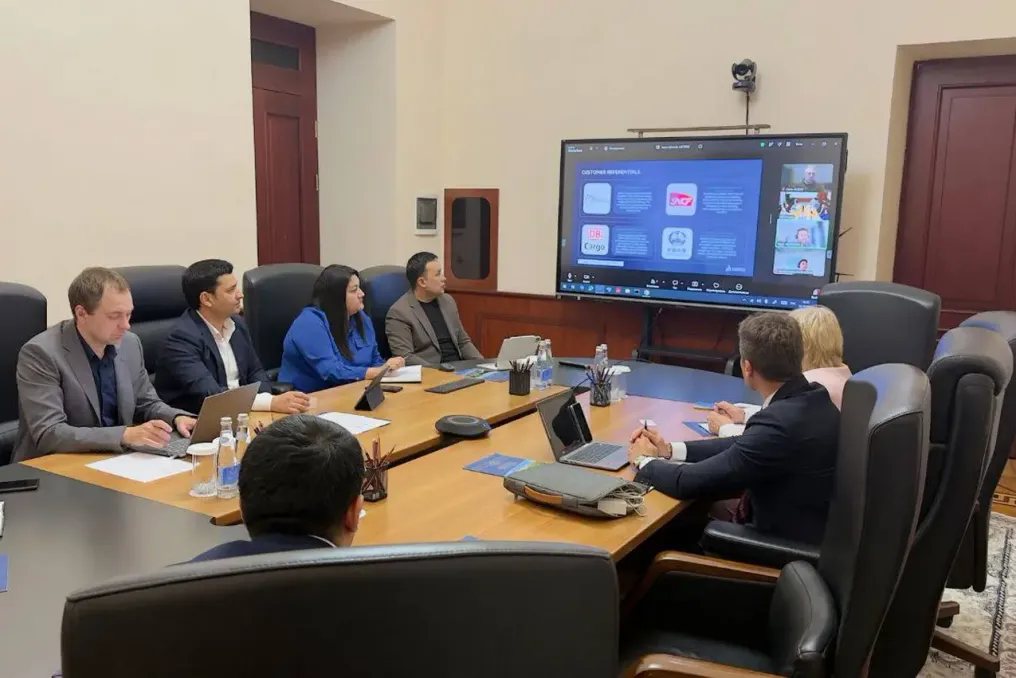
Uzbekistan Railways JSC held a meeting with representatives of the French company Dassault Systèmes to discuss cooperation opportunities in the field of digital transformation of Uzbekistan's railway sector.

Michel Latter, Dassault Systèmes Director for Central Asian countries, participated in the negotiations. The discussion focused on the potential of implementing modern digital technologies in railway operations, optimizing production and operational processes, and improving management efficiency.

Particular attention was paid to possible areas of joint work within the framework of the digital transformation of the railway industry. Representatives of both organizations exchanged views on possible paths for further interaction.

The source did not provide specific data on projects, implementation timelines, or investment volumes following this meeting.

Socially Significant Projects in Uzbekistan Will Receive Free Access to AI Infrastructure
Read more
podrobno.uz

Socially Significant Projects in Uzbekistan Will Receive Free Access to AI Infrastructure

In Uzbekistan, socially significant initiatives, including universities, scientific institutions, startups, and advisors to regional heads involved in developing digital technologies and artificial intelligence, will have the opportunity to use the AI infrastructure provided by the Ministry of Digital Technologies. The provision of these benefits is done either free of charge or at a discount, subject to passing a competitive selection process.

The procedure for providing these benefits has been officially approved by a government decree. For projects utilizing large language models, free access to the application programming interface is established for a period of up to six months. Within each calendar month, such projects can process up to ten million tokens—units of text that interact with the AI.

If a project's needs exceed the basic limit, an additional fifty million tokens per month can be requested, for which a 50% discount is provided. It is important to note that tokens not used in the current month do not roll over to the next period.

For working with other types of artificial intelligence models, different from large language models, participants are granted access to up to 120 gigabytes of video memory for six months. These computing resources are intended for tasks such as training, testing, verification, evaluation, and running computations.

The competitive selection of projects will be held twice a year—in July and November. Applications will be evaluated on a 100-point scale. Participants who disagree with the final results have the right to submit an electronic complaint to the appeals commission within three business days after the results are published. Reviewing such appeals takes five business days.

A restriction has been established whereby one user can participate in only one project. Furthermore, the obtained data cannot be used outside the stated purposes, transferred to third parties, or applied for commercial purposes unless explicitly permitted by law or contract. In addition, Uzbekistan plans to train one million young people annually in fields such as robotics, game development, and startup creation.

Popular