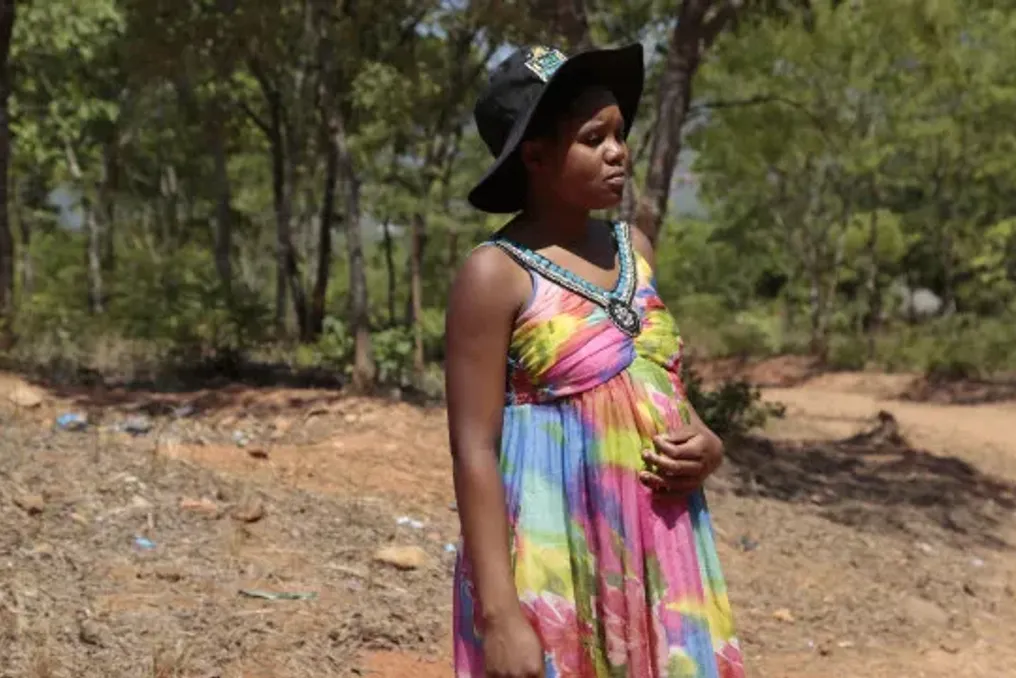
A recent report by the United Nations Committee on the Rights of Women revealed a worrying rate of adolescent pregnancy in Angola, reaching 42.5% in rural regions.
The Committee expressed great concern over the high incidence of this phenomenon in Angola, where the overall rate among women and girls aged 15 to 19 is 27.1%, but jumps to 42.5% in rural areas.
The conclusions presented in this report analyze the situation of women's rights in various countries, including Angola, Cape Verde, Cook Islands, Kazakhstan, Kenya, Paraguay, Moldova, and Togo. The UN Committee's analysis also highlights the positive aspects of each country in implementing the Convention on the Elimination of All Forms of Discrimination Against Women (CEDAW Convention), while pointing out the main concerns and offering suggestions.
Regarding Angola, the Committee urges the country to implement a properly funded national strategy to combat early pregnancy. Among the proposed recommendations are the provision of comprehensive and age-appropriate sexual education, confidential access to sexual and reproductive health services adapted for adolescents, and the offering of voluntary contraceptive methods.
Additionally, the document suggests adopting stricter measures to eradicate sexual violence and child marriage. The report also emphasizes the considerable barriers that women face when trying to access financial and economic resources, such as low-interest loans, borrowings, and digital technologies.
To mitigate these difficulties, the Committee advises Angola to expand the Informal Economy Conversion Program, promote female entrepreneurship, and facilitate access to financing without the need for real guarantees or mortgages. Finally, greater investment in Internet and mobile network infrastructure is requested to reduce digital exclusion, a problem particularly acute among women residing in rural areas.