Azim Premji Foundation Launches Program to Support Social Startups for Civil Society Development
Read more
Business Standard
business-standard.com

Azim Premji Foundation Launches Program to Support Social Startups for Civil Society Development

The Azim Premji Foundation has announced the launch of the Social Startups Program, designed to provide support to specialists in the development sector. The program aims to help them create and manage community organizations that address the needs of underserved communities.

Many specialists possess years of experience working with the public and have a good understanding of existing difficulties; however, they often lack financial assistance and methodological guidance to establish their own structures. This program is intended to bridge this gap by providing financial support, consultations, and training opportunities to help participants build locally rooted organizations.

Rajib Ghosh, Head of Philanthropy at the Azim Premji Foundation, noted the necessity of increasing the number of grassroots organizations, especially in areas with inadequate service levels. He emphasized that the program differs from the Foundation's regular grant program, which supports already existing registered structures, both mature and early-stage.

Who Can Apply

The first cohort of the program will include 100 participants from four geographical regions: Odisha, Northeast India, eastern Uttar Pradesh, and Bengaluru city. Areas of focus to be supported include agriculture, healthcare, youth policy, mental health, disability issues, and child welfare. Support also extends to the well-being of Adivasi communities, work in informal urban settlements, including kindergartens and sanitation, as well as social security rights.

Program Structure and Support

The program is divided into two phases. The first phase is an eight-month initial period during which participants will receive financial support to engage with communities, understand local needs, and develop their organizations. They will also receive assistance with registration, management, and legal compliance. Upon completion of this phase, participants must register their organizations and then apply for a grant assessment. Those who meet the program criteria may be awarded a two-year seed grant to strengthen and develop their activities.

Applications and Selection

Applications are open from November 1 to December 31, 2026. The selection process includes checking eligibility, reviewing documents, submitting a statement of purpose, an online interview, and a personal panel discussion. The eight-month initial phase will begin on April 1, 2027, and the evaluation of participant progress for transition to the grant phase will take place in November-December 2027.
Similar stories

Youth development program held in New Delhi to support young Muslims
Read more
www.tehrantimes.com

Youth development program held in New Delhi to support young Muslims

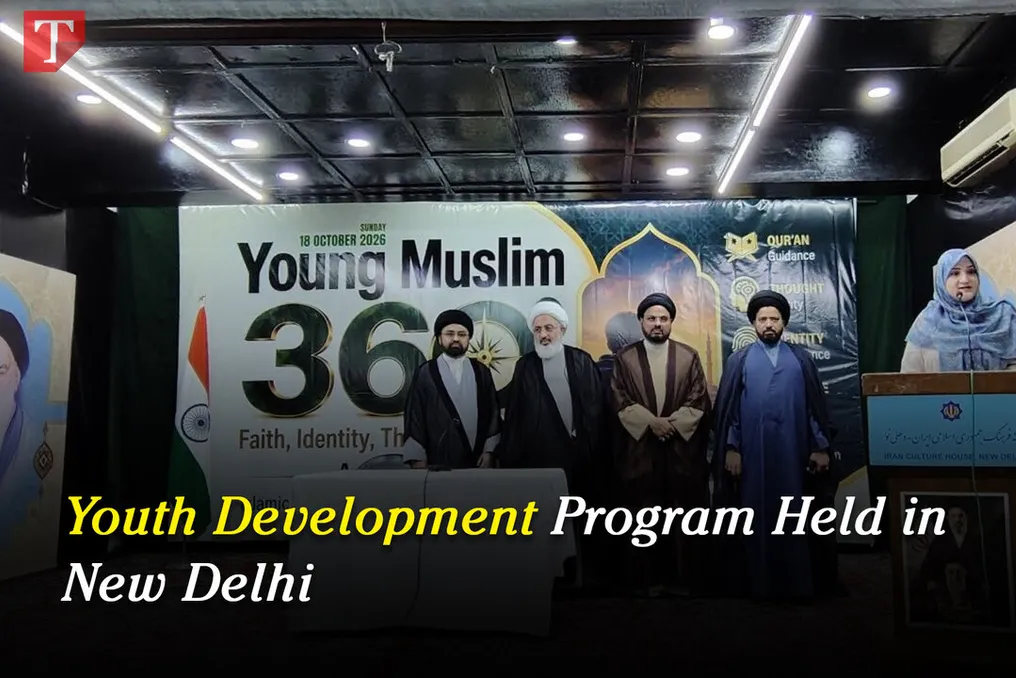
On October 24, 2026, a youth development event was organized in New Delhi. This initiative was conducted by the representative office of the Leader of Iran in India.

Youth Development Program Held in New Delhi

The main goal of the program was to support young Muslims, as well as to promote the principles of education, personal growth, and the development of leadership qualities among young people.

Iranian Leader's Office Held Youth Development Program in New Delhi
Read more
www.tehrantimes.com

Iranian Leader's Office Held Youth Development Program in New Delhi

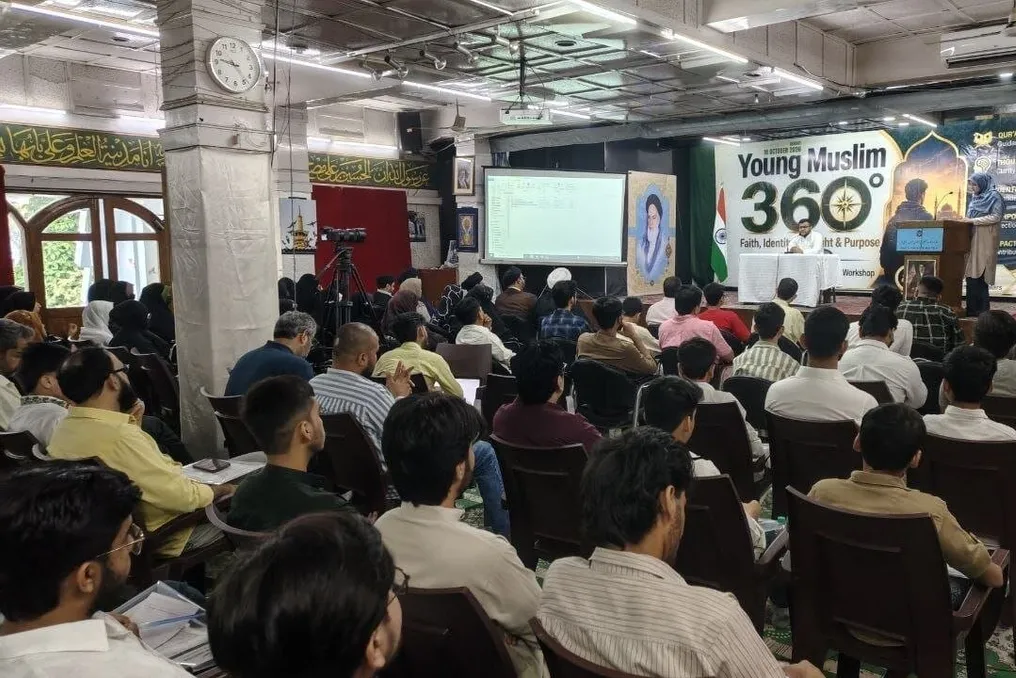
In New Delhi, the office of the representative of the leader of the Islamic Revolution of Iran gathered university students, scholars, and specialists for the first educational event, 'Young Muslim 360°,' on October 21. The event took place at the Iranian House of Culture.

This initiative was developed under the academic guidance of Dr. Saeid Mohammad Ali Aun Naqvi and aims to address the intellectual and ethical challenges faced by modern Muslim youth. The program seeks to integrate traditional Islamic scholarship with contemporary academic approaches.

Prominent figures attended the meeting, including Ayatollah Dr. Abdul Majid Hakimelahi, the representative of the leader of the Islamic Revolution in India, as well as Maulana Saeid Abdul Kasim Rizvi and retired Deputy Inspector General (DIG) Saeid Jamal Tahu.

Discussions covered six main topics, ranging from digital literacy and self-confidence to professional ethics and personal responsibility. Instead of viewing religion and modern technology as separate fields, the curriculum presented them as interconnected elements of daily life.

The organizers implemented a structured 30-day online mentorship plan for this event. This follow-up mechanism utilizes personalized digital dashboards, self-reflection exercises, and progress tracking to help participants apply the seminar material in practice.

By combining seminary traditions with university research, this initiative aims to create a sustainable model for youth development across India. The office plans to expand these educational efforts to other major Indian cities, striving to cultivate principled leadership, intellectual resilience, and constructive citizenship among the younger generation.

Popular