Restoration of Vank Cathedral in Isfahan Begins Ahead of UNESCO World Heritage List Application
Read more
Tehran Times
www.tehrantimes.com

Restoration of Vank Cathedral in Isfahan Begins Ahead of UNESCO World Heritage List Application

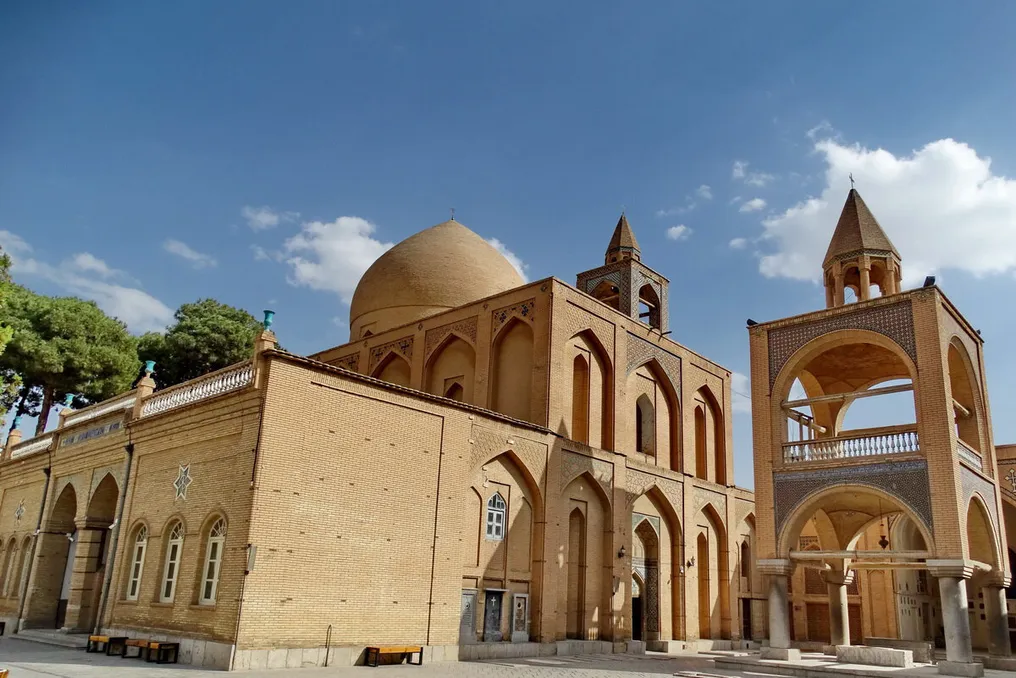
Work is underway to restore the southern and eastern parts of Vank Cathedral in Isfahan as part of preparations for the historical Armenian church's potential inclusion in the UNESCO World Heritage List, an official representative of the provincial heritage reported.

Hadi Allayari, head of the technical committee at the Isfahan Provincial Department of Cultural Heritage, Tourism, and Crafts, stated in an interview with IRNA on Monday that preservation projects are being implemented in cooperation with the Armenian Diocesan Council and the Ministry of Cultural Heritage, Tourism, and Crafts to raise the standards of monument preservation.

The eastern part of the cathedral faced foundation subsidence and wall cracks, which prompted the installation of monitoring indicators in 2025 to track changes. Technical examinations also revealed that the roof and its covering do not meet weight and quality requirements, as the materials are approximately 30–40 years old. After the restoration plan was prepared and approved by the ministry, work began under the supervision of heritage protection authorities.

Over 1000 square meters of the cathedral's roof have been restored, and conservation work on the bishop's hall, ground floor, and adjacent premises is nearing completion. The project also includes modernizing the cathedral's outdated heating and cooling systems in accordance with international standards and technical plans.

Restoration of the southern part began in 2025 after many years of deterioration, partially caused by proximity to the city road and insufficient maintenance. Among the problems addressed were damaged plaster and clay coatings, faulty downspouts, and dilapidated facades. The work included window repair, removal of old paint, restoration of damaged surfaces, and conservation of the valuable southern entrance using original architectural samples. Traditional methods and materials were used to preserve the building's historical appearance.

He expressed hope that further interaction between the Armenian Diocesan Council and the Ministry of Cultural Heritage would help advance the cathedral's potential nomination to the World Heritage List.

Vank Cathedral, also known as the Cathedral of the Savior, is a landmark in the Noy Jolfa Armenian quarter of Isfahan. This nearly 350-year-old church was built during the Safavid era by Shah Abbas II over nine years. The cathedral is known for its gilded ceilings, dome decorations, and historical religious paintings, and is considered one of the most significant examples of Armenian religious architecture in Iran. It served as a major center for the Armenian community in Isfahan, as well as a link in religious and cultural relations with the wider Armenian world.
Similar stories

French Specialists Conduct Restoration of Exhibits from the Romanov Palace Collection in Tashkent
Read more
podrobno.uz

French Specialists Conduct Restoration of Exhibits from the Romanov Palace Collection in Tashkent

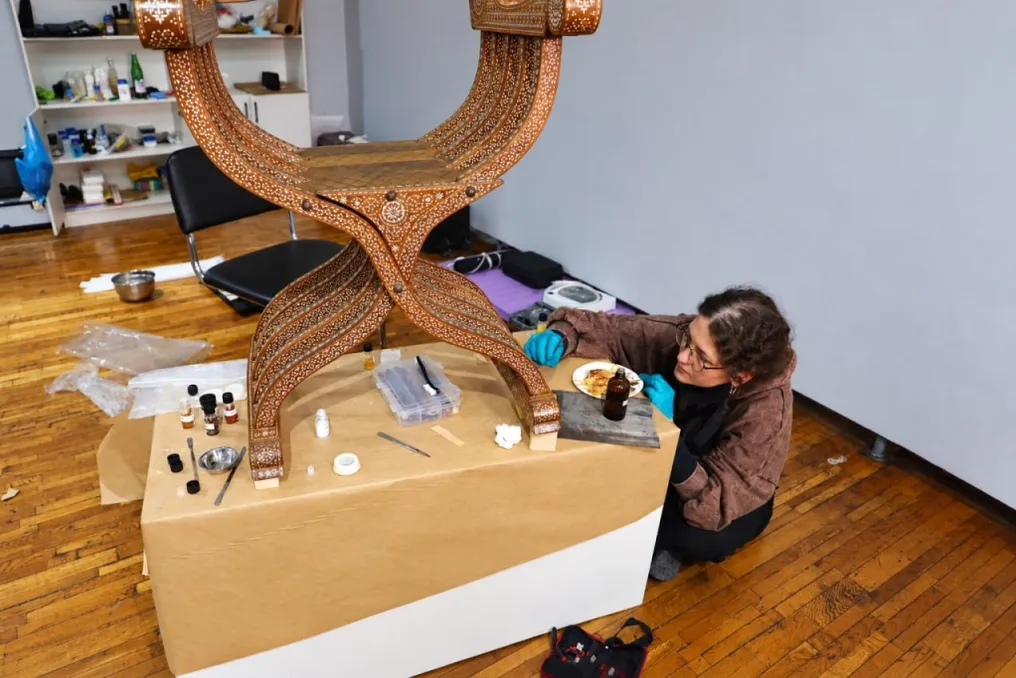
From October 6 to 30, the State Museum of Arts of Uzbekistan hosted the first restoration mission organized by French specialists. The goal of this mission was to preserve and restore historical and artistic items belonging to the Romanov Palace collection.

Nine experts from France participated in the work, focusing their efforts on two main areas. A group of five specialists, led by Delphine Eli-Lefevre, worked on restoring seven pieces of furniture from the historical fund.

Concurrently, a team of four experts under the leadership of Patricia Verge-Libay restored four paintings from the same collection, including their frames. The execution of this mission is intended to contribute to the preservation of the cultural values of the Romanov Palace, guarantee their authenticity, and strengthen international partnership in the field of restoration.

It should be noted that the Romanov Palace has been undergoing restoration since 2021. Earlier this year, in May, there was public outcry regarding a closed fashion show held on the palace grounds. Residents and public figures criticized the holding of a commercial event at a heritage architectural site that remained closed to the public.

Later, the Fund for the Development of Culture and Art clarified that the event took place exclusively on the adjacent territory and did not affect the interior premises of the palace. The agency also reported that after the completion of the work, the site will be opened to visitors as a modern museum space.

Restoration of Sasanian bas-reliefs in Naqsh-e Rustam nears completion after three decades of work
Read more
www.tehrantimes.com

Restoration of Sasanian bas-reliefs in Naqsh-e Rustam nears completion after three decades of work

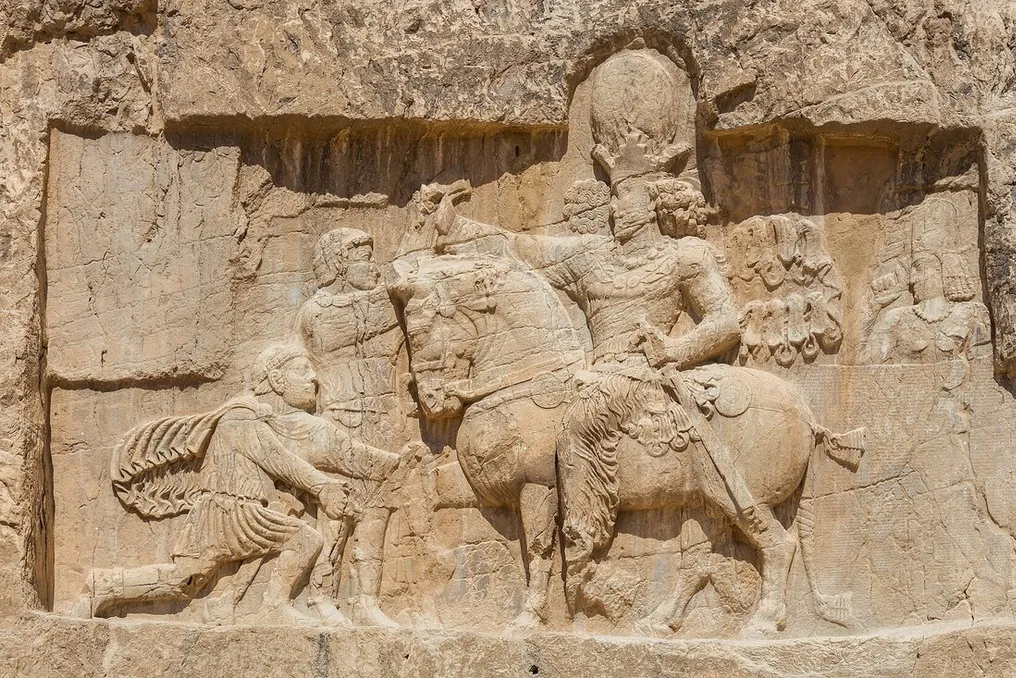
The restoration work on the Sasanian era bas-reliefs at Naqsh-e Rustam, one of Iran's most important archaeological sites, is nearing completion. These conservation efforts began back in the 1990s, and work continues on the bas-relief depicting Shapur II, an object employee reported.

Mostafa Rahshandehkhou, head of the Naqsh-e Rustam complex and curator of its conservation and restoration workshops, told the Iranian Students' News Agency (ISNA) that over many decades, more than eight Sasanian bas-reliefs have been restored to preserve their artistic and historical value.

The current work on the Shapur II bas-relief marks a decisive stage in this long-term project, bringing the restoration program to its final phase, according to Rahshandehkhou.

Rahshandehkhou emphasized that preserving historical monuments requires more than just physical intervention. This process includes detailed research, expert assessments, making informed decisions, and the careful application of appropriate conservation methods.

According to information provided to ISNA, 'the main goal is to preserve the authenticity of the monument, control destructive factors, and create conditions that will help ensure its long-term survival.'

He added that compiling a restoration plan tailored to the condition of the Shapur II bas-relief, as well as its review and approval by relevant authorities, was particularly important. The work, based on the approved plan and executed according to professional conservation standards, guarantees the adequacy of interventions to the specific circumstances of the monument.

The employee noted that the experience gained over decades at Naqsh-e Rustam has demonstrated the importance of continuous preservation efforts, technical expertise, and careful monitoring when protecting archaeological remains.

In his words, historical monuments are subject to various destructive influences over time, making long-term planning necessary for their preservation for future generations. He also stressed that the value of the project lies not only in the completion of the restoration work but also in the methods used, adherence to scientific principles, and responsibility towards cultural heritage.

Rahshandehkhou concluded that the acquired experience can serve as a model for other preservation projects, emphasizing that understanding the characteristics and condition of each monument and selecting suitable techniques are key to preventing unnecessary interventions and increasing the longevity of restoration work.

Naqsh-e Rustam, located in Fars province near Persepolis, contains monuments from various periods of ancient Iranian history. The site is particularly significant due to its Achaemenid rock-cut royal tombs and Sasanian bas-reliefs carved into the cliff face.

The Sasanian Empire, which ruled Iran from 224 to 651 AD, left behind a vast artistic and archaeological legacy. The bas-reliefs at Naqsh-e Rustam depict military victories, royal ceremonies, and scenes related to the power of Sasanian rulers, providing important information for studying the political history and artistic traditions of that period.

The rock monuments at this site are adjacent to tombs attributed to Achaemenid kings, making Naqsh-e Rustam an important archaeological landscape encompassing various eras of ancient Iranian civilization.

These bas-reliefs are not merely works of art; they serve as historical records, helping researchers study the royal representation, political power, and cultural traditions of the Sasanian period. The site's proximity to Persepolis, the ceremonial capital of the Achaemenid Empire and a UNESCO World Heritage site, further underscores its importance in Iran's archaeological heritage.

Popular