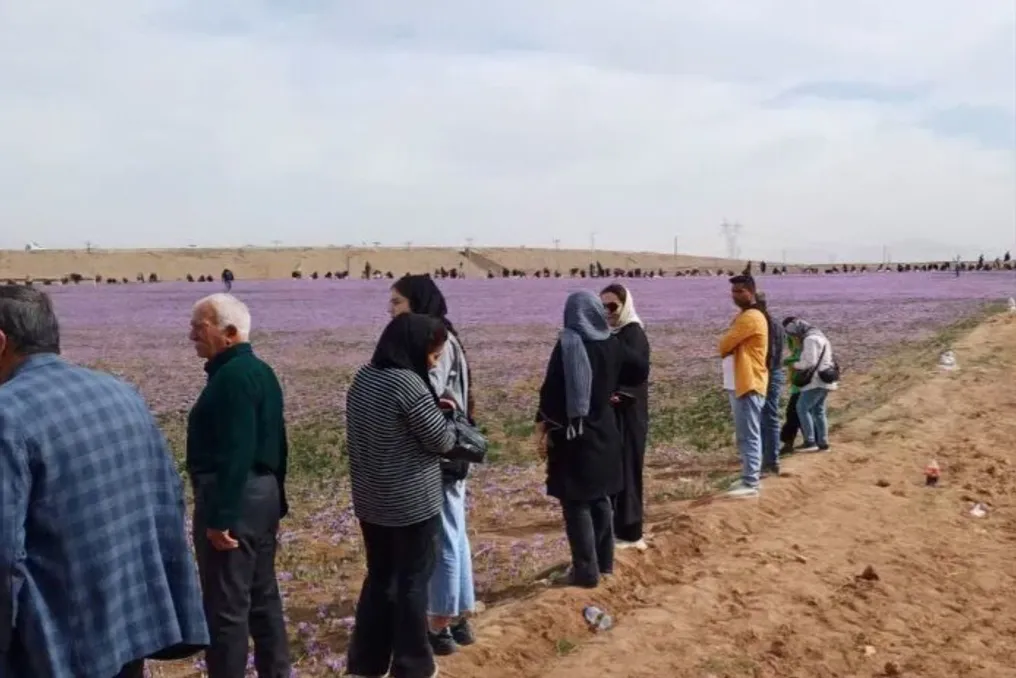
Fifteen domestic and international tourist groups visited specialized saffron sites and farms in Torbat-e Heydari and Zaveh, located in northeastern Iran. These visits took place as part of agricultural tourism programs during the harvest season, according to a local tourism official on Monday.
Ali Mohammadi, head of the departments of cultural heritage, tourism, and crafts in Torbat-e Heydari and Zaveh, specified that the tour programs included visits to saffron fields, trips to the flower market, and the saffron research institute. This allowed guests to learn about various aspects of saffron production.
Mohammadi noted that this year's programs were built around the idea of a 'comprehensive product experience,' allowing tourists to participate in the production process rather than just observing the finished product. The routes also included visits to the regional flower market, where visitors could study the variety of flowers and communicate directly with farmers and distributors.
Furthermore, tourists visited the saffron research institute and specialized laboratories, where they were informed about scientific advancements in improving saffron quality, modern propagation methods, and pest control. Another element of the tours was familiarization with saffron-based drinks and herbal infusions, which combined agricultural, scientific, commercial, and culinary experiences.
According to Mohammadi, this comprehensive approach can help strengthen the international tourism image of Torbat-e Heydari and Zaveh by attracting more attention to the potential of rural tourism in the region, as well as its material and intangible cultural heritage.
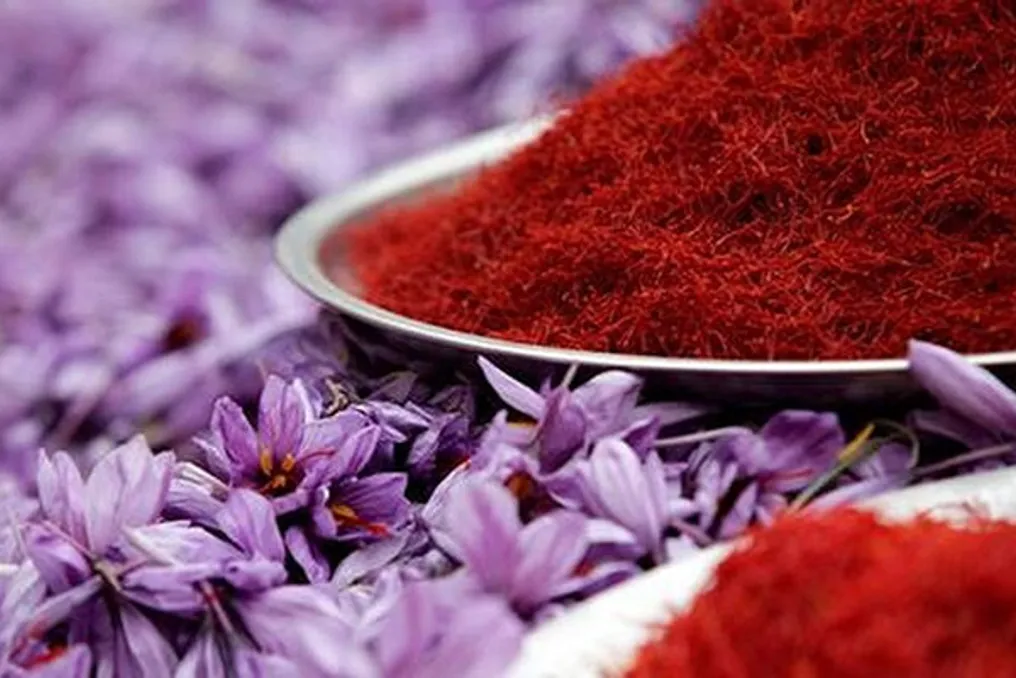
Torbat-e Heydari and Zaveh are located in Khorasan Razavi province, which is one of Iran's main saffron-producing regions. Saffron, known as 'red gold,' is a valuable agricultural commodity widely used in Persian cuisine and traditional cultural practices.
Iran is among the world leaders in saffron production, with cultivation concentrated mainly in the eastern and northeastern parts of the country. The annual harvest usually begins in early November when the spice's purple flowers appear in the fields.
Agri-tourism during the harvest season provides visitors with the opportunity to try harvesting saffron and learn about its cultivation and processing, linking the region's agricultural economy with its tourism industry. Last month, the annual National Saffron Day celebration held in various parts of Khorasan Razavi province was officially registered as an international event in Iran's tourism calendar. Additionally, a permanent secretariat was established at the provincial Chamber of Commerce and Industry to promote Iranian saffron and strengthen its value chain from production to export.