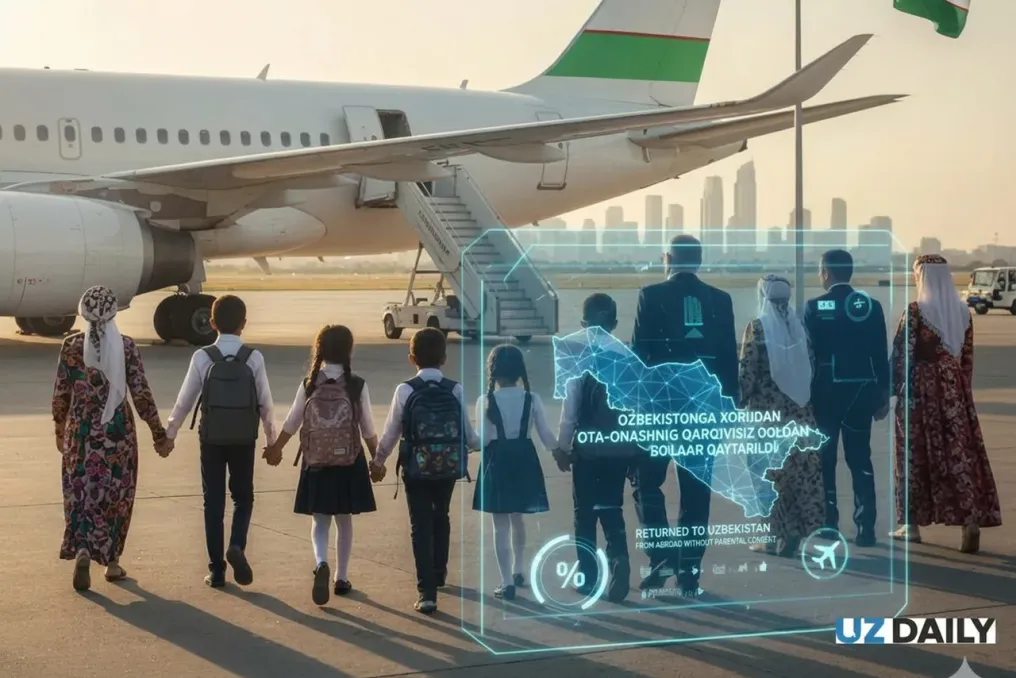
Uzbekistan allocated 22.4 billion soum to assist citizens abroad
Read more
UzDaily
uzdaily.uz

Uzbekistan allocated 22.4 billion soum to assist citizens abroad

The Migration Service of Uzbekistan has allocated 22.4 billion soum to support citizens facing difficult life situations abroad during the first nine months of 2026.

During this period, thousands of Uzbek citizens received various forms of assistance, including help with repatriation, financial support, medical care, and temporary housing.

According to the agency's data, 4,968 citizens were repatriated to Uzbekistan, for which a total of 20.396 billion soum was allocated to cover return expenses.

Additionally, 1,171 people received one-time financial aid totaling 1.563 billion soum. Medical expenses were reimbursed for 38 citizens, amounting to 228.6 million soum.

Furthermore, 167 Uzbek citizens received temporary accommodation; 249 million soum was allocated to cover living expenses.

The Migration Service noted that Uzbek citizens abroad may encounter various problems, such as lack of funds for return, financial difficulties, and health issues. In such cases, the agency provides practical assistance.

Citizens in difficult situations abroad are advised to contact the Migration Service via the short number 1282 or through the Telegram bot @huquqiy_yordam_uzbot.

The agency emphasized that protecting the rights and interests of Uzbek citizens abroad remains one of its main priorities.

Similar stories

Uzbekistan's state procurement reached 281.8 trillion sums with the attraction of $42.6 billion in foreign investment
Read more
uzdaily.uz

Uzbekistan's state procurement reached 281.8 trillion sums with the attraction of $42.6 billion in foreign investment

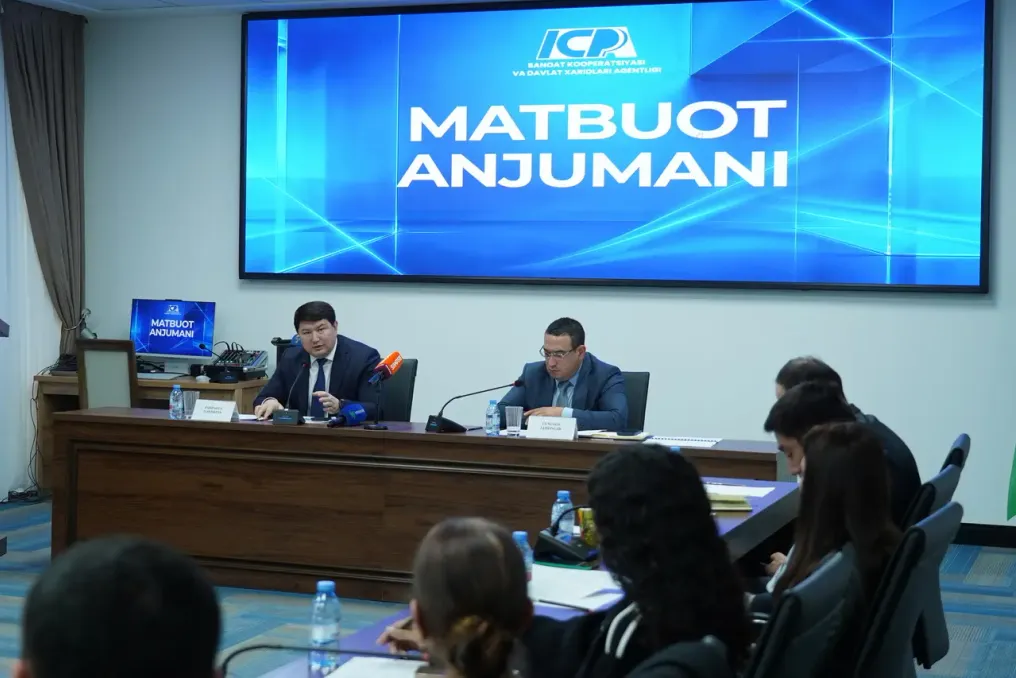
The Agency for Industrial Cooperation and State Procurement reported to journalists that in the first nine months of 2026, state procurement in Uzbekistan amounted to 281.8 trillion sums. Additionally, $42.6 billion in foreign investments was mobilized.

Under the localization program, goods worth 117 trillion sums were produced, 88 new types of products were introduced, and 10,400 jobs were created. The import substitution effect reached $6.2 billion, and the import of 176 types of goods decreased by $838 million.

Of the total foreign investment of $42.6 billion, $18.2 billion, or 43%, was linked to local content. However, local content was not reflected in reports across seven sectors amounting to $965.2 million and 220 projects valued at $2 billion. The agency noted the need to improve the accounting system.

Competitive procurement amounted to 170.4 trillion sums, which allowed for savings of 12.1 trillion sums. Meanwhile, direct procurement decreased by 11.7% to 61.6 trillion sums.

Artificial intelligence now moderates 75% of offers on the electronic trading platform. The Unified Industrial Portal has also been launched in test mode.

By the end of the year, the agency plans to increase the volume of localized production to 130 trillion sums, raise the import substitution effect to $6.4 billion, and introduce 112 new types of products.

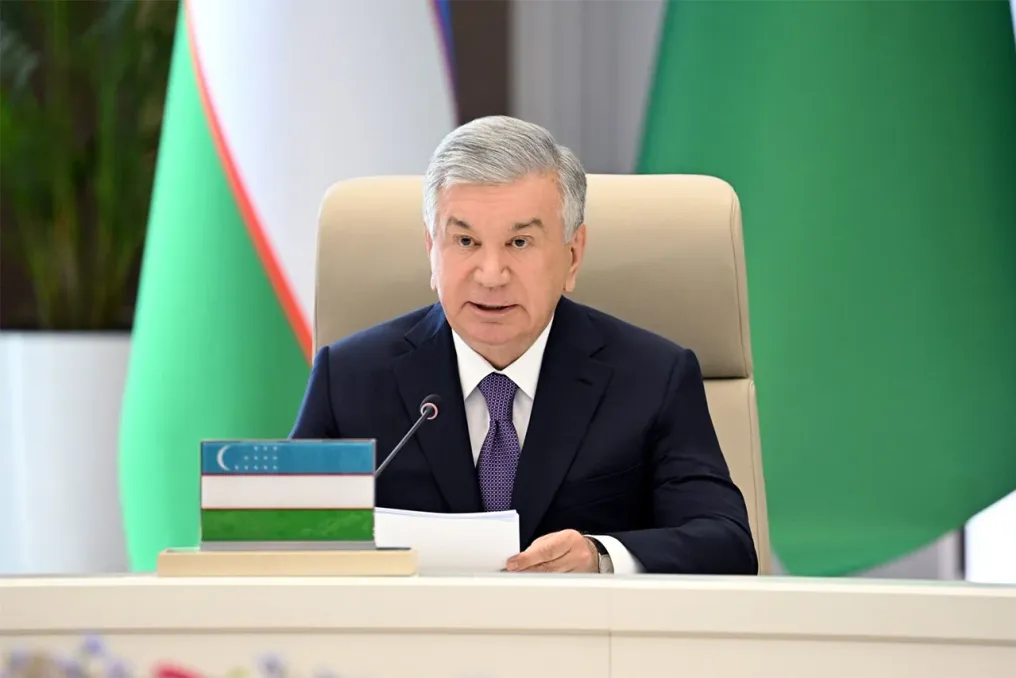
Uzbekistan will provide financial aid of 1 million soums to families for the heating season
Read more
uzdaily.uz

Uzbekistan will provide financial aid of 1 million soums to families for the heating season

In November 2026, Uzbekistan will provide a one-time financial support of 1 million soums to low-income families who meet the criteria. This measure is introduced as part of the expansion of social protection for the 2026/2027 heating season, according to a presidential decree.

President Shavkat Mirziyoyev signed this decree on October 28, 2026. It provides for additional support measures for vulnerable households against the backdrop of the country's gradual transition to market mechanisms in the fuel and energy sector.

The decree establishes the possibility of direct cash payments, expands the selection criteria for state assistance, and extends existing programs for compensating household energy costs. The main recipients of the one-time payment will be families included in the Social Register.

Households not registered in the system can also apply for assistance if they meet the established financial requirements, which are determined after an assessment conducted by the local 'mahalla seven' body.

Criteria for receiving aid

General selection conditions require that the average per capita income of the household does not exceed twice the threshold of minimum consumer expenses. However, there are separate limits for families living in apartment buildings connected to centralized heating systems.

In the regions of Karakalpakstan and Uzbekistan, the maximum permissible income is double the threshold of minimum consumer expenses per person. In Tashkent, this limit is increased to three times this threshold.

The decree also allows financially vulnerable families whose income exceeds these limits to receive aid, provided their applications are approved by the district or city administrations responsible for creating sustainable employment and increasing household incomes.

Other eligible individuals include elderly people living alone and people with disabilities who require assistance from others and are included in the relevant register. Financial aid is also extended to families raising orphans and children deprived of parental care.

Expansion of existing social support measures

In addition to the November payments, the decree increases the allowable threshold for average per capita income to receive compensation for electricity and natural gas costs—it has been raised from 1.5 to twice the minimum consumer expenses level. A similar increase has occurred for the income criterion related to assistance in purchasing coal, which is now up to twice the minimum consumer expenses level.

The same adjustment applies to the financial support provided through the 'Sahovat va Kumak' fund. Funds from this fund can be used to repay utility debts, cover current household expenses, and purchase fuel.

Furthermore, the decree extends the validity of several existing social protection measures aimed at reducing the financial burden of energy costs for vulnerable groups. Compensation covering the difference between basic and higher tariffs for electricity and natural gas will be available until April 1, 2028.

Financial aid intended for partial compensation of coal purchase costs has been extended until January 1, 2029. These measures are designed to increase the number of low-income households receiving state support and mitigate the consequences of Uzbekistan's gradual transition to market tariffs for energy resources. The decree combines urgent winter aid with long-term compensation mechanisms, providing financial support to needy families throughout the process of changing the country's pricing system.
Uzbekistan paid 80 billion sums to families affected by Doc-1 Max
Read more
uzdaily.uz

Uzbekistan paid 80 billion sums to families affected by Doc-1 Max

According to a statement from the country's Ministry of Health press service, families of 88 children affected by the use of the drugs Doc-1 Max and Ambronol in Uzbekistan received a total compensation of 80 billion sums.

In accordance with executive documents issued by the Tashkent Criminal Court, the Enforcement Bureau was supposed to collect 82 billion sums in compensation for the families of 90 affected children.

Initially, an amount of 16.8 billion sums was paid, which accounts for about 20% of the awarded sum. The remaining funds were not received by the families for a long time due to delays in selling property seized from the responsible persons.

To speed up the payment process, the President of Uzbekistan instructed the authorities to ensure full compensation for the material and moral damage suffered by the affected families. A total of 65.2 billion sums was allocated from the state budget to fulfill this instruction.

Of the 80 billion sums already paid, 72.2 billion sums were transferred to the families of 72 deceased children. Another 7.8 billion sums was transferred to the families of 16 children who have undergone or are undergoing treatment.

The remaining 2 billion sums are intended for two other children. The Ministry of Health reported that these payments will be made after resolving technical issues related to bank cards.

It is expected that the funds allocated from the state budget will be returned to the national budget through revenue from the sale of property belonging to the responsible parties, as well as other amounts collected from them.

Meanwhile, representatives of the Ministry of Health and other government agencies, together with doctors from national medical centers, are visiting the affected families to take steps to provide additional medical and psychological support to the children.

Popular