Religious leaders call for broader consultations on proposed framework for Christian sector
Read more
IOL
iol.co.za

Religious leaders call for broader consultations on proposed framework for Christian sector

Leaders of religious communities have called for broader consultations regarding the proposed voluntary structure for self-regulation within the Christian sector. They emphasized the critical importance of protecting vulnerable populations and preserving freedom of religion.

The topic of religious freedom in South Africa was a central theme at the recent Dialogue on National Religious Freedom. This event brought together religious figures, traditional leaders, lawyers, and faith representatives to discuss ways to ensure freedom of belief, combat malpractice, and protect vulnerable individuals.

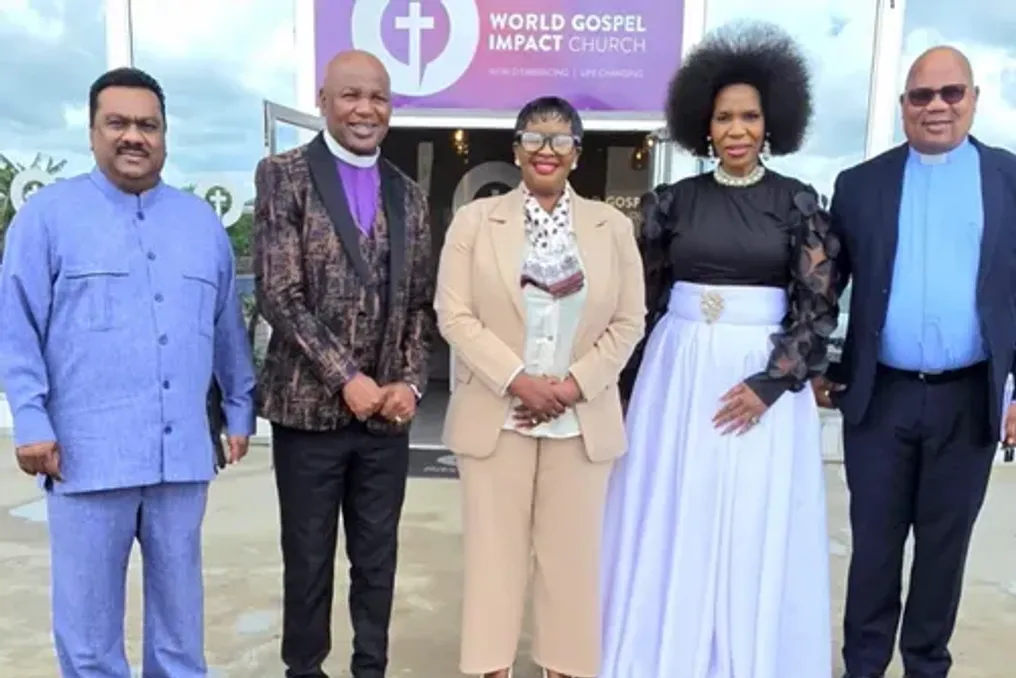
The dialogue took place one day before International Day of Religious Freedom, which is observed annually on October 27th. The event was organized by the African Council of Religious and Traditional Leaders (ARTLC) in collaboration with eThekwini Metro Interfaith at the World Gospel Impact Church in Wiggins. Bishop Templeton Mbekwa chaired the ARTLC.

Speakers focused on the process of the Commission for the Promotion and Protection of Cultural, Religious and Linguistic Communities (CRL) under its Section 22, as well as on the draft Self-Regulation Framework for the Christian Sector, which was published by the Section 22 Ad Hoc Committee in December 2025. The CRL Commission described this project as voluntary and church-managed.

Lisa Percy, representing the Freedom of Religion South Africa (FOR SA), stated that her organization supports the CRL institution but has concerns about the current Section 22 process. She clearly distinguished between voluntary self-regulation and a system that might involve registration or the application of sanctions.

Pastor Lazarus Pillay, president and founder of Christian Network International, also demanded expanded consultations. He noted that churches need greater clarity regarding the mandate and the process itself to build trust.

Dr. Jonathan Naidu, representing Unity in Christ and International Ministers Fellowship, called for partnership with the government rather than state control. He supported the development of codes of conduct, training, and transparency managed by the churches themselves, while insisting on the protection of women and children, and adherence to existing criminal laws.

Expert Suresh Singh, representing the Hindu faith, objected to rules that might require spiritual leaders to take exams or obtain official certification, while stressing the importance of ethical conduct in religious and cultural institutions. This contribution broadened the discussion beyond Christian communities and reinforced the general principle that religious freedom should extend to people of different faiths and traditions.

Dr. Zveli Mhize, a Member of Parliament and Chairperson of the Parliamentary Portfolio Committee on Joint Municipal Affairs and Traditional Affairs (COGTA), directly engaged with religious leaders on the issue of Section 22. Grant Marais, a provincial parliamentarian from the Western Cape for Freedom Front Plus (FF Plus), raised the topic of proposed regulation of the Christian Church.

Vuyo Mkize, press secretary for the Southern African Leaders Coalition for Faith, Freedom and Justice (SALC-FFJ), stated that religious freedom must go hand-in-hand with accountability. She clarified that the coalition does not seek to protect abusers but rather aims to ensure the safety of religious institutions and the people within them.

Similar stories

Accusations of Exploiting Believers: Pastors and Fake Miracles in Africa
Read more
iol.co.za

Accusations of Exploiting Believers: Pastors and Fake Miracles in Africa

The author raises the issue of the exploitation of religious leaders, referencing the case of Kenyan pastor Paul McKenzie, who was convicted for the starvation death of his followers and the murder of 190 children. The author emphasizes the duty of public intellectuals to discuss critical topics such as faith, culture, and religion that shape society.

Recently, there have been many reports in East Africa about McKenzie's activities in Kenya, as well as disputes between Ugandan pastors, such as Robert Kayanga and Frank Gashumba, regarding the authenticity of miracles performed by new Reformed Christian denominations.

The escalation of conflict surrounding staged fake miracles cannot be ignored, as lives are at stake, and the consequences affect spirituality, morality, and religion. The discussion has reignited after a public figure pointed out claims of giving birth without a womb, curing cancer and HIV without medical help, as well as promises of rapid wealth. These claims are viewed as signs of deception, manipulation, and exploitation of naive peasants and urban elites by businessmen using the church platform.

For the first time, many internet users, despite ethnic, social, and political differences, supported Gashumba and his like-minded individuals in challenging staged healings and other serious human rights violations. However, against this support, the author noted an excessively aggressive reaction from urban pastors, self-proclaimed apostles, and Pentecostal believers to calls for transparency and accountability.

The author believes that the sharp verbal altercations, curses, and threats to life directed against Gashumba were inappropriate and unworthy of so-called servants of God, and they reveal the hidden motives behind the staged miracles. Instead of the expected restrained and intellectual discussion, some pastors cited violations of freedom of religion guaranteed by Articles 29(1)(c) and 37 of the 1995 Constitution of Uganda.

The article points out that Article 29(1)(c) is increasingly being used in ways contrary to the Palermo Protocol—a UN international document designed to protect people from exploitation. By refusing constructive criticism, close attention, transparency, and accountability, these new Reformed leaders, posing as pastors and apostles, are turning freedom of religion into freedom of exploitation.

Most Neo-Pentecostal and independent pastors have used Christianity for personal enrichment and power, tactically extorting money and property from poor peasants who sought work, improved living conditions, healing, travel opportunities, and spouses. Traditionally, donations and tithes were voluntary in Catholic, Anglican, Adventist, Orthodox, and Islamic denominations, until new evangelical denominations (classic Pentecostal, independent, charismatic, and Neo-Pentecostal) began pressuring congregants to make fixed large contributions in exchange for blessings and miracles.

The author notes that the Bible nowhere shows that God or Jesus Christ, whose names they use to attract followers, places a price on miracles, mercy, forgiveness, or blessings. Beyond public quarrels among pastors, it is very sad that self-proclaimed servants of God have turned the pulpit into a stage for emotional and physical exploitation, offering false hope and unrealistic promises.

Citing the words of Jesus Christ in Matthew 21:13, which states, 'My house shall be called a house of prayer, but you have made it a den of thieves,' and in Matthew 7:15, warning, 'Beware of false prophets who come to you in the name of Me,' the author asserts that these warnings are coming true.

An example is given of Ronald Kayanga, a well-known urban pastor, who promised young men they could become billionaires in 90 days through water spraying. Although the miracle with water might resemble the intrigue of the Maji Maji uprising in Tanganyika, it occurred at the Lubaga Miracle Center during the 'Great Correction' event in September 2026. The irony is that this pastor, who has collected tithes in US dollars for over 40 years, is not among Africa's billionaires.

The author wonders how young people without capital or who have just graduated from university can become billionaires in three months, concluding that this only makes them intellectually lazy and prone to delusion. Despite believers saying that faith can move mountains, one must reject the deception of fake miracles offered by some pastors.

Exploitation goes beyond empty financial promises; it is also psychological, when deceptive pastors try to mislead naive peasants and urban elites with modern sorcery. The author believes that this modern sorcery is used to exploit even highly educated people. Victims often start receiving proper treatment too late, leading to the spread of the virus or early death.

Exploitation also takes a physical form when some self-proclaimed servants of God sexually harass young boys and girls, while others fuel violence based on faith and gender, destroying marriages and families.

The author recalls a viral TikTok video where Pastor Paul Sanyangore allegedly called God directly via mobile phone, and Prophet David Ower claimed to communicate with God via WhatsApp during church services. In the author's opinion, this is not merely theatrical staging but pure deception, intellectual insult, and blasphemy.

The author notes that such atrocities and large-scale exploitation schemes occur under the full control of the government and sometimes with its assistance. In Africa, most pastors and apostles play a key role in promoting political patronage that supports the regime and mobilizing voters. Sometimes they dismantle fundamental traditional religions and attribute government failures to Satan.

Anyone who tries to hold them accountable for their misconduct quickly receives the excuse of a quote from Psalm 105:15: 'Do not touch the Lord's anointed.' They do not analyze their misleading actions, which harm morality, faith, and religion.

Liberal states have not only failed to regulate the multi-million dollar Pentecostal sector and its pastors but have also provided them with firearms, snipers, financial support, armored vehicles, and state lands. With the support of state structures, they gain immunity from the law, as well as power and wealth.

Year after year, some pastors and apostles have become routine in deceiving the masses with fake miracles in the name of Jesus Christ and covering up poor governance. Others commit unthinkable crimes with impunity, apart from a few cases, such as the Paul McKenzie case in Kenya, where indictments were obtained.

The author concludes that although there are truly spiritual people in Christianity who perform genuine miracles, the idea that anyone can turn miracles into a trap or bait for followers has led many Reformed Pentecostal pastors to fabricate miracles and turn freedom of religion into freedom of exploitation.

Freedom of religion turns into freedom of exploitation when authorities turn a blind eye to abuses of constitutional religious rights. This happens when the public cannot hold those responsible for sexual exploitation, human trafficking, and human sacrifice accountable, despite constant accusations and cases against known pastors. It also happens when security services and top leadership of the executive, legislative, and judicial branches protect those who defraud citizens and mislead patients with promises of miracles.

When freedom of religion becomes freedom of exploitation, the following occurs: the spiritual covenant is broken, the church turns into a fiefdom of pulpit traders obsessed with accumulating wealth, and followers become slaves. Although not all people are perfect, pastors are no exception, but misleading the masses for personal gain, acting as wolves in sheep's clothing, causes the greatest harm.
AI companies seek religious and spiritual guidance to define chatbot behavior
Read more
olhardigital.com.br

AI companies seek religious and spiritual guidance to define chatbot behavior

Technology companies are turning to various religions and spiritual leaders with the aim of discussing and establishing guidelines for the behavior of artificial intelligence (AI) systems. This approach seeks to ensure that chatbots can make responsible decisions, recognize moral dilemmas, and avoid providing harmful responses.

This movement raises a fundamental question: how to integrate diverse human values and beliefs into the rules governing AI system responses? Interest in this topic is growing alongside debates about the inherent risks of advancing these technological models.

Corporations need to establish well-defined operational limits, going beyond the mere development of increasingly sophisticated software. In this scenario, religion can offer crucial reflections on issues such as justice, human dignity, and responsibility.

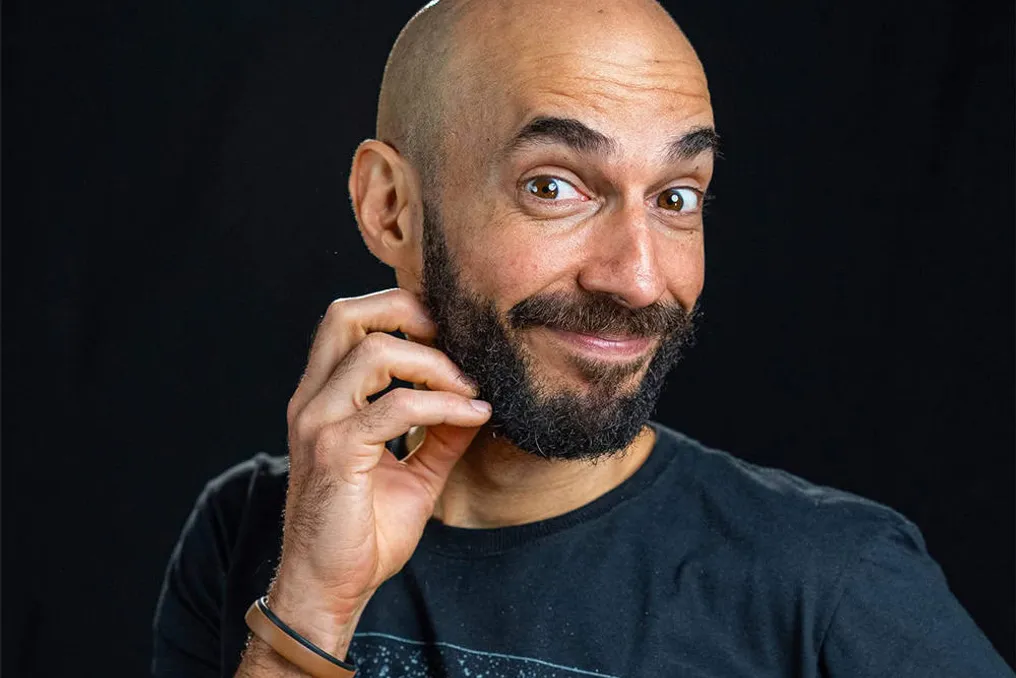
Roberto 'Pena' Spinelli, a physicist from the University of São Paulo (USP) and a Machine Learning specialist from Stanford University, commented on the great influence power of these platforms during the Olhar Digital News program. He pointed out that since models operate within people's homes, they recommend, speak, suggest, and argue, and that no model is neutral. Everything has a bias, determined by who created it, how it was trained, and what data was inserted.

An ABC News report stated that some companies intend to collect contributions from multiple religious traditions, alongside secular views.

Anthropic, the developer of the Claude chatbot, reported holding meetings with academics and leaders from more than fifteen religious groups. In these meetings, the company presents its models and debates issues raised by the technology, covering topics such as child use limits, education, and philosophical concepts about human nature.

Other major companies have shown great interest in the subject. Representatives from Meta, Google, and Amazon were recently gathered with the Vatican. Microsoft has also expanded its collaboration with global religious communities to discuss guidelines. These actions demonstrate that shaping AI behavior transcends the technical sphere, involving values, cultural differences, and social responsibilities.

Pena stated that, ultimately, these models construct their own morality, whether or not they follow an ethical code established by the company. He observed that sometimes the imposition of a code by the company is not followed by the model due to other problems. According to him, the decision on the values the company should incorporate should not be exclusive to it, as it involves immense power; this choice should belong to humanity.

However, including religious values in AI systems faces obstacles. The principles of each tradition are intrinsically linked to cultural, historical, and community contexts, and removing them can distort their meanings. Furthermore, different religions, or even currents within the same faith, may present conflicting answers to the same social situation.

This makes it difficult to consolidate these perspectives into a single set of rules, which could erase important distinctions and result in generic guidelines that do not adequately represent any of the involved traditions.

Part of the challenge lies in the functioning of large language models, which learn patterns from vast volumes of human-generated text. While this pattern recognition allows for generating responses based on relationships identified during training, it does not equate to a deep understanding of a belief nor prove that the systems possess moral consciousness or understand values like a human being.

Pena questioned the viability of creating an average of human values. He mentioned that Anthropic consulted fifteen religions and that OpenAI is also seeking something in this direction. Sam Altman expressed a desire to create a weighted average of humanity. However, Pena disagreed with this idea, arguing that the weighted average of all cultural views and morals might not be the ideal solution, as it might not be concise.

Although consulting religious leaders can help identify ethical dilemmas, it does not automatically guarantee that the systems will make correct decisions. The complexity lies in determining how to weigh distinct values, especially when they clash.

Therefore, the issue is not limited to which groups should participate in the discussions, but rather how their contributions will be considered in formulating the rules that will guide the models.

Pena also raised doubts about the criteria used in decision-making processes when facing impasses. He pointed out that what makes sense for one culture may be the opposite for another. Averaging can lead to a middle ground that satisfies no one. The crucial question is how to proceed: by representation or by majority? Which ethic or morality will be represented? And if someone has preferences different from the majority, will that person be rejected? It is an extremely difficult decision.

The companies' challenge is to define how to deal with divergent conflicting values without treating any perspective as universal. To do this, it will be essential to listen to diverse groups, clarify the criteria guiding the systems' responses, and implement transparent mechanisms for evaluation and correction of failures.

Popular