French Specialists Conduct Restoration of Exhibits from the Romanov Palace Collection in Tashkent
Read more
Podrobno.uz [uz]
podrobno.uz

French Specialists Conduct Restoration of Exhibits from the Romanov Palace Collection in Tashkent

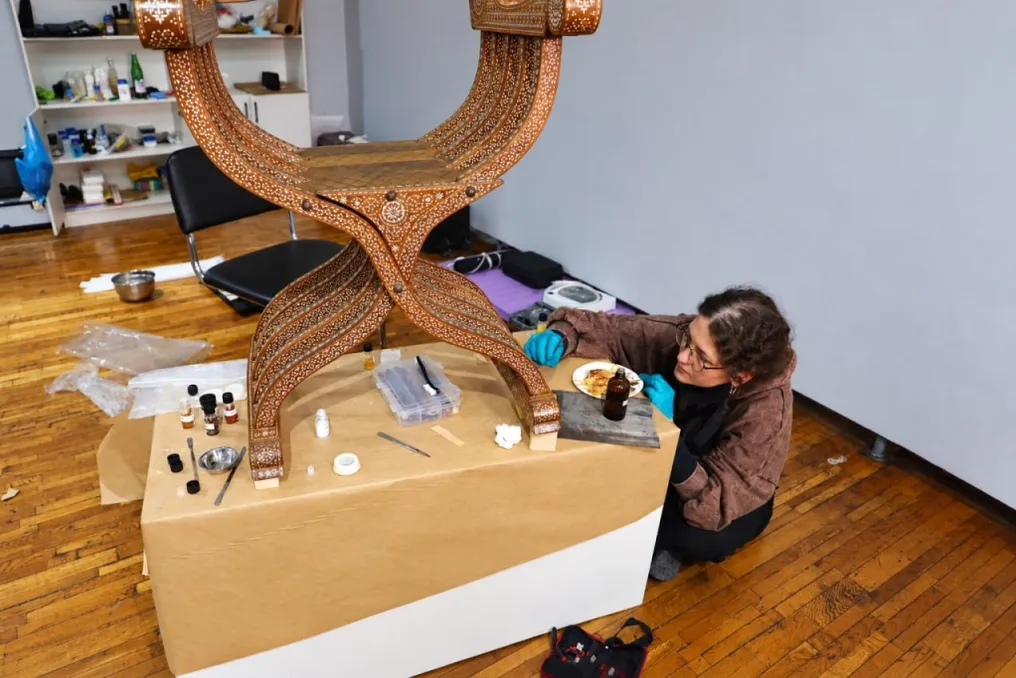
From October 6 to 30, the State Museum of Arts of Uzbekistan hosted the first restoration mission organized by French specialists. The goal of this mission was to preserve and restore historical and artistic items belonging to the Romanov Palace collection.

Nine experts from France participated in the work, focusing their efforts on two main areas. A group of five specialists, led by Delphine Eli-Lefevre, worked on restoring seven pieces of furniture from the historical fund.

Concurrently, a team of four experts under the leadership of Patricia Verge-Libay restored four paintings from the same collection, including their frames. The execution of this mission is intended to contribute to the preservation of the cultural values of the Romanov Palace, guarantee their authenticity, and strengthen international partnership in the field of restoration.

It should be noted that the Romanov Palace has been undergoing restoration since 2021. Earlier this year, in May, there was public outcry regarding a closed fashion show held on the palace grounds. Residents and public figures criticized the holding of a commercial event at a heritage architectural site that remained closed to the public.

Later, the Fund for the Development of Culture and Art clarified that the event took place exclusively on the adjacent territory and did not affect the interior premises of the palace. The agency also reported that after the completion of the work, the site will be opened to visitors as a modern museum space.
Similar stories

Practical seminar on heritage preservation held at Sasanian palace ruins
Read more
www.tehrantimes.com

Practical seminar on heritage preservation held at Sasanian palace ruins

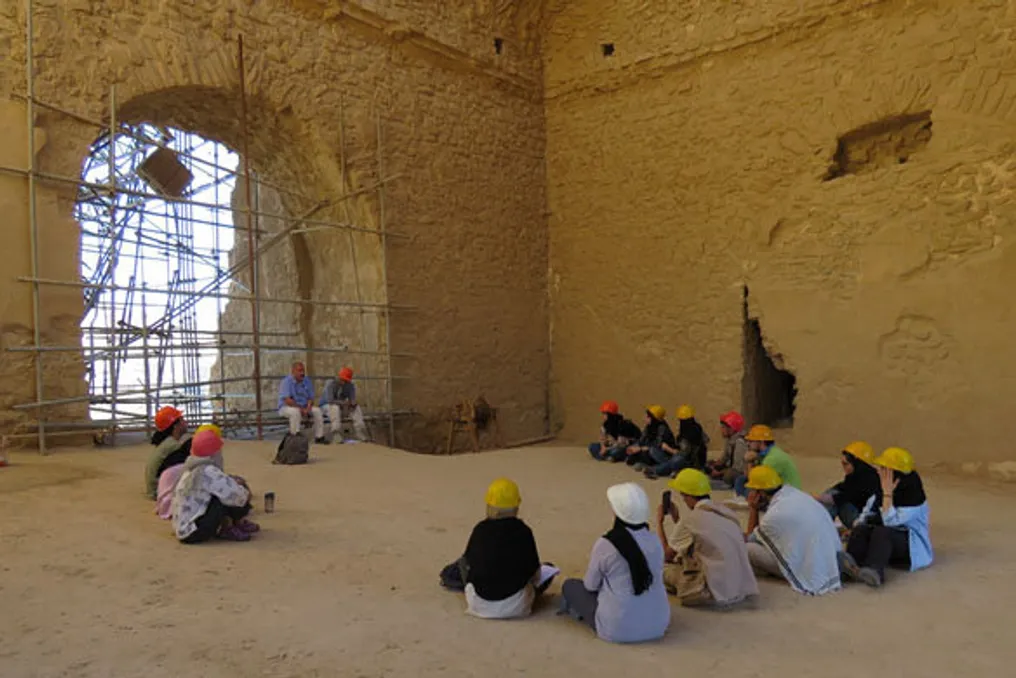
A practical training seminar on emergency preservation and restoration was held in Tehran at the Ardashir Palace and Kaleh Dokhtar Fortress, located near Firuzabad in southern Iran. The event gathered heritage preservation specialists and university students to gain practical experience in protecting historical structures.

Afshin Ebrahimi, director of the Sasanian Archaeological Landscape of Fars World Heritage site, reported that the seminar took place on Friday, October 30, with the participation of the World Heritage site management team, curators from Isfahan University of Arts, and twelve students.

The program aimed to familiarize students with practical methods of heritage conservation, monitoring, documentation, and emergency restoration, thereby bridging the gap between academic knowledge and hands-on experience at historical sites.

During the seminar, participants studied specialized measures for site preservation and periodic monitoring procedures. They also took part in practical exercises that included topographic surveying, preparation of detailed sketches, mapping, and damage assessment of selected wall surfaces at Kaleh Dokhtar, as well as filling out conservation monitoring records.

Ebrahimi emphasized that learning the correct identification and documentation of structural damage is critical for effective monument preservation. Participants were also presented with monitoring forms and technical information necessary for assessing and recording the conditions of historic buildings.

Another part of the program was dedicated to emergency preservation work at the Ardashir Palace. Students, under the guidance of specialists, participated in re-tamping sections of the palace walls and preparing gypsum models to track changes in the structure.

According to Ebrahimi, holding such seminars can strengthen the technical capabilities of the next generation of preservation specialists, promote the transfer of practical experience, and advance scientifically based approaches to protecting Sasanian heritage.

The Ardashir Palace, also known as Ardashir Papakan Palace, dates back to the beginning of the third century and was built by Ardashir I, the founder of the Sasanian Empire. Located near Firuzabad, this monument is distinguished by its vaulted halls, monumental iwan, and construction using stone and mortar.

Kaleh Dokhtar, another major Sasanian monument in the Firuzabad area, is a fortified structure traditionally attributed to Ardashir I. Its architectural features include vaulted halls, arches, domes, and staircases.

Both monuments are part of the Sasanian Archaeological Landscape of Fars region, which was inscribed on the UNESCO World Heritage List in 2018. This site encompasses archaeological remains in Firuzabad, Bishapur, and Sarvestan, illustrating the development of Sasanian architecture and the early history of the empire.

Avarsian burials of the 7th century discovered at Hungarian airbase
Read more
nplus1.ru

Avarsian burials of the 7th century discovered at Hungarian airbase

Hungarian archaeologists conducted research on an early medieval burial ground located on the territory of the Kecskemét military airbase, near the town of Kecskemét. The work was carried out in 2026 by a team from the Joseph Katon Museum under the direction of Ferenc András Kristóf.

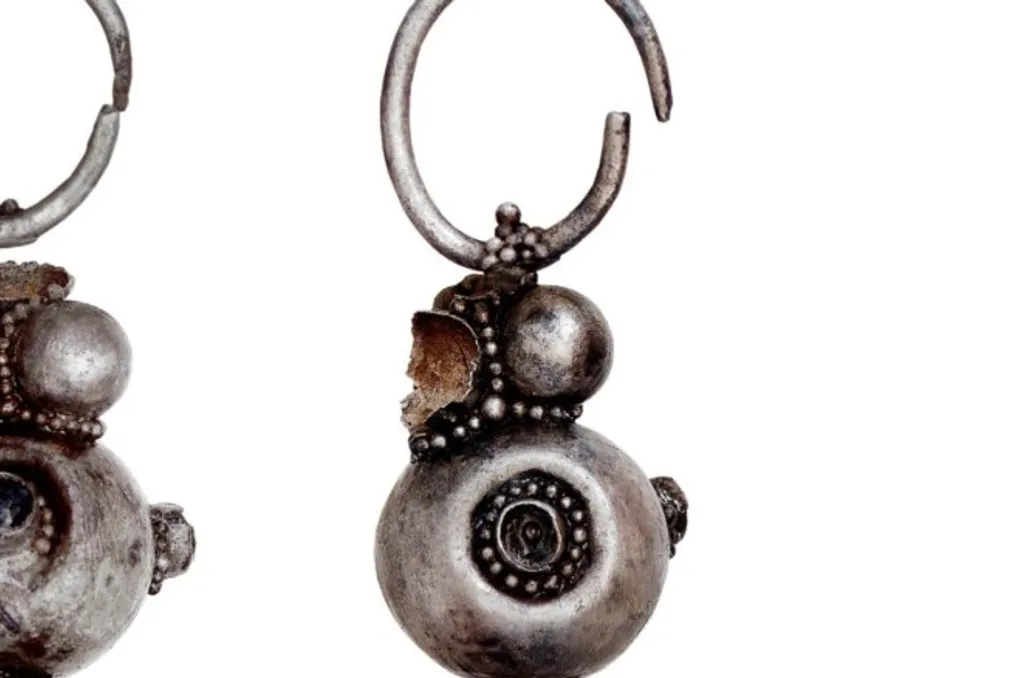
Nine burials were found during the excavations. Specialists preliminarily date these finds to the first half of the 7th century AD, which corresponds to the Avar period.

In five of the discovered graves, remains of women were presumably found. Along with jewelry and parts of bone boxes, cosmetic items in Byzantine style were also found during their burial.

Additionally, skeletons of male warriors were discovered in two other graves, who were buried with weapons. The gender of the remaining individuals from the graves could not be determined.

This discovery became known through the publication Arkeonews, which published the information citing an official press release from the Joseph Katon Museum.

Popular