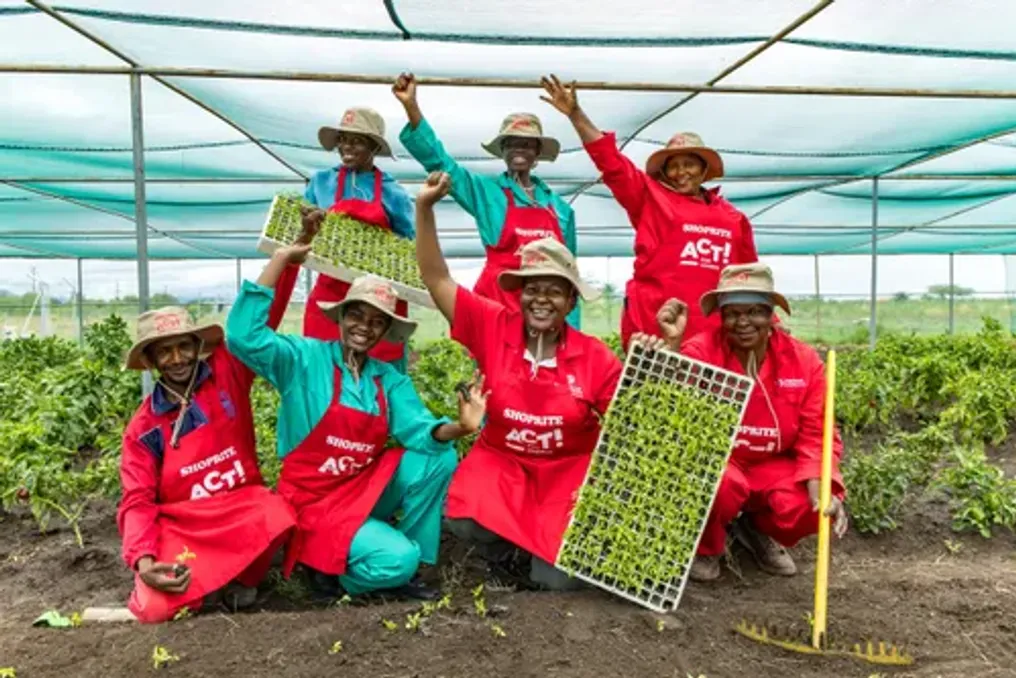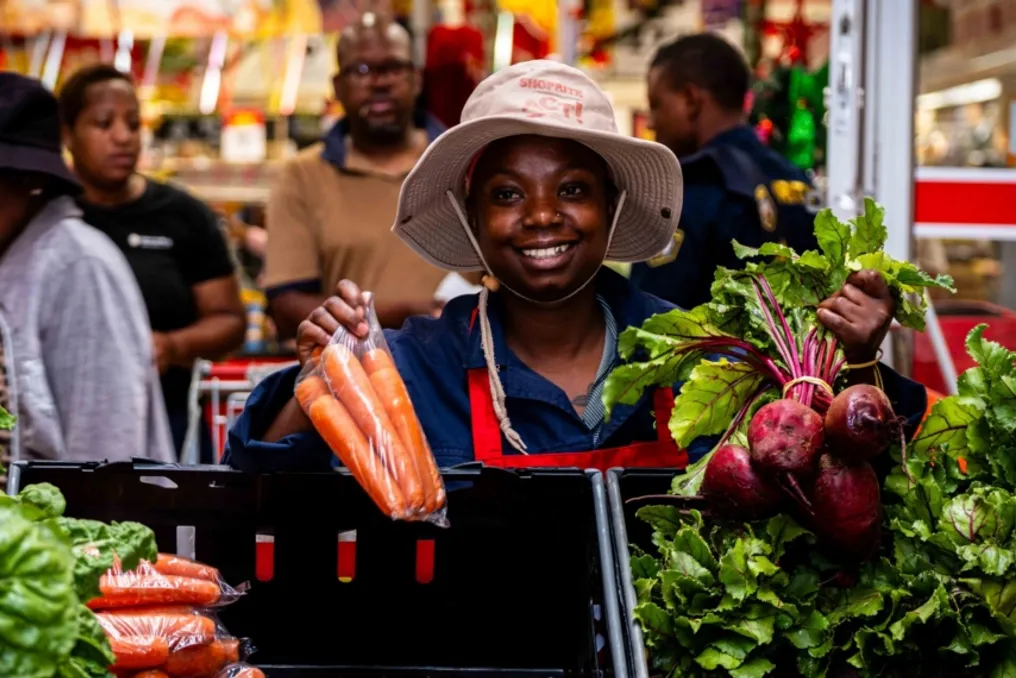
More than eighty community garden plots in South Africa were able to present their fresh produce directly to customers, gaining valuable retail experience and opening new opportunities to transform small-scale farming into a sustainable business.
Gardeners from South Africa, Botswana, and Namibia recently swapped their garden beds for trading halls as Shoprite and Checkers held their annual 'Market Day' initiative. This event gave over 80 community food gardens the chance to sell their freshly harvested spring crops directly to customers while learning about competition in a formal retail environment.
The product range varied from spinach and fresh greens to various seasonal vegetables, allowing local producers to bring their products closer to consumers and giving novice farmers insight into commercial trade.
The participating gardens are part of more than 320 community food gardens supported by the Shoprite Group in South Africa under its food security programs.
While 'Market Day' provides an immediate source of income, its long-term value lies in helping gardeners develop the skills necessary to create sustainable agricultural enterprises. Participants gain practical experience in areas such as product presentation, pricing, customer interaction, communication, and record-keeping—all critical skills for farmers aiming to move beyond their local communities.
Sanjiv Ragubir, Director of Sustainability for the Shoprite Group, noted that this initiative goes far beyond selling fresh produce. He explained that bringing together producers and buyers creates an opportunity to build confidence among budding entrepreneurs while strengthening the connection between consumers and the people who grow their food.
For gardeners who often struggle to access established markets, this experience offers a valuable opportunity to understand the expectations of retail buyers.
One participating project was the Qholaqhwe Garden project near Putaditjhaba in the Free State. What started as an initiative to create jobs for youth in the village and supply vegetables to the kindergarten cafeteria has grown into something much larger. The project has expanded into agro-processing and agricultural training, demonstrating how community food gardens can become platforms for rural economic development.
Malebane Minah, Managing Director of the Qholaqhwe Garden project, stated that the growth of the garden changed her perception of what agriculture can achieve. For Minah, one of the greatest achievements of the project has been its ability to train others in practical agricultural skills.
Other participating projects included the We Can Women’s Development cooperative, which sold its produce at Shoprite Paledi in Polokwane, and the Vukasechaba Massive Fresh Produce primary cooperative, which traded at Checkers Columbine Square in Gauteng.
This initiative comes amid an alarming rise in household hunger levels in South Africa. According to the latest South African Food Security Index prepared by the Shoprite Group, 12% of households in South Africa faced hunger in 2025, the highest figure since 2010. This index, in its third year, analyzes food availability, household access to food, and dietary diversity.
The results underscore the importance of initiatives that help communities produce their own food and create income opportunities from surplus harvests. Through the Act for Change program, Shoprite supports community food gardens by providing training, seedlings, and infrastructure, helping producers improve production and strengthen long-term sustainability.
The retail chain is also running the second annual 'Act for Change Food Garden Competition,' offering collective support of 1 million rand, tailored to the needs of winning gardens. The competition recognizes community gardening projects that contribute to local nutrition, environmental sustainability, and community development. Applications close on Sunday, November 15, 2026, and can be submitted free of charge via the competition platform without internet access at actforchangefoodgardencompetition.datafree.co.
For Ragubir, the impact of these initiatives extends far beyond the harvested vegetables. He stated: 'Market Day is a manifestation of ethics, according to which where vegetables grow, hope also grows.' For the gardeners who brought their produce to supermarket shelves, this experience has also been an opportunity to develop business skills, connect with buyers, and take another step toward turning community food production into a permanent source of livelihood.