The success of the Indian team is attributed not only to individual skill but also to the work of an extensive support team of about 16 people. In 1983, when India first won the One-Day International World Cup under Kapil Dev, the team did not have a modern staff of coaches, specialized doctors, physiotherapists, or analysts. At that time, players were accompanied only by team manager Peer Man Singh, who was responsible for all aspects of travel, accommodation, nutrition, and administrative matters.
However, over time, the game of cricket itself has changed, and the approach to preparing the Indian team has fundamentally transformed. Today, behind the 11 players on the field is an entire group of specialists, including coaches, doctors, physiotherapists, masseurs, and performance analysts. The BCCI shared a video demonstrating this modern composition of the Indian team before the fourth T20 International match in the New Zealand tour.
The main difference between the 1983 squad and the current Indian team lies not only in the availability of amenities but in the entire system of game preparation. In the past, players had to take to the field relying on mutual coordination, experience, and their own understanding under limited resources. Today, there is an expert for every area who deals with both the minute needs of the players and the analysis of opponents.
Previously, the focus of cricket was only on batsmen, bowlers, and the captain. After defeating an opponent, players were praised for their performance, and after a loss, their tactics were questioned. In modern cricket, player preparation goes far beyond net practice sessions for batting and bowling drills. Physical fitness, injury prevention, recovery, technique, strategy, and performance analysis have become equally important.
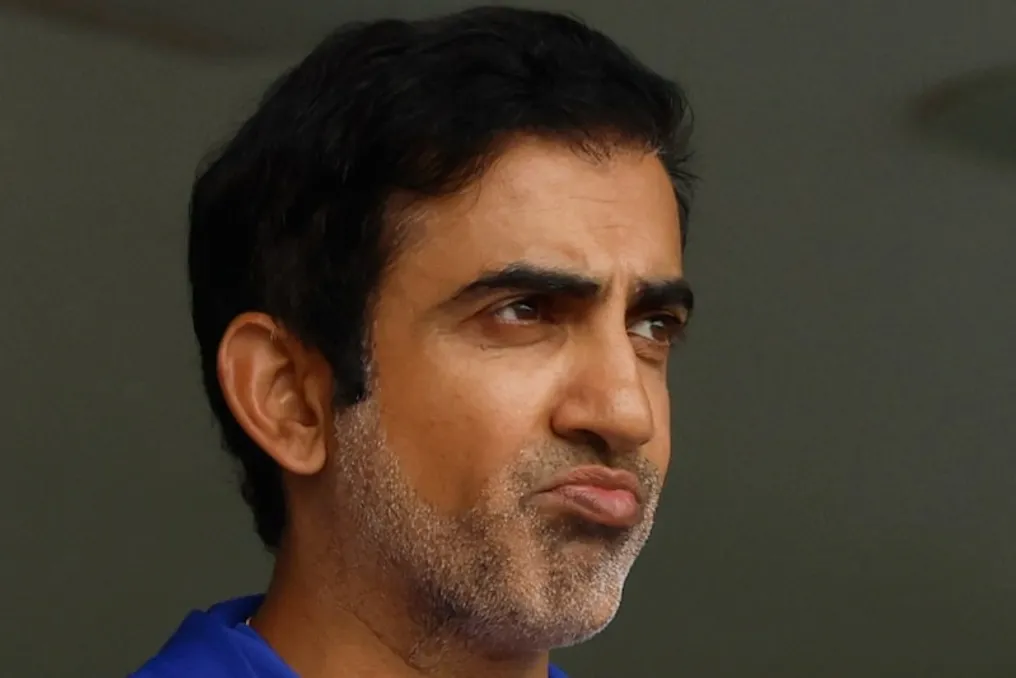
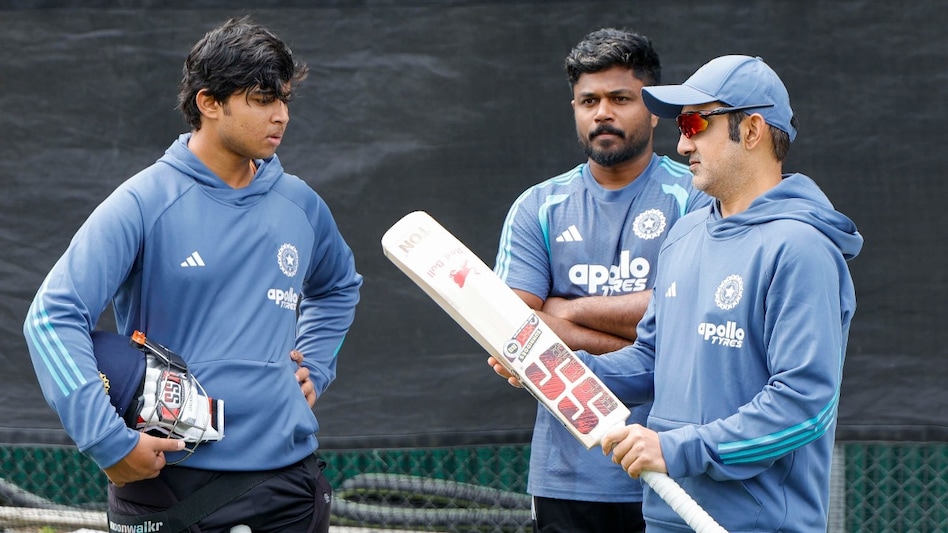
An example of this can be seen in the Indian tour of New Zealand. The BCCI released a video featuring coaches and support staff. This list includes key figures such as head coach Gautam Gambhir, as well as the medical team, physiotherapist, masseur, and performance analyst. There are a total of 17 names on the list, including members of the coaching staff.
This video shows that in international cricket today, it is not enough to simply possess talent to step onto the field. Behind the scenes, constant work is done to keep players fit throughout the tour, improve their preparation, and maintain their level of performance.
Alongside the head coach of the Indian team, Gautam Gambhir, the staff includes batting coach Sitanshu Kotak and bowling coach Morne Morkel. Siraj Batule serves as the spin bowling coach, and Subdip Ghosh is the fielding coach. Their responsibilities differ. The batting coach works on players' technique and shot selection, the bowling coach focuses on lines and bowling plans, and the fielding coach is responsible for improving catching, throwing, and overall mobility on the field.
Furthermore, Adrian Le Roux is the strength and conditioning coach. His task is related to increasing the physical readiness and fitness of the players. Since the role and needs of each player are unique, the training plan is tailored to these specific characteristics.
During long international tours, players have to travel constantly. Finding time for rest, training, and recovery between matches presents a serious challenge. Under such conditions, the role of the team's medical and physical personnel becomes critically important.
The list includes Dr. Charles Minj, chief physiotherapist Kamlesh Jain, and physiotherapist Yogesh Parmar. Nandan Maji and Chetan Kumar work in the team as masseurs. These specialists provide assistance according to the physical needs of the players, cooperate with the medical team in case of injuries, and help with recovery between matches. Nevertheless, the final decision regarding a player's injury or health status is made based on medical examination and team management processes.
The BCCI roster includes Dayanand Garanaie, Udenaka Nuwan, and Ravendra Dugi as assistant coaches. Sumit is the team operations manager, and Haji Mubassiruddin is the logistics manager, who are also part of this system. In any international tour, coordinated work between player preparation, travel, accommodation, training, and other organizational matters is crucial. Staff responsible for various tasks helps ensure the seamlessness of these processes, allowing players and coaches to concentrate on cricket.
The team's performance analyst, Hari Prasad Mohan, is also included in the list. In modern cricket, video material, statistics, and results analysis are used for strategy development. The role of data is constantly growing—from understanding the strengths and weaknesses of the opponent to assessing the performance of one's own players.
The Indian tour of New Zealand is scheduled for 12 matches across all three formats. In such a long tour, the task of ensuring players' physical condition and...