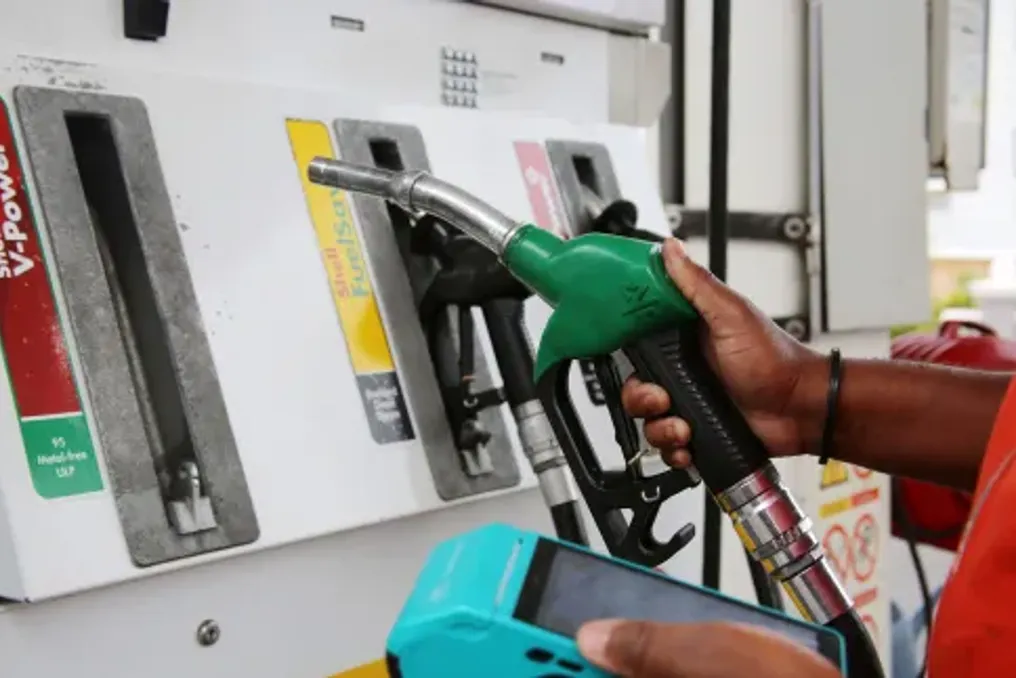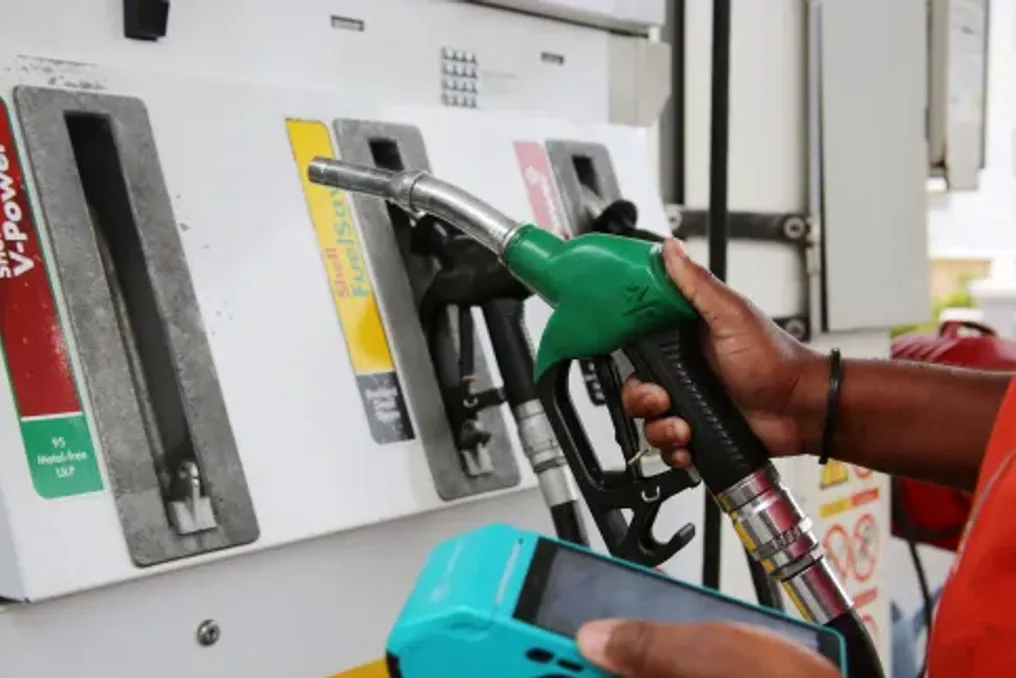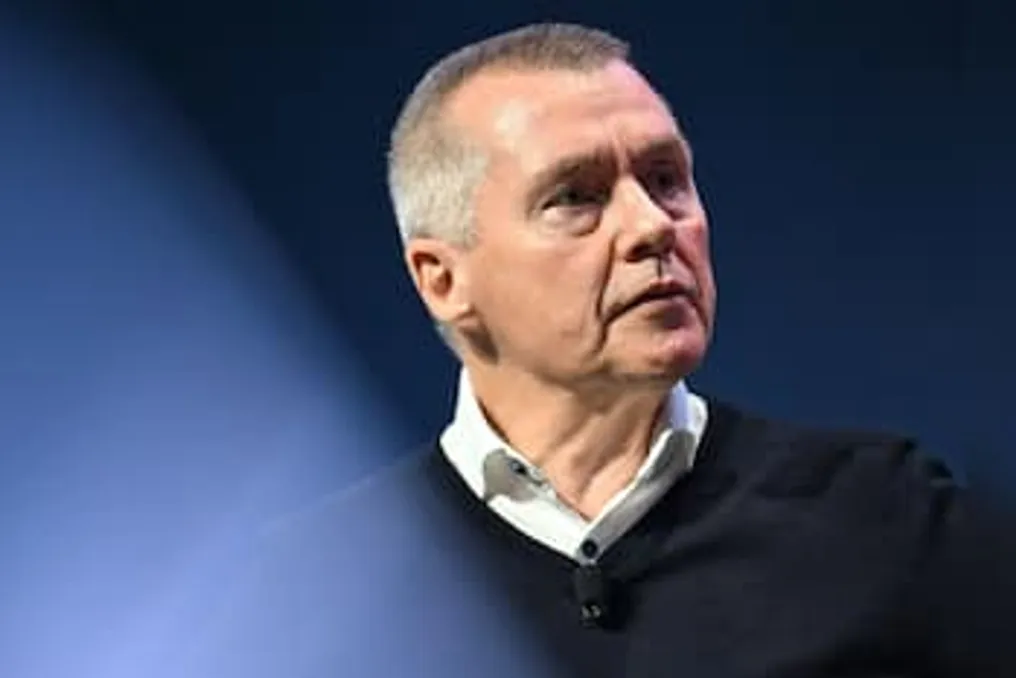
Due to the rise in aviation fuel prices, caused by the ongoing conflict in the Middle East and the expansion of long-haul flights, IndiGo CEO William Walsh announced the start of a comprehensive analysis of the company's current fuel hedging policy.
During a press conference on Monday, Walsh told reporters that the airline's management discussed the hedging issue with the board of directors and will conduct a 'comprehensive review' before making a final decision. Historically, IndiGo has avoided using fuel hedging—a financial instrument that allows for locking in fuel prices in advance to protect against sudden cost increases.
Previously, former IndiGo CEO Ronodjoy Dutta called hedging a 'foolish idea' during an investor call in June 2020. He argued that the company was too naive to understand the commodity market and that attempting to hedge against experienced players like Goldman Sachs would lead to losses.
Fuel typically accounts for about 40 percent of the Indian airline's total operating expenses. In the second quarter of the 2026-27 fiscal year, IndiGo recorded a consolidated net loss of 1,879 crore rupees. During this quarter, fuel costs sharply increased by 67.2 percent compared to the previous year, reaching 9,967 crore rupees, which significantly impacted profitability.
Walsh emphasized that the decision on hedging is complex, especially since there are no hedged airlines in the Indian domestic segment. He noted that hedging is aimed at risk management and ensuring stability, not speculating on future fuel prices. Nevertheless, the planned expansion of long-haul services provided an opportunity to review the policy, as many international competitors hedge a significant portion of their fuel needs.
Walsh clarified that the company is not currently hedging fuel and does not plan to do so until the comprehensive review is complete. The high aviation fuel prices are due to an unusually high premium charged by refineries for converting crude oil into Jet Fuel (ATF). This difference between crude oil prices and refined products is known as the 'refining spread.' The historical average spread for ATF from 2000 to 2025 was around 22 percent, but it has now reached approximately 65 percent.
He explained this situation by stating that although crude oil prices have not reached historic highs, the ATF refining margin has become exceptionally high. Walsh linked this to disruptions in global refining capacity, particularly in Europe and the Middle East, which affected ATF availability. He expects ATF prices to remain high in the near term but is optimistic about a quick reduction in the spread as refining capacities recover.
IndiGo is holding constructive talks with the government about possible measures to stabilize fuel price volatility. When discussing the impact of tariff increases on passenger demand, Walsh admitted that people prefer lower prices, but the company must maintain financial sustainability. The airline covers a significant part of the increase in fuel costs but has also raised fares to offset additional expenses.
In terms of development plans, IndiGo expects to receive its first Airbus A350-900 aircraft in the second quarter of 2028. The first ten such aircraft will be equipped with sixteen lie-flat seats in business class, as well as premium economy and economy cabins. The company is considering increasing the number of lie-flat seats in subsequent A350-900 aircraft in response to growing demand for premium travel. Currently, four Airbus A321XLR aircraft are in operation, and their number is expected to increase to seven by March of next year. These aircraft are used for flights to Athens and Amsterdam, and possibilities in Asia and Europe are being considered.
Regarding the relocation of some operations to Navi Mumbai airport, Walsh stated that the company is unconcerned by the opinions of other international airlines. He views Navi Mumbai as a long-term opportunity, assessing its needs over a five, ten, and fifteen-year horizon, rather than just as a temporary alternative during the reconstruction of Mumbai Airport Terminal 1. He also reiterated concerns about excessively high airport charges in India, arguing that the market could thrive with lower taxes.