Uzbekistan calls on farmers to prepare compost from plant residues instead of burning them
Read more
Gazeta.uz
gazeta.uz

Uzbekistan calls on farmers to prepare compost from plant residues instead of burning them

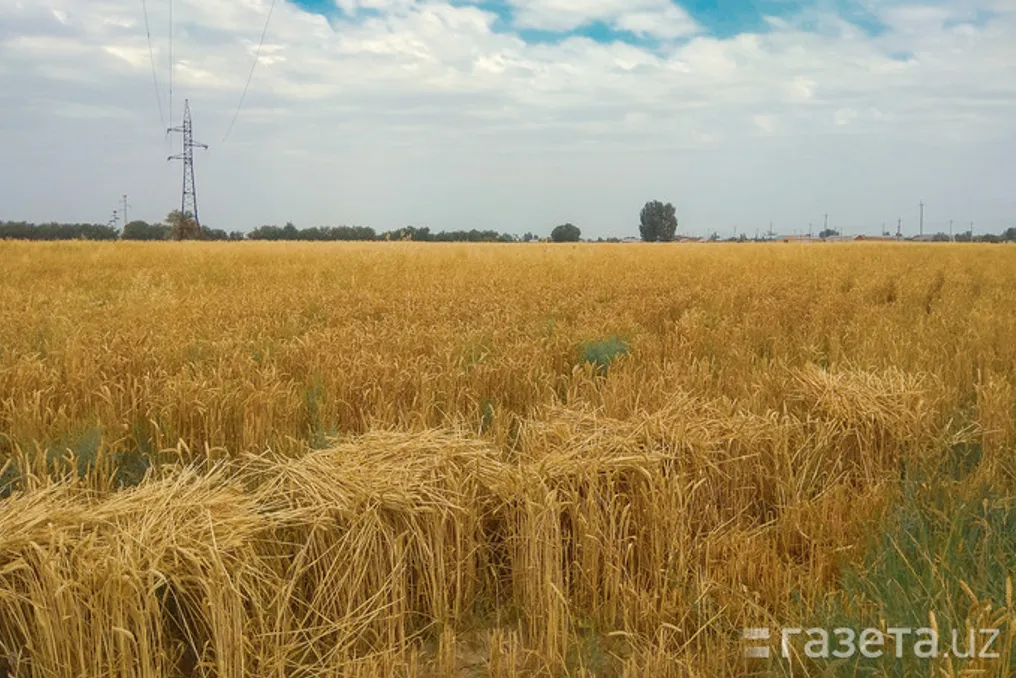
The National Committee on Ecology and Climate Change of Uzbekistan has appealed to farmers, dehqans, and all land users to abandon the practice of burning stubble and dry leaves in agricultural fields.

Instead of burning, plant residues should be used to create compost, as well as for mulching young seedlings and as feed for domestic livestock.

Representatives of the committee emphasized that the process of burning plant materials leads to the emission of a large number of substances into the atmosphere that are dangerous to human health and the environment. Among these compounds are carbon monoxide (CO), nitrogen oxides (NOx), nitrogen dioxide (NO₂), benzo(a)pyrene, dioxins, dibenzofurans, sulfur oxides, and phosgene.

Furthermore, fire destroys macro- and microelements contained in the soil, which negatively affects the level of land fertility. The committee also reminded that burning plant residues on agricultural lands entails administrative punishment in the form of a fine, which can reach 10 BRV, equivalent to 4.4 million soms. Additional economic sanctions are provided for damage caused to crops as a result of the fire, the amount of which is determined by the area of the affected land.

Similar stories

Two Australian koalas, Andi and Kingsley, are transferred to the São Paulo Aquarium
Read more
viagemeturismo.abril.com.br

Two Australian koalas, Andi and Kingsley, are transferred to the São Paulo Aquarium

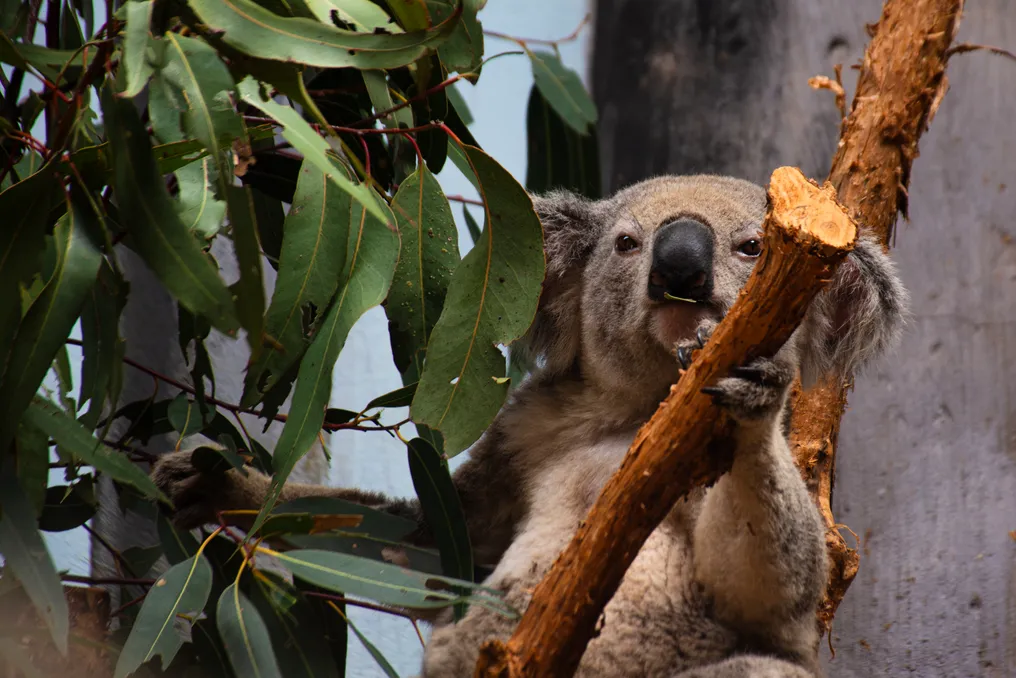
The São Paulo Aquarium, located in the Ipiranga neighborhood, has welcomed two new residents, adding a touch of charm to its collection. They are Andi, a female, and Kingsley, a male, both three-year-old koalas, who were brought from a zoo in Australia to reside in the capital city of São Paulo. Visitors have had the opportunity to meet the pair since Thursday, the 29th, observing them spending a large part of their time sleeping.

The arrival of these animals required several modifications to the aquarium. Before receiving the koalas, the facility underwent rigorous evaluations to meet the requirements set by the Australian government. These assessments covered everything from enclosure preparation to the training of teams responsible for handling and veterinary care.

The space was properly equipped with structures that replicate the trees where the species spends most of its life. The branches feature multiple ramifications, allowing the animals to find comfortable places to rest. Sleeping is a central activity for koalas, potentially lasting up to 18 hours daily.

The koalas' diet is strictly controlled, consisting solely of eucalyptus leaves, and they can consume over half a kilogram daily. At the aquarium, these leaves are changed twice a day, while the team monitors both the amount ingested and the animals' adaptation to the different varieties offered.

In addition to nutrition, Andi and Kingsley receive constant monitoring from veterinarians and behavior specialists, including regular health check-ups. Care includes preventive measures and vigilance against diseases affecting the species, such as those related to the Chlamydia bacterium and Koala Retrovirus.

Koalas, native to Australia, are classified as vulnerable to extinction by the International Union for Conservation of Nature (IUCN). In certain areas of the country, such as Queensland and New South Wales, the situation is even more critical, with populations categorized as 'Endangered,' indicating a high risk of disappearance in the wild.

The main threats to the species involve habitat destruction, the advance of urbanization, the incidence of diseases, and the impacts of climate change. Because they depend on eucalyptus trees for shelter and food, koalas are particularly sensitive to vegetation degradation. This problem was intensified by the bushfires that ravaged Australia between 2019 and 2020, coupled with prolonged droughts and heatwaves that compromise animal survival.

The arrival of Andi and Kingsley at the aquarium integrates the São Paulo Aquarium's Koala Conservation Program. This initiative encompasses eight areas of work, focusing on the reproduction, health, and well-being of the animals, in addition to including genetic studies and collaboration with other international institutions.

The program also aims to raise public awareness about the challenges faced by the species. It is hoped that visiting will help attendees understand the effects of urban expansion and climate change on biodiversity, reinforcing the need to protect natural ecosystems.

Visitors can already observe Andi and Kingsley in an enclosure specifically adapted for the species, accessible from the public viewing area. Access to the interior of the enclosure is restricted only to the professionals responsible for animal care.

Promotional tickets cost R$ 150 for adults and R$ 120 for children aged 2 to 12 years, with reduced fares available for seniors, teachers, and people with disabilities. Purchases can be made through the official São Paulo Aquarium website, where scheduling conditions can also be checked. The aquarium operates daily from 9 am to 5 pm, located at Rua Huet Bacelar, 407, approximately 590 meters from the Santos-Imigrantes station on Line 2-Green of the subway.
Second Stage of Air Quality Response Plan (GRAP-2) to be Introduced in Delhi-NCR
Read more
www.aajtak.in

Second Stage of Air Quality Response Plan (GRAP-2) to be Introduced in Delhi-NCR

Amid rising air pollution in the Delhi-NCR region, the second stage of the Graded Response Action Plan (GRAP) will be implemented. This decision was made by the Commission for Air Quality Management (CAQM) after the Air Quality Index (AQI) exceeded the mark of 300.

During today's meeting, CAQM decided to introduce GRAP-2. The official order regarding this will be issued by the commission shortly.

Poisonous fish found on UK beach contains toxin thousands of times more dangerous than cyanide
Read more
www.aajtak.in

Poisonous fish found on UK beach contains toxin thousands of times more dangerous than cyanide

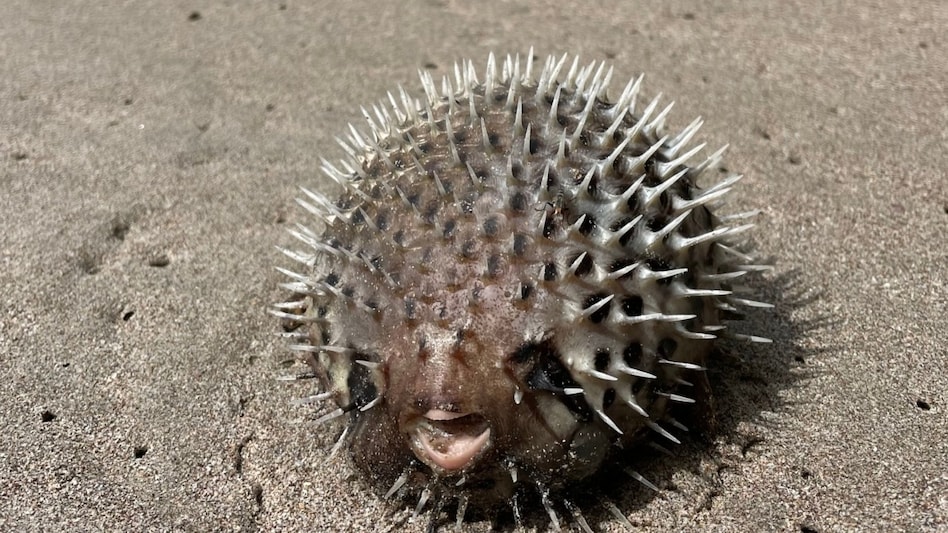
When walking along the sea, one should not touch suspicious fish, even if it is dead. A recent discovery of such a fish on a well-known beach in the UK has caused concern. This fish is a pufferfish, and its body contains a toxic substance that can be thousands of times more dangerous than cyanide. It is important to note that the poison remains deadly even after the fish dies.

According to The Sun, the incident occurred in the Dorset area, in Shstdandane, on Noll Beach. Local resident Owen Butty noticed a strange, about 17-inch object near the shore. Initially, he thought it was a small maritime marker or a plastic bag. However, upon getting closer, he realized it was a dead fish whose body was inflated like a balloon. Owen had previously seen pufferfish while diving abroad, so he assumed it was one.

To confirm, he photographed the fish and sent the images to the Dorset Wildlife Trust and a marine life expert. After inspection, the fish was identified as a pufferfish.

The most dangerous feature of the pufferfish is the poison called tetrodotoxin, contained in its body. This is an extremely potent neurotoxin that affects the body's nervous system. It can lead to muscle paralysis and, in severe cases, death due to respiratory problems.

The poison can be present in specific parts of the fish's body, such as the liver, ovaries, intestines, and skin. This is why touching or consuming it is extremely dangerous. If the pufferfish is not properly cleaned, the poison from its toxic organs can enter the edible meat, causing serious food poisoning. In some countries, the consumption of this fish is only permitted under strict rules and special preparation.

The danger associated with touching the pufferfish cannot be ignored. Its body may have small sharp spines. If these spines get into the skin and the poison enters the body, it can cause serious problems. Therefore, the safest way is to keep a distance from such fish if spotted on the shore. The key point is that the poison in the fish's body does not disappear after its death.

Pufferfish are usually found in warm seawater. Their natural habitats are the Indian, Pacific, and warm parts of the Atlantic Ocean. The discovery of such a fish on the cold coast of the UK is quite unusual. It is speculated that recent storms Austen and Boalo might have brought this fish from its usual range hundreds of miles away. However, the true reason for its appearance off the coast of the UK has not yet been established.

The name pufferfish is related to its unique defense mechanism. When the fish senses a threat from a predator, it fills its body with water or air, inflating like a balloon. This significantly increases its size, making it a difficult target for a predator to swallow. Once the body is inflated, it takes on a spherical shape, which is its most distinguishing feature.

Owen Butty, who spends a lot of time in the Dorset marine areas and is knowledgeable about local marine fauna, reported that he did not expect to see a pufferfish on the local beach. A representative from the Dorset Wildlife Trust also called it a rare sight for the marine areas of the UK. The organization advised people never to touch a pufferfish if they see it on the shore, but instead to report it to the relevant authorities.

Meanwhile, the National Trust, which owns Shstdand beach, stated that it had not received official notification of the fish's discovery. Overall, although the fish found on the shore may seem small and strange, the poison contained within it can be extremely dangerous. Therefore, curiosity that prompts one to approach or touch such a fish could result in serious consequences.

Popular