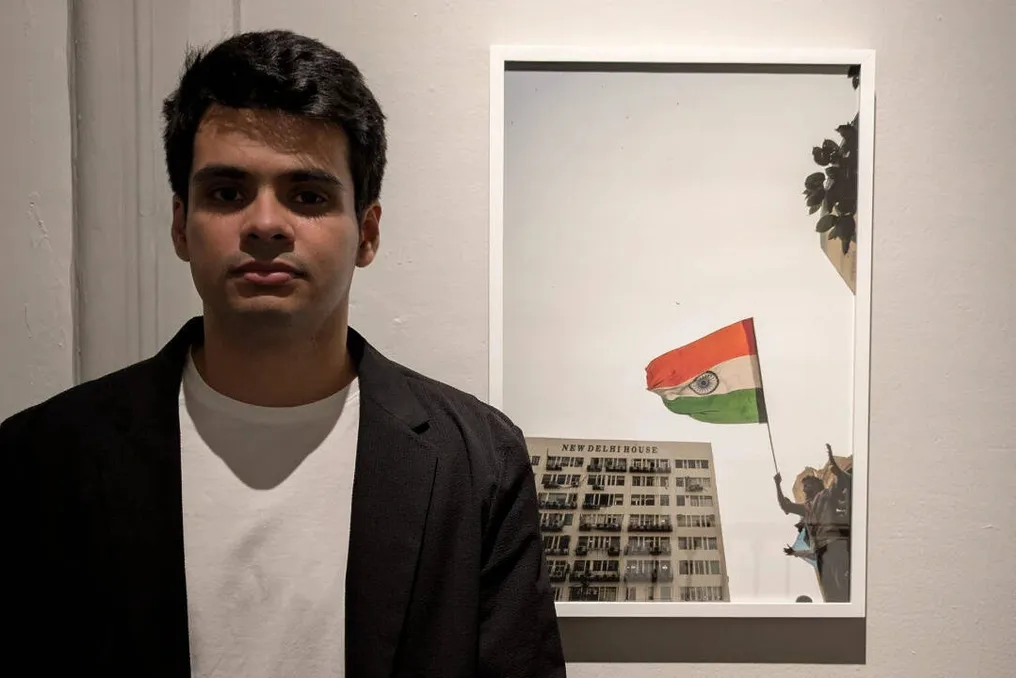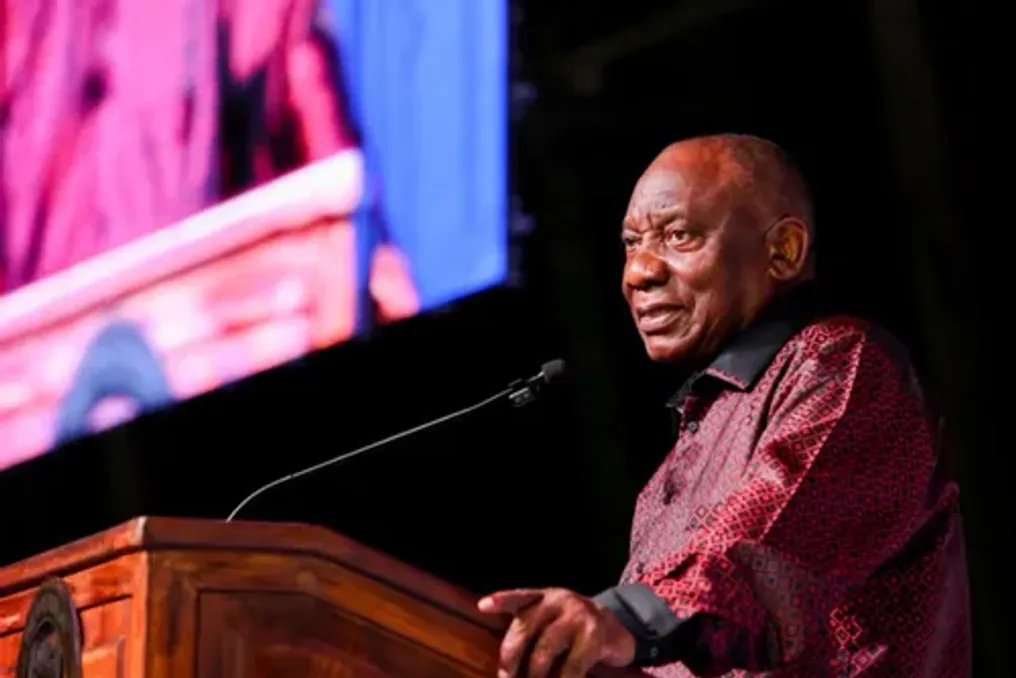
The Durban Chamber of Commerce held a gala dinner to mark its 170th anniversary, which resulted in a rare moment of open dialogue between business and government. At the event, President Cyril Ramaphosa met with the General Manager of the Durban Chamber of Commerce, Palaso Phili.
During this event, Ramaphosa advocated for the necessity of a partnership based on mutual trust and responsibility, asserting that South Africa does not need additional consultative forums. He used Durban as an example of successful cooperation, referencing the Presidential Working Group on eThekwini, as well as the recovery from the 2021 unrest and the 2022 floods. Ramaphosa presented a vision of Durban as an attractive center for industrial investment with an efficient port, developing tourism, and a growing manufacturing base, where growth is measured by opportunities for youth, women, people with disabilities, and small businesses.
However, Palaso Phili's response brought the discussion back to practical reality. Her presentation was not merely a list of complaints but an operational report on the state of the local economy. Phili stated that the Port of Durban has fallen into disrepair again. She reported the loss of vessels waiting outside the port for weeks and manufacturers forced to halt production due to a lack of raw materials delayed at the port for over ten days.
Phili emphasized that the problem is not limited to logistics but directly affects employment. She called for support for Transnet Group General Manager Michelle Phillips, diagnosing a structural issue—Transnet's debt of 150 billion rand. She proposed transferring this debt to the National Treasury Department so that Transnet could focus on fixing the port's operations rather than servicing the debt.
A second key point raised by Phili concerned that Durban is the main entry point for cheap imports. Since the Port of Durban is the largest in the country, counterfeit, undervalued, and cheap goods first enter here, negatively impacting local industry. The Chamber works with Ayabonga Khwe, Commissioner of the International Trade Commission (ITAC), but insists on the full application of the International Trade Act 72 of 2002. She warned the president that one cannot speak of reindustrialization while allowing deindustrialization through the port.
Finally, Phili presented statistics on the development gap for small and medium enterprises (SMEs). In Brazil and China, SMEs account for about 80% of the workforce, whereas in South Africa, this figure is only around 40%. She reframed traditional barriers—issues with electricity, infrastructure, rent, access to finance, and labor laws—as evidence of the failure of the national employment strategy. She noted that Durban can become a city of opportunity only with the participation of not just large businesses.
Partnership That Must Deliver Results
The significance of the evening was not the celebration itself, but the agreement reached. Phili stated that private investors are ready to help restore the port, and both leaders appeared to agree with the diagnosis presented. The president stated that the eThekwini model should serve as a benchmark for the entire country, and the general manager expressed readiness to work 'shoulder to shoulder' with his office.
Against the backdrop of upcoming local elections, it became clear that the Durban business community is not asking for favors. It demands a functioning port, fair adherence to trade rules, and an environment conducive to small business growth. The Chamber has survived 170 years through adaptation, and last week its leadership demonstrated that it continues to adapt, transforming from a lobbying group into an organized problem-solving partner.
Now, the question, as Phili noted, is whether the partnership Ramaphosa spoke of can go beyond empty words. Apparently, the Chamber has done its part by presenting its problems. Now the entire country will be watching what happens to its port, factories, and small businesses.