Malabar Paratha Recipe: How to make crispy and flaky paratha similar to restaurant style
Read more
Aaj Tak
www.aajtak.in

Malabar Paratha Recipe: How to make crispy and flaky paratha similar to restaurant style

Malabar Paratha is valued for its tender, layered texture and crispy outer shell. Although making this dish requires certain techniques, it can be easily replicated at home to achieve a taste comparable to restaurant quality.

Paratha is a popular element of Indian cuisine, eaten for breakfast, lunch, and dinner. While most households prepare parathas with potato, cabbage, turnip, or cheese, Malabar Latcha Paratha offers a new and interesting variation. This well-known dish originates from South India, specifically Kerala.

To begin cooking, mix flour, salt, and sugar in a large bowl. Then, add an egg and oil. After that, gradually add warm water and knead a soft dough, avoiding excessive stiffness. The dough is then covered with oil and left to rest for at least two hours; this helps it soften and form good layers for the paratha.

After the time has passed, small balls are formed from the dough. Each ball is rolled out as thinly as possible, brushed with oil or ghee. The rolled dough is folded into a long strip and then, while rotating, given a spiral shape. The remaining portions are prepared similarly. These spirals are covered and left for another 15 minutes. After this, each portion is lightly rolled out again to the desired paratha size.

Heat a skillet over medium heat and fry the paratha on both sides until golden and crispy, occasionally brushing it with oil or ghee. When the paratha is ready, gently press it to allow the layers to open up. The finished hot and flaky Malabar Paratha is served with yogurt, raita, marinade, chutney, lentils, or your favorite spicy vegetable dish.

Similar stories

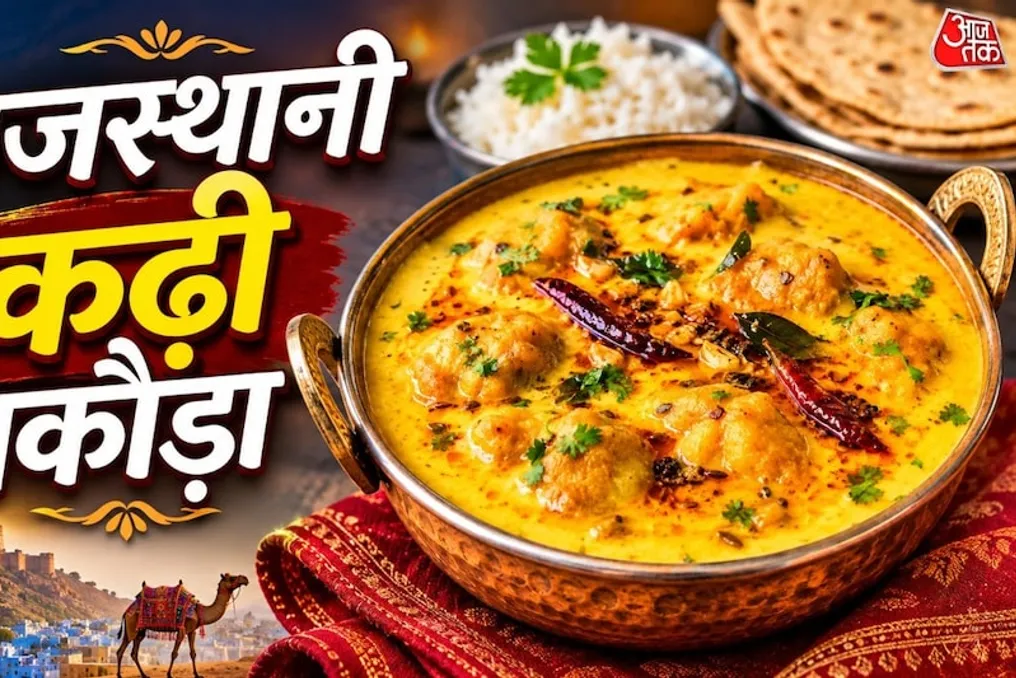
Rajasthani Kadhi Pakora Recipe: A Dish That Pairs Perfectly With Rice or Flatbreads
Read more
www.aajtak.in

Rajasthani Kadhi Pakora Recipe: A Dish That Pairs Perfectly With Rice or Flatbreads

Kadhi is one of the favorite dishes in Indian homes, traditionally served either with rice or hot flatbread. Although each region has its own method of preparing kadhi and its own flavor characteristics, Rajasthani Kadhi Pakoda is distinguished by its unique taste and aroma of spices.

In this recipe, the kadhi is made from sour yogurt and chickpea flour (besan) and is cooked with spices. Then, small besan pakoras are added to it. The final touch is provided by garlic, dried red chili, and ghee.

If you want to diversify your menu by moving away from ordinary vegetable dishes and dal, you can prepare Rajasthani Kadhi Pakoda at home.

Rajasthani Kadhi Pakoda Recipe

To begin, sift a large amount of chickpea flour (besan) into a large bowl. Add the sour yogurt to this flour and whisk thoroughly, ensuring that no lumps remain in the mixture. Then, add two cups of water and stir again. After that, incorporate turmeric, red pepper powder, coriander powder, asafoetida (hing), and salt, mixing all ingredients well. The consistency of the mixture should be neither too thick nor too thin.

Heat a deep pot on the stove and pour in the ghee. When the oil heats up, add cumin seeds (rai) and cumin (jeera). As soon as they start sizzling, add bay leaves, cloves, cardamom, cinnamon, and whole black peppercorns. After a few seconds, sauté the ginger and green chili. If curry leaves are used, add them at this time as well. All these components are fried for about a minute.

Then, gradually pour the prepared chickpea flour and yogurt mixture into the pot, stirring constantly to prevent lumps from forming. Add a little water as needed and cook over medium heat. When the kadhi boils, reduce the heat. Cook it for about 5-10 minutes, stirring occasionally so that the besan does not stick to the bottom. It must be cooked until the raw taste of the besan completely disappears.

Preparing the Pakoras

While the kadhi is cooking, prepare the pakoras. For this, put chickpea flour, red pepper powder, turmeric, ajwain (fennel), cumin, and salt into a bowl, mixing them. Then, add ghee and gradually pour in water to obtain a thick batter. It is important that this batter is not too runny.

In another pot, heat oil. When the oil reaches medium temperature, add the chickpea batter in small portions. Fry the pakoras until golden and crispy, then remove them and place them on a plate.

When the kadhi is completely ready, add the prepared pakoras to it. Gently stir with a spoon so that the pakoras do not fall apart. Then, leave it on low heat for a few more minutes. This will allow the pakoras to absorb the flavor of the kadhi and become soft inside. If the kadhi becomes too thick, a little hot water can be added.

Adding Garlic Flavor

To enhance the taste of Rajasthani Kadhi Pakoda, a garlic sauce is prepared at the end. For this, heat ghee in a small pot. Add slightly crushed garlic to it and fry until golden brown. Then, add whole dried red chilies and cook for a few seconds. Reduce the heat and immediately mix in the red pepper powder, ensuring that the chili does not burn. The finished sauce is immediately poured over the kadhi.

Rajasthani Kadhi Pakoda is ready. Garnish with finely chopped fresh cilantro. It is served hot with plain rice or cumin rice; it can also be enjoyed with flatbreads.

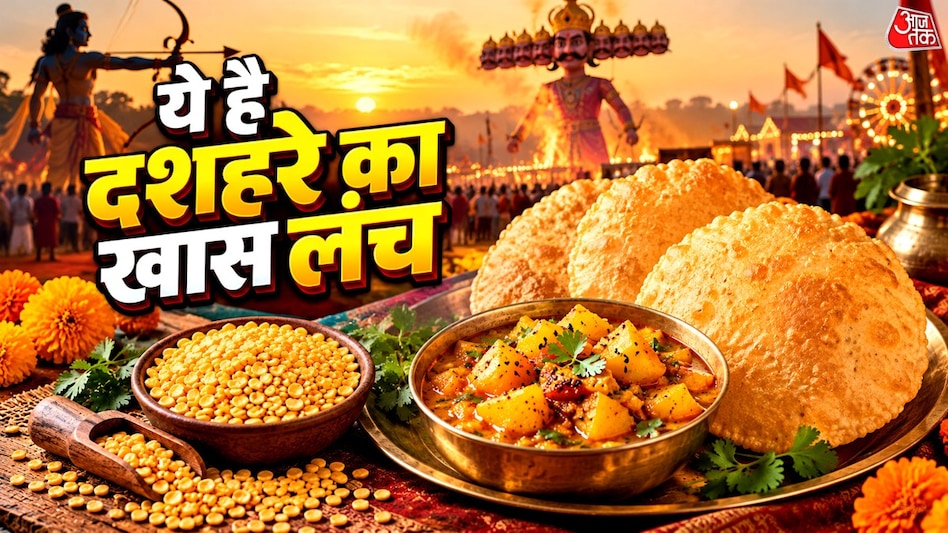
Dussehra Lunch Ideas: Recipe for Crispy Lentil Stuffed Flatbreads and Cheese Curry
Read more
www.aajtak.in

Dussehra Lunch Ideas: Recipe for Crispy Lentil Stuffed Flatbreads and Cheese Curry

Dussehra, or Vijayadashmi, is a sacred festival symbolizing the victory of good over evil and an opportunity to share joy with loved ones. On this day, it is customary to gather as a whole family for a shared meal. Often, people opt to order food from restaurants, but this can lead to stomach discomfort and a diminished festive mood.

If you want to delight your relatives with something very tasty, sattvic, and comparable to dishes from expensive cafes, the ideal option is a combination of crispy flatbreads stuffed with lentil paste and a rich, creamy cheese curry. When fluffy flatbreads filled with spicy lentil stuffing are served with a tender cheese sauce, all guests invariably admire the dish. A simple instruction for preparing this treat is provided below.

For the lentil stuffed flatbreads:

Requires 1 cup of lentil paste (soaked and cooked for 3-4 hours), 2 cups of wheat flour, 1/2 teaspoon of cumin seeds and asafoetida, 1/2 teaspoon of fennel powder and garam masala, 2 green chilies and 1 inch of ginger (chopped), salt to taste, and oil/ghee for frying.

For the Paneer Cheese Curry:

You need 250 grams of cheese (cut into cubes), paste from 3 tomatoes, 1 inch of ginger and 2 green chilies, paste from 10-12 cashews (soaked in water for 15 minutes and ground), 1/2 cup of freshly whipped yogurt or cream, 1 teaspoon of cumin, 2 cloves, 1 small cardamom and 1 bay leaf, 1 tablespoon of coriander powder, 1/2 teaspoon of turmeric, 1 teaspoon of Kashmiri red chili, 1/2 teaspoon of dried mint and garam masala, 2 tablespoons of clarified butter or oil, salt to taste.

Secret to the lentil paste stuffing: Grind the cooked lentil paste in a blender until coarsely textured, without adding water. Heat 1 teaspoon of oil in a pan and sauté cumin, asafoetida, ginger, green chili, fennel powder, garam masala, and salt together with the ground lentil paste for 2-3 minutes. (Sautéing the lentil paste prevents the flatbreads from tearing during frying).

Technique for kneading and rolling the dough for the flatbreads: Mix the wheat flour with a small amount of salt and 1 tablespoon of fat (moin), then knead a sufficiently firm dough. Roll the dough ball into a cup shape, fill it with 1 teaspoon of cold lentil paste filling, and seal it. Gently roll out the flatbread and fry it in medium-high hot oil until golden and puffy.

Preparing the rich cheese curry: Heat the clarified butter in a pot. Sauté the whole spices (cumin, cloves, cardamom, bay leaf). Then add the tomato and ginger paste, along with dry spices (turmeric, chili, coriander), and simmer until the oil separates. After that, stir in the cashew paste and whipped yogurt, stirring constantly for 2 minutes. Add 1 cup of hot water and bring to a boil. Then add the cheese cubes, dried mint, and salt, and simmer on low heat for 4-5 minutes. Serve garnished with fresh cilantro and garam masala.

Serve the hot, fluffy flatbreads with the rich and creamy cheese curry to enjoy lunch on Dussehra!

Moringa Tikki Recipe: A Crispy Snack Perfect for Evening Tea
Read more
www.aajtak.in

Moringa Tikki Recipe: A Crispy Snack Perfect for Evening Tea

If you are craving something crispy and savory for your evening tea, you can prepare moringa tikki. This snack, made from legume flour, rice flour, and spices, turns out crispy on the outside and soft on the inside.

Although moringa is usually used to make bhel or other snacks, it can also be used to make a delicious tikki. For this, you will need moringa, legume flour, rice flour, and some spices. It is served hot with tomato ketchup or your favorite sauce.

To begin, you need to rinse the moringa in water two or three times. Then, gently squeeze it by hand to remove excess moisture and transfer it to a large bowl.

Next, add the legume flour, rice flour, finely chopped onion, green pepper, ginger-garlic-green pepper paste, coriander powder, red pepper, turmeric, cumin powder, and salt to the bowl. After that, mix in whisked yogurt, fresh green basil, white sesame seeds, and sugar, thoroughly mixing all ingredients until a consistency suitable for shaping the tikki is achieved.

Lightly grease your palms with a little oil, take a portion of the mixture, and form a round base, pressing it slightly to create a tikki. This process is repeated with all the resulting mass.

Afterward, pour oil into a pan and heat it. When the oil is hot enough, carefully place the tikki and fry over medium heat until golden-brown and crispy. Remove the cooked tikki and place it on a paper towel to absorb excess oil.

Finally, serve the hot, crispy tikki on a plate and serve it with tomato ketchup or your chosen sauce.

Popular