Plans to install billboards on the water off the coast of Mumbai spark controversy
Read more
Aaj Tak
www.aajtak.in

Plans to install billboards on the water off the coast of Mumbai spark controversy

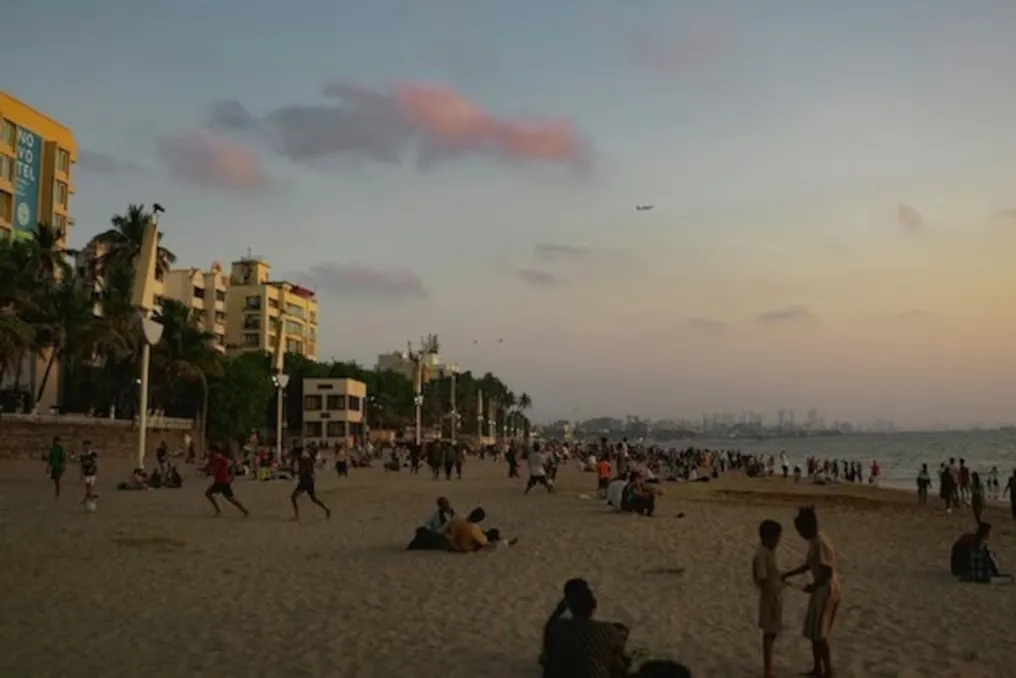
In his novel 'The Ground Beneath Her Feet,' writer Salman Rushdie wrote: 'As soon as you touch the sea, you connect with another end of the world.' Visiting the famous Juhu beach in Mumbai is something similar, a beautiful experience. People come there to enjoy the sea waves, cool breeze, and sunset, but now this experience may change: visitors might see advertisements on floating LED screens in the sea.

This is causing concern among those who have purchased property on the coast of Mumbai for huge sums. Many people have spent all their savings and taken on long-term loan obligations by buying such homes. One of the main reasons for purchasing these homes was the open and picturesque view of the sea, but now this view may be obscured by floating advertisements.

Mumbai's beaches offer the city a temporary respite from the hustle and bustle of city life. People of all ages and social strata come here to spend peaceful moments. There is no discrimination along the coast; everyone can enjoy the open view, cool air, and sea waves. However, the sea itself is now planned to become a platform for advertising.

This could affect the city's already shrinking natural landscapes due to advertising. The Maharashtra Marine Board (MMB) has granted permission for the placement of floating advertisements on major beaches and coastal areas of Mumbai. This decision is sparking protests. Dissatisfaction is expressed not only by coastal residents but also by Mumbai residents who come there to relax and spend time in tranquility.

MMB conducted tenders for advertising placement in the Mumbai Metropolitan Region (MMR). Among the locations selected for this advertising are Juhu Beach, Lotus Jetty, Bandra-Worli Sea Link Jetty in Worli, Carter Road, and Marvi Jetty. According to a Mumbai Mirror report from October 31, MMB conducted only 19 tenders in September: 10 were for floating advertisements, and nine were for illuminated billboards. The report indicates that these tenders involve placing advertisements in Mumbai, Navi Mumbai, and surrounding areas. As part of this plan, it is proposed to install 15 floating billboards on barges and 14 double-sided billboards. The size of one billboard will be approximately 40x40 feet.

Nevertheless, following public protests, Nitesh Rane, Minister of Ports of Maharashtra and Chairman of MMB, issued an explanation on the social network X. He stated that there is a misunderstanding among people regarding the billboard tenders. Of the four proposed floating billboards, two are already near the Sea Link, and only two new billboards are planned to be installed.

However, local residents argue that regardless of the number of billboards, one LED billboard is capable of spoiling the beautiful sea view. Civil organizations and environmental groups are also questioning whether the revenue from this advertising can compensate for the damage caused to the sea and the environment?

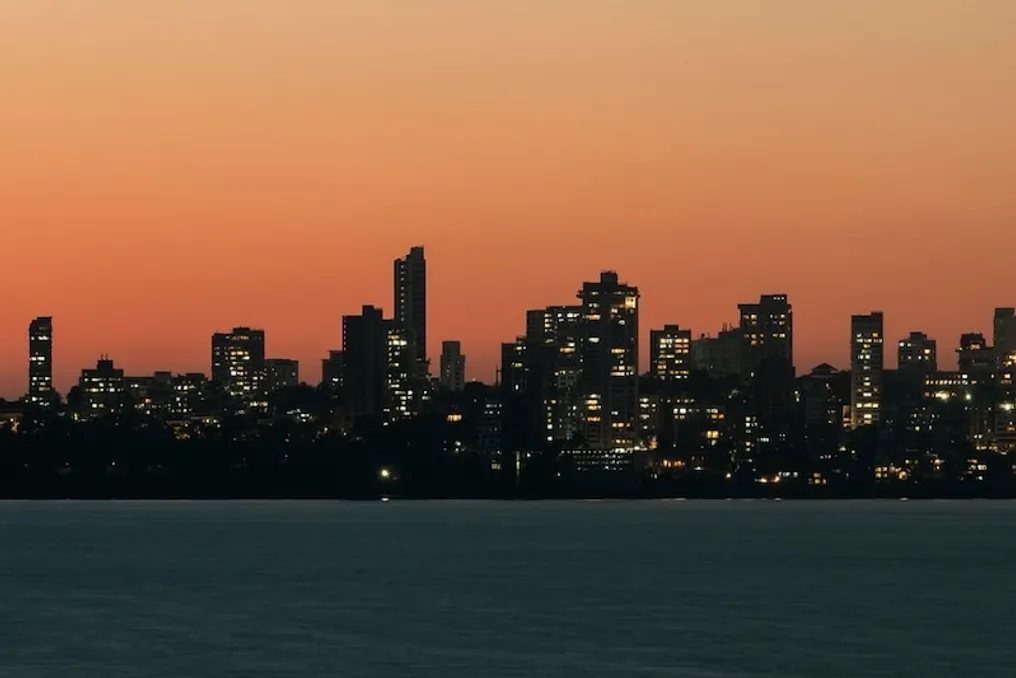
Even small apartments located by the sea in Mumbai sell for millions of rupees. Many of these apartments are only 400 square feet in size, but their price is very high. The main reason for this is the open view of the sea available from there. The endless expanse of the Arabian Sea and the sunset over the sea visible every evening cannot be easily seen in other parts of Mumbai. This is why people spend large sums of money to buy sea-facing property.

The sea view remains special even after sunset. Clouds slowly moving over the black sea and some distant lights create a unique feeling. At night, there is little artificial lighting in the sea; sometimes only the lights of coast guard ships are visible from afar. People visiting the beaches of Marine Drive, Worli, Dadar, Santacruz, Juhu, and the northern beaches of Mumbai understand this tranquility well.

The sea view is different during the monsoon season too. When clouds gather high in the sky and slowly approach the city, this is also one of Mumbai's beautiful features. Nikundh Khosla, living in the Bewiew building in Versova, told India Today Digital that the Versova-Link bridge built in the sea does not bother him because it is a project related to the city's needs. The city is growing, and people need better transport access. During peak hours, getting from Versova to Bandra takes over an hour due to traffic on Juhu Tara Road and the Western Express Highway.

Nevertheless, he believes that floating advertisements will look very bad. Khosla noted that a 3BHK apartment near his building in Versova can cost up to 18 crore rupees, offering an open sea view, and said: 'Imagine someone spending millions of rupees to buy a house for the sea view, and their balcony...'
Similar stories

Record prices for luxury real estate recorded in Mumbai: one house valued at 152 crore rupees
Read more
www.aajtak.in

Record prices for luxury real estate recorded in Mumbai: one house valued at 152 crore rupees

The luxury real estate market in Mumbai is witnessing a new record for the sale of expensive houses. In one residential complex, the average cost of a house reached 152 crore rupees. This project is called Naman Xana and is located in the Versova area of Mumbai.

In the first half of the 2026-27 financial year, specifically from April to September 2026, three houses were sold in this project for a total of 456 crore rupees. Thanks to this, Naman Xana ranked first among the ten best luxury residential projects in Mumbai by the average price per house.

According to the Lighthouse Luxury report, this analysis is based on property registration data, specifically statistics from the Chief Inspector of Registration of Maharashtra (IGR). The report indicates that demand for luxury homes in prestigious areas of Mumbai remains strong, with prices in some selected projects reaching very high levels.

Although Naman Xana led in the average price per house, Godrej Trilogy Seafront won the category of total sales volume. In this project, also located in Versova, 54 houses were sold from April to September 2026, totaling 1,199 crore rupees. The average price per house here was approximately 22.2 crore rupees.

Oberoi Elysian ranked second in this list. Over the six-month period, 67 houses were registered for a total of 899 crore rupees, while Rustomjee Crown saw 51 houses sold for a total of 622 crore rupees.

Prestige Nautilus also entered the list of luxury residential projects in Mumbai. From April to September 2026, 18 houses were sold there for a total of 571 crore rupees, corresponding to an average price of about 31.7 crore rupees, and ranked second in the rating by average cost.

Lodha The Park registered the highest number of sales—76 houses, totaling 563 crore rupees, with an average house price of about 7.4 crore rupees. In Runwal Raaya, 36 houses were sold during the same period for a total of 550 crore rupees.

According to the report, a total of 496 houses were sold across the top 10 luxury residential projects in Mumbai over six months. The total value of these transactions reached 6,116 crore rupees. The project ranking was based on the total value of registered transactions, not the number of houses.

The statistics clearly demonstrate significant differences in prices between various projects in the Mumbai luxury real estate market. While the average price per house in Naman Xana was 152 crore rupees, in Godrej Reserve, this figure was significantly lower—around 5.7 crore rupees.

Tourists spend large sums to visit 'ghost island' in Canada free from digital technologies
Read more
www.aajtak.in

Tourists spend large sums to visit 'ghost island' in Canada free from digital technologies

Imagine a vacation spot where mobile service is absent, there are no cars, and internet access is limited to one shared Wi-Fi point. In an era of constant connection to the digital world, a small island in Canada offers the opportunity to spend time away from modern life. Notably, tourists are willing to spend around 100,000 rupees for a two-night stay here.

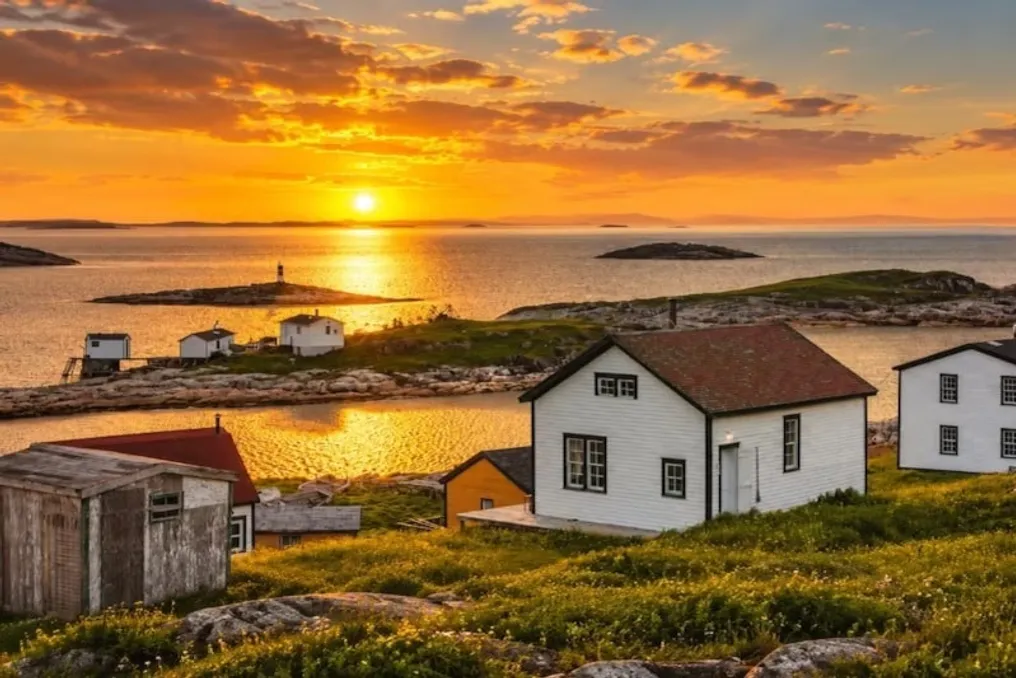
According to a BBC report, Battle Harbour, located near the Labrador coast of Canada, was once a major center for fish trade. Today, it is a historic tourist destination where people come to enjoy tranquility away from the noise and notifications of mobile phones.

Although Battle Harbour is only about half a mile long, it played a significant role in history. In the 1770s, British trader John Slade began trading here. At that time, cod was salted and sent to Europe, the Caribbean, and other regions.

During its peak, the island had amenities such as hospitals, schools, churches, and radio stations. About 300 people lived there permanently, and thousands came during the fishing season. However, the population began to decline due to a severe fire in 1930, the reduction in fish stocks, and resettlement programs in the 1960s. By the 1970s, the last permanent resident had left the island. Then, on July 2, 1992, a government restriction on cod fishing dealt a serious blow to the fishing industry, affecting employment of about 30,000 people in Newfoundland and Labrador.

Today, Battle Harbour has no permanent population, but its historical value is preserved. The island retains old wooden houses, buildings related to fishing, and historical trails. Tourists can stay in cottages built in old buildings or in rooms of former trading buildings.

There is no television or the hustle and bustle inherent in modern tourist attractions here. Tourists can walk along old paths, view the cemetery, and learn the island's history amidst the sounds of ocean waves and wildlife. Arctic foxes can also be encountered on the island.

To reach Battle Harbour, one must first fly to Happy Valley-Goose Bay. From there, there is a five-hour drive to Mary Harbour. From there, the island can be reached by ferry in 60–75 minutes. During the journey, there is a chance to see seabirds, icebergs, and humpback whales under favorable conditions.

According to the report, the starting price for a two-night package for two people is 1570 Canadian dollars, equivalent to approximately 1.06 lakh rupees. This package includes accommodation, ferry transfer, meals, and a tour of historical sites; taxes and tips are paid separately.

Popular