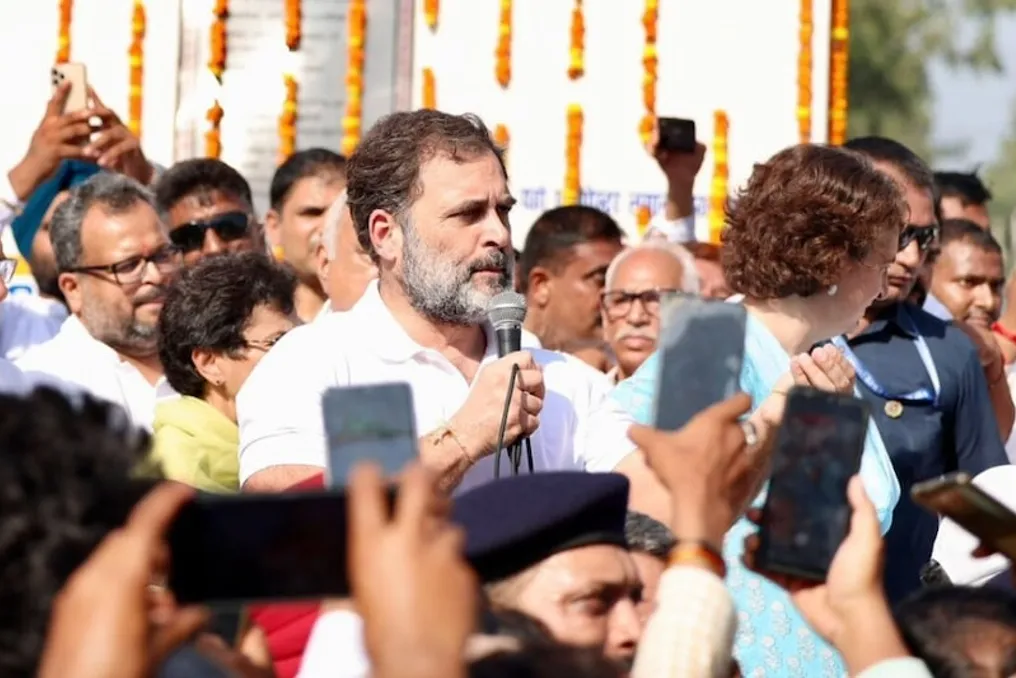
Trade associations expressed dissatisfaction and concern regarding the mass rally of the INDIA bloc, which took place on November 1st at Ramlila Maidan in Delhi. The Confederation of Trade and Industry (CTI) claimed that as a result of this event, Delhi's trade suffered losses of approximately Rs 11 billion in a single day.
The Chairman of CTI, Brijnesh Goel, questioned who would compensate the damage caused to traders, factory owners, and sellers due to the rally. According to the organization, about 250,000 shops remained closed, negatively affecting not only wholesale and retail trade but also the transport, hospitality, restaurant, and tourism sectors.
The Delhi Trade Federation noted that political parties have the right to express their views democratically, but when holding such events, the interests of ordinary citizens and traders must be taken into account. The federation emphasized that Delhi's wholesale markets are not just centers of local trade but a vital foundation for the livelihoods of millions of small traders, sellers, and buyers from across the country.
In the federation's view, when large political events disrupt traffic and overall market activity, traders can incur significant economic losses. It was also noted that small businesses coming from other states may feel the impact on trade and business meeting plans. The daily income of sellers, workers, laborers, transporters, and their families can also suffer under such conditions.
Nevertheless, the federation stated its respect for democratic rights and peaceful protests. While recognizing the right of every political party to express an opinion, it also insisted on the need for accountability towards business, employment, and citizen convenience. The federation proposed that when determining the date and location of major political events in the future, priority should be given to Delhi's commercial centers, wholesale markets, transport system, and public convenience.
According to CTI Chairman Brijnesh Goel, according to the organization's survey, the November 1st rally led to direct losses for Delhi's trade amounting to approximately Rs 11 billion. It was stated that the largest loss—Rs 8.8 billion—was incurred by retail and wholesale trade.
CTI specified that major trade hubs such as Sadar Bazar, Chandni Chowk, Chawri Bazar, Hari Bhawli, Nai Bazar, Ajmeri Gate, Daryaganj, Paharganj, Jama Masjid, Cantonment Place, and Karol Bagh are located within a five-kilometer radius of Ramlila Maidan. The organization claims that out of approximately three hundred thousand shops in these areas, 250,000 remained closed, and about 80 percent of trade was affected.
According to CTI, the transport and logistics sector suffered losses of about Rs 1.5 billion due to the rally. The organization stated that the movement of goods, loading, and unloading within ten kilometers of Ramlila Maidan were disrupted. Furthermore, a loss of Rs 500 million was reported in the hotel, restaurant, and tourism sector. According to CTI, bookings in numerous hotels and guesthouses in central Delhi were canceled, and tourist flow also decreased.
Additionally, the organization reported losses of about Rs 200 million among the informal sector and wage laborers. This affected drivers, rickshaw pullers, auto and electric rickshaws, street vendors, porters, and other people receiving daily wages.
CTI Chairman Brijnesh Goel refuted accusations against trade associations that they are agents of the BJP, emphasizing that their activities are unrelated to politics. He recalled that the top one hundred associations of Delhi markets had appealed to the Congress to postpone the rally. Goel stated that these organizations represent traders, not any political party, and reiterated the issue of compensation for the damage inflicted on traders, factory owners, and sellers due to the rally.