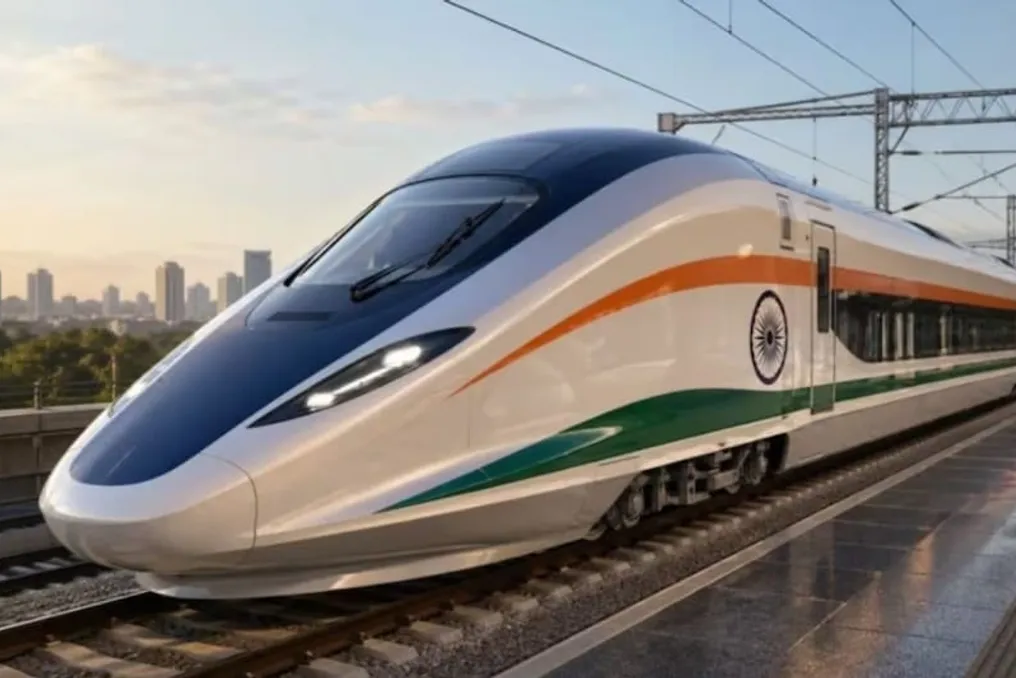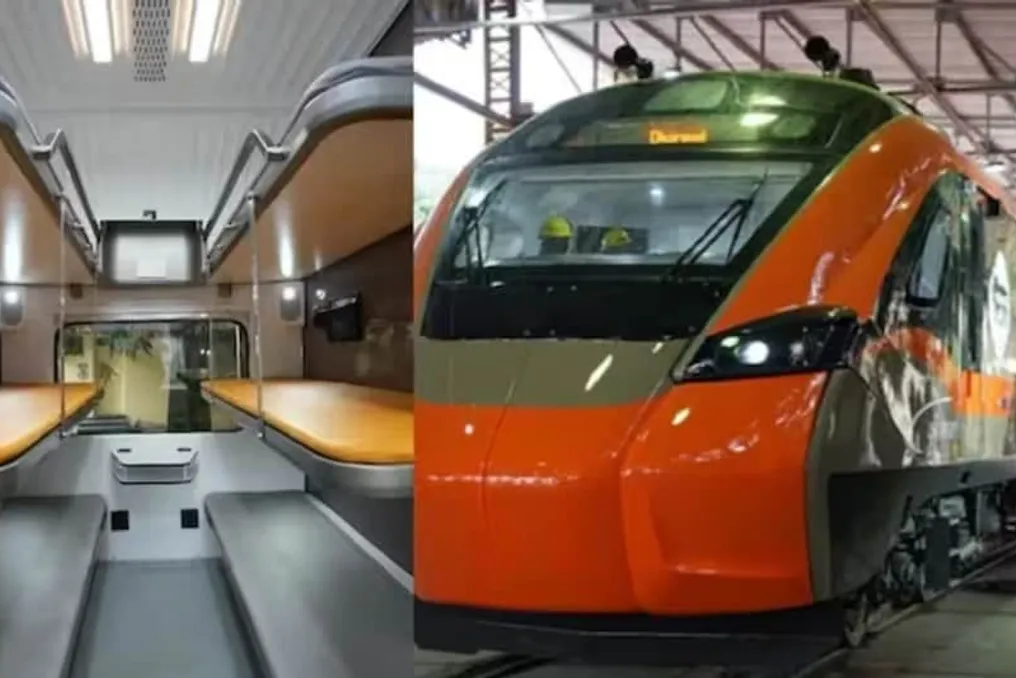
The creation process of India's first domestic high-speed train, the B28, is approaching its final stage with the completion of a squeeze test on the first carriage next week.
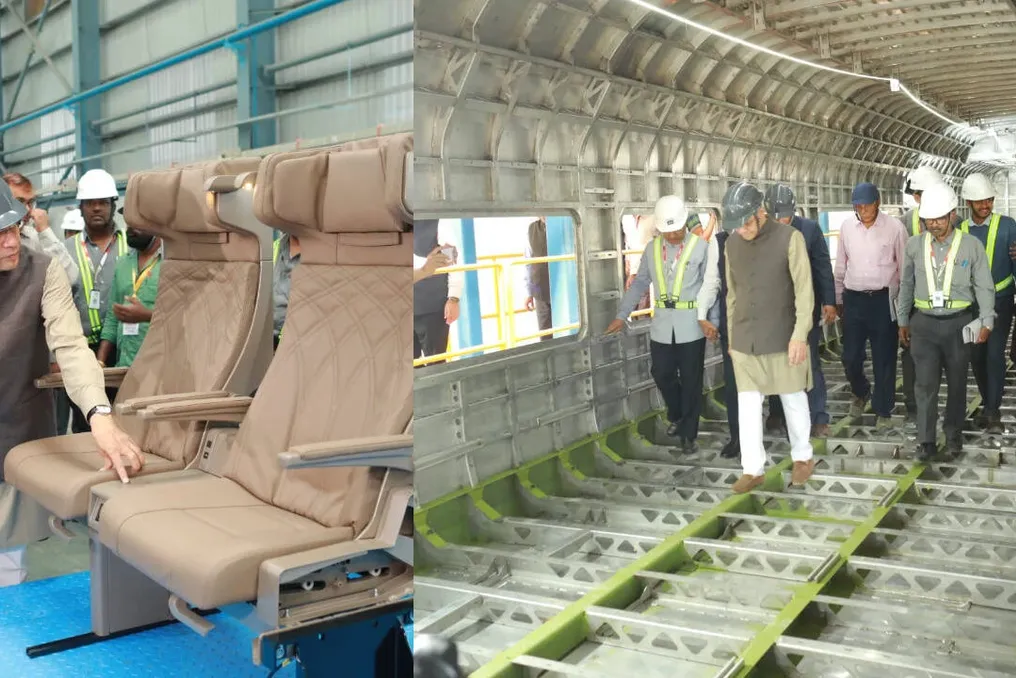
The Minister of Railways, Ashwini Vaishnaw, personally attended this test, which took place at the BEML facility in Bangalore on Sunday. The squeeze test is a safety assessment aimed at determining the train body's ability to withstand significant external loads and pressure without excessive deformation or structural failure in the event of a collision.
As Vaishnaw noted, the integrated body test is in its concluding phase. Following this, the power plant and all electronic systems will be installed. This will then be followed by climatic tests, during which the carriage will be subjected to high temperatures of 50 degrees Celsius, negative temperatures, as well as conditions of dust and heavy rain.
It is planned that the tests for the high-speed train, designed for speeds up to 249 km/h with a test speed of 275 km/h, will begin in the first quarter of 2027–2028 on the Surat-Vapi section (100 km) of the Ahmedabad-Mumbai high-speed corridor. Commercial operation is scheduled for August 2027.
Each train will consist of eight carriages, with the possibility of adding another eight later. The eight-carriage set can carry 557 passengers. The Central Public Sector Enterprise BEML is responsible for manufacturing the first two such domestic trains.
According to an official, after the successful completion of this test, the prototype should be ready in less than six months, as the B28 (Bharat 28) does not use Japanese Shinkansen technology. The squeeze test confirms whether the body maintains its shape under pressure and if the passenger compartment remains structurally intact.
Previously, the Ministry of Railways, while seeking Cabinet approval to increase the cost of the country's first high-speed train project, stated that two prototypes were expected to undergo testing in the first quarter of 2027. It was also reported that the entire Gujarat section of the corridor is planned to be completed by December 2027, and the full 508-kilometer Mumbai-Ahmedabad High-Speed Rail corridor should be ready by December 2030.