Toyota develops new four-cylinder engine for Corolla with promise of greater fuel economy
Read more
AutoPapo
autopapo.com.br

Toyota develops new four-cylinder engine for Corolla with promise of greater fuel economy

Toyota, a company recognized for its leadership in hybrid vehicles, is developing a new generation of automotive technology with the goal of reducing fuel consumption by more than 15%.

The Japanese manufacturer announced that this new system was designed for future platforms that will support various configurations, including hybrid, plug-in hybrid (capable of external charging), and fully electric versions.

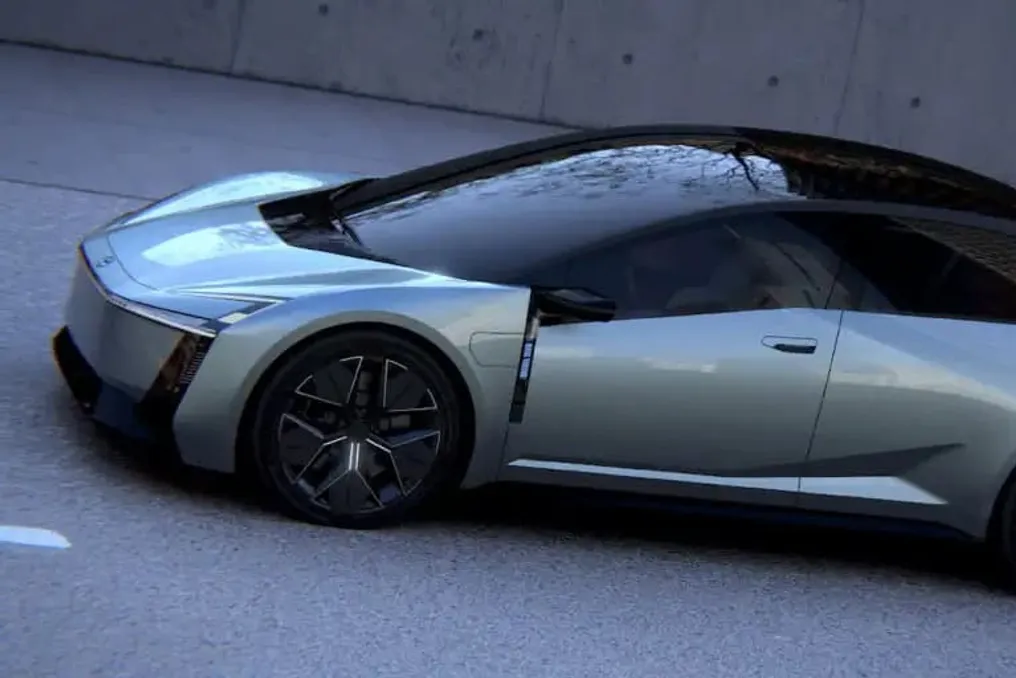
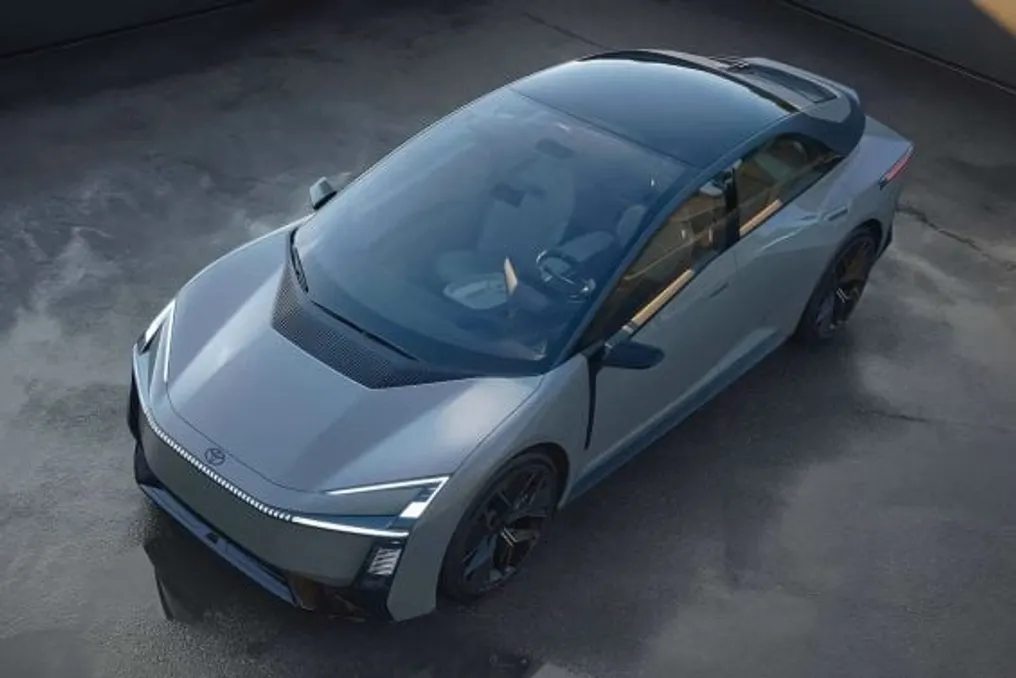
European press expectations indicate that the first vehicle to incorporate this novelty will be the next generation of the Corolla, whose debut is scheduled for 2028. This new sedan was previously presented at the Corolla Concept during the Japan Mobility Show, held in Tokyo last year.

The core of this project lies in a new family of 1.5-liter four-cylinder engines, offering both naturally aspirated and turbo options. It is important to note that Toyota did not modify an existing engine; the new units were entirely designed to operate in conjunction with electrical systems.

According to the brand, the 1.5 naturally aspirated version will have performance equivalent to that currently provided by the 1.8 and 1.5 three-cylinder engines.

In the Brazilian market, the 1.8 engine is used in the Corolla and Corolla Cross hybrid flex models, which run on ethanol and gasoline. Concurrently, electronic components—such as inverters, motors, and power control units, responsible for managing energy flow—have been optimized, becoming smaller and lighter.

This reduction in size and weight allows the vehicles to have a lower hood and a freer design. The manufacturer assures that the hybrid versions will fit into the same architecture as the electric models, without compromising the silhouette, interior space, or overall capacity of the vehicle.

Toyota attributes the increase in efficiency to four main factors: reduction of mechanical friction, improvement in thermal management, reduction of electrical losses, and minimization of aerodynamic resistance.

Using a common base for multiple powertrains also helps dilute development costs and allows production to be adjusted according to the specific demand of each market, according to the manufacturer itself. Additionally, the system is being prepared to run on renewable fuels, and Toyota plans to expand the sale of its engines and hybrid technology to other companies in the coming years.

Similar stories

Hyundai introduced its new compact SUV Bayon with various trims
Read more
www.aajtak.in

Hyundai introduced its new compact SUV Bayon with various trims

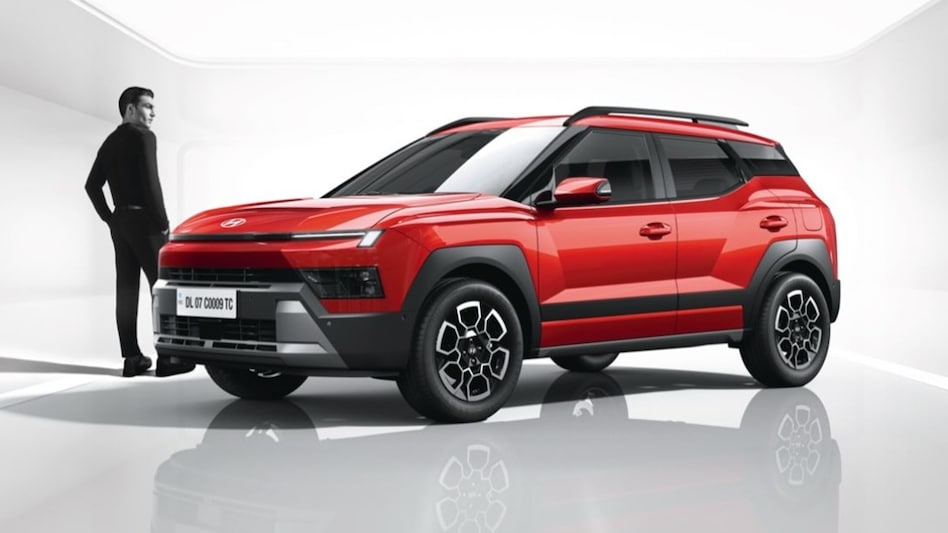
Hyundai has released its new mid-size crossover model, the Bayon. This new SUV is available in several trim levels: HX 2, HX 3, HX 3 Plus, HX 5, HX 6, HX 8, and HX 10. In the most basic configurations, the manufacturer offers a manual transmission.

The Bayon is equipped with a 1.5-liter four-cylinder gasoline engine that generates 115 horsepower and 143.8 Nm of torque. Additionally, the company offers a six-speed manual and a CVT transmission. The trunk capacity of this SUV is 505 liters. Vehicle dimensions are: length 4245 mm, width 1810 mm, and height 1605 mm, with a wheelbase reaching 2600 mm. The starting price for this vehicle is 9.99 lakh rupees, including export duties.

Let's look at the features of the most affordable, base version of the Hyundai Bayon. Primarily, this concerns safety and protection features. Six airbags are standard, even in the base variant. Furthermore, the car is equipped with driving assistance systems such as hill start assist, electronic stability control, vehicle stability control, ABS, and electronic brake force distribution.

Additional safety features include an emergency stop signal, rear parking sensors, Highline tire pressure monitoring system, day/night IR cameras, headlight beam assist function, central locking, automatic door unlocking upon collision detection, automatic door locking upon speed detection, keyless entry, seatbelt reminders, immobilizer, Isofix child seat mounts, and front disc brakes.

Regarding the exterior appearance, this version features LED projector headlights, H-shaped LED daytime running lights and turn signals, as well as H-shaped LED taillights and an LED top stop light. The car also has a rear spoiler, a shark fin antenna, and 16-inch steel wheels supplied with covers.

The interior features a color scheme of black and olive-gray tones. It includes fabric upholstery, a D-shaped steering wheel, manual adjustment of the driver's seat height, a fixed center console armrest, height-adjustable front seat headrests, and a digital instrument cluster.

In terms of comfort and convenience, the vehicle is equipped with front and rear electric windows, manual air conditioning, rear air vents for climate control, tilt and telescopic steering wheel adjustment, as well as front and rear Type C USB charging ports, a power outlet, and electrically adjustable side mirrors.

Toyota Corolla celebrates 60 years, highlighting its six historic sports versions
Read more
flatout.com.br

Toyota Corolla celebrates 60 years, highlighting its six historic sports versions

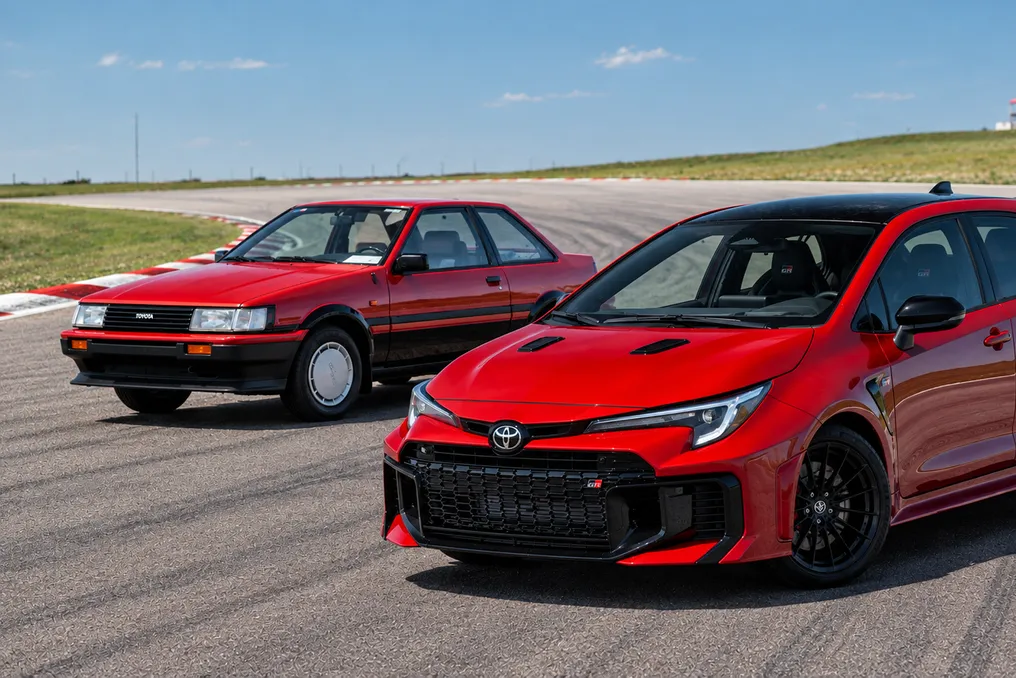
In 2026, the Toyota Corolla will complete six decades of existence. Although often associated with the stereotype of a conservative vehicle, nicknamed 'Vovorolla' and seen as a safe and reliable option, the Corolla has a rich history of sports versions that challenge this reputation.

Launched in Japan in November 1966, the Corolla took less than ten years to achieve global annual sales leadership in 1974. In 1997, it surpassed the Volkswagen Beetle, becoming the best-selling car of all time, accumulating over 57 million units across its 12 generations.

However, behind the image of predictability and tranquility, Toyota has always offered notable sports editions. These versions, often overlooked by enthusiasts, demonstrate that the Corolla has always had the potential to be a performance-oriented car, starting from the 1960s.

Corolla Sprinter (E10 – 1968)

In the context of the peak of the Japanese economic miracle in 1966, the Corolla emerged focused on excellence, thanks to engineer Tatsuo Hasegawa, the project chief. Its design philosophy was based on an 'over 80 points' evaluation system, aiming for an overall balance above 90 in all aspects of the vehicle.

The initial launch in 1966 presented the model as a sedan and wagon, but it already included sporty touches, such as the 1.1-liter K engine, a four-speed floor shifter, and dashboard details. The suspension, while not revolutionary, was well-tuned, providing a pleasant ride.

A year and a half after the sedan, in May 1968, the Corolla Sprinter (E10 generation / KE15 chassis code) was introduced, a fastback coupe variant with smooth lines and a younger interior. The top-spec version, the Sprinter SL, used the K-B engine, fed by two carburetors, boosting power to 73 hp at 6,600 rpm. This rear-wheel-drive coupe, weighing about 730 kg, was extremely competitive for the time, costing only 30,000 yen more than the sedan.

This first Sprinter was not just a commercial success; it established the starting point for the line's sports division, proving to Toyota management the demand for a daily driver with weekend entertainment capability.

Corolla Levin TE27/Trueno (E20 – 1972)

The second generation of the Corolla (E20), launched in 1970, capitalized on the growth of the Japanese market and incorporated Toyota's Kaizen philosophy, adding comfort, a 45-liter tank, and luxury items like air conditioning and AM/FM radio.

The significant shift for enthusiasts occurred in March 1972, with the birth of the Corolla Levin (meaning 'lightning') and its twin, the Sprinter Trueno ('thunder'), both homologated as street sports cars for tracks and rallies. The TE27 chassis code featured a fastback coupe with a more aggressive stance, characterized by riveted black fender flares.

The technical differentiator lay in the mechanics: the Levin inherited the 2T-G engine from the Celica 1600GT, a 1.6-liter four-cylinder with an iron block and aluminum head with dual overhead camshafts (DOHC), developed in collaboration with Yamaha. Fueled by two dual Solex/Mikuni carburetors, the 2T-G generated 115 hp at 6,400 rpm. For a car weighing only 855 kg, this resulted in an excellent power-to-weight ratio for the early 1970s.

The engineering focused on the purist aspect, offering more direct steering and firm suspension. Furthermore, in the Twin Cam versions, Toyota eliminated power steering, requiring the driver to control braking purely with their foot, which was marketed as a sporty attribute. This setup allowed the Levin TE27 to win rally competitions, such as the Lake 1000 Rally in 1975, driven by Hannu Mikkola.

Due to high demand, Toyota launched the 'Levin J' (Junior) in 1973, an entry-level version with the 2T-B engine with in-block camshafts and 105 hp, making the line more accessible. With production limited to about 5,000 units annually, the TE27 solidified the Levin's legacy.

Corolla Levin/Sprinter Trueno AE86 (E80 – 1983)

We arrive at the iconic AE86. In the fifth generation, in 1983, Toyota changed the family line to front-wheel drive with a transverse engine to gain space and efficiency. However, the manufacturer exclusively maintained the rear-wheel-drive platform with a longitudinal engine for the two-door coupe and liftback variants, creating the Corolla Levin (with fixed headlights) and the Sprinter Trueno (with pop-up headlights).

Under the AE86 chassis code, the pinnacle of light and cheap rear-wheel-drive sports cars of that era was created. Its heart was the legendary 4A-GE 1.6 16V engine, a DOHC four-cylinder with an iron block and aluminum head, also developed with Yamaha. Equipped with electronic fuel injection and the T-VIS variable intake system, it produced 130 hp at 6,600 rpm in Japanese specifications.

Although modest today, for a car weighing only 920 kg with a near 50:50 weight distribution and four-wheel disc brakes, this power was more than sufficient. The 4A-GE proved to be a revered blank canvas in tuning, accepting extreme modifications, from aggressive camshafts to turbo setups, with tuners like TRD, Tomei, and HKS exceeding 200 hp naturally aspirated and surpassing 300 hp when turbocharged.

On the tracks, the AE86 dominated global touring championships, such as the Japanese JTCC and the British BSCC, thanks to its agility. However, its immortality came on mountain roads, the famous touge. Driven by Keiichi Tsuchiya, known as the eternal Drift King, the Hachi-Roku became a symbol of controlled drifting culture and the protagonist of the manga and anime Initial D.

The AE86 became a legend not for being the fastest in a straight line, but for the ideal combination of low weight, rear-wheel drive, and a high-revving engine. It marked the peak of rear-wheel drive at Toyota, but this does not diminish subsequent Corolla sports cars; it merely differentiates them.
Toyota plans to produce electric Corolla in China starting in 2028
Read more
olhardigital.com.br

Toyota plans to produce electric Corolla in China starting in 2028

Toyota is preparing a significant shift for the Corolla, its best-selling model. The next generation of this vehicle will feature an all-electric version, with production scheduled to begin in China in 2028. It is important to note that the model will continue to offer hybrid and combustion engine options.

According to information released by Electrek on Monday (19), manufacturing will be conducted by FAW Toyota Motor, a joint venture between the Japanese automaker and the Chinese group FAW. This new generation is expected to be unveiled in 2027, launching as a 2028 model.

Since its initial launch in 1966, the Corolla has surpassed the mark of 57 million units sold globally. This new generation represents one of the most significant transformations in the history of the car, which has always been recognized as an affordable option for daily use.

The decision to start production in China is part of Toyota's strategy to optimize costs and accelerate both the development and manufacturing of electrified vehicles. The Chinese market has manufacturers that have rapidly advanced in areas such as battery technology, electrical systems, and digital features. Toyota, in turn, faces intense competition in the country, especially given the pressure on its traditional combustion and hybrid models.

The company has restructured its local operations with the aim of simplifying production and expanding the offering of more advanced technologies. This strategy covers its two joint ventures in China: FAW Toyota and GAC Toyota. Furthermore, Toyota also plans to manufacture longer-range electric vehicles for the luxury brand Lexus in China, starting in 2027.

There is still no clarity on whether the all-electric Corolla will be marketed in the United States, and Toyota has not confirmed all the markets that will receive this new version. The forecast is that the new generation will incorporate elements from the concept presented by the brand at the Japan Mobility Show, held in 2025. The prototype attracted attention due to its sportier design, characterized by angular lines and a silhouette distinct from the conventional sedan appearance.

In addition to the electric variant, the new Corolla family will include hybrid, plug-in hybrid, and combustion configurations. Sales prices have not yet been officially disclosed. The expectation remains that the new generation will be presented in 2027, with the introduction of the 2028 line. Until then, Toyota should provide more details on range, performance, equipment, and commercial availability.

Popular