Head of TCCIMA stated that the private sector ensured uninterrupted supply of goods even in difficult times
Read more
Tehran Times
www.tehrantimes.com

Head of TCCIMA stated that the private sector ensured uninterrupted supply of goods even in difficult times

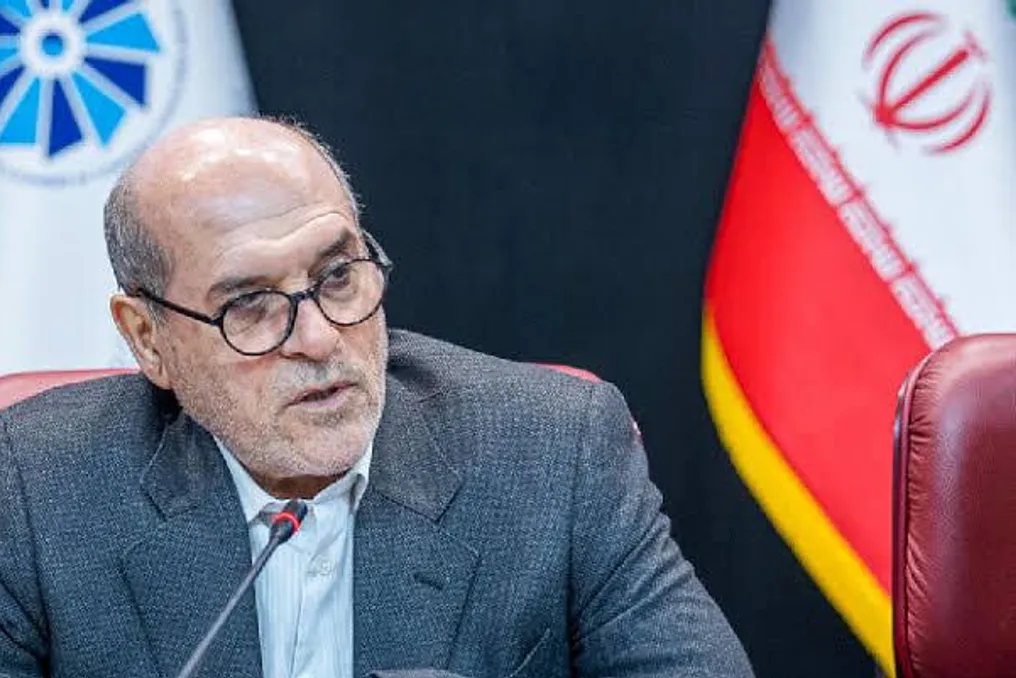
The head of the Tehran Chamber of Commerce, Industry, Mining and Agriculture (TCCIMA) noted that the private sector provided significant support to the government by preventing disruptions in the supply and distribution of goods, which was confirmed by the President.

Mahmoud Najafi Arab, referencing the difficulties faced by economic enterprises, reported that major, medium, and small sectors suffered serious damage during two recent wars. There were instances of direct hits and destruction of factories located in industrial zones, damage that is difficult to compensate for.

He added that the military conditions complicated enterprises' access to export and import markets and created serious limitations for securing working capital. In such an environment, attracting foreign investment seems more unattainable than ever. Simultaneously, domestic business problems have intensified, and rising inflation has increased storage costs for inventory.

Emphasizing the role of mass media in reflecting the country's economic problems, the head of TCCIMA stated that the media must accurately and professionally cover the difficulties of businesses to create a basis for their assessment and resolution. He also stressed that the private sector cannot overcome the current circumstances alone, without the support of the government and the people.

Najafi Arab reiterated that the private sector provided the greatest assistance to the government by preventing supply interruptions. He noted that economic entities supported the country with compassion and self-sacrifice, but despite these actions, there remains a misconception in society about their activities.

He objected to the view that economic entities are parasites or pursue only personal interests, noting that this opinion stems from past intellectual trends. The media can effectively correct this attitude by presenting the lives and activities of entrepreneurs and fairly reflecting their efforts.

Najafi Arab concluded that restoring the position of the private sector in the Iranian economy requires greater support and attention. Experience has shown that as long as the issue does not become a public demand, serious reforms cannot be expected. The media must elevate the problems of economic enterprises beyond scattered complaints and transform them into a public demand for political reform.

Speaking about the role of media in promoting a culture of production and entrepreneurship, he noted that changing the approach to covering economic issues can contribute to strengthening this culture. Presenting industrial innovations, knowledge-based companies, export-oriented enterprises, and the successful experience of large and medium businesses demonstrates to society that creating economic value is a complex and lengthy process, and developing an industry is the result of generations of effort.

The head of TCCIMA emphasized that the responsibility of the media should not be limited to publishing news about economic problems; it must also include continuously monitoring demands and evaluating the work of officials. It is necessary to determine the extent to which these promises have been kept and whether the announced reforms have improved the business environment.

Najafi Arab added that periodic publication of reports on the state of economic problems, the progress of reforms, and remaining obstacles can expand the role of the media beyond simple information dissemination, turning it into an effective tool for accountability and political reform.

Regarding media problems during the war, he reported that they also suffered serious damage. Increased costs and declining audience after internet restrictions put pressure on the media economy and, in some cases, led to layoffs.

Under these conditions, according to Najafi Arab, economic enterprises should help support the media in various ways and play a role in ensuring their economic sustainability. The media are not just observers of economic processes; they can become active participants in shaping a competitive, transparent, and productive economy.

He also stressed the need to enhance the specialized knowledge and expert potential of the media, stating that the country's media must strengthen its expert base and meet the standards of international media. In this endeavor, the private sector and TCCIMA are ready to cooperate with media professionals.

Continuing his criticism of government interference in economic activity, the head of TCCIMA pointed to the ongoing problem of executive branch intervention in the economy. He stated that command economics and command pricing have seriously damaged industry, services, and other business sectors.

Emphasizing the need for the media to cover this issue more seriously, he called on them to carefully study and reflect on the consequences of state intervention in the economy and the results of command policies. It is also important to draw attention to the efforts of media resources actively working in this area so that the country's governing system realizes the need to change restrictive approaches in the economy.

Najafi Arab mentioned TCCIMA's plans to support media involved in this field, stating that they will try to recognize media resources that effectively explain the destructive impact of state intervention and command pricing and consider them for appropriate awards.

He also noted the increase in economic circulars and directives amid the country's difficult conditions. During reviews in Shahrivar (September), significant and worrying statistical data regarding the number of circulars and regulations issued by executive bodies were identified. The head of TCCIMA emphasized that the more difficult the conditions in the country become, the more the volume of circulars and the degree of executive intervention in the economy increases. Only in Shahrivar did various executive bodies issue a significant number of circulars in various economic areas.

In conclusion, Najafi Arab insisted that the media must seriously address the issues of command economics, command pricing, and the consequences of executive intervention in the activities of economic enterprises, as continuing this course in recent years has caused significant damage to the country's economy.
Similar stories

Greenhouses in Uzbekistan's capital region are allowed to use gas, electricity, and other safe energy sources
Read more
gazeta.uz

Greenhouses in Uzbekistan's capital region are allowed to use gas, electricity, and other safe energy sources

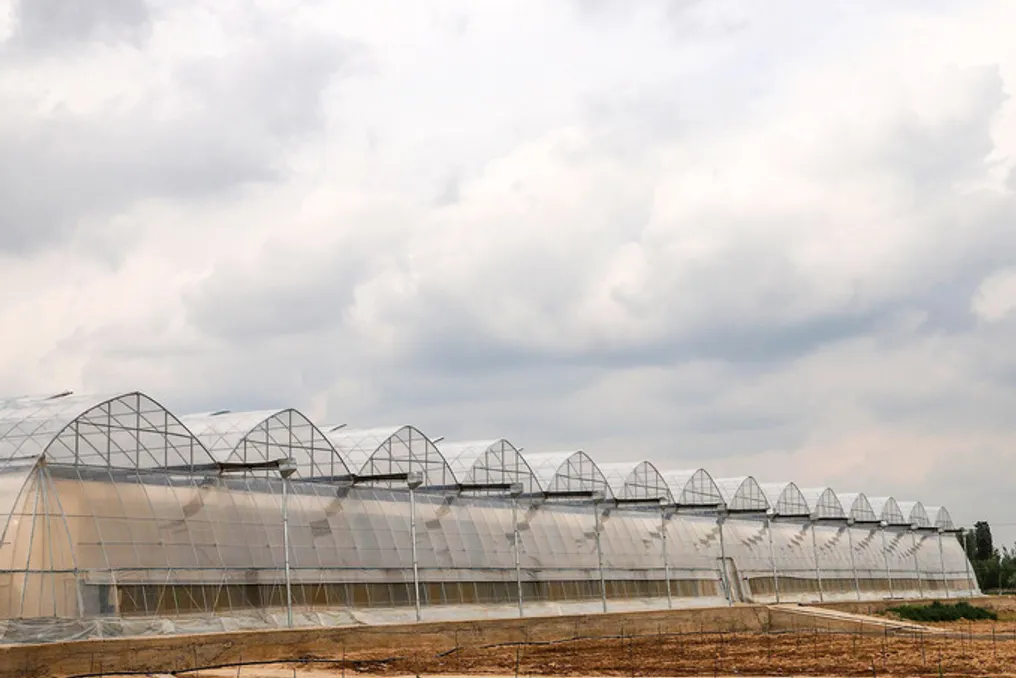
The Government of Uzbekistan has approved Resolution No. 586, establishing new rules for greenhouse farms in Tashkent and neighboring districts aimed at enhancing the environmental safety of their operations. This document sets a special ecological regime for greenhouses within the capital territory, as well as in the Yukorichirk, Kibray, Yangiyul, Zangiatin, and Tashkent districts of the Tashkent region, which have been designated as a special zone. The press service of the National Committee on Ecology and Climate Change reported on the adoption of these measures, noting that the proposals were submitted to the President on October 13.

Operating Conditions for Greenhouses in the Special Zone

Within the special zone, greenhouse enterprises equipped with heating systems may operate exclusively using natural gas (including liquefied gas), electricity, geothermal, and solar energy, as well as secondary thermal energy generated at thermal power plants. To commence such activities, obtaining a positive conclusion from the state ecological expertise is required.

Requirements for Using Solid Fuel

Greenhouse farms that use solid fuels, such as coal, biomass briquettes, or pellets, are obliged to switch their heating systems to the aforementioned types of energy and continue operating by December 1st. However, the use of solid fuel is permissible only if a number of strict conditions are met:

  • Equipping boiler units with an automated fuel supply and combustion process control system, as well as having dust and gas cleaning equipment with specified efficiency indicators.
  • Installing a Continuous Emissions Monitoring System (CEMS) in accordance with national standards, integrating this system into the information resources of the Ecology Committee and ensuring constant real-time data transmission.
  • Possessing certificates of conformity for boiler units, dust and gas cleaning equipment, and automatic monitoring systems.
  • Installing online cameras for continuous monitoring of boiler operation and flue gas emission processes, followed by integrating these cameras into the Ecology Committee's information systems.
  • Ensuring that monitoring, cleaning, and camera systems are supplied with uninterruptible power supplies and backup generators for guaranteed electricity supply.
  • Strict procedures for the collection, transportation, and disposal of resulting waste, including ash, sludge, slag, and heavy metals.
  • Prohibition of any modifications to the equipment not stipulated in the technical documentation and affecting its functioning.

Furthermore, the use of tires, fuel oil, bitumen, plastics, polymer films, synthetic cardboard, rubber, wool fibers, waste oils, and other household or industrial waste of a similar composition as fuel is strictly prohibited in greenhouses within the special zone.

Financial Support for Greenhouse Farms

The resolution provides for financial assistance to greenhouse farms in the special zone for conducting ecological modernization. Until January 1, 2028, they can receive subsidies amounting to 50% of the costs for purchasing energy-saving screens, dust and gas cleaning equipment, boiler units, as well as heating equipment powered by electricity, geothermal, solar energy, or cogeneration. The subsidy amount must not exceed 50 million soms per hectare.

During the period 2026–2027, to support the transition to heating systems using solar, geothermal energy, or cogeneration, commercial banks will provide loans in national currency for seven years, including a three-year grace period, at an annual interest rate of 14% (of which 4% is the bank margin). The maximum loan amount is 50% of the project cost, but no more than 3 billion soms per hectare.

Additionally, greenhouse farms acquiring Continuous Emissions Monitoring Systems (CEMS) will be allocated funds of up to 350 million soms per station. Financing is carried out under a tripartite agreement with a five-year interest-free installment plan, provided that the technical requirements approved by the Center for State Ecological Certification and Standardization under the Ecology Committee are met. Recipients of funds undertake to install the stations, integrate them into the committee's information system, and ensure continuous data transmission. In case of breach of contractual obligations, such as late payment or non-integration of stations, measures for dismantling and return of equipment will be applied, and overdue debt will be collected without prior notice.

Ecological standards are also being introduced for boiler units in other air-polluting industries. Enterprises affecting the environment will be classified into 'red', 'yellow', and 'green' categories depending on their level of ecological safety, and corresponding requirements will be enshrined in legislation.

Until January 1, 2030, the import of equipment necessary for the creation and modernization of greenhouses that is not produced in Uzbekistan will be exempt from customs duties. This benefit applies to dust and gas cleaning equipment, energy-efficient boilers, cogeneration units, equipment for geothermal and solar energy, as well as automated emission monitoring systems and their components.

Issues of Technical Water Reuse

According to the resolution, hazardous liquid waste generated in the filters of greenhouse heating systems, as well as hydroponic wastewater (filtrates), must be treated and reused as technical water. For this purpose, until January 1, 2027, a reservoir for temporary storage of filtrates will be built and commissioned in the Ekopromyshlennaya Zone of Akhangaran district. By June 1, 2027, an operator will be selected through a competitive tender to handle the processing of these filtrates. The Tashkent region Khokimiyat is obliged to allocate a land plot in the ecopromyshlennaya zone by November 1 of this year. The construction of the reservoir can proceed in stages according to design documentation and urban planning norms. Greenhouse owners, regardless of ownership form, are obliged to transfer generated filtrates to the appointed operator at established tariffs.

The Ecology Committee emphasized that the ecological modernization of greenhouse farms is critically important for improving air quality in Tashkent and surrounding areas, as the introduction of modern technologies reduces the environmental load and contributes to the formation of a sustainable industry development model. The department stresses the need to achieve a balance between business development, rational resource use, and the citizens' right to a healthy environment.

Previously, the Ecology Committee had received proposals from greenhouse representatives regarding the preservation of their operations conditional on installing special filters, but the presented filter sample did not pass inspection. In November 2025, against the backdrop of deteriorating air quality in Tashkent, a decision was made to urgently transition all capital and surrounding area greenhouses to gas heating. In March, it was reported that restrictions on the construction of new greenhouses in the capital and surrounding districts would come into effect from October 1st of this year. In June 2026, a special commission began dismantling and disconnecting greenhouses from artificial heating in the Tashkent region, offering entrepreneurs relocation to the 'Surkhon-Agro' free economic zone in the Surkhandarya region. Earlier, at the end of summer, the Hokim of Tashkent, Shavkat Umurzakov, stated in an interview with 'Gazeta' that options for using permitted fuels with emission purification and filter installation are being considered for those who wish to remain in the capital region, and financial support tools are also being discussed.

Popular