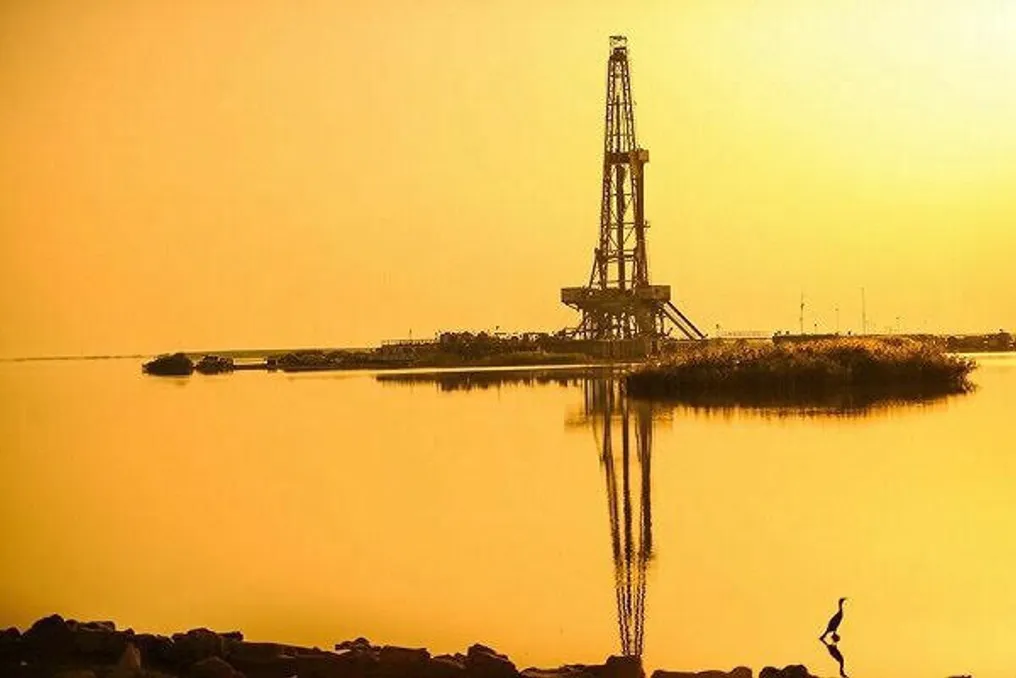
Launch of the Largest Refinery in South Azadegan Boosts Production
Read more
Tehran Times
www.tehrantimes.com

Launch of the Largest Refinery in South Azadegan Boosts Production

The completion of refining facilities in South Azadegan has increased the capacity of the West Karun complex and transformed the oil production process. According to Nachrichtenagentur Mehr reporter, the South Azadegan field, one of the country's largest and most strategically important hydrocarbon reserves, plays an indispensable role in ensuring energy stability, strengthening national production, and increasing foreign currency revenues.

This massive field in the West Karun region, due to its hydrocarbon reserves shared with a neighboring country, has always been a priority for Iran's oil and gas industry in terms of development and exploration projects. Recent events in the region demonstrate that despite all sanctions pressure and geopolitical complexities, the completion of the value chain—from the wellhead to the refining facilities—has opened a new horizon for significant growth in crude oil production in the country.

In this context, the full operation of the Central Petroleum Refining Complex (CTEP) in South Azadegan is considered a crucial milestone in creating sustainable infrastructure for maximizing the production potential of this strategic field, which has accelerated the oil and gas industry roadmap.

During the implementation of the first phase of development plans for the South Azadegan field, serious managerial and engineering steps were taken to significantly increase the recovery factor in this shared field. In this foundational stage, the drilling, completion, and commissioning of 203 oil wells were successfully completed, fundamentally organizing the field's production structure. The results of these large-scale measures led to a noticeable acceleration of daily production figures: oil production in South Azadegan increased from approximately 130,000 barrels per day at the start of the 14th government to over 183,000 barrels per day. Furthermore, at the time of transferring the project to a new contractor, the total oil production from the North and South Azadegan fields reached 237,000 barrels per day. This shift in course and upward trend in production proves the strategic importance of stabilizing engineering mechanisms and maximizing extraction from the shared reservoirs in West Karun.

The full operation of the Central Petroleum Refining Complex (CTEP) of the South Azadegan project, which includes four oil refining lines, has made this industrial complex the largest and most comprehensive crude oil refining center in the entire country, with a final capacity of 320,000 barrels per day. Before the completion of the initial lines, Lines C and D of the project, which started operating in Dey last year by presidential order, played an important role in the initial increase in production. The third line was launched on Esfand 29, 1403, and achieved stable operation on Ordibehesht 24, 1404, while the fourth line was launched on Azar 30, 1404, and began stable operation on Dey 4. The next step was the completion of the first and second lines (A and B), which began in Bahman 1404, accompanied by the successful installation of two super-heavy separators, each weighing 102 tons, with a diameter of 6.8 meters and a length of 33 meters. After pre-commissioning tests of the equipment and system coordination, following a four-day shutdown for integrating the control and safety systems of the first and second lines with the third and fourth, permission was granted to feed oil, and finally, on Mehr 19, 1405, the central center reached its full refining capacity of 320,000 barrels.

The completion of the South Azadegan central project is not just a local achievement; it is viewed as the mother infrastructure for the entire West Karun basin. With the commissioning of this center's capacity of 320,000 barrels per day, the cumulative ceiling for oil refining and exploitation in the West Karun fields has increased to an exceptional figure of 820,000 barrels per day. Due to its geographical location and advanced process design, this center plays a key role in the regional oil transportation, refining, and stabilization systems, providing a reliable and sustainable platform for developing the potential of other satellite and neighboring fields. Considering these achievements, the overall progress of the South Azadegan project exceeds 80 percent, and the documentation for the main section of onshore oil refining facilities has been finalized—an achievement gained through close interaction between the Oil and Gas Design and Development Company, the Petropars group, the client, subcontractors, and the country's technical and engineering bodies.

One of the most striking operational moments of the South Azadegan field development project was the uninterrupted and bold continuation of construction and engineering work amidst the extremely dangerous 12-day war and the third declared war. In circumstances where threats to the field could have led to project stagnation, there was no forced halt or reduction in production; development work continued at full strength. During these difficult days, about 30 drilling rigs operated across various fields under management; they were only suspended for about a week strictly for safety compliance, after which they quickly resumed operations. Even in international logistics, although sea transport for supplying a limited number of heavy loads, such as separators, faced short-term delays, project experts, using optimal risk management, did not allow this problem to stop progress; as a result, the first and second lines were completed without significant delays, and national production remained stable during a serious test.

The development of the South Azadegan field was not unidirectional; environmental requirements and optimal energy resource management are at the heart of its projects. The associated gas section is the final stage of the South Azadegan CTEP project, and all the energy of the executive agents is focused on its swift completion. According to the plan, installations for processing and compressing associated gas will be commissioned, and according to the official schedule, the first line of the gas sector will officially join the operational cycle by the end of the current year. With the full operation of the gas processing plants, this center will be able to collect 200 million standard cubic feet of associated gas daily and, instead of flaring it, send it to the NGL 3200 plant for purification and sanitary and industrial use; this action, in addition to creating significant economic value and supporting downstream petrochemical industries, will have a very positive impact on the atmosphere of the West Karun region.

Following the finalization of the first phase of development, South Azadegan entered the next stage with much broader goals. Starting in Ordibehesht (April), the second phase of the project for the entire Azadegan field (North and South) entered operational phases, including deep engineering studies, process design, major tenders, and the supply of heavy drilling rigs, modern well pumps, and modern well completion equipment. Parallel to field development, a balanced and multidimensional approach to development is being pursued in other West Karun projects, including the Sohrab field, where official environmental permits were issued after revising plans to reduce damage to the Hur al-Azim wetlands ecosystem, and work continues; or the West Karun power plant with a capacity of 435 megawatts, which, by supplying 100 megawatts to facilities, has provided about 300 megawatts of surplus and stable electricity to the national grid since 1400. Furthermore, doors for foreign investment remain open for further participation of Chinese companies in fields such as Yadavaran, and for signing development contracts with Russian companies in the Aban, Paydar Garb, Cheshmeh Khosh, Dalpari, and Paydar Shark fields—especially in the area of supplying well pumps—which places South Azadegan at the forefront of wealth creation, industrial independence, and technological synergy.
Similar stories

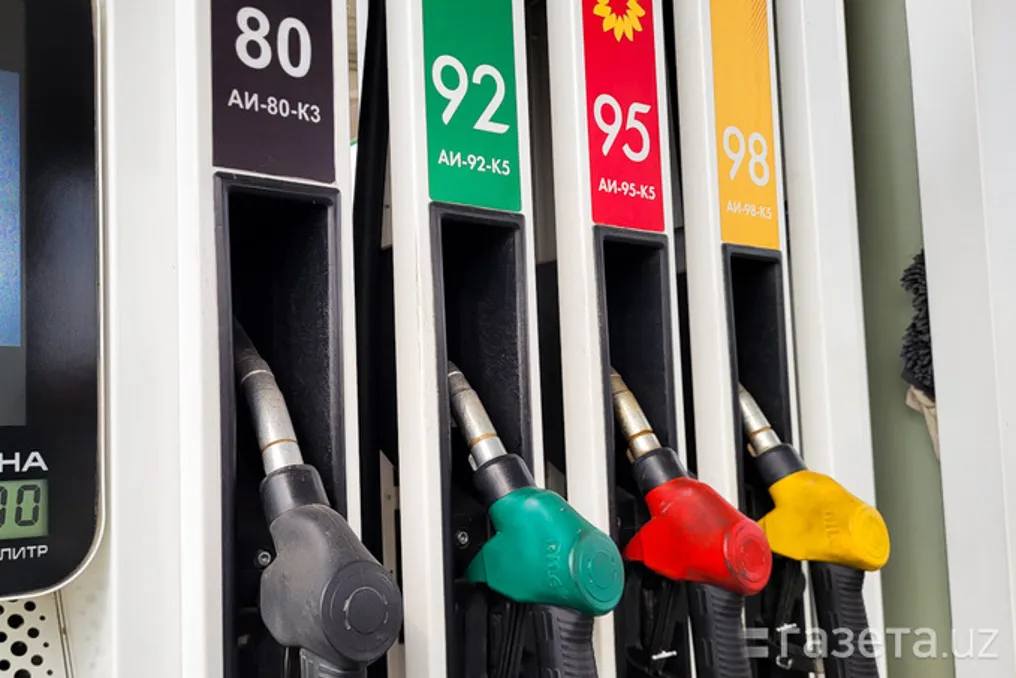
Uzbekneftegaz increased gasoline reserves by 2.5 times; the company is confident there will be no queues at its gas stations
Read more
gazeta.uz

Uzbekneftegaz increased gasoline reserves by 2.5 times; the company is confident there will be no queues at its gas stations

Uzbekneftegaz reported that the reserves of automotive gasoline at its oil depots have increased by 2.5 times compared to last year. Abrorzhon Khudoyberganov, Deputy Chairman of the company for processing, stated at a press conference on October 27 that the company's own gas stations are fully supplied with fuel for the upcoming winter period.

As previously noted, gasoline reserves at oil depots exceed the figures from the same time last year by 2.5 times. In response to questions about preventing queues and disruptions, the deputy head of Uzbekneftegaz emphasized that the company is actively expanding its network of gas stations and increasing the volume of petroleum product sales.

Khudoyberganov informed that while 31 gas stations were operational at the beginning of the year, their total number has now reached 152. Furthermore, product sales volumes have increased five to sixfold during this period. The company's stations offer AI-92 and AI-95 gasoline, as well as various types of diesel fuel, including Euro-4 and Euro-6 standard products.

He assured that all Uzbekneftegaz stations have the necessary reserves of gasoline and diesel fuel, and no disruptions are expected. It was also noted that over the past nine to ten months, the price of gasoline at the company did not exceed 12 thousand soums. However, the company representative clarified that this information applies exclusively to the gas stations within the Uzbekneftegaz system, not to the entire national fuel market, where other major players, including private entrepreneurs, exist.

How the gas station network is expanding

According to the Deputy Chairman of Uzbekneftegaz, the growth in the number of operating gas stations is achieved through the restoration and modernization of existing facilities in various regions. The company is involved in reconstructing stations, replacing outdated fuel dispensers, and installing equipment for more accurate accounting of dispensed fuel.

It was reported that in the initial stages, partial reconstruction and dispenser replacement work was carried out in remote areas to ensure consumers receive quality fuel in the required volume. According to the company itself, about 90 new fuel dispensers have been installed at the gas stations. In Tashkent and the Tashkent region, 10 gas stations underwent modernization, where new measurement and remote control systems were implemented.

Specialists through the Uzbekneftegaz situational center have the ability to monitor fuel stocks, sales volumes, and pricing at the stations. Company employees also conduct checks on the accuracy of fuel dispensing both at oil depots and at gas stations. For the period from January to September 2026, Uzbekneftegaz produced 773.5 thousand tons of automotive gasoline, meeting the production plan at 100.2%.

Sales of Uzbekneftegaz gas stations

Previously, in November 2023, Uzbekneftegaz sold a network of 78 UNG Petro and Chinaz refinery gas stations that belonged to the Petroleum Technology Group, specifically Daniyar Kamilov, son of former Foreign Minister Abdulaziz Kamilov. After this, the network received a new name—Carvon. According to the financial reports of the state corporation, the value of these assets amounted to 453 billion soums. The deal took place without a public tender announcement or results, but the change of ownership was only known in March 2024.

In October 2026, the head of the State Property Management Agency, Sohibjon Murodov, refuted accusations of 'covert privatization'. He explained that the sale was conducted through direct negotiations involving international consultants, and the results of the deal were disclosed. Nevertheless, Murodov admitted that the information about the privatization process lacked sufficient transparency.

In the context of queue problems, restrictions on the operation of automotive gas filling compressor stations (AGNKS), which sell methane, have periodically been introduced in Uzbekistan during cold weather. This occurred due to reduced pressure in gas pipelines and the need to supply natural gas to the population and social institutions. For example, such restrictions were imposed several times during the 2025/2026 heating season.

In December 2025, one of the reasons for the restrictions was the reduction in natural gas imports from Turkmenistan due to a technical failure in the gas transportation system. According to the Ministry of Energy, the daily gas deficit reached 6 million cubic meters during that period. From January 19, 2026, methane stations were closed to private cars for two weeks, and in March, restrictions were reintroduced amid the cooling weather. When methane availability decreases, some drivers are forced to switch to gasoline, which creates additional pressure on the petroleum product market.

In July 2026, plans were presented to President Shavkat Mirziyoyev regarding the preparation of the oil and gas industry for the autumn-winter season of 2026/2027. These plans include forming a reserve of automotive gasoline amounting to 120 thousand tons for December and January, which is significantly higher than the planned reserve of 65 thousand tons the previous year. The authorities also instructed to ensure the stability of energy resource supplies, complete infrastructure repairs, and prepare relevant emergency services.

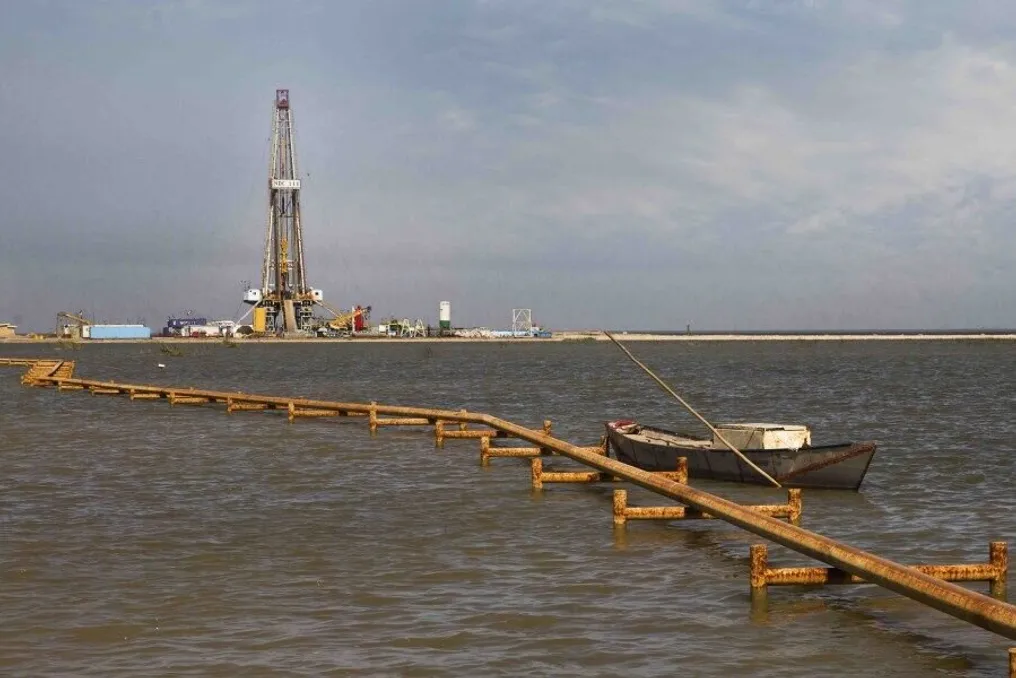
Iran's largest oil refinery in South Azadeghan reaches capacity of 320,000 barrels per day
Read more
www.tehrantimes.com

Iran's largest oil refinery in South Azadeghan reaches capacity of 320,000 barrels per day

The South Azadeghan refinery in Iran has reached its nominal capacity of 320,000 barrels per day after the completion and commissioning of all four technological lines, according to the state group Petropars.

Hamidreza Saghafi, head of Petropars Group, which is an executive unit of the National Iranian Oil Company (NIOC), stated that this facility is the largest refinery in Iran. The four lines are designed to process a combined capacity of 320,000 barrels per day.

According to Saghafi, the third line was commissioned on March 19, 2025, and achieved stable production on May 14, 2025. The fourth line was launched on December 21, 2025, and began stable operation on December 25.

Construction of the first and second lines was nearing completion in February 2026 and continued despite military conditions. Saghafi also noted that preliminary and main commissioning work had begun, allowing the lines to receive crude oil for processing.

After receiving permission for a four-day production shutdown, the control and safety systems of the first two lines were integrated with the systems of the third and fourth lines. Following approval for feeding crude oil into the first two lines, the facility reached its capacity of 320,000 barrels per day on October 11, 2026.

Saghafi emphasized that this center is a key infrastructure project for the development of the West Karun region, an oil-producing area in southwestern Iran. The facility is expected to play an important role in transporting, processing, and stabilizing crude oil from this area, and it will also be able to support a higher volume of production at other West Karun fields. The overall progress of the project exceeds 80%.

Regarding associated gas, Saghafi reported that the completion of the relevant facilities will allow the facility to send 200 million standard cubic feet of gas per day to the NGL 3200 gas processing plant.

He attributed the achievement to the efforts of the project specialists and workers, as well as the cooperation between the project owner and contractors.

Popular