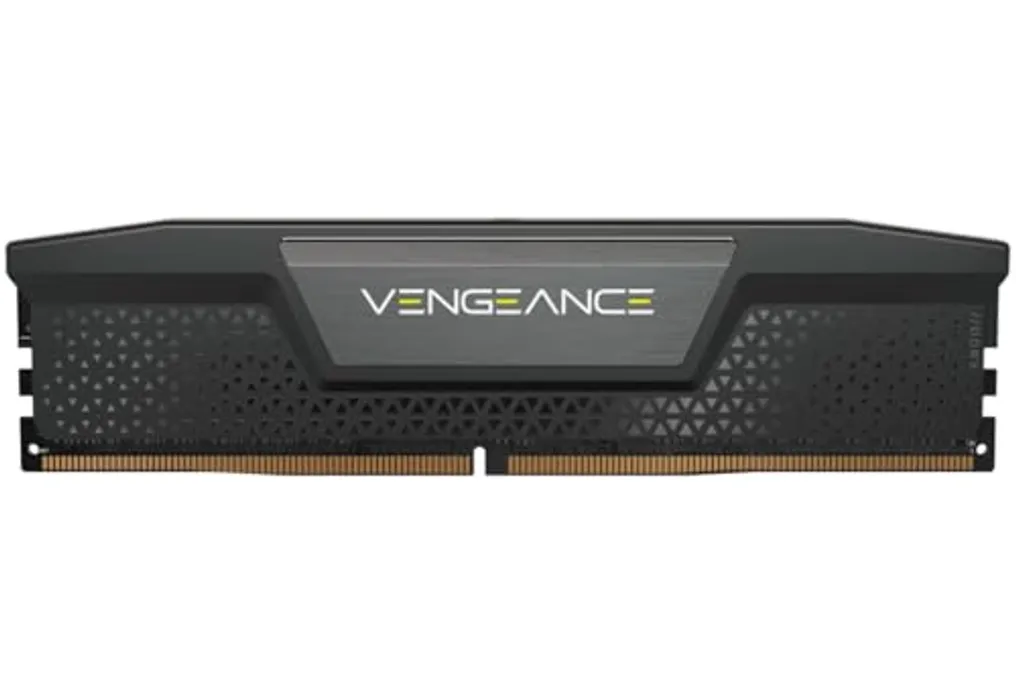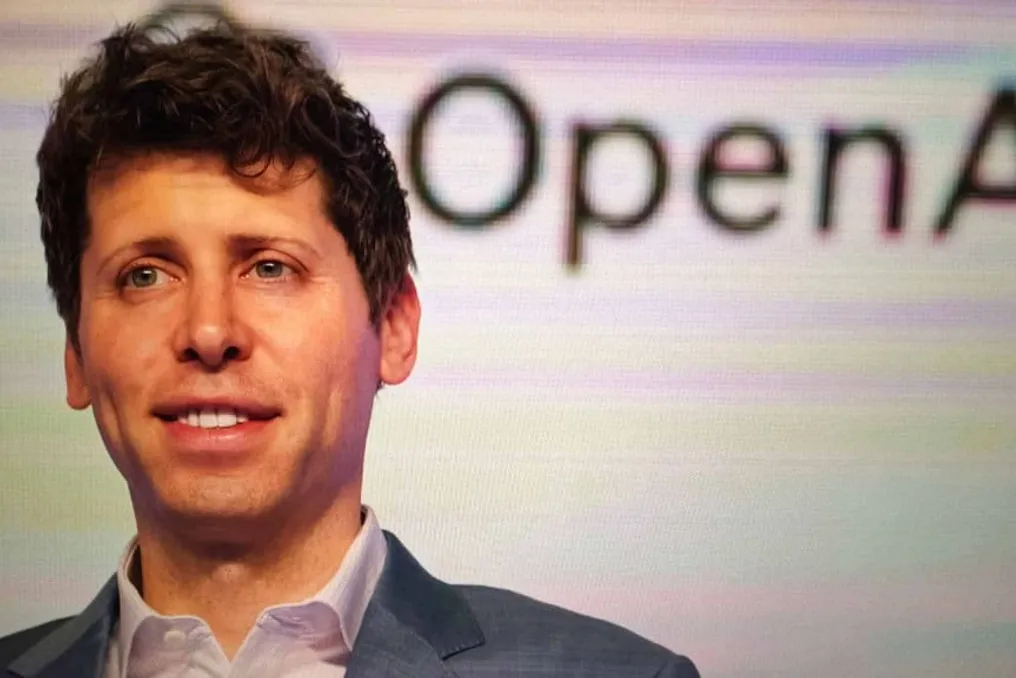
Sam Altman, CEO of OpenAI, expressed his opinion that keeping large volumes of RAM memory in personal computers constitutes a waste, considering the current global scarcity of this component. For the executive, it would be more advantageous to direct these resources to data centers, thus optimizing existing capacity.
This statement was made during his participation in the Cheeky Pint podcast, in a debate about bottlenecks in technology supply chains. Altman voiced specific criticisms against the notion that open-source artificial intelligence (AI) models, run directly on users' devices, could reduce the need for vast processing centers.
He pointed out that many individuals believe that running models locally would solve part of the demand for AI infrastructure. However, the executive argues that this approach is not necessarily the ideal way to manage a scarce resource.
Altman stated: 'From a global allocation perspective, it is truly bad that everyone has a portion of the world's limited DRAM supply sitting idle in their own computer, only being used 5% of the time.' According to the CEO's analysis, the available memory needs to be used with maximum efficiency possible. He added: 'You want maximum utilization in the cloud if you are trying to deal with this extremely restricted supply environment.'
Altman's perspective contrasts with the interest of developers and users in running AI models directly on their PCs. This option has the potential to decrease dependence on cloud-hosted services and enable certain tasks without constantly relying on the infrastructure of large corporations.
On the other hand, the executive's argument is based on the premise that the memory installed in data centers can be utilized much more intensely, while personal computers tend to remain on without fully exploiting their capacity.
This debate highlights a conflict between two methodologies of computational resource distribution: either keeping processing power in the hands of users or centralizing it in large shared structures.