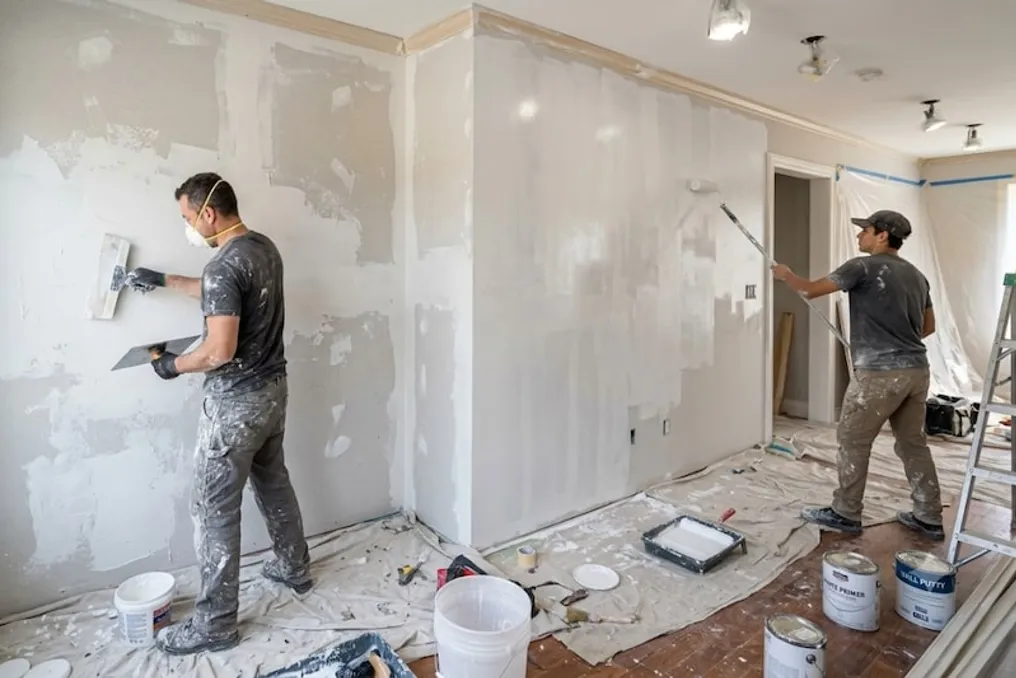
When hammering nails into a wall, the plaster often starts to peel off, forming a hole. This happens when you need to hang a picture frame, clock, or calendar, and the hammer blow causes pieces of plaster to detach and defects to form. This problem is especially noticeable if the wall was recently painted or plastered.
Instead of changing the nail location or trying to hide the resulting holes, you can minimize the risk of plaster damage by taking certain precautions when driving nails. This does not require expensive equipment.
Firstly, before starting work, carefully inspect the wall area. If cracks, moisture traces, or peeling plaster are found, it is better to refrain from nailing in that spot. Checking by lightly tapping the wall will help determine if the plaster is brittle.
Secondly, to prevent plaster damage at the nail installation site, you can use a small piece of masking tape. Attach the tape to the spot, mark the center point, insert the nail, and then gently tap with the hammer. This can reduce minor damage, although the risk remains if the plaster is very weak.
Thirdly, it is crucial to strike the hammer blows gradually. An initial hard blow can cause the nail to slip and damage the plaster. You must first tap lightly, allow the nail to stabilize, and then slowly continue the process while holding the hammer straight.
The fourth tip is to use special clamps or holders to secure the nail instead of holding it with your fingers, which can lead to injuries. Using such tools helps protect your fingers from hammer blows.
The fifth point concerns choosing the right nail. You cannot use the same nail for all types of walls; for example, a regular nail in concrete walls can damage the plaster. In such cases, appropriate drills, screws, and anchors should be used. If the plaster is weak or peeling due to moisture, it is better to repair it first.
Additionally, for temporary stabilization of the nail in the initial stage, you can use the soft part of a piece of bread. Form a small washer from the bread and place it under the nail, then gently tap with the hammer. This will provide support during the initial blows, but you must continue to strike the hammer carefully to avoid damaging the plaster.