Three international companies—Carlsberg, Pernod Ricard, and Coca-Cola—plan to go public in India
Read more
Aaj Tak
www.aajtak.in

Three international companies—Carlsberg, Pernod Ricard, and Coca-Cola—plan to go public in India

Three major global beverage companies intend to conduct an Initial Public Offering (IPO) in the Indian market. Carlsberg, Pernod Ricard, and The Coca-Cola Company are advancing their listing plans, aiming to capitalize on the domestic capital market opportunities.

According to a PTI report, all three companies mentioned progress on their potential IPOs during recent earnings conference calls. Carlsberg has filed an updated Draft Red Herring Prospectus (DRHP) with the relevant authorities.

Pernod Ricard continues preparatory work pending board approval, while Coca-Cola is considering listing its bottling operations in India. The proposed listings reflect the growing interest of multinational beverage producers in unlocking the value of their Indian businesses through public offerings.

The British brewing company Carlsberg is at the forefront of the listing process after filing an updated DRHP with the Securities and Exchange Board of India (SEBI). During the Q3 2026 earnings call, CFO Ulrika Fern confirmed that the updated DRHP was submitted to SEBI on October 28. This document is available on the regulator's website and on the Carlsberg India website.

According to Moneycontrol, Carlsberg CEO Jacob Rup-Anderson also confirmed that work on the prospective listing is ongoing and the IPO is moving forward. Ulrika Fern added that they are now meeting with potential investors.

French alcoholic beverage producer Pernod Ricard is preparing for the listing of its Indian business, although final board approval has not yet been granted. The company owns well-known brands such as Absolut, Jameson, Chivas Regal, Ballantine's, and The Glenlivet. For the quarter ending in September, the company demonstrated a growth rate of 19 percent.

Coca-Cola is exploring the possibility of an IPO for its bottling operations in India through its parent company, Hindustan Coca-Cola Holdings (HCCH), which is the parent of Hindustan Coca-Cola Beverages (HCCB). Coca-Cola President and CFO John Murphy confirmed during the latest earnings call that this matter is under consideration.

In June, Coca-Cola announced that preliminary preparations had begun for the potential listing of its bottling operations in India on the Bombay Stock Exchange and the National Stock Exchange. The realization of the proposed offering depends on market conditions and obtaining the necessary regulatory approvals.

Similar stories

Europe seeks technological partnership with India, focusing on opportunities rather than just scale
Read more
yourstory.com

Europe seeks technological partnership with India, focusing on opportunities rather than just scale

In a world where countries are actively investing in their own semiconductor production, artificial intelligence model development, and critical infrastructure, creating everything necessary independently is not always practical or mandatory. The main task is to find a balance between maintaining strategic sovereignty and the need for international cooperation.

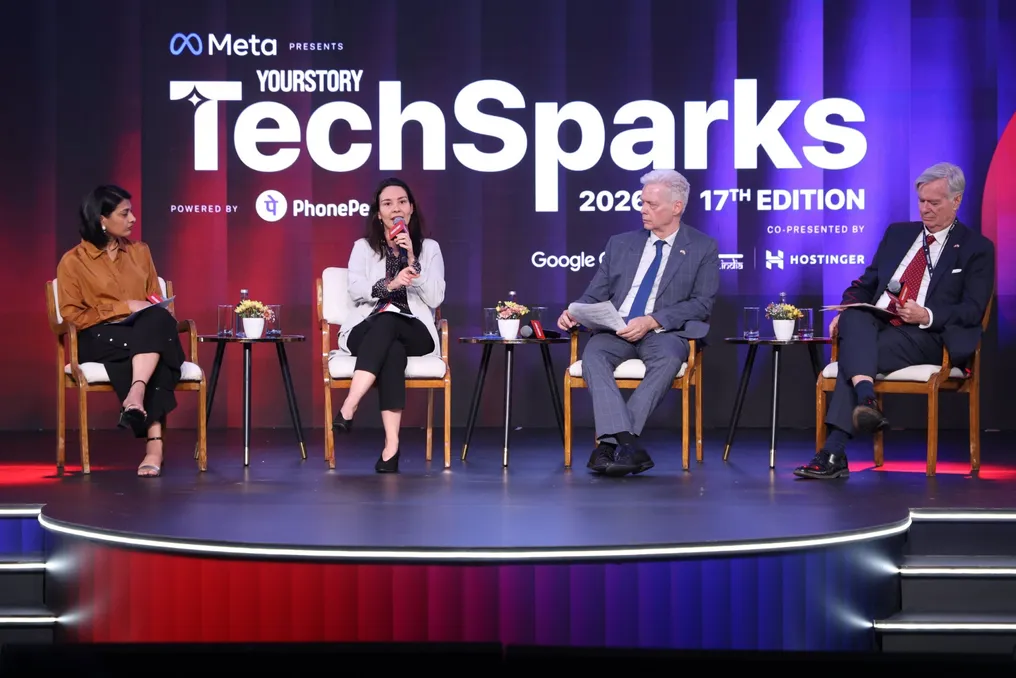
These issues were discussed at a panel titled 'New Technological Alliances: Why Startups Around the World Need India, and Why India Needs the World' during the TechSparks 2026 event, held on October 15 in Bangalore. The discussion focused on how Indian startups can integrate into international technological ecosystems, as well as how global partners can strengthen ties with India.

The panel discussion featured Dr. Angela Honegger, CEO and Consul General of Swissnex India (Switzerland); Jakobus Johannes 'Jaap' Vermeulen, Consul General of the Kingdom of the Netherlands in Bangalore; and Peter Winter-Schmidt from the Consulate General of Denmark in Bangalore. These three representatives spoke about programs that help startups gain access to research, funding, markets, and partnerships both in India and Europe.

Winter-Schmidt emphasized that strategic sovereignty should not be equated with technological independence. He noted that while defense and security require a certain degree of sovereignty, areas such as talent, research, and technical compatibility benefit from international interaction. He cited the European Union's digital wallet as an example, which, he said, is being developed based on the Indian technology stack with support from India.

Vermeulen agreed that states must define critical elements for their own ecosystems while remaining open to partnership, stating: 'I do not believe in isolation' and stressing the importance of finding suitable partners.

Honegger also insisted on the necessity of collaboration, asserting: 'If we want a chance to win, we must cooperate.' She described Swissnex as a science consulate with six global branches, including Bangalore. Swissnex programs cover student and researcher exchange, joint research funding for Swiss-Indian teams, bilateral startup exchanges, and market validation camps. Under the program, companies from each country visit each other to explore opportunities.

As an example of cross-border cooperation, Honegger mentioned the company Suind, which operates in the fields of AI, drones, and agriculture. Founded by a Swiss and Indian entrepreneur, Suind initially opened a subsidiary in Bangalore before relocating its headquarters and subsidiary. Honegger clarified: 'Technically, it is an Indian startup with a Swiss division.'

She called on deep-tech founders in India to consider transferring part of their R&D operations to Switzerland while keeping headquarters and manufacturing in India. She added that Swiss Innovation Parks provide access to research facilities, specialized technology platforms, and government funding for joint R&D with Swiss institutions. The robotics startup CynLr from Bangalore has already opened a subsidiary in one of these parks.

Honegger also highlighted Apertus, an open-source model from Switzerland, as an example of efforts to develop publicly available AI infrastructure and prevent the concentration of control over this technology 'in the hands of a few corporations.'

Vermeulen spoke about the Netherlands' partnership with India in semiconductors, signed several months ago. This agreement covers semiconductor design, photonics, and advanced packaging, alongside manufacturing. He also reported that the Dutch semiconductor equipment manufacturer ASML is expanding its presence in India. Recently, the Dutch consulate brought 17 startups to Semicon India as part of efforts to strengthen technological ties between the two countries.

Vermeulen also mentioned the Brain Bridge program, which connects Dutch and Indian universities with Dutch companies already operating in India. Five Indian medical technology startups were selected for grants to explore opportunities in the Netherlands, and a cybersecurity mission is also planned.

Vermeulen stated: 'We see Bangalore as the Silicon Valley of Asia.' Winter-Schmidt, describing Denmark's approach to working with Indian startups, used the phrase: 'The key word for us is co-development.' He highlighted Denmark's 'Water Challenge,' which invites 10 selected Indian startups to Danish universities to work on AI-based water purification solutions. Afterward, the startups present their ideas to investors, having access to seed funding.

The Green Strategic Partnership Agreement between Denmark and India is also being extended and expanded to include space technologies, deep tech, and defense technologies. Winter-Schmidt mentioned a recent Memorandum of Understanding between DTU and IIT Madras, as well as efforts to unite venture and private investors from both countries through a 'financial bridge.' He also mentioned the Danish Impact Fund, which primarily provides loans for solutions that have a positive impact on the environment.

The three representatives gave practical advice to Indian founders aiming to enter European markets. Winter-Schmidt strongly advised startups to identify a specific market instead of viewing Europe as a monolith. He recommended that founders validate their value proposition before entering the market, dedicate time to building relationships, and be prepared to share their solutions with local partners rather than excessively protecting them.

Honegger called for greater willingness among Indian companies to take risks when working with international startups. She wanted to see a 'greater propensity for risk... to become a co-creator, not just a recipient of innovation.' She explained that Swiss startups often find that discussions with potential Indian partners end after a free pilot project. She argued that companies must be more willing to share the financial and operational risks of developing new technologies. In her view, the solution is to 'share the risk associated with innovation across several shoulders.'

During the Q&A session, an eleven-year-old founder asked how small companies navigate European regulations such as the General Data Protection Regulation (GDPR). The panel advised startups to prepare in advance, carefully select target markets, and seek advice from local partners, consultants, and consulates.

Winter-Schmidt noted that Danish companies traditionally viewed India primarily as a market offering scale. However, in his opinion, this is only part of the possibilities. He concluded: 'You come to India not for scale, you come to India for opportunities.' He also stressed that international partnership should involve learning on both sides, adding: 'We don't have that much to teach India... We can learn as much from them.'

Jio Platforms becomes the country's fourth largest company with a market capitalization of 10.30 lakh crore rupees
Read more
www.aajtak.in

Jio Platforms becomes the country's fourth largest company with a market capitalization of 10.30 lakh crore rupees

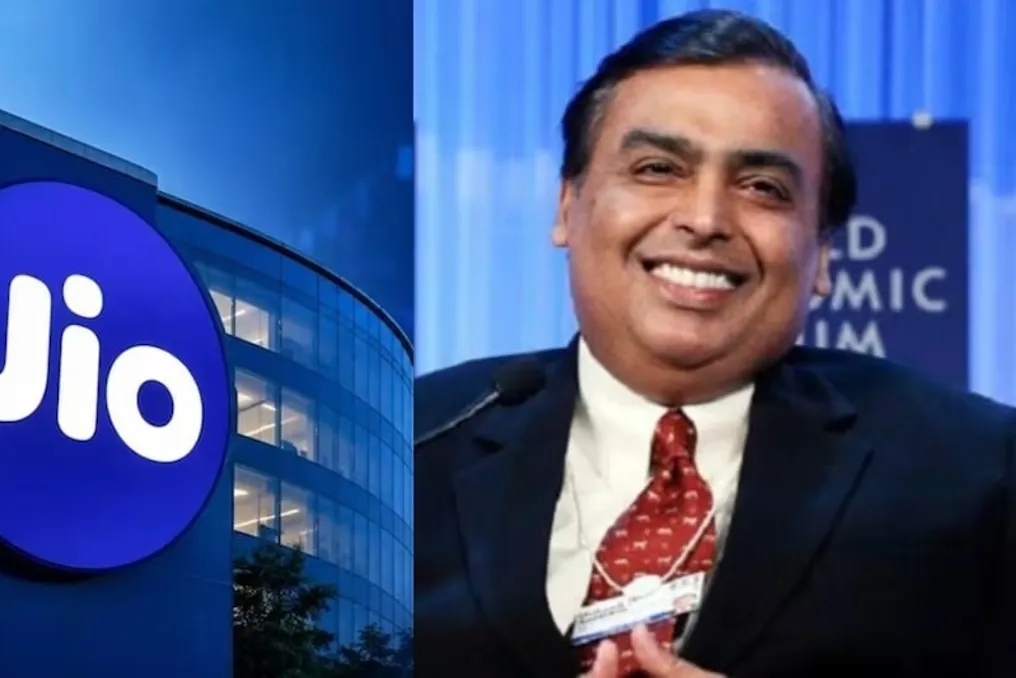
October 28, 2026, will be an important day for the Indian stock market as Jio Platforms Limited, a major digital and telecommunications player in the country, prepares to go public. Investors from around the world are eagerly awaiting this listing.

The company's IPO has attracted significant attention due to its high valuation of 10.3 lakh crore rupees. The IPO saw the issuance of 270 million new shares at a price of 1,119 rupees per share. Based on the initial IPO valuation, Jio Platforms became the fourth largest company in the country, following Reliance Industries (16.2 lakh crore rupees), Bharti Airtel (12.2 lakh crore rupees), and HDFC Bank (10.6 lakh crore rupees).

The main interest is focused on the stock prices on the listing day, which falls on Wednesday. According to market analysts and trends in the 'grey market', if Jio's shares debut with a 20% premium, meaning at approximately 1,340 rupees per share, the total market value of the company will exceed 12.3 lakh crore rupees. With such growth, Jio Platforms would take the second position among India's most valuable companies, right after its parent company Reliance Industries.

This massive listing by Jio will strengthen the status of the entire Reliance group. The combined market capitalization of Jio and Reliance Industries (RIL) will exceed 27 lakh crore rupees. By reaching this mark, the Reliance group will surpass other major business houses in the country. As of October 27, 2026, the combined market capitalization of all 32 public companies of the Tata Group was about 25.7 lakh crore rupees, and the capitalization of 11 companies of the Adani Group was approximately 16.6 lakh crore rupees. If Jio's listing occurs with a higher than expected premium level, the Reliance group will approach the 'magic' mark of 30 lakh crore rupees.

This IPO is not just a story of one company going public, but also a testament that Indian companies have reached a global level in terms of valuation. This historic event is being closely watched by retail investors, large funds, and market giants across the country.

VinFast sales in India increased by 392.8% in September thanks to the success of new models
Read more
www.aajtak.in

VinFast sales in India increased by 392.8% in September thanks to the success of new models

September 2026 proved to be a very successful month for VinFast. Compared to September of last year, the company sold significantly more vehicles in the Indian market. If only 376 units were sold in September 2025, the company delivered 1,853 units this September.

This growth amounted to 392.8% year-on-year. Regarding specific figures, 1,477 more cars were sold in September this year than in September of last year. The most popular model in the company's portfolio is the Limo Green, although this vehicle is not sold to the general public.

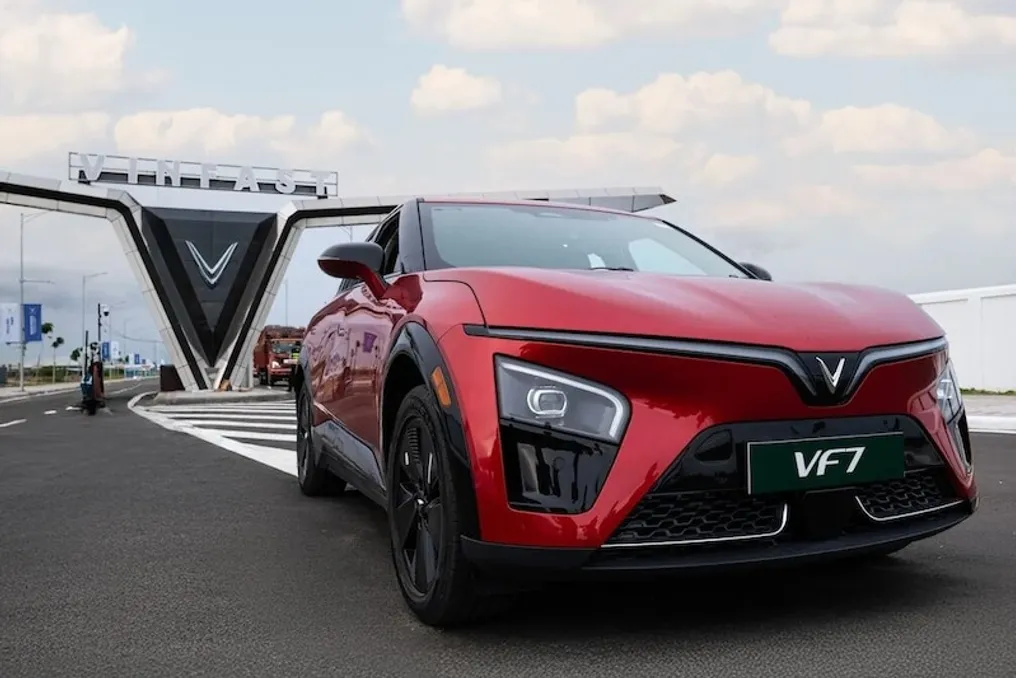
Instead, Limo Green is acquired by SM Green, which acts as a taxi provider for VinFast. According to the Auto पंडित्ज report, the company sold 850 Limo Green vehicles in September. The next best-selling model was the VinFast VF 7, which was sold in quantity of 625 units in September. Last year, only 158 such cars were sold, demonstrating a sales increase of 295.6% year-on-year. These two models accounted for 79.6% of the company's total sales volume.

The VF-6 model also showed growth. In September of last year, 218 units were delivered, whereas this September the company delivered 323 units, corresponding to an increase of 48.2% year-on-year. The MPV 7 model sold only 55 units in September and is the newest product in the company's portfolio. This car starts from 20.39 lakh rupees with an ex-showroom price and is equipped with a battery capacity of 60.13 kWh. The MPV's claimed range is 517 kilometers, and the company claims that charging from 10 to 70 percent takes only 30 minutes.

As for the second best-selling model, it is the VinFast VF 7. This five-seater SUV has an ex-showroom price of 22.99 lakh rupees and is equipped with a 70 kWh battery, providing a claimed range of 532 kilometers. VinFast's sales growth is also driven by the inclusion of two new models—Limo Green and MPV 7. Even excluding these two models, the company sold 948 units of VF 6 and VF 7 in September this year, representing a growth of 152.1% compared to the 376 units sold last year.

Popular